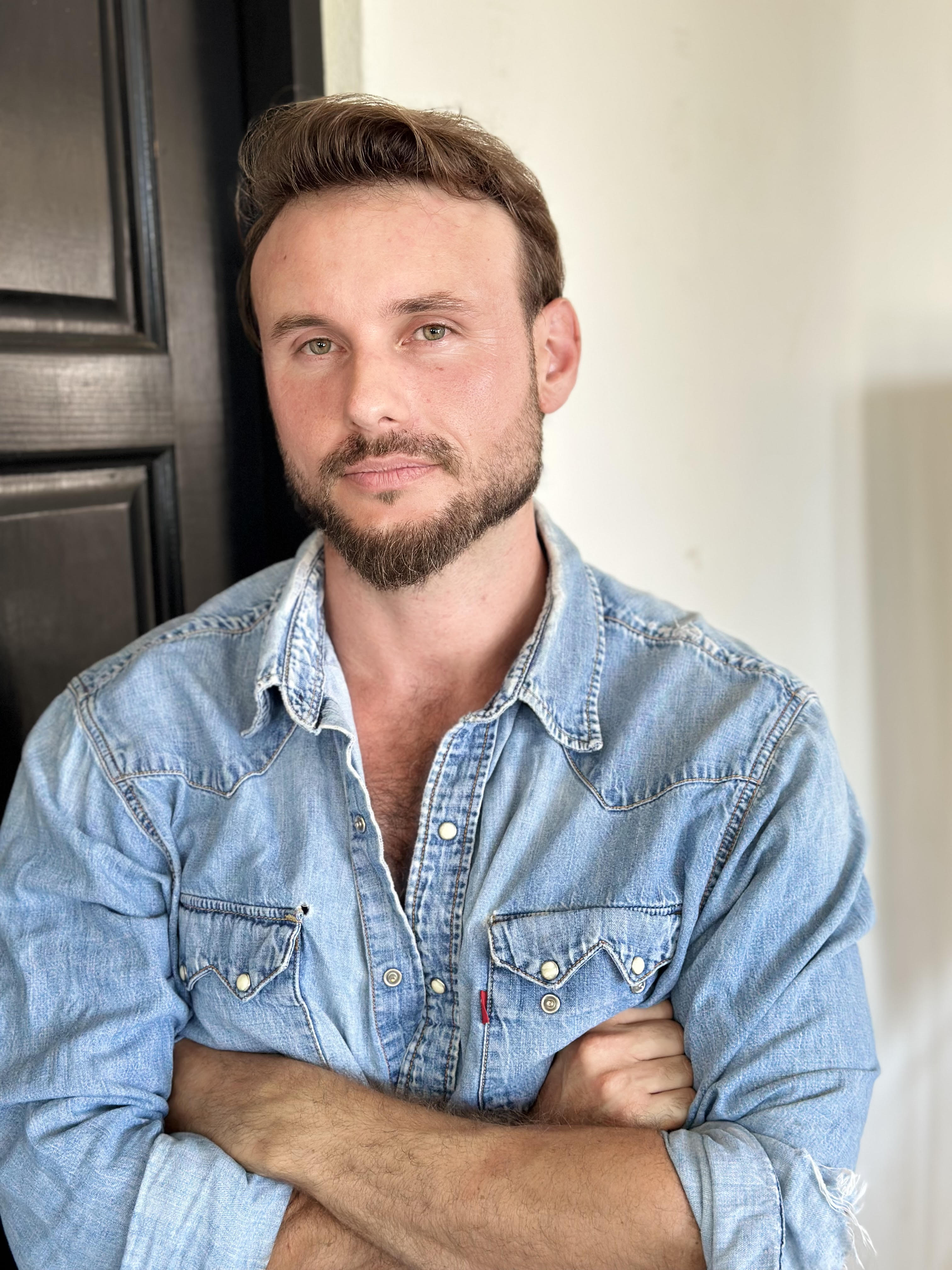
About this episode
Why do brands spend thousands on advertising campaigns that fail to connect with people?
In this episode of the Breakthrough Moment Podcast, Zac Deane sits down with Alex Shebar, creative entrepreneur, marketing strategist, and founder of New York City Social Club, to uncover what actually makes social media content engaging, relatable, and effective.
Drawing on his experience with brands including Yelp and Bumble, Alex shares why traditional marketing campaigns often fail, how to create authentic user-generated content (UGC), and why emotional connection matters more than expensive production.
Discover how to build a content strategy on a smaller budget, test creative ideas before spending money on ads, and turn community engagement into meaningful business results.
Episode notes
- 00:00Introduction to Alex Shebar
- 01:14Alex's background in marketing and community building
- 02:44The breakthrough behind New York City Social Club
- 05:00The expensive ad campaign that changed everything
- 06:58Why most brands struggle with UGC
- 08:16How to create marketing that connects emotionally
- 11:23Alex's journey from journalism to entrepreneurship
- 13:56How community building led him to Yelp
- 16:27What Alex would do differently in his career
- 17:57Why people matter more than marketing metrics
- 20:42Selling feelings instead of products
- 22:29Making other people's lives better
- 26:37The three-question rule for better conversations
- 29:03How active listening builds stronger relationships
- 33:42Alex's top-three productivity rule
- 35:44Avoiding burnout and protecting your energy
- 36:38The question Alex asks himself on difficult days
- 41:18How to create high-converting UGC on a budget
- 41:43Why library TikToks are great marketing examples
- 43:24Start with emotion, not your product
- 44:14Why you don't need expensive production
- 45:21Create more content and learn what works
- 47:12When to put advertising money behind a video
- 48:24Who New York City Social Club helps
- 50:28Alex's breakthrough challenge
- 54:05Making your first video with Instagram Edits
- 58:41Why the best time to start is today
- 1:00:12Final thoughts and closing
Chapter titles and timings from the published YouTube description.
From the conversation
Excerpts from YouTube automatic captions. They may contain transcription errors. Play a timestamp to hear the original conversation.
Alex's background in marketing and community building
to be a Breakthrough Moment podcast. I I know especially if you guys are interested in uh creating the right impact for your brand, specifically UGC content. Today on the show, we're joined by Alex Shebar, creative entrepreneur, marketing strategist, and founder of New York City Social Club. Alex has sat down at the center of major consumer tech and cultural brands, having served as a senior director of community at Yelp, brand manager at Bumble, alongside strategic work with Product Hunt, Alamo Drafthouse, and Culture Trip. Today, Alex helps global brands like Amazon, Disney, Virgin Voyages, Oreo, and Duncan ...
How community building led him to Yelp
connecting people, and I still do. And so then I decided I was going to screen the 100 greatest films of all time publicly for a year throughout the city, anywhere public that would show it. Um and you have no idea how long a year-long project is until you're 3 months into it and realize you have 9 months left to go in this project. But we did. Um and we raised a lot of money for local charities, and we showed a lot of great movies. And then Yelp found me, and Yelp was like, "Are you looking ...
The three-question rule for better conversations
>> Yeah, instead of being like, "Why are you doing that?" you go, "Why are you doing that? Like tell me more." Um I I have tried to teach myself that when I'm talking to somebody, I before I move to a new uh like topic, I try to ask them three questions about it because I get very excited. I have golden retriever energy. You can see it here. And I will jump from topic to topic to topic, but sometimes people want to keep going on a topic because they're interested in it. And like my mind moves ...
How to create high-converting UGC on a budget
>> Um and so uh you know, let's transition into the teaching segment that we mentioned in the introduction looking at community, looking at um you know, how do you create that value without spending and and blowing the bank. You know, specifically on how to build a high converting UGC and social media content machine without five-figure production budgets by focusing on connections, trends, and relatability. >> So, the the thing I want you to start with, if you are wondering how do I make an ad that actually converts, I want you to pull up TikTok, even if ...
When to put advertising money behind a video
will do this. And once you find it Okay, and then then here's my last last bit of the funnel. Once you find a video that is hitting, it's it's it's people are commenting, people are liking, people are like re-sharing, you're getting a lot of views, that's when you put money behind it. Don't put money behind it before that. Try a bunch of stuff, find a video that already is successful, then you put money behind it, cuz you know it's going to be successful. I can't tell you how many brands are just throwing money at ads ...
Read the episode transcript
YouTube automatic captions. Names, punctuation and wording may contain transcription errors.
Welcome back everybody to the Breakthrough Moment podcast where we interview successful entrepreneurs and investors and ask them, what is their biggest breakthrough moment? That moment that changed everything and took them into another level of success, impact, or insight. And as they share that moment with us, us at home have those breakthroughs as well. I'm Zack Deen with Alex Shebar. What's going on, Alex? Where are you tuning in from? >> Hey, man. Thank you for having me. I am in New York City. >> Amazing. I love New York City. What is your favorite thing about New York City? >> Well, that there's always something to do. Um you know, you want to see something? I literally got this tattoo the other day. Um this was done at a mobile tattoo studio, New York's first mobile tattoo studio. So, it was literally a van that pulled up to me and then gave me a tattoo in the park uh from a licensed tattoo studio. And that feels like something you can only do in New York City. Uh you know, New York is filled with wild moments. >> It's wild. I went to Burning Man last year and then I went to New York City afterwards and I was like, this is like a Burning Man, but obviously a really expensive Burning Man. I mean, you can do just all these amazing things and with amazing people. So, well um well, I'm excited for this. Let me do a quick little intro for you and uh yeah, dive into why everybody should listen up. Everybody at home, listen up. Grab your pens and papers. This is going to be a Breakthrough Moment podcast. I I know especially if you guys are interested in uh creating the right impact for your brand, specifically UGC content. Today on the show, we're joined by Alex Shebar, creative entrepreneur, marketing strategist, and founder of New York City Social Club. Alex has sat down at the center of major consumer tech and cultural brands, having served as a senior director of community at Yelp, brand manager at Bumble, alongside strategic work with Product Hunt, Alamo Drafthouse, and Culture Trip. Today, Alex helps global brands like Amazon, Disney, Virgin Voyages, Oreo, and Duncan edible roads Turn social attention into real ROI. Get this, with over 100 million views generated, hundreds of creative campaigns delivered, and a massive community footprint across the country, Alex is here to break down what actually works in community building, which I'm super fascinated by, UGC, and the modern creator economy. Now, if you guys stick around to the end, he's going to reveal how to build a high-converting UGC social media content campaign without five-figure creative, you know, super expensive budgets. >> No, absolutely. >> something some nonsense that I was talking about. Amazing. Pumped for this. Alex, I know it's late for you, 10:00 p.m. or something, so thank you for being here. What has been your biggest breakthrough >> It's 7:00 here in New York. We're fine. We're all right. Let's go. >> Let's start with your breakthrough moment. What is What has been the biggest breakthrough moment? You can share multiple. Start. Start with one. >> Yeah, I'm I'm happy to. You know, I've had a a lot of breakthrough moments that have actually like affected the way I do business. Um, we'll talk about the the founding of my NYC Social Club, and
we can sort of build off from there. You know, I've worked for some really amazing company of companies, uh, the ones you've mentioned, absolutely amazing. I've meant worked for some other companies that I have not mentioned because the experiences have not been as great. And unfortunately, they're not as great because they get locked into these playbooks that are absolutely ridiculous. You know, they're like, this is the way we have to do it, and we'll spend hundreds of thousands, a million dollars on this ad campaign, knowing, or or at least not putting in the time and the effort to actually realize if it's going to work. They're just like, well, you know, we've seen this work with others, or it's worked for us in the past, or it's worked for us in other countries. And and I I would look at these and be like, none of this is going to work. Like, none of this is going to affect someone. They're going to look at this and just look at it as spam. You know, at this point, we are so inundated with ads on a constant basis that it's so easy just to treat it as white noise. Unless you're doing something that actually affects someone on a human level, connects with them on feelings, connects with them on humanity, connects with them on emotions, connects with them on a way that like makes them believe in something, they're just going to tune it out. And I can't tell you how many times I saw brands just like throw money into a pit and set it on fire because they're not actually thinking. They're literally looking at people as dollar signs, as you know, their customers as just another dollar sign instead of what they are, which is people. And so, that's why we founded in New York Social Club because we were sick of this happening. We were sick of campaigns not treating people like people. And you know, these creators were making these amazing ads were just like cogs in the machine being, you know, churning out content and that was bad. And then the ad content they were making was also bad. And then the brands were unhappy because nothing was engaging or converting and everybody's unhappy. And I'm like, why? Why is this the standard? So, we decided not to do that anymore. And it's it hasn't and then it's worked really well for us. Shockingly, that when you treat people like people, you get better results. >> Who would have thought? Oh my gosh. >> I know. My gosh. >> Was there a specific moment that that happened? Were you in a meeting? Were you with someone like >> Yeah. Um I I I won't mention the brand again because I I feel like it's it's a disservice to both probably my career and then also the brand because the people who do those things are probably not there anymore and then there it is. But we were they were, you know, we were looking at the budget and and you know what? I'll I'll go into a little more detail. The budget for this this campaign was very big. And the results that this agency that had put out for the brand were bad. Were really bad. Um like like uncomfortably awkwardly they they weren't going to move the needle. They weren't going to make anybody interested. They were just going to be like bad. And I wrote an email to the brand being like, "Hey, we really like act element XYZ, but like we were just not interested in kind of what's going on." And I got an email from our our CMO being like, "You can't talk to the
agency that way." And I was like, "But they work for us." And this is like, "Do you like this campaign?" She's like, "Well, I like parts." I was like, "What are we doing here?" She's like, "Well, this is what the agency thinks will work." And I'm like, "But do you think it's working?" She's like, "It doesn't matter what I think." I'm like, "YOU'RE THE CMO! YOU'RE LITERALLY the CMO. It absolutely matters what you think." And we got into like this argument about it. And then of course, the camp Not of course. The campaign did not work. It was It didn't move the needle. It didn't It didn't increase numbers. It was a gigantic waste of a lot of money. And it was in that moment like arguing with this person trying to explain them why we should not be paying a lot of money for an ad campaign that was not going to work. Then I was like, "This isn't This isn't what I want to be doing. I don't I don't want to be having these conversations. I want to be working with brands and actually like getting them excited about a campaign. No one in this office is excited about this campaign." Well, THAT THAT THAT'S A FAILURE TO BEGIN WITH. What are we doing here? >> So, what advice do you have for an agency out there or maybe someone looking to create engaging um you know, powerful UGC or you I guess user-generated content for those that don't know what that is. Do you have any recommendations on then really how to bring that humanity and uh you know, treat people like people back into this conversation? And then obviously how do you create the the best the best outcome as well for the for the content? Quick, before we continue, a brief message from today's sponsor. If you're an entrepreneur wanting to grow your personal brand, authority, and business through podcasting, then check out findapodcast.io. As you know, the biggest entrepreneurs in the world, they book these massive podcast tours before a big product launch or an event or book because podcasts build trust faster than anything else online today. So, it's findapodcast.io and helps you connect with a specific podcast in your niche. It writes the pitch, it follows up in this easy CRM. It truly does save time. So, you just show up, do the podcast, and your business grows. If you're curious to learn more, book in a demo at findapodcast.io. Now, let's get back to the episode. Yeah, you know, it it's so interesting because brands when they run marketing, when they when they run any kind of marketing, it it's either something that they want to do really well and they just don't have the time or the budget to work on it like correctly, or they just don't know where to begin. And and both those things are issues that like the starting point is you know, less than zero at that point. You're starting kind of a negative because you founded this amazing business and you were just not a marketing expert. And that's okay. It's okay not to be a marketing expert. You're doing so many other things. I can't tell you how many like you know, the the old adage of a founder wears, you know, a billion hats. And it's true. Like when you are running a business, um you are overseeing, you know, everything. You're even like a travel agent trying to book your own travel.
Like it's crazy the amount of like work you put into it. But when you're building those marketing campaigns, it's so easy just to be like, okay. Um I think this will work. You know, it it it says what I needed to. Here's the the points I want to make. Um we'll put it out there. Or even worse, you watch a trend and you're like, okay, that I saw that trend. That was really interesting. Why don't we just copy that trend? But if the trend doesn't work for your brand, or the copy doesn't work for your brand, or you're just not engaging, then then the time and the effort is going to be wasted. And everything has a cost. And if it's not a financial cost, it's a time cost, it's a mental energy cost. It you know, everything you do can be put into buckets of what is this costing me? And so when you're looking to run an ad, when you're looking to create user-generated content, the first question I always ask a brand is what do you want to feel at the end of this ad? Not what information are you telling them, what are you trying to get across, what product are you selling? These should be the last things that you are interested in. Because if you start with the process of I want to sell a product, you are going to create an ad that feels like an ad. And then guess what? People aren't going to watch your ad. Nobody cares about your ad. Think about the best ads you've ever watched. Think about the Super Bowl ads. Sometimes you're like, I don't even really remember what that brand was. But then they'll play it again and again and you'll see it again and be like, right right right, it was for Crest toothpaste. But like it made you laugh or it made you I got I got went dark there. It made you feel something. That's where you begin. So if you're selling a vacuum, let's say you're selling a vacuum on TikTok. You've got a really cool vacuum. Why are you selling this vacuum? What makes your vacuum different than all other vacuums? Why should people care about your vacuums? What can you do with your vacuum that others can't or what do you do that you just want to show off really well? Maybe your vacuum is really good for picking up pet hair. Okay, then you're focusing on pets because people are already going to be connecting on pets. So like maybe you start with like pet messes and you start with like relatable situations and the vacuum makes its way in. But too many brands are just like vacuum vacuum vacuum vacuum vacuum. That's not where you start. That's not how you connect with people and that shows when you make an ad. >> Mhm. Super interesting. Super interesting. >> Yeah. Oh, absolutely. >> It sounds like you've got this creative entrepreneurial spark that you know, we've we've just had a couple of calls but it's very obvious that you have this passion, this heart. You really want to make a difference. Is this something that came from like your parents? Were they entrepreneurial? Or you know, a mentor or a book or like And where did this this So, my one of my mentors called it the affliction. It's like you cannot not be a problem solver. You cannot not do entrepreneurship and create something and innovate something. Would you say that you've got that and where did it come from? >> Yeah, that's a that's a great question. Um no, I didn't have this. My parents
are not My parents are both medical. Um I for the longest time wanted to be a journalist. That's what I got a degree in. I wanted to tell stories. I wanted to tell human interest stories. Um and then it turns out being a journalist is terrible. Um that's actually not true. Um I was in a bad space of journalism. Had I done journalism like 10 years earlier, I think I could have built a really interesting sort of career in like telling human interest stories, maybe doing like stuff with pop culture, whatever it happened to be. And if I hadn't done it 10 years later, I could have done video reporting or podcasting, stuff like this. But I was in this weird middle point where they just wanted me to like fill a slot. And so, they put me into 3:00 to midnight breaking news, which means I sat in front of a police scanner waiting till someone was shot or stabbed or something burns down or specifically someone was murdered. And then I went to those crime scenes by myself. And I was 20 early 20s, 22. It was a nightmare. Um I had a knife pulled on me twice at crime scenes. Oh boy, that's an experience you don't want. Um I hated it. I hated everything about it. But I um you know, I will always try to make the best of a bad situation. And what I did was I was um Twitter X Twitter at the time. Twitter always in my heart. I had just become a big thing. And so, what I was doing was I was tweeting things I heard over a police scanner, just like funny things that were like appearing. Like someone would call 911 and be like, "My husband's an idiot." and hang up the phone. Or someone would also call 911 and be like, "There's a peacock in my backyard. Send the police." And you're like, "This is really funny stuff." And I created a website based off that stuff because I thought that would be interesting. And the newspaper did not like that I did that without asking them, and they fired me over it, which was truly shocking for your first-time gig. Um but I realized that I actually love connecting people, and I still do. And so then I decided I was going to screen the 100 greatest films of all time publicly for a year throughout the city, anywhere public that would show it. Um and you have no idea how long a year-long project is until you're 3 months into it and realize you have 9 months left to go in this project. But we did. Um and we raised a lot of money for local charities, and we showed a lot of great movies. And then Yelp found me, and Yelp was like, "Are you looking for a job?" And I was like, "Yes." Uh so I became one of the first 20 Yelp community managers, and Yelp helped pioneer the community manager sort of spirit. Before that, basically, they had exactly what I was just saying, they had evangelists. They had people who would like sell things. Like Apple was the classic evangelist that would like they would build community around the process of selling things. Yelp came in and was like, "We're not going to sell anything. We are just going to build content and make people super excited about a brand." And that's what I did. And I didn't have to sell a single thing, which I loved. And so I just got to like work with small businesses and run really funny, weird events. Eventually, I moved to London and I
oversaw European growth. I I ran London's first micro pig cafe, little tiny pigs in a cafe for a week. That was super fun. Um we just did crazy stuff, and it taught me everything. It was like the best education I could have gotten because suddenly I'm doing PR events, marketing, social media, um my god, everything. Like as a community manager, you just learn everything. And so now I just take those ideas and I'm just like I still love supporting small businesses. I love creating content that evolves with people. I love connecting people. Like that's what community is all about. I love telling stories that make people feel things. Okay, let's do all of that. And I just haven't stopped. >> My gosh, super cool. Super cool. If uh hypothetically, if you could go always you know, I've so fascinating every interview is so different, you know, everyone's living such a different unique experience. Living in the same rules of our reality of of life and all the things that that come and involved but I'm in Bali right now, you know, but I've been to New York. I I understand it to a degree but you've been there for a very long time. I got friends from from New York that do finance and you know, other students and things like that. It's just like it's so interesting traveling and getting perspectives. The more that I travel, the more I realize we're all pretty much the same. We all want the same things. We just go about it in very different ways. And yeah, it's really really interesting. And so how did you then uh the my question is if you could go back in time, you build a lot of community, you've been around a lot of brands. If you could go back in time and do it again, change one thing. I know it's physically impossible. But like what would be that main thing that you'd take back your knowledge now to the beginning but like ah I wish I did this. This would have really helped. Build community specifically and then brands. >> Yeah, yeah. I mean it's it's a great question um to like think about what you would bring back. Um I don't know. Can I invest in crypto? Like I'm like not that's not I don't believe in crypto but it's an easy way to make No, no, no, no, no. Yeah, exactly. No, that's not that's not actually my answer. Um you know, I it's so interesting that I that that what would I bring back? That's actually like a very very very good question. Um It's so hard to answer that. Um you know, I I am a big believer um that kind of we are we are an amalgamation of the experiences that we have. And so, you know, when I was in my 20s, I was cocky and annoying and like I just saw the movie Tony um if you haven't seen uh which is about Anthony Bourdain and he talks about that like when he was you know in his teenage years, he was the worst. And then you watch his movie and you're like, yeah, you are the worst. But you needed that. You needed to kind of be humbled to get where you are. So I think if I brought
back anything, it would just be like focus on people earlier. I think that's a lesson that I learned later in life of like, you know, yeah, like campaigns matter, metrics matter, ROI matters, um you know, row off matters. Like all these these terms matter, but what matter more than anything else is just like humans, people, like community. I'm a big believer that if you want to be successful in this life, give people what they want but done in a surprising way. And if you can do that, that is obviously way easier said than done. But if you can do that, every single time you will win. That's literally all it comes down to. Give people what they want but do it in a way that surprises them. You'll win every single time. And I I think I would have brought those lessons back but like like knowledge on how to be a different person or like experiences, I needed all those to get where I am right now. And trust me, I have so many regrets, so many things I would have changed. But it's so hard to be like, if I changed those things, who would I be today? I don't know. I I kind of like the person I am today or at least I'm I'm growing into the person I want to be. >> Yeah, I'm the same. You know, I'm 36 and I was chatting to another guy who's 36 um here in Bali and I was saying to him how I feel like this is our prime. I feel like I'm more grounded and in balance with my emotions and mindset and goals and purpose and identity than any and I was like he was like, "Yeah, if only we had this in our 20s." I was like, "Yeah, that would be really cool." But it's like everyone everyone goes through their own journey with it all. But I really like what you shared there with like people in community and number one which I want to dive into more, but it's more like giving them what they want in a surprising different way. I love that. I've never heard it like that. I've always heard in sales it's give them what they want and I was saying no, sell them what they want and then give them what they need. And so this one So then it's like yeah. >> If you have a business on Facebook or Instagram, you need to learn about this new amazing AI automation tool. The question is is your personal profile or business profile manually messaging your target audience every single day. If not, I highly recommend you do this. There's a massive ROI on that. But if you are, there's a more cost-effective strategy. So this is a unique AI software. It runs for you your friend requests, the messages, the likes, even the comments 24/7 in the cloud. So while you're watching podcasts like this or taking calls or while you're sleeping, it's running there in the background. Some of these people are pulling in another five to 20 extra qualified leads every single week on autopilot. You can experience the podcast special trial and try it for yourself today. Check it out in the show notes below. >> And that that is that is important. Um And and so even there like you know, you're selling them what they want. That's exactly what we talked about the beginning of this. You're selling them a feeling, an emotion. You're not actually selling them a product, you're selling them something that makes them you know, connect with something, believe in
something. That that's why that's what great sales people do. They connect on an emotional human level. But like I don't I don't know. I don't want to sell you like I mean the the the the the the cruel way would be like snake oil. I don't want to sell you stuff that you don't like I I I I want to sell you things that you're actually passionate and super excited about and like I want you to get involved. I want you to watch this ad and then buy this product because you think it will actually make your life better, not because you've got FOMO, not because like you're jealous, not because like you know, oh my god, if I use this like ab roller or suddenly I'll have all the abs and that will make my life better. Like I don't I don't want to like make you feel worse about yourself. I want to make you feel optimistic about the future. Like that's you know, surprise and delight, man. That's that's where I'm at. >> Yeah. Yeah, yeah, yeah, yeah. It's interesting though because humans don't typically change until there is that a high uh Well, those types of emotions. The fear, the greed, the >> Sure. >> Yeah, wanting the booty, wanting the the lips, or wanting the looks and the the lust, you know, like having that to being desirable. You know, these are all human feelings that we we all like, but we know that are like short-lived and >> [laughter] >> and not not good for the soul, so to speak. >> They are motivators. >> Is there a way of like Yeah, they're so motivated. So, like how do you how do you bridge that gap? Is there Yeah, I f- >> Um the way you bridge that gap is you try to step outside of your own wants and needs and you think about others. And I'm not talking about like big moments. Like you don't have to spend all day doing charity to like find that thing. I'm a big believer, you know, if you're going to pick a meaning of life, like of like if we're going to get philosophical here, we're going to do a meaning of life, my my my goal every day is to make somebody else's day better in any way. And like that could just be literally like, "Hey, my I'm I'm going I'm coming to my mom's. I saw that there's a heavy package downstairs. I'm just going to bring it upstairs for her. Don't have to ask, don't have to be told. I'm just going to do it. I'm But like, if I was in my own head, I'd walk right past that package. But I try not to. I try to just like look at that and be like, "Okay, look, this is this is clearly for my mom. I can see that it's heavy. Let's do that for her." And so, if you can do that, if you can actually like step outside of your own wants and needs and start focusing on other people's needs, community needs, like what what like this world might be better, you will find more joy in like other experiences. That's why people say like, you know, you should be spending more money on travel because travel is better for you personally, you're able to experience more culture, you share things with more people, you get out there and see the world, it changes your mind so you're not so like in a bubble because if you live in a bubble, you die in a bubble. I am a big believer in that. And so like we should be trying to find ways that
connect with like other people. We are communal, we are human. And like, I'm not saying like, you know, don't do basic instincts either. I'm I'm truly a hedonist. I'm a big believer that if it does not hurt yourself or others, do it. Like, but those are the rules. If it hurts you or it hurts others, you are not allowed to do it. That's that's a bad. But if it's not going to hurt yourself or it's not going to hurt others, do it. But like, hopefully you are finding joy in that item and then you're spreading that joy with others and then everything gets better. So like I don't know. Like it it it's like it's so interesting cuz I'm a marketer. So like, I I understand the power of FOMO. I understand the power of like like you know, when the Le Boubou craze was going on, you couldn't get a Le Boubou and everybody was losing their mind. I get it. Like like somebody has it, you want it. Like that's a human element. Like I get that. But that's not like going to make us all happier in the long run. Um and so I try to do things that make me happier in the long run and hopefully it others happy, too. I'm not always successful. Some days I'm very bad at it, but I try and that's enough. >> Yeah, now that's it's that's a good that's a great uh boundary or great rule to have. If it's not hurting other people or not hurting yourself or whatever, then that's go for it, for sure. >> do it. >> Um >> And don't judge others for it. Like if somebody else feels that way and you're not you don't get why they like that, what what like Oh my god, like I hate when people are like, "Why?" Like why would you do that? Like why why the question should be like, "Why are you doing that? Tell me more. Like why are you interested in that?" Like let's like engage. If somebody's excited about something, don't shut them down just cuz you don't get it. That sucks. If Listen, I'm trying not to be judgmental towards other people, but if you are literally shutting someone down that they're something they're excited about because you don't understand it or it's not for you, you suck. Like you just suck across the board. Like eff off. I'm I'm not going to swear on this podcast. This seems like a very like good, you know, healthy clean podcast. >> [laughter] >> Not going to swear. I swear all the time. Not going to do it. But like seriously, like don't do that to people. >> [laughter] >> I agree. I 100% agree because the at the end of the day, if they're saying, "Oh, why you why you into that?" You know, with that judgment and that kind of projecting some kind of confusion onto them, they're obviously wanting to understand in their own mind, which is selfish in a way. It's like, "You can't do that unless I understand what it is." Yeah, and because of that, I'm going to put this blame or like guilt whatever statement is like, "No." >> Yeah, I don't understand it must be a different frame. >> That's right. And then it's there, ask better questions. It's so it's so simple, but it's so hard to do for most people. >> Yeah. >> Yeah, instead of being like, "Why are you doing that?" you go, "Why are you doing that? Like tell me more." Um I I have tried to teach myself that when I'm talking to somebody, I before I move to a new uh like topic, I try to ask them three questions about it because I get very excited. I have golden retriever energy. You can see it here. And I will jump from topic to topic to topic, but sometimes people want to keep going on a topic because they're interested in it.
And like my mind moves too fast. So, I've actually like tried to train myself to be like, I'm going to ask you at least three questions, and I will get to know you better, and I will get to know the topic that you're interested in. And if you're not feeling it, like I'm not forcing it if it doesn't happen, but at least it stops me from being like, "Oh my god, let me tell my story." Or let me change the subject. You're clearly interested, and I want to know more. >> It's It's >> Yeah. That's >> That's a great rule. Oh my gosh. I've never heard that before. So, what you're saying is >> It's >> And and to be honest, I meet a lot of people that have um a lot of energy. I'm meeting lots of visionaries who have big visions, and they're like, let's change the world, you know, they're very optimistic. And I'm like, yeah, let's do it together. Or that you know, some people saying they've got neurodivergence, or they're ADHD, and they're what it whatever the title is, it doesn't matter. But there is this Right, right, right, right. And whatever that is, there is this There is this um common behavior amongst entrepreneurs that is like short There's a short level of low low focus. Or like it's focus on the things that are most interesting, which Yeah, yeah, yeah. And it's like the patience is a low level of patience on things, which is fine, which gets stuff done. So, what we're saying is that I was amazed at that little moment that you just shared, and the little tip that you had, that is before you move on to to another topic or another conversation, you're asking someone three questions. Is that right? Because I I get to meet so many amazing entrepreneurs, visionaries, people with maybe neurodivergence or ADHD. Their patience and like focus can be quite short sometimes. And that's very productive in terms of work. It can get stuff done. But in terms of relationships, which is such an important part of business, as what we're talking about, which is making people the the most important thing, it's hard to build trust and and connection and reliability and um uh connect Yeah, I guess can overall connection when we're jumping from one topic to the next to the next to the next, the person doesn't feel heard, seen, validated, acknowledged, right? So, you're saying you jump in with three questions? >> I try. You know, it it forces active listening, like engaged listening. It forces me to like get deeper into it and then like it like connects me with them better because then I'm like actually listening and I'm actually like be like, "Oh, you said that thing. That thing is interesting. Let's go deeper into that thing." Um cuz it's so easy to like like space out or or you know, even without meaning to. You know, you talked about entrepreneurs who like don't have the focus. They get a lot done, but then they seem rude or distant or cold and they're not trying to be. Like some some probably are, but like some are many are probably not. They just like have that attention span that's so fast, but that's not an excuse. You you train yourself to do better. Um I I have that. I have that like goldfish memory. Like I I everything goes like super fast. I don't want to do that with people. I don't want to treat people that way and so I've had to kind of teach myself to do better and that's important. >> It's such a good I'm so glad you said that. No one's actually brought this up
in the whole podcast, but it's so so important. So, what a great structure and a great rule. It's about having these little rules, right? Around these little strategies to curb the things that maybe we need to improve upon. And so, yeah, asking three questions before diving into the next topic or or or it's easy or just Oh, it's so good. I'm just That's my breakthrough moment from today. I'll be putting that in the comments, guys, from from today's podcast. I always ask at the end, "What's your breakthrough moment?" Put it in the comments. >> [laughter] >> That would be mine. Let me just do that. >> Um so, next time you're at a party, like give it a shot and then let me know what you think because like you will it it Here's Here's my warning though. It will drain you mentally because it's so much easier to be on automatic. It's so much easier to jump topic to topic to let things flow when you actually have to like give your focus and listen, you will find your spoons like disappearing, you will find your energy disappearing, but but the trade-off is the conversations will be better, they'll be deeper, and you will connect more. So you will be more tired at the end of that conversation than you would normally, but you will feel better about it, I promise. And and so then you just got to train yourself to just keep doing it, it will get more natural. >> It's so interesting that you just said that it takes a lot of mental energy to just listen and hear. Man, the you know, these podcasts at the end of the podcast it gives me energy. It's the weirdest thing. You know what I mean? And I'm listening all that and it's just like it's so different, but um there are some people though when they talk I'm like oh not on the podcast cuz it's interesting topics, but like in normal life I'm like oh come on and stop talk stop complaining, stop blaming, stop justifying. Oh my god, it's so boring. Move on. Oh but you know what I get bored >> when they when they start complaining? Oh yeah, tell me tell me tell me. What what do you what do [laughter] you what do you get bored of? >> I I I think one of my superpowers is that being able to uh call out my own in terms of like when I'm bored of my own excuses. I'm bored of my own like oh I can't do this or like I get I'm like I say it twice and I'm like Zach you're talking absolute like stop lying to yourself. You can you can do this, you've done it before. Go and I have to like pep talk myself sometimes. But I'm like nice. I don't understand how some people get caught in the negative loops and the complaining and the blaming all all that stuff. I I think that is like super exhausting cuz it's the same energy with the expecting a different result, which is what Einstein said, that's insanity, right? >> Yeah. You know yeah I >> Oh makes me laugh. >> Everybody's kind of trying to get through their days the best way they can. No, that is insanity. But then like if they don't have if they don't have an outlet, if they don't know how to respond, if they don't know how to like deal, um they'll just they'll get into the loops and I'll tell you like even just asking them questions helps them get out of that loop cuz they'll be complaining they'll going to be complaining you'll be like, you know, tell me more about that. Like why did that happen? What's going on? And they have to like think about it and it actually like breaks them out of that cycle, too. It's It's really nice for even like stopping that from happening. >> Yeah, and that can be an total gift and yeah, 100%. Um >> [clears throat] >> What do you think is one of your superpowers? Just quickly before we
continue, if you're an entrepreneur out there or a high performer who wants more clarity and direction in life or maybe you're going through some kind of turbulent transitional phase, I want to share with you something that I co-built. It's called the Life Blueprint System. It's an AI-powered goal-setting process that helps you create a personalized life blueprint, kind of like an architectural plan or a business plan but for your life. And so it allows you to take and capture those big ideas, those those amazing thoughts you have and to turn it into a proven plan of action. And so if you want to stop guessing and start building your future intentionally and consciously, go to the lifeblueprint.io to learn more. Let's go back to the episode. >> Um What is one of my superpowers? I do get a lot done. Like I I absolutely do. Like you give me a task, I will crush through it. Um I I read a a thing a while ago that like I this was like, you know, tips from billionaires and I'm like, all right. But like people who run like like big companies, um somebody I can't remember who said it, but uh they make a list of all the things they have to do that day and then they highlight the top three. And if they do those top three, it is a successful day. Cuz I will look at a list and be like, I got to get all these things done and I will like push myself till I do it. Like literally I was working till this podcast started at 7:00 p.m. I will continue working after cuz I'm not done yet and I'll just keep going. So sometimes I have to be like, man, you have done the three things that you set out to do today. That is a successful day. You can take a break. Um but I do I do get a lot done. >> [laughter] >> That's a good one as well. It's like defining what a successful day looks like. If you can have these three of the to-do list Man, it's never-ending. >> Done. >> Do you Do you like find You've been doing this a while. You've been Look, living in New York is draining. Working as an entrepreneur is draining. Going through past three uh tick boxes on your to-do list can be draining. >> Um, you know, so how do you How do you fill your cup up? What are the non-negotiables or when you feel like you're crashing or burning out or whatever How do you catch yourself and what do you do, especially living in New York New York? I would always go to the park. I'd I'd go on those electric bikes, have a break. You know, there's so many different gyms and like Was that LastPass? You can go check out all the different gyms in New York. Oh. And um, all the cathedrals I really was amazed by the old architecture in New York and the old buildings. It's super cool. As well as music and Gosh, yeah. New York is like the ultimate place to go and I just need to have a break. And then like 3 days later you're like, "Okay, I'm going to get back into work." >> Yeah, I've I I have no money anymore, but wow, what a 3 days >> [laughter] >> Um, you know what? Uh A lot of things you said there. Like, I love taking long walks. Um, I love like seeing art. I love doing new experience. I love hanging out with people that I love. Like, those are all really good thing for me. Um, what I tend to do is is two things to keep myself sane. One
is I give myself breaks. There are days where I am better at it than others. I have more energy. I'm able to get more done. I I for the longest time felt really angry at myself when I'm like, "You Why can't you do this? Why can't you like have the energy to go to that like social event? Why can't you get this done?" Um I I come in waves. I really do. And so like I try to give myself forgiveness on the days that are bad and And like kick ass on the days that are good. And just being able to like kind of look at yourself and be like, "Hey man, you're doing you're doing the best you can today. That's enough." Like that's really important to like your mental health. Um the other thing the the non-negotiable is I ask myself what would make me happy in that moment. And I know it's a stupid question. And it is. It's a dumb question. It's a simple question. But when before I started asking myself that, I would just do stuff. Okay, I'm I'm feeling manic. I'm feeling too cooped up. Um okay, I'll I'll eat a bunch of junk food. I'll play video games. I'll I don't know, do like whatever I can just to like not feel this way anymore. What I've changed, and this is like classic therapy stuff, man. Like we can get into like therapy forever. But like just sitting and going, "Alex, what do you need? Do you need to take a walk?" Nope, the walk sounds bad. Like you actually like feel better inside. Great. Do you want to see me listen to music? Yeah, music sounds great. Okay, what kind of music? And just that process of asking your self what would help you helps you. You settle, you ground yourself, you start to feel better. And then you do that thing and you get hit with that dopamine. You're like, "Dope, this is what I needed because I actually did this like thought process of I'm going to ask myself what I need right now." And that keeps me grounded. And so it's this combination of on my bad days, I am more forgiving. On my good days, I get stuff done. And then on my days where I'm feeling manic, I I actually like check in with myself and be like, "Hey, how do you feel better? Like what do what do you actually need?" And it sounds so stupid. Like it really does to ask yourself what do you need, but it helps. And so like sometimes stupid things help. >> No, that's a great question. For sure, what do you need? What do you want? Um That's great to do for in in business and employees or team or partners or friends or families. Like what do you need today? Yeah, one of my the other ones from a friend of mine, he's a neurofeedback therapist and he's a connection coach. So, he does a lot of like events and workshops to help people get into their body and feel and tap in and then also communicate that in a safe space. And one of the things that I really resonated like really really liked when he would say is like, "What does it feel like to be you today? What's it like to be Alex?" What's it like to be And I was like, "Huh, like yeah, what it's cuz sometimes I'm so good at focusing on the next thing. I'm so good at like cuz we can focus on the past, we can focus on the present, we can focus on the future and I guess we can also focus on ourselves and I and in that I forget, oh, I can I know I can Yeah, I don't know how I'm
feeling right now or like yeah, I'm actually feeling this or yeah, and it's it's helped me get better at tapping into my feelings. So, I've I I do that from from time to time. I also say to friends like if I haven't seen them for a little while or just say, "Hey, what was the highlight today? What was your highlight?" >> Highlight today is good. >> Yeah. What was your high? What was your low? What was something like this? Just kind of Yeah, but that's a good one. What do I need? >> What do you What do you need to go to the bathroom? What do you need? What do you need out of life? No, what do you The >> The things that fill me up are seeing the sunrise, having that silence in the morning, that peace, that quiet, the the animals, things like this. Seeing the sunset, those two moments if I can do that definitely fill my cup up cuz it it helps me slow like ease into the day and then calm flow down into into the night. And then um you know, if I can sit in the sun, I'm big on sun. You know, I've been learning a lot about how the sunlight impacts our biology and hormones and mindset and things. So, if I can sit in the sun between 10:00 and 2:00 p.m. for like 15 minutes, 20 minutes and just like sunbathe and just kind of listen to some music or a podcast, that helps fill my cup up a lot. I need it I need that those moments of silence. Um and then eating, you know, so I'm not over full. I like cooking. I like eating. I like going to cafes and working in different places. Man, there's this awesome sweet potatoes. They They It's like this really nice sweet potatoes. They're local. And you got buy like a kilo of them. And so then I have sweet potato and then I might have that with eggs or might have that with meat or might have that with soup or you know, like it's kind of been a bit of a bit and it's just like when can you go pick up your coffee real quick and then you go pick up a bag of sweet potatoes. It's like what? Sweet potatoes don't like >> a great day to me. Let's go. >> Cuz usually sweet potatoes take so long in the oven to do, but I love roasted vegetables. This was like the ultimate, you know? It's a fast food sweet potato stand. Uh yeah, it it's not in New York. Maybe let's start a business in New York. I think that would go like hotcakes. >> Coffee and sweet potatoes. >> So, great questions. Thanks for asking those. Um Mr. Host. >> [laughter] >> Um and so uh you know, let's transition into the teaching segment that we mentioned in the introduction looking at community, looking at um you know, how do you create that value without spending and and blowing the bank. You know, specifically on how to build a high converting UGC and social media content machine without five-figure production budgets by focusing on connections, trends, and relatability. >> So, the the thing I want you to start with, if you are wondering how do I make an ad that actually converts, I want you to pull up TikTok, even if you don't use TikTok. You can do Instagram, too, but TikTok is better. And I want you to look at content from libraries.
I am not kidding here. And that is the weirdest sentence that I I I agree that you'll hear, but I think that libraries out there are making the best emotional connected content out there that I have ever seen. Couple different reasons why. One, they're usually run by nerds and nerds totally are like super passionate about what they're doing and they spend way too much time online. And then two, libraries aren't trying to sell you anything. So, they don't have a bottom line of like I need a dollar. And because of that, because they're run by people who are passionate about what they do and they're not selling you anything, they make the weirdest best content out there. But, when you watch it, you are like, this is so fun. It's so low budget. It doesn't need high production values, but I can't stop watching these videos mostly from like Gen Z, millennials who are just making funny weird content that support their local library cuz they work at the library and somebody was like, okay, you can run my library account. And that is such a great place to start. Because when you're done with that, you will feel better about life. You will laugh. You will feel you will have smiles. You will just see these random people make content about libraries and they're funny. They're usually like pop culture based. Like they are it's such good content. Like it is. And that's the lesson I want you to take away, at least when you're starting, is you know, we already kind of talked about it a little bit, but it's it's what do I want to feel at the end of this? Like what not what I want to sell. If if I made if I watched this video, if I made this video for somebody and then they watched it and I watched it with them, what would I see them experiencing? Like what would I make them feel? And start there. Because if you want to feel nostalgia or or joy or or horror or like, you know, like shock and awe is a great feeling. If there's like if you start a product because you were like like me, I hated the way that agencies were running. I started up my agency because like I was tired of them running it badly and overcharging people. I could make some really funny videos about like the horror stories I've seen agencies do that would make people be like, "Oh god, like this is this is a nightmare." That's the great feeling. That's a great feeling that you want to feel. And so, I think that too many brands out there are like, "If I'm not doing it at a 10, I shouldn't be doing it." Like, I know I need to make more UGC, but it's going to like cost me time, it's going to cost me money. I I need to be I need to be making ads on TikTok, on Meta, on on these places, but like I just I don't have the setup. I can't hire a camera crew. You don't You don't You don't need to do any of those things. You have You have literally, I know it's so dumb, but like you have everything you need right here. You've got a great camera. You have an okay mic. Probably get a better mic. Um my mics are I have my DJI mics right here. Um Um And And that's enough. And so then, like figure out the emotions you want to create. And so like the end the end of
this funnel is your product. It's what you're selling. But like everything around that is like the experience of why. That's always the first question I ask a brand. Why? Why do this? Why make this ad? Why Why make this product in the first place? Go back to those things. So, once you figure out that, then I want you to just create content. A ton of it. Like as fast and as as messy as you possibly can. Because of two reasons. One, the more content you make, the better you're going to do. It You're just going to get better and better and better at it. You're going to understand what works. And then two, one of these videos might hit in a way you have no idea. You're going to make the stupidest worst video and it's going to go viral and you're going to be like, "That one? That's the one that went viral? That's the one that like got me interest?" Yeah, that's the one. It wasn't the one that you put so much time and effort and love and transitions and production quality. It was you being like, "This is the stupidest thing I've ever seen. Look at this stupid thing. I was making this thing for my brand and it was bad and look how bad it is." And people will be like, "Wow, that's really funny." And then you get some million views, and you're like, "Damn, that's annoying." Um The the the one hesitation, the one the one sort of caveat I'll put on there is don't just create content for the sake of creating content, cuz there are a lot of people like Gary V is a big proponent of just like being like as much content as possible, don't worry about what you're doing. I don't love that, cuz I think that you can put out too much like not AI slop, just like slop. I think you can put it out there, and it is bad. And then like if someone looks at your brand, they're like, "Wow, that's like a lot of bad things on here." So, create a lot, but like do it with purpose. So, like write a script, or at least get down some ideas. I don't love videos like like people who are like get on every time you get on TikTok, hop on and start yapping, and I'm like it works for some people who are really good at yapping and like doing that, but for most people it's just like more and mindless nonsense. So, that's my one caveat is create a lot, but do it at least with a little bit of a plan. And then just like put it out there to the world. And I promise, so if you start there, if you start with what's the feeling I want to feel, how do I connect with people, and then you just try a lot, you don't need $50,000 to run a marketing campaign, you will do this. And once you find it Okay, and then then here's my last last bit of the funnel. Once you find a video that is hitting, it's it's it's people are commenting, people are liking, people are like re-sharing, you're getting a lot of views, that's when you put money behind it. Don't put money behind it before that. Try a bunch of stuff, find a video that already is successful, then you put money behind it, cuz you know it's going to be successful. I can't tell you how many brands are just throwing money at ads because they're hoping they're going to work. You have You have the best test audience that we've ever had in existence for ads, which is just like posting stuff and seeing what hits. And as soon as one engage, that's when you throw some money behind it, because you know it's already going to be successful. So, if you do that, your ad spend will be better, your engagement will be better, your sales will be better. Don't feel like you need to do everything. I'm uh you know, I'm
throwing out words of wisdom here. I believe that perfection is the death of getting anything done, the death of creativity, the death of anything. If you feel it needs to be perfect, if you feel it needs to be great, you will never do anything. So, make some make a plan, try stuff, and then once you have something that succeeds, that's when you put money behind it, and it will grow. It just It just will. You've already proven it will. I'm going to put >> all your links around here to get in touch with you, but from who's listening, who should reach out immediately? And who do you serve the most? >> So, at New York Social Club, we make ads for people, for brands that just like don't have the time or the effort or the energy to do it. Um again, I'll tell you honestly, you probably can do it yourself. Like follow that that path I just told you you could do it yourself, but if you're a founder, you are wearing a billion hats, as I already mentioned. You may not have the time to get this done. We can do this for you. This is what we do. We are much cheaper than other agencies. Um that's something we pride ourselves on is we like to keep our budgets low so you can hire us again and again month after month. We'd much rather do ongoing campaigns rather than one-off big campaigns. Don't let an agency charge you $10,000 for an agent like a campaign. That is insanity. Don't do it. Um so, if you are looking and you're like, "Look, I know I know that I need to make Meta ads. I know I need to make TikTok ads. I read that study from Ad Age where you can make $5 for every $1 you spend on ads, but only if you do it right. Otherwise, you're throwing money into a pit." Hey, this is what we do. So, if you do want If you're looking for like you you see ads, you're looking to work with influencers, you're looking to bring influencers to an event, that's who we are. But honestly, just hit me up. Like literally, you know, we talked about kind of neurodivergent. Again, I have ADHD. I get hyperfocused. This is one of my hyperfixations. If you just want to talk marketing, if you want to talk UGC, I'll be happy to just chat with you. We can grab time. Like I don't I'm not here to do the hard sell. That is not my vibe. So, like, literally, if you found this interesting, I'm also down to just chat. I promise. >> Awesome. Love your energy, Alex. Everybody, please reach out to Alex and his team. This is uh all about having a breakthrough. If you know your content is not where it should be, if you're wanting to break through that area, reach out to Alex. He's he's the one. So, uh my final question is around uh and I've got the loads and loads of questions, but I really want to know uh you know, you've shared your breakthrough, and you're welcome to share others, but we want to help other people also have a breakthrough today, as well. And so, what would you suggest or challenge the audience to do today, this week, this month, that's also going to help them break through their next breakthrough. >> That's a great That's a great question. Um >> And it could be anything, whether it's like the connection with people, could be the social media, could be UGC. >> Yeah, I I want you like, you know, based off this, I'd love you to like try to make a video. Even if you've never made a video before, like, even if you think you're too old for Instagram or TikTok, just make a video. Like, you
There's so many grandmas on TikTok, it's amazing. They're all making videos. They can do it, you can do it. Um if you're a business owner, you know, social media is super important. So, like, if if you are an entrepreneur, make a video. That That's what I want you Okay, so there we go. That's what I want you to do. I want you to just try to to get in front of the camera and just speak and like try to see how that feels. And if you don't hate it, then maybe it's a it's a doorway to trying some new stuff. And if you do hate it, well, then you know, and you'll need other people to do it for you, and that's okay, too. But, um that's on the on the entrepreneur side. On the other side, I don't know, try to make somebody's life a little better. Like, it doesn't even have to be a big thing. Like, you know, you're you're you have fries, and you're just eating fries, and someone's sitting next to you, just be like, "Do you want a fry?" And they might be like, "Yeah, I I a fry." And then you gave them a fry, and that makes them happy. You might even strike up a conversation that way. I offer people food all the time, and a lot of them look at me like I'm insane, but every once in a while, someone's like, "Yeah, wait, can I actually have a fry?" And you're like, "Yeah, dude, you can totally have a fry." And that's fun. That like That like what a great feeling to be like if you offer someone a fry and they're like, "No, what have you lost?" And if they say yes, you've gained. Like And so like I offer people food all the time. I just think it's funny, and I think it like connects with people. It's such an easy like It's a non-creepy, non-invasive like don't like like if they're on like headphones, like don't pull off their headphones to be like, "Here, take food." But if they're just like chilling and just near you, I don't know. Do something nice for somebody. It's It's It's a really easy way to make the world a little better. >> Literally, third uh I love I'm a feeder as well. I love love eating. I love helping >> Yeah, man. Feed people. I love that. >> So, this is really good. I'm glad you mentioned this. So, helping people You want people to do a video. So, is this just break it down a little bit? Some people are maybe not technologically adept to this. So, is it just pull out your camera where you do photos and go video and go boom like this? Or go into Instagram, shoot it in in Instagram, or TikTok? >> Pause. Before we continue, the first way we as entrepreneurs introduce ourselves when we walk into a room, it's our energy, right? People feel that. And secondly, it's our face. How healthy do we look? So, for the entrepreneurs out there who care about how they show up, I'd love to share with you personally, I've been utilizing some Korean skin care products now just for over a month, and I had no idea about them um up until, you know, even just 2 months ago. But it's by far one of the best investments I've made for my skin. I feel it's literally making me look younger, and it has this like glassy, super fresh look. And so, this is the number one exported Korean beauty brand and skin care line in the world. The ingredients are second to none. Even pregnant pregnant women can use utilize them because out there there's so many products that have toxins in them that really make our face not healthy over a long period of time. And so, if you're out there and you want to match the energy that you output with how healthy you look, you can try all these products risk-free for 30 days. If you don't like them, send them back and get all your money back. If you're out
there, if you're curious, check out the link below to learn. Let's get back to the episode. >> Yeah, Instagram's got an app called Edits. Um it's free. It's really good to use. It's super user-friendly. It will show you how to do like the basic stuff. You know, a video doesn't need a lot. It needs to be cut so it doesn't feel awkward. And so, if there are long pauses, you just take them out. Um it will show you how to put on some music. So, you just lightly have music behind it. If you want to put on captions, it auto transcribes all the captions, which is dope. Uh I come from a time, this is how old I am, like pull out my cane and just like feeling the my bones turn to dust. But there was a time before auto, I had to transcribe my own captions. Oh my god, that was a nightmare. Anyway, um yeah, like use Edits. I think Instagram does a really good job. Um and actually, if you are making content on Edits, um this is something I I didn't even know. I used Instagram forever. Edits will analyze your video. So, once you make the video, you can hop back on that same app and click the AI button and it will go through what worked on your video and what doesn't work on your video and what you can do for next time. It's really cool. It's something that like I think they're starting to promote more, but I did not realize it existed, but it will constantly give you feedback about the content you're putting out there. That's dope. So, like make your video with Edits. It will The first one will suck. The first one is going to take you forever. It's going to take you 2 hours to make a 15-second video. I'm sorry. You know, there's a quote from a show called Adventure Time. It's a children's cartoon. I love it so much. And there's a character named Jake. He's a dog. And he literally says The quote he says is, "Dude, sucking at something is the first step to being kind of good at something. And that's it, man. Like the like it's going to suck to make that first video, but the next video will be a little easier, and then it'll be easier, and then you'll just be like producing content. I make videos like this now cuz I've been doing it for years. And it's super it's a cool skill to have. Like editing is a cool skill to have, and it really it's it's free, and it's it doesn't take a lot of processing, and when you make something you really like, you'll feel really good about yourself. It's a really cool way to be creative. So, make a video for for your for your brand, for yourself, for anything. That's my goal for you this week. Get it done. You can do it. And and share with me. Send it to me. I'd love to see it. >> Yeah. I [clears throat] remember I did a challenge years ago called the 10-day video challenge. And I had to do a video and post it on social media. And before I did that, I said to my social media, I said, "Hey guys, I'm going to create a video a day for 10 days. What do you want me to make a video on? What are the questions you'd like me to answer?" And so some people wrote in some options, so I did that. And it's one of the other ones. But I did the videos every day for 10 days. Some are live, some are recorded and uploaded. And uh it took way longer than I expected. But I noticed that >> Oh my gosh. And then uh now it's so much easier though, definitely. Better than But now um what what that taught me was that those 10 days I watched the video back every time. >> Mhm. >> And I really learned, "Oh gosh, don't do this next time. Do that next
time. Oh, when you do this, lean in and you do this with the cam you know, or that lighting, let's get that lighting next time." Like you learn so much from just actually shooting. And I think some of the time people think they have to post what they shoot. No, you don't have to post it. You can watch it back. You can learn. You can you know, say, "Okay, what what can I improve for next time?" So, no, I think it's a fantastic challenge, I think, for anyone, not just for social media, but for just personal self-awareness and insight into how you sound. And in the beginning, everyone hates I hated how I sounded. and literally how I sounded sounded completely different to how I thought I sounded. And over time it's melted up. I don't know if I don't know if this is like something that I've done or is the way everyone does it, but it's like the sound of my voice now that I can hear and the sound that I hear back when I watch the recordings is like the same. I'm like, oh. >> Yeah, you start to feel like >> Yeah. >> You also start to change your voice. >> Maybe, yeah. >> Well, uh when I talk I come down here a little bit. So, when I'm on video I'm a little bit down here. And so, I'm sort of hearing the voice that I think I'm hearing. So, I think part of it is you you are getting used to the sound, but also you're probably adapting a little. >> By the way, it sounds all right. Yeah, so that's that's super helpful. >> Less cringe. >> So, we've covered a lot here, Alex and everybody at home. What has been your breakthrough moment? Please share it in the comments. We'd love to read it and uh learn from you. We're all learning from each other. And uh you know, who do you know who would benefit from today's message? Please copy the link, send it to somebody. We love it when people share it. It's one of the best ways this grows. Um any final comments, Alex? Have we missed anything? Anything else you wanted to share before we wrap it up? >> Um I'll give you my last bit of words of wisdom. Um you know, cuz I think we've talked a lot about things that like maybe we should have done a while ago. Uh this is my favorite mantra. I've shared lots of mantras in this sort of thing, things that have kept me going. This is my favorite one of all time. Um my favorite one that it that inspires me trying to get some time is this is that the best time to plant a tree was 20 years ago. The second best time is today. And so, there's nothing you can do about 20 years ago. But there you go. And so, I I love that and I think about that often where I'm like, man, I would have loved to do that. You asked me like, you know, what would I have brought back? So many things. Can't do that. It's impossible. The only thing I can do is do it today. So, we get it done. >> Yeah. That's it. Let's let's plant those seeds, grab those seeds of whatever that is that we have today, plant them, and keep watering them, and then it will grow into the next tree or the bamboo. What's the bamboo? It's like years of watering the bamboo, and nothing happens, and then it shoots up like 40 ft in a month or something like that. You know, it's like these invisible results. We do have to keep um you know, breathing life into these things when we don't see results. My one of my mentors called it invisible results. >> And I That's such a good way of like convincing myself to keep going. Fine. >> Invisible results. [laughter] But uh Uh we got to you know, we got to play
with our mind because most of the time our mind's trying to talk us out of everything, right? It's like we have to kind of we have to like parent our own mind. It's like a kid sometimes. Oh, I want to do this. I want to do that. It's like hang on a minute. Invisible results. >> Yeah. Exactly. Yep. Keep going. You got this. You got this. >> has been an awesome chat. Exactly. This has been an awesome chat. Thank you so much for your time, and everybody will see you next time on the Breakthrough Moment podcast. Thanks, Alex.