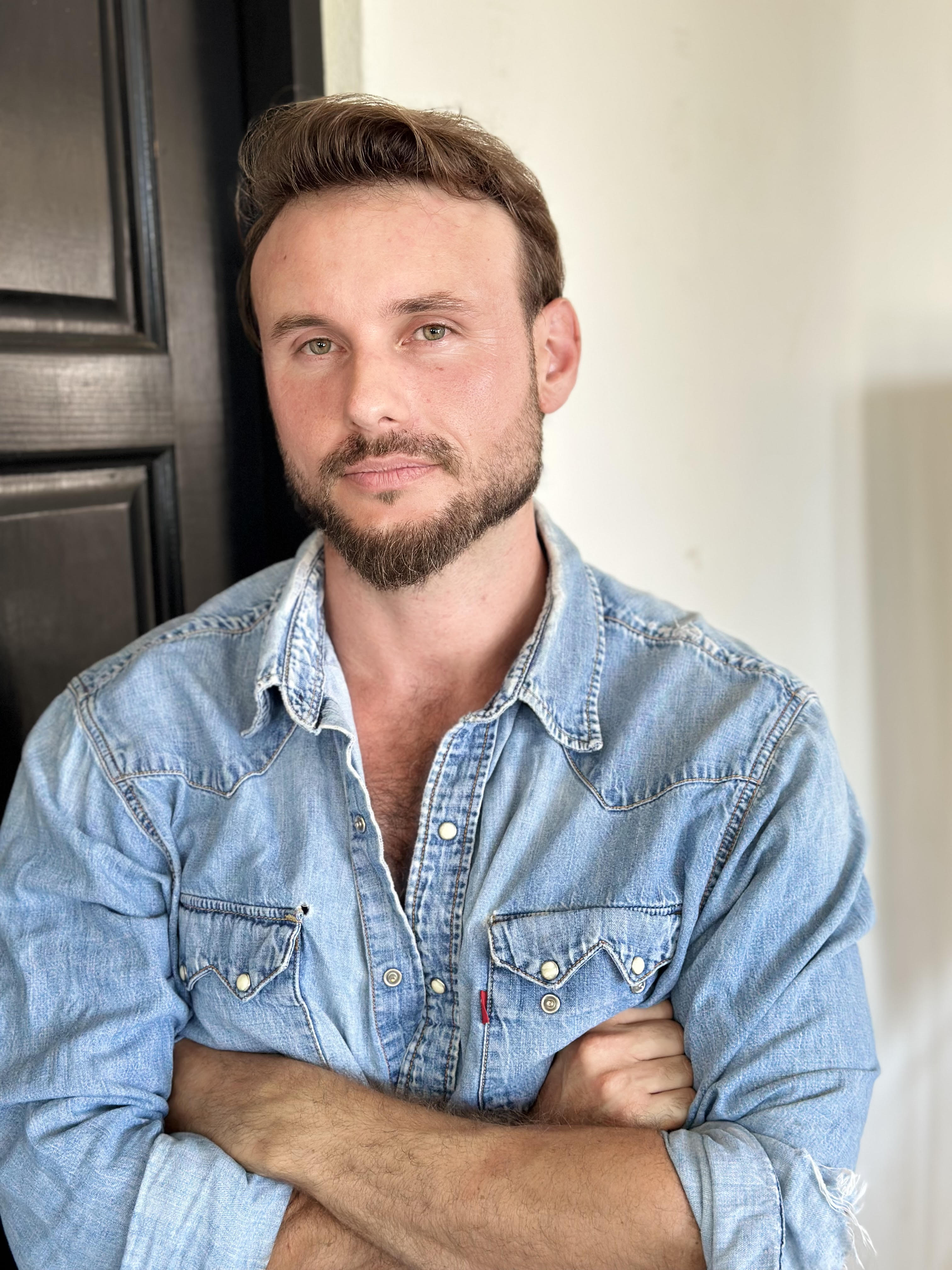
About this episode
Clarissa Hastings lost her mother while pregnant, raised herself on grief and faith, and spent 25 years helping others do the same. In this episode she breaks down why we keep going back to pain, the three minds that run our lives, and how to keep your vessel full.
Episode notes
- 00:00Welcome and guest introduction
- 02:22Clarissa's breakthrough moment: losing her mother while pregnant and standing on her own two feet
- 03:30What her mother taught her: leave people better than you found them
- 04:30The professor who told her not to give up at her lowest moment
- 05:04The healing journey and why we always divert from it
- 06:30Writing The Healing Basket and taking a pause to deal with pain
- 07:30Losing her dad at 69 and finally grieving her mum for the first time
- 08:30Why people go back to destructive behaviours during grief
- 10:47The million dollar question: why do we keep going back to what hurts us
- 11:30We go back to what is familiar and why that is not weakness
- 12:00How children normalise abuse and why it follows them into adulthood
- 13:00The three minds: emotional, logical, and wise and how they develop
- 14:30Why people in their fifties and sixties become more successful
- 15:12How to break the chains of the familiar and redefine your set point
- 16:22Validate the feeling, manage the thought, change the action
- 18:00Taking captive our thoughts without suppressing what we feel
- 19:00Teaching children to regulate their emotions without fixing everything for them
- 20:35The Let Them theory and why consulting parenting beats helicopter parenting
- 22:00Sitting with a dysregulated child until they were ready to talk
- 23:32Burnt out parents who have nothing left to give
- 24:30The free parenting class she volunteered for surrounded by people who had to be there
- 26:00The two kinds of parents: those whose children know they are loved and those who are not sure
- 27:00Keep your vessel full: how Clarissa pours into herself so she can give
- 28:00Husband diagnosed with terminal cancer, two grandchildren, two jobs and still going
- 29:30Love languages and the day she told her daughters her husband did not love her anymore
- 31:05Who is God to Clarissa and why she takes him to McDonald's for coffee
- 32:00Working as a chaplain and the dying man who asked: does God love me?
- 34:00God is in everyone and everywhere. We just have to notice.
- 35:44How to strengthen your relationship with God when the noise of the world has drowned it out
- 37:13The keys to healing grief from 25 years of walking beside people in pain
- 38:30Baking a cake for her mum every birthday and the moment her granddaughter said I did that too
- 40:00Co-regulation, faith, and science: why prayer reduces inflammation and calms the nervous system
Chapter titles and timings from the published YouTube description.
From the conversation
Excerpts from YouTube automatic captions. They may contain transcription errors. Play a timestamp to hear the original conversation.
Clarissa's breakthrough moment: losing her mother while pregnant and standing on her own two feet
just a little girl with big dreams, I I didn't really know how to get there. I didn't have a lot of opportunities. I I grew up with very humble beginnings. And um it wasn't until I lost my mom. I was pregnant when I think I was really thrust into the world and I had to stand on my own two feet. Um I lost her young. She died tragically. She was in a car accident and um I had to make my own way. I had to figure things out myself. I had to problem solve. But my ...
The million dollar question: why do we keep going back to what hurts us
go back to unhealthy relationships is because it's familiar. Many times we um when we are in you know very unhealthy relationships when we are children for examples that's what we know that's what's familiar. So as we grow up as we start to develop that is what's we normalize that. So sometimes um you know when when we are with someone who is is abusive like let's say someone's abusing us as children um as children first of all we are um developing our minds and we we magnify everything. So as little children children magnify everything that they ...
Validate the feeling, manage the thought, change the action
we have to allow people to validate their feelings whatever those feelings are and allow them to think their thoughts whatever their thoughts may be and then change their actions or their behaviors that's the change and I think that when um you know I think because I I'm I'm believe in God and I think that God doesn't say don't feel he says he says you know just to be aware of our feelings we have to watch our feelings we have to be careful careful with our feelings. Um, and then when it comes to our thoughts, you ...
The free parenting class she volunteered for surrounded by people who had to be there
I I always I always think about what can I do better to show you that I love you when they don't feel loved. So, it's not about being a good parent or a bad parent. It's about thinking about how can I I demonstrate my love for you. That's what I I think about. That was the that was the best parenting class I ever went to, by the way. It was just so great. And I think that when I think about parents, I I tell them, keep your vessels full. I am um you know, I'm a ...
Working as a chaplain and the dying man who asked: does God love me?
don't always step into a church, although I do have a church that I attend every every week. I sometimes he um our minister has an online church and I've had to do that since my husband has been diagnosed with cancer. So, we watch church together online. Um, I read lots of books. Um, and I, you know, like I said, I go I go have coffee with God. Um, I like to listen to the birds singing. I can hear them in the background singing. Um, I stay in tune. I sing to God. I write music to ...
Read the episode transcript
YouTube automatic captions. Names, punctuation and wording may contain transcription errors.
Welcome back everybody to the breakthrough moment podcast where we interview successful entrepreneurs and investors and ask them what is their biggest breakthrough moment in their career. The moment that changed it all and took them into the next level of success or impact or insight and as they share that moment with us, us at home can have those or similar breakthroughs as well. My name is Zach Dean with special guest Clarissa Hastings. Are you there Clarissa? Where are you tuning in from? Um, Rio Rancho, New Mexico. >> I've heard it's a beautiful part of America. >> It is very beautiful. New Mexico is the land of enchantment. It's beautiful. We have nice weather, beautiful mountains. Uh, it's it's just um warm all the time. It's just a nice place to live. >> I'll put it on my list. I did a like 18 stakes last year, so uh that wasn't one of them. But uh I'm really excited to introduce you to everybody. Thank you for joining me. Let me do give you a quick little introduction and then uh we'll dive straight into your breakthrough. Okay. So, most people know her as a therapist. Her grandchildren knew her as a grandma honey. And that tells you everything about Clarissa Hastings. Raised and born in North New Northern New Mexico, Clarissa spent her childhood on her grandparents ranch cooking with her grandmother and soaking up the values that shaped who she would become. That upbringing became the foundation of over 25 years of helping children, teenagers, adults, and couples heal from life's most painful experiences. She has a master's of art in counseling with a background in biology and chemistry. She works across Gutman therapy, grief therapy, art therapy, CBT, DBT, and play therapy. She also soon will publish and be the author of a children's book, rhyming book about grief and loss written in honor of those memories with her grandmother. This is beautiful. So, I'm really excited to introduce you to everybody. Welcome to the Breakthrough Moment podcast. Let's start with your breakthrough moment. Let's dive into that first. >> Well, you know, when I was in fourth grade, I always wanted to be an a teacher, a counselor, an author, and an opera singer. I mean, that was something. It was a dream. I I dreamed big. And uh you know, being a a a girl, just a little girl with big dreams, I I didn't really know how to get there. I didn't have a lot of opportunities. I I grew up with very humble beginnings. And um it wasn't until I lost my mom. I was pregnant when I think I was really thrust into the world and I had to stand on my own two feet. Um I lost her young. She died tragically. She was in a car accident and um I had to make my own way. I had to figure things out myself. I had to problem solve. But my mom gave me a lot of wisdom. She gave me a lot of insight. And um I just decided I was
going to to do things. I was going to make my dreams come true because of you know she used to say you know leave people better than you found them. And she used to say you know everyone's a teacher. Some people teach you how to be and some people teach you how not to be. And what did you learn today? And those were the things that I took with me to start my career. And um and so it was it was a very big challenge. And I think that um you know I think having challenges and and persevering um you know having faith and um and depending on people looking for people who would give us opportunities. It's really important to find those people because there are people who are so kind and I believe in in in people who are kind and um and those are the people that we need to look for to help us to guide us and I had a wonderful professor Dr. Ferrar who guided me uh at the time that I lost my mom and uh she really put a lot of posit positive words in my head and uh she told me that I could do this. I she said not to give up and she thought I would be a great therapist. >> Amazing. And here you are 25 years later, new book, writing music, all these incredible creative things and uh a massive community of people around you. So, I'm really curious, what was the exact moment? Was there a moment throughout that time where you were like, that was a definitive moment. My life was going this direction. I had no intention of changing. And then boom, this happened. Is there a specific moment? Real quick before we continue, a brief message from today's sponsor. If you're an entrepreneur wanting to grow your personal brand, authority, and business through podcasting, then check out find apodcast.io. As you know, the biggest entrepreneurs in the world, they book these massive podcast tours before a big product launch or an event or book because podcasts build trust faster than anything else online today. So, it's find.io. io. It helps you connect with a specific podcast in your niche. It writes the pitch. It follows up in this easy CRM. It truly does save time. So, you just show up, do the podcast, and your business grows. If you're curious to learn more, book in a demo at find aodcast.io. Now, let's get back to the episode. >> I think that once when my mom died, I I had to put myself on a healing journey. And I think that when we are on a healing journey, we divert. So sometimes we get off that healing journey and um because of the trauma that we suffer and um we cope in unhealthy ways and then we get back on the healing journey and and that's where we meet people on that healing journey. They help us um like Dr. Ferrar and I have I've had people on
that healing journey my whole life since I was in first grade. you know, my my first grade teacher and my fifth grade teacher and um you know, my my algebra teacher. I mean, there were so many people that were on this healing journey with me and and we divert from it sometimes. And I think that um when we go through life on this healing journey, we have to realize that we're going to divert from it, but we always have to find it. We have to find that healing journey back. We always have to find those people. But we always have to find our way back because if we stay off of it too long, we're going to lose ourselves and we have to keep focused on who we are and what we always wanted to do and what we what the the work that goes behind you know we have to work hard to do what we want to do in life. It um you know I [clears throat] work really hard even at 61 years old because I'm 61 and I work really hard. I I still work hard and I think it's really important that we keep working hard our whole lives and we have to keep getting back on that healing journey. >> So interesting. So interesting. It sounds like you had these incredible mentors and examples of what to do. Maybe some examples of what not to do and uh this this healing journey. So you've spoken about a couple things. I'm really curious. One is you mentioned people wanting to divert from the healing. Can you tell me a little bit more about that? Is that people like not wanting to put the time and energy into it or they think they can figure it out themselves? Like what's stopping people really committing to that healing journey from your experience so far? >> I think for me is um sometimes I needed to take a pause. I needed to take some time off um just to like like for me I had to write some books. I had to I had to cope in a different way. So I I took a pause and writing was very healthy for me. So I was able to write and take a pause and just write. So I wrote a couple of books. I wrote um a book called the healing basket which which connected me to my grandmother and my mother and um and to a lot of people who had helped me with the healing journey. But I had to divert from that healing journey just to kind of pause to kind of sit on the sidelines and to to to deal with the pain and the sorrow that I was going through. And then I was able to get back on that healing journey. And and then I took another pause and wrote letters for my mom, long since gone. And I really wanted to deal with the death of my mom because I never really I had never really dealt with it. And I was able to deal with the death of my mom after my dad died. My dad died of a heart attack. And he too was pretty young. He was 69. He wasn't much older than me. And um and he be had become one of my best friends. And that was really hard for me to lose my dad after also losing my mom at such a young age. So I just needed to take a pause. I think sometimes we also divert from our healing journey and sometimes um we might do some destructive
behaviors. We might um you know you know we might um sabotage good things in our lives, you know, and I've done that too. I I did that when I was younger. I've I've sabotaged some good things in my life. And um and it was because of the trauma. We we do that sometimes. Some people drink away their sorrows or um you know they they walk away from healthy relationships. And I think that that's that's what we do because because of our trauma. And then once we we do those things, we have to find our way back on this healing journey. We have to we have to all get on this healing journey together and walk together and find our way. You touched upon something there in terms of we sometimes go back what did you say? We we kind of go back to our trauma. We go back. Can you tell me a little bit more about that? Cuz you've got such a an incredible skill set. You've worked with so many people. You've worked, I'm sure, with some people that are going through a lot of sorrow and tragedy and chaos in their life. And you've [snorts] seen a lot of people transform. But why do people go back to their trauma? You know, you know, whether it's like a relationship that they find the same partner or like they go back to their unhealthy habits eating or maybe the business deal or they keep finding similar challenges or failures in business. Is there a crux to that? Have you found the root cause to that yet? That's the million-dollar question. >> Yeah. Well, if it's a million-dollar question, I I hope I just got myself a million dollars. I can tell you that we go back to what's familiar and and we what we go back to what we know. So what happens is the reason we go back to unhealthy relationships is because it's familiar. Many times we um when we are in you know very unhealthy relationships when we are children for examples that's what we know that's what's familiar. So as we grow up as we start to develop that is what's we normalize that. So sometimes um you know when when we are with someone who is is abusive like let's say someone's abusing us as children um as children first of all we are um developing our minds and we we magnify everything. So as little children children magnify everything that they that happens to them. It's everything in life is magnified and so they're magnifying their life. And so if somebody's abusing them and they normalize it, by the time they're teenagers and young adults, that becomes normal to them and it's familiar and they want to stay with what's familiar. Um, a lot of people that come to me, they remain in unhealthy and toxic relationships not because they want it, but because it's familiar. because
they've normalized what's familiar. And when we're children, we also um we also use our emotional mind. We have we have an emotional mind. And this is this is DBT therapy, by the way. But we have an emotional mind. We have a logical mind. And then we have a wise mind. And these should all be used, you know, at the same level. Like 33% 33% 33% we should be using them. But when we're children, we're just using our emotional mind. Children are very emotional. If you notice, they're just super they use they're very they're very emotional. They're they're using their emotional mind. As they get to be pre-teen and teens, they start to use their logical minds. That's what we all do. We all start using our logical minds. And as we get older, we synthesize those two and start using wisdom. we, you know, a lot of a lot of young people are very um impulsive because they haven't yet used their wise minds, you know, and I I don't judge them because I understand it. I was once a teenager and very impulsive and so um and and emotional and just learning how to use my logical mind. So, I think it's just as we get into our 50s and 60s, people become more wise. we start to synthesize our emotional and our logical mind and we just become wiser. Um I mean there's a lot of people at at my age who um become very successful, you know, because they are they have become wiser. That's why there's a lot of people who who become successful and they have a difficult time using their success in a wise way because they h they're still learning. They're still learning about their wisdom. They're still learning to be wise. and and and many times we're so hard on them, we judge them and yet we have to realize they're just they're trying to synthesize. They're trying to figure things out. So, we want to support them. We want the help. We want to guide them through this healing journey. They might they might have just been at a pause or or gotten a little lost or gone to what's familiar because you see that with a lot of celebrities. They go to what's familiar and we want to put them back on the healing journey. Let's get back on the healing journey. let me help you. What can I do to, you know, this is where I've met you. I'm going to do what my mom said and how can I help, you know, make your life better. >> That the the amount of energy that you bring here. I'm just noticing your energy, your passion, your spirit. You're like you you I can feel your heart. You really like and you said that you're 61. Like there's no way I could have ever guessed that at all. So this is uh it's so interesting. I there's so much wisdom. you have so much wisdom and um what I really really am curious about firstly this this state of familiar where we all go back to we all have some kind of familiarity that's a set point we're we're drawn back to that um I guess from my understanding when we're in a state of chaos or injury or failure
or acute stress I guess it's like a set point is kind of how I see it correct me if I'm wrong but how does someone break the chains or the confines of the familiar? Is that a is there a therapy? Is there a strategy after everything you've learned? What is the best way to redefine that familiar? So then someone's familiar could be a high level of success or impact. Is that possible? >> Yes. Yes. What I what I do is I help people um validate their feelings because the people's feelings are are valid. So many times when people when I love little children, they're so adorable. They'll come in and they'll say, "I have anger issues." And I'll say, "You I've never met anyone with anger issues, you know." And they go, "Yeah, I have anger issues." And I said, "Oh, well, what does that look like?" Or, "What is what does anger issues look like?" And they'll say, "Well, I feel angry." And I go, "Oh, I feel angry, too, sometimes." And they said, "Oh, okay." And I go, "Yeah." I go, "Everyone feels angry." you know, I want I want them to validate their anger. And then I say, well, how do you what are your thoughts about your anger? And they say, well, it's a bad feeling. And I go, well, it's a feeling. It's a big feeling, but it's not a bad feeling. It's a big feeling. You know, I said, so what are your actions when you get angry? So I think what we have to do is we have to allow people to validate their feelings whatever those feelings are and allow them to think their thoughts whatever their thoughts may be and then change their actions or their behaviors that's the change and I think that when um you know I think because I I'm I'm believe in God and I think that God doesn't say don't feel he says he says you know just to be aware of our feelings we have to watch our feelings we have to be careful careful with our feelings. Um, and then when it comes to our thoughts, you know, take captive our thoughts. We have to take captive our thoughts. It doesn't say don't think what you're going to think. He says take captive our thoughts. So, we have to do is we have to say, okay, well, this is, you know, when I'm drive to work every morning, I feel angry. I mean, there's all these drivers and I get angry. And I'm like, okay, get off your phone. You know, stop cutting me off. I'm thinking all these things, but I will not allow my anger to cause road rage. Instead, I will I might I might breathe. I'll turn up the music. You know, coping. It's a behavior. And then I think I wonder if the person that's on their phone, maybe they got bad news. Maybe something happened. You know, maybe the person that that pulled in front of me has to be somewhere. Maybe they're going to a funeral. You just never know what people are going through. And so, you know, we have to learn how to manage our own feelings. It doesn't mean I don't feel angry. It just means that I have we have to manage our feelings. We have to manage our thoughts. Um but we don't have to we don't have to take our chaos out on other people. We have to just manage it. So that's what I
teach people how to manage their own feelings, manage their own thoughts, manage their own chaos. But they're not responsible for managing other people's feelings, other people's thoughts, or other people's chaos. I like when you said before is that we're we're still fig trying to figure out different parts of our life and we haven't then it kind of like those three minds really help me to understand is that even an adult who thinks or perceive or is perceived or kind of comes off in a way and myself there's parts of my life I'm still figuring out you know I guess maybe at all stages of development we're always just trying to figure it out you know and I think it's okay to go through that it's okay not to have it all figured out straight away, right? Um, what I'm really curious about is, you know, for parents who maybe are trying to help their children develop those three minds, what can parents do to support them? You mentioned a great little strategy there with the feelings and speaking into that and validating it and getting them to speak into this. Are there other things they can do to, I guess, support their children's development in those emotional, wisdom, and and mental minds? Is that those the three? >> Yes. I think um I'm reading a really great book, Theory of Let them. Now, in in the um in the safety of our home, we sometimes have to just let them not not let them not entitle children, not not enable them, but just let them make mistakes. Let them learn from their mistakes. Let them problem solve. Let them figure things out themselves. um you know we don't want to be helicopter parents. We don't want to be um you know militant parents. We want to be like consulting parents. Like that's love and logic is like let me let me help you learn. Let me help you problem solve. Um, you know, if a child is is traumatized, sometimes a child has who has been traumatized and as a counselor, if they call me in when I was an elementary school counselor and they would call me into a room and they would want me to to do something and I would just sit there until the child got their energy out and then and then the child would look at me in tears and I I would say, "Okay, are you are you finished? Are you done?" And the child would cry and I'd say, "You want to go talk about it?" And I think that I let them calm down, manage their own feelings, you know, and I think that we have to allow children to manage their feelings. We have to teach them to manage to to regulate their own feelings, their own thoughts. We have to help them learn how to do that. You know, how can I help you? What can I do to to be there for you? What do you need? You know, and and a lot of times when I ask children that or teenagers that, they say, "I don't know." And I said, 'Well, let's figure it out together because I do want to help you. I want to help you with these feelings. I want to help you with these thoughts. And as adults, that will, you
know, instead of feeling uncomfortable with what children are feeling or thinking, we need to help them through that. I I think if we help them through it, it's it's going to it's going to um it's it's going to it's going to it's going to help. We're not we're not I think we would have less children um be disregulated with emotion and anger and rage. I think if we listened and we heard them and we helped them problem solve in a way that wasn't destructive, it would be a better world. >> I can 100% 100%. But we live in this world where there's so many distractions, so much stress, you know, there's emotional dysregulation from the parents and probably at work and everyone's drained and exhausted and things like this. Like what do you say to the parents who are just like they've tried everything. They're really, I guess, at the end of their their capacity. They're maybe burnt out and they just don't have that time to even, I guess, be present with their kids and things like this. What is that? bad parenting then you know like how do how do how do how do parents really start to to bring the the power back so to speak if if they're feeling out of balance what advice do you have for them >> you know I don't like to put labels on people like that's a bad parent that's a good parent you know you know I think that I think I think and I I'm going to I'm going to share a story because I I didn't have my my parents you know because they died young so I wanted to learn how to be a good parent, how to be a great parent. I just wanted to be a great parent. And so I was a court-appointed special advocate um for a few years, which means I would go to court for children in foster care. And so there was my uh director and she had a free parenting class because I just wanted to go to a free parenting class. So I walked into that free parenting class and I sat down and I was a um at the time I was, you know, doing like a lot of volunteer work. My children were just little. I was a I had become a new teacher. I was working at a at a private school and I sat down there and everyone in that parenting class had to be there. They had just gotten out of prison. Um they were out of a treatment center or something and I was the only one that had volunteered to be there because I got I was a little bit wow, you know, uh this is kind of sad that I think everyone should be in a parenting class. So I stayed the whole weekend and what the facilitator said is he he the first night he said raise your hand if you think you're a good parent and not one of them raised their hand. So I didn't raise my hand because I don't want to you know I don't want to raise my hand cuz you know nobody was saying you know nobody said I'm a good parent. So I said well I guess you know I'm not going to raise my hand either. And he said I'm glad none of you raised your hand because there's only two kinds of parents in my opinion. He said, um,
there's parents whose children know that they love them, and there's parent and there's parents whose children don't know if they love them. So, go home tonight and ask your children, do you know that I love you? And, you know, I really kind of that that kind of stuck with me. that stuck with me throughout my parenting, even now as a a parent of grown children, because there are times there are seasons when my children know I love them without a doubt, and there are seasons when they're not sure, you know, and and I think as a parent, um I I always I always think about what can I do better to show you that I love you when they don't feel loved. So, it's not about being a good parent or a bad parent. It's about thinking about how can I I demonstrate my love for you. That's what I I think about. That was the that was the best parenting class I ever went to, by the way. It was just so great. And I think that when I think about parents, I I tell them, keep your vessels full. I am um you know, I'm a working mom, a mother of two. Um I have um a husband who now has terminal cancer. I have two grandchildren. I work two jobs. And I keep my vessel full because I could not give without my vessel being full. So I do take care of myself. It's not selfish to do self-care. I go on long walks. I I pray. I cry. Um I go, you know, I go work out. Um I write. I journal. Um I take care of me first so that I can give to others without expecting anything. And so when parents come to me, I always ask them, are you taking care of yourself first? Are you keeping your vessel full? That would be my advice to parents. Keep your vessel full. >> Yeah. Easier said than done. But I also believe that we live in a world where we have access to so much amazing information. If we're stuck in a certain area, we can really transform a lot quicker than ever before. Um, and yeah, you touched upon some amazing things there. But what I'm really curious about is this what you mentioned is is showing love and and and how can I demonstrate my love to you which is a really powerful question because I think everyone or from your experience from my my awareness is that everyone experiences love in different ways whether it be words of affirmation the love languages right and so I guess it might be a tricky conversation to have because cuz if a parent believes like oh no I am showing love but then the kid goes because I don't feel love from you, then there could be like this big disconnect, you know? But I think asking that question is so so important. Hey, without answer asking that question, you could just be shooting in the dark. And um yeah, >> well, you know, my my love language is are words of affirmation. I have kept every letter, every everything that my students have given me, I've kept in in binders, and my my children are like,
"Mom, what should we do with these when you die?" And I'm like, "Bury them with me because they're so important to me." So, I mean, when my husband, you know, he he tells me, "I love you. You're beautiful. You're, you know, you're smart. You know, we we do this almost every day." But there have been times when he hasn't said these things. And one day, I was sitting down with my daughters and I I told him, "Your dad doesn't love me anymore because he hadn't told me words of affirmation." And so, they looked at me and they said, "Well, um, he throws the trash. He's been working on your car." They were telling me all the things that he does for me cuz his love language are acts of service and he was doing all these acts of service for me and they said, "Mom, he loves you still." >> Wow. They're switched on kids. Hey, they're switched on kids and it is >> Yeah. Go ahead. >> No. Yeah, you you go. >> No, I think I think we have to recognize that like you said, we have to recognize the love language. >> Sure. You you mentioned that you are a woman of faith and God and prayer and things like this. Um who is your God? >> You know, my God is Gosh, I'm going to get emotional, but my God is my best friend. Um I see God the way I see my dad. Very reasonable and approachable. Um I sometimes go to a restaurant. Sometimes I've been known to go to McDonald's and buy my God coffee. And um I'll sit there and I'll read the Bible. I'll read the Christian Bible. I like different versions of the Bible. I I like reading the Bible. And that's how he talks to me. And then the way I talk to him is I write him a love letter or I pray to him. So that's how we talk to each other. >> Uh sometimes I'll I'll be listening to the birds sing and I'll talk to him that way because he's he's singing to me. Um, my God is someone who who is constant, consistent, doesn't change. He's unchanging. Um, there was a I was a chaplain uh for two years and I met this this man who um who was dying. He was at his his last days and he asked me to pray with him and he told me his story. It was it was late at night. But I used to work on the weekends at the as a chaplain and and his story was very sad and he asked me the question. He said, "Does God love me?" And he was dying alone and it was a beautiful night. The stars were out. The moon was full. The sky was beautiful. It was a beautiful New Mexico night. And I said, "Look at the sky. God made this just for you. Of course, God loves you." We both cried. And then he said, he asked me, "Will you pray with me?" And we prayed. And um the next weekend I went to to see him and he was already gone. And every time I would meet with parents or or anybody when I when I met with people or um you know when I when I became a a a teacher and a counselor and I met with people or or no matter what my job was or um who I met
at church, every time I would think I would meet with them and they might ask me, gosh, am I am I lovable or does God love me? or they would I the answer was always the same. Of course he does. Sometimes we learn things from the most unlikely people and it stays with us forever. >> Amazing. Beautiful. Thank you so much for sharing that story with us. Yeah, it's those little moments where the synchronicities, the serendipities, the ability to listen and uh take in those moments, it's so important. They make such an impact. And yeah, that's beautiful. It's an amazing story. Life is precious. I have the same God as you. And uh I'm always in awe the more time I spend in silence in prayer. I've never written my written a letter to God though. That's that's a beautiful exercise. That sounds really interesting. Um yeah. Amazing. And so you're juggling a lot. It sounds like you're really juggling a lot. There's you and you have so much energy and spirit. It sounds like you're definitely fueled with spirit as well. you know, for the people out there who are maybe struggling to to to move through or try to call in more of their connection with God, how can they start to to strengthen that voice, so to speak? There's a little bit of a theme that's happening with all the podcasts I'm doing. A lot of the entrepreneurs have a strong strong affinity and strong relationship with God and Jesus and and some call it something different which is fine but how can one start to strengthen that voice? I think some people may have lost it through the noise of the world. Um what do you what do you recommend those people do? you know, I do I I do go to I do listen to uh podcasts every day, you know. Um I do I pray every day. Um I go to church on Sunday. Um and I don't always go to church in in church. I don't always step into a church, although I do have a church that I attend every every week. I sometimes he um our minister has an online church and I've had to do that since my husband has been diagnosed with cancer. So, we watch church together online. Um, I read lots of books. Um, and I, you know, like I said, I go I go have coffee with God. Um, I like to listen to the birds singing. I can hear them in the background singing. Um, I stay in tune. I sing to God. I write music to him. Um, I just stay connected to God. I He's He's my best friend. And um and I see God in people. I think it's important to see that God created everyone. Every person that I meet, I see I see God. I mean, God's in everybody. God's in everything. He's in He's everywhere. We just have to notice >> 100%.
100%. You you talk a lot about grief. You've spoken about the different therapies that you have uh or worked with and the different modalities. What have you noticed are the fundamental practices to help someone move through the grief? Um, uh, there's different philosophies and different, I guess, systems on how to do it. Maybe there's it's different for everybody. I'm not sure, but from your experience, what are the keys to, I guess, healing grief? >> Well, you know, I tell people, for me, because I think grief is different for everyone, but for me, grief has taken a lifetime. I'm still grieving. I like to still talk about my mom. I like to still remember her. Um, you know, sometimes, um, we paint rocks in their memory or we, um, we talk about things that we remember about them. We talk about the, um, you know, the stages of grief. Um, we talk about the feelings, the roller coaster of grief. You know, there's so many different um ways of dealing with grief, but when I work with people, um I allow them to cry. I tell them it's okay to cry. Even the sky cries when it rains, and then it feels it just just that after a rain, it just feels so much better. Um you know, I walk in the journey of grief with them. And I let them be sad. I let them laugh. They they remember funny things about the people who die. Um, I let them be angry with the person who dies. Sometimes they're angry and whatever they feel it's okay. And, uh, what I do for my, you know, when I think about my my my parents is, um, I bake a cake or I'll buy a cake for my mom every year for her birthday and my dad. And I remember one thing about them. And it's so funny because this year I remembered something that my my mom's did did when I was a little girl and my granddaughter said, "I did that, too." I mean, my mom showed me a lot of grace for something that I did that wasn't really it was just something that I did. And she said, "I did that, too, Grandma." She was so happy that, you know, it was just beautiful. It was a beautiful moment. >> Yeah. I think everyone is just doing the best they can with what they have. And I recently uh met a man who has a lot of research on co-regulation and how co-regulation is one of the best things we can do to reduce stress in our nervous system. We are social beings, right? We need connection. We need to belong. We need to have that community. And I asked him, I said, "What's the connection between reductions in stress, co-regulation, and faith?" And he said there's a huge boost of the reduced factors for inflammation a massive reduction in inflammation when
we pray when we have that deep level of connection because to connect with God is a level of and it's measured scientifically now for regulating the nervous system relaxing the nervous system bringing down that cortisol whether it's taking your God out for for a coffee or having the moment to write a letter or reading the Bible. Bible or praying and being in silence or singing to our God like we are not alone in those moments. And that's that co-regulation as we're connecting two people together to or two together to to create more health and wealth. You know what I mean? So it was just a really interesting kind of statistic I learned the other day and that's all coming out now more and more and more and whether that's you know on the on the list exercise and food was a lot lower to reduce stress. It was you know it was literally chatting to someone that you love and being with your loved one like your partner and being in love and cuddling. And then it was number two was God faith and prayer. It's so interesting. So interesting. So super interesting. So, I'm really curious um you know the the theme of the podcast is around the breakthrough moment. If you were to challenge the audience today to have a breakthrough, something that you've learned from your journey, something that's a really great challenge that you'd love to suggest to everyone to do so they can have a breakthrough in their life this week, this year or today. What would that challenge be? Well, you know, um I I believe that um there has been research that we are 99.99% alike in every, you know, genetically, but there is a small percentage that is just us that no one else has. I'm still discovering mine and I want to encourage everybody to discover theirs. There's something unique, different about all of us. And one day I'm going to figure out what mine is. And I want to encourage everyone to figure out what that, you know, small percentages of there's that uniqueness that God made only in them. And to know that, you know, that God has a plan just for them. >> Beautiful. I uh on on the back of that, we are beautiful. It is a miracle to be alive. It is so rare to be here on this planet. I did a post today. I'll just kind of read it out to everybody. Um, you are a one in the power of 2.68 600 0 million millionth miracle. You know, the the mathematical probability of you existing is so close to zero, it might as well be impossible. Every ancestor you've ever had had to survive, had to find each other, had to choose each other, and we went through wars, famines, oceans, and different centuries. And then the odds are totally against us. They're so enormous. They're so enormous. They don't even have a name. And yet here you are breathing, thinking, feeling is that's not nothing. That's the whole point. Act like it. God knows
that we're special for a reason. And we should act like it. So it's interesting that you you started to speak like speak from this um point today because yeah we are we the moment that we realize that life is a miracle and we're just so grateful to be alive is really where more miracles start to happen you see that. So, we've covered so many different points here today. Whether it be on the different minds, whether it be communicating and allowing us to feel valid in our feelings, whether it be around parenting or coping and trauma and pausing and faith and healing. Do you have any final comments today, Clarissa? I believe >> could I read a little excerpt of my story of Grandma Honey Firefly? Okay. See, mommy, where did Grandma Honey go? Will you please tell me? I really want to know. I remember that one day when she walked out the front door. Ever since that day, I haven't seen her anymore. Mommy answered, "Grandma honey once told me that one day she would die. But on that very same day, she would become a firefly. So when you see the firefly and then it suddenly disappears, it's her way of reminding us that she is very near." >> Beautiful. Thank you so much for being here. Thank you for sharing your pearls of wisdom. I'll link all your links around the video here for people to connect with you and get your book and everything like this. And everybody at home, please share your breakthrough moment in the comments below. What did you learn today? Please like, comment, and share. And please share this with somebody else who would really benefit from hearing today's breakthrough moment podcast. We'll see you next time on the Breakthrough Moment. Everybody, thanks for tuning in. See youa. Thank you so much. Bye-bye.