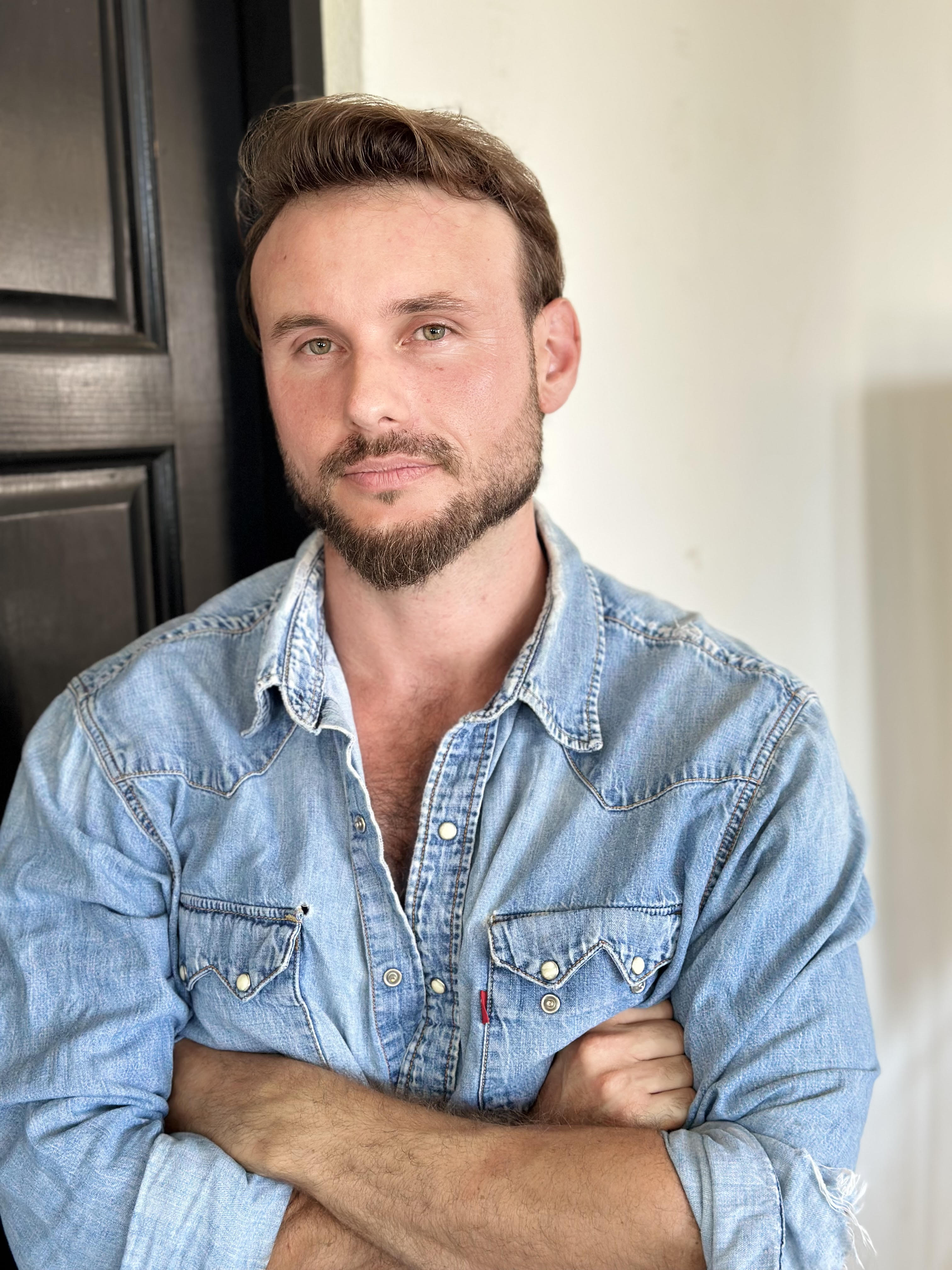
About this episode
What if you don’t need an hour of meditation to manage stress — just 60 seconds?
In this episode of The Breakthrough Moment Podcast, Zac Deane sits down with stress strategist, keynote speaker, and author Heidi Horne to explore why we become addicted to being busy, how stress shows up in the body, and how her One Minute Reset can help you regain control throughout the day.
Episode notes
- 00:00Welcome to The Breakthrough Moment Podcast
- 01:36Heidi’s biggest breakthrough
- 03:52The accident that forced her to stop
- 04:49Realizing she was addicted to being busy
- 08:13How to recognize your stress signature
- 11:34When stress starts controlling you
- 17:54How your morning and night affect your stress
- 21:05Why we wear stress as a badge of honor
- 25:22Psychological safety and speaking up at work
- 41:39How to interrupt stressful thought patterns
- 43:21The One Minute Reset explained
- 46:33Simple 60-second techniques you can use anywhere
- 52:29Heidi’s advice for your next breakthrough
Chapter titles and timings from the published YouTube description.
From the conversation
Excerpts from YouTube automatic captions. They may contain transcription errors. Play a timestamp to hear the original conversation.
Heidi’s biggest breakthrough
>> I think for me is I've obviously been in the sort of wellness space for a really long time. I have come from, you know, teaching mindfulness, meditation, yoga originally and then working more into mindset coaching and um corporate wellness. And I for I had my own personal um moment that allowed me to actually start to um walk the walk rather than just talking the talk. And this is when I realized that people don't need you know all this information and don't need all this uh big things to do and not everybody can you know ...
Realizing she was addicted to being busy
normal. And I kind of had this aha moment, you know, sitting every single day going, why am I not happy? Why am I not in, you know, just living as I I teach everybody else? And at that point, because I was just being still all of the time, I realized that I actually got my dopamine hit from being busy and I was addicted to busy and I was I had stress wide in inside of me. And you know, as they say, by the time you get to 35, um 95% of your actions, your beliefs, your ...
When stress starts controlling you
like an architectural plan or a business plan, but for your life. And so it allows you to take and capture those big ideas, those those amazing thoughts you have and to turn it into a proven plan of action. And so if you want to stop guessing and start building your future intentionally and consciously, go to the lifeblint.io to learn more. Let's go back to the episode. >> Yeah, I stress is always going to be around us. We can't have an off switch and just go, "Okay, that's it. I'm not going to be stressed anymore." You ...
Psychological safety and speaking up at work
lot of the time unfortunately people in the workplace aren't doing that. It's easy to get into the same rhythm and routine, which there's a lot of productivity that can happen from that, but also we get stuck in certain disempowering habits and states and and routines or or empowering, you know, depends who we're hanging out with. But if we're in a in a workplace and we're not feeling okay, sometimes it can be hard to speak up. Okay. So, what do you say to those who who are struggling to speak up, was struggling to maybe catch the ...
The One Minute Reset explained
stating, I mean, I'm I'm a big believer in affirmations, but affirmations without belief and affirmations without feelings and affirmations without um visualization is just is just words. So, um you know, changing that state by recognizing what's in your mind is is super powerful. >> And is this where the the one minute reset comes in? Is this going to be helpful to help reset those thoughts? And >> yeah, let's dive into that. >> Yeah. [laughter] >> Yeah. So, I mean, some people think, oh, you know, you know, I wrote the book and they're like, so there's ...
Read the episode transcript
YouTube automatic captions. Names, punctuation and wording may contain transcription errors.
Welcome back everybody to the breakthrough moment podcast where we interview successful entrepreneurs and investors and ask them what is their biggest breakthrough moment in their career. The moment that changed everything and took them into another level of success or impact or insight and as they share that breakthrough moment with us at home breakthroughs as well. My name is Zach Dean with special guest Heidi Horn. We finally did it. Thank you for joining me. How are you today? >> Amazing. Thank you for making this happen, Zach. Yeah. No, likewise. You've been flexible. You've been traveling the world. I finally was able to to make this happen. So, let me give you an amazing intro. Tell everybody why they should listen and then we'll dive into your breakthrough moment. So, everybody at home, think about the last time someone on your team was clearly not okay and nobody said anything. That ordinary Tuesday is what Heidi Horn has built her entire career around. She's a keynote speaker, stress strategist, and author of the one minute reset published by WY. As seen on the morning show, Today, and the Herald, these are Australian TV shows. She has spent nearly 20 years giving leaders and teams tools they actually remember and use when it matters most. Not just a are you okay day, but every single day. Stick around because Heidi is going to reveal the one minute reset and why one small tool consistently changes everything. I'm down for that. That sounds like a breakthrough moment for people at home. Heidi, welcome to the Breakthrough Moment podcast. What has been your biggest breakthrough moment? >> I think for me is I've obviously been in the sort of wellness space for a really long time. I have come from, you know, teaching mindfulness, meditation, yoga originally and then working more into mindset coaching and um corporate wellness. And I for I had my own personal um moment that allowed me to actually start to um walk the walk rather than just talking the talk. And this is when I realized that people don't need you know all this information and don't need all this uh big things to do and not everybody can you know come along on a just come back from a Italian weekl long yoga retreat which was amazing but not everyone has the time to do things like that and what I did is I worked out instead of you know sharing all these big ticker items of about wellness and about happiness and about you know living your best life and did the catalyst of that. So, you know, really what was stopping people from being their hap, happiest, healthiest, most productive self. And the number one reason is stress. And unfortunately, um stress is on the rise. Um you know, I have delved really deeply into the
statistics that are not just here in Australia, but um you know, globally as well. And when you think about it, stress impacts every aspect of our life. impacts our physical health, our mental health, our relationships, our productivity, our work, our career, um our sleep, every single aspect. And I believe if you can start to control stress rather than stress controlling you, then you have the power to change your entire life. and rather make it complicated. Um, coming up with that one minute reset which was my I suppose most aha moment of my whole 20 years was the thing that really broke through for myself and for others as well. >> Hey, brilliant. Was there an exact moment that that popped in? Uh well I had the the moment that really it became clear for me is when I noticed it on myself. So I am a big keen snowboarder. I've snowboarded for 30 years and um a couple of years about three nearly four years ago, I was in the beautiful mountains of Akaido on Christmas Eve um around 3:00 p.m. and unfortunately my bones are not as strong as when I was a gunho 20-year-old and uh had a massive crash, broke both bones in my arm, had to fly back to Australia for surgery. Um, apart from ruining my entire family's Christmas and our 3-week holiday, it was in the recovery that I was just sitting there, you know, with my arm in a sling and I couldn't work on my business. I couldn't keep active as I love to do. I couldn't drive. I couldn't do life as normal. And I kind of had this aha moment, you know, sitting every single day going, why am I not happy? Why am I not in, you know, just living as I I teach everybody else? And at that point, because I was just being still all of the time, I realized that I actually got my dopamine hit from being busy and I was addicted to busy and I was I had stress wide in inside of me. And you know, as they say, by the time you get to 35, um 95% of your actions, your beliefs, your habits are wired in. And I actually had wired in being stressed. And you know, as a mom, as a business owner, you know, as you know, I love to volunteer and keep active. Everyone wears stress as a badge of honor. You know, you say, "How you going?" And you know, oh, I'm great. I'm so stressed. I'm so busy. I've got all this on. And when I was in that constant state, in that heightened state of stress, I wasn't actually fully at my best, you know. So what I started to do in those
moments in those of of of recovering from the accident is at the start of every hour I'd put a a little timer on my phone, a little alarm to go off and I would and of the all the tools that I used to teach people instead of doing something for an hour or even 30 minutes, I used to do it just for one minute and I would create that beautiful high high frequency and create that um state of of bliss really in my body and that um consciousness of being in the moment and it felt so good and I then I realized this is really what people need. They don't need something that's complicated, something that's, you know, out of their control because you're about to walk into a high stressful meeting or have that difficult phone call um or, you know, something else either with your team or in in life in general. You often don't have something you can do. You don't have time to do something for 45 minutes or an hour, but you can do something in that minute. Does that make sense? >> Definitely makes sense. And if you don't have a minute, then I guess you don't have a life. Like sort out [laughter] a minute. >> Wow. You know, >> everyone can do something for 60 seconds. Yeah. Yeah. [laughter] >> Yeah. If you can't, then gosh, reassess everything. So for the person out there who's maybe 35 or whatever age and they feel like stress is a hardwired characteristic for >> their behavior around work or life or whatever, >> what advice do you have for them? You mentioned bit of a strategy or is there a way of of rewiring that within someone's psyche and behavior even if it is hardwired? Now quick before we continue, a brief message from today's sponsor. If you're an entrepreneur wanting to grow your personal brand, authority, and business through podcasting, then check out finderodcast.io. As you know, the biggest entrepreneurs in the world, they book these massive podcast tours before a big product launch or an event or book because podcasts build trust faster than anything else online today. So, it's find a podcast.io. It helps you connect with a specific podcast in your niche. It writes the pitch. It follows up in this easy CRM. It truly does save time. So, you just show up, do the podcast, and your business grows. If you're curious to learn more, book in a demo at find a podcast.io. Now, let's get back to the episode. >> Yeah. Well, I I usually think it's the most important thing. Obviously, I talk about the one minute reset, but it's also about recognizing stress and how that shows up in your body. So you know everyone has got their own I believe stress signatures and stress usually shows up in you know one of three ways it will show up uh more physically you know you'll get maybe tension headaches um you you got tight shoulders clenched
jaw maybe your immune system goes down you notice that you're getting sick more I know that used to happen to me a lot then you've also got that emotional state so you either get more snappy or irritable or grumpy. Some people, you know, yell or raise their voice more or alternatively, you might retreat and switch off or, you know, you just want to put your head under the covers. Then there's the mental state. So that's where you feel like you've got, you know, 100 tabs open in your mind. You know, there's just so much going on you can't switch off. Um, it just feels like constant fatigue. And that's the one that offers often goes into um not getting enough sleep. If you don't get enough sleep, you're more likely to get more stressed. And it's just that vicious cycle that goes around and around. So I think recognizing how stress shows up for you. Recognizing does it show up in more than one one way. Sometimes it's a combination of both. And sometimes does it show up more in the morning when you're about to look at your emails or does it show up more in the in the you know end of the day where you can't switch off when you're thinking about what's what you didn't do or what's happening for the next day. And then also noticing if it's showing up on more than a few days a week. So if we have stress and and unfortunately many people in today's society are having stress not just sporadically as we're meant to have which allows us to be at our peak performance and is actually how we're meant to live but they're having it day after day week after week month after month and when we notice this is really when we can start to go okay I'm noticing it's happening throughout the day this is what I can do to to take my control back so that it's not taking through the the rest of the day because when we're having that stress control our nervous system then it's just that spiral that's going on and on. >> So are you saying that the core root of this challenge or potential ripple of of chaos in the body and life is a result of stress? Just quickly before we continue, if you're an entrepreneur out there or a high performer who wants more clarity and direction in life or maybe you're going through some kind of turbulent transitional phase, I want to share with you something that I co-built. It's called the life blueprint system. It's an AI powered goal setting process that helps you create a personalized life blueprint. Kind of like an architectural plan or a business plan, but for your life. And so it allows you to take and capture those big ideas, those those amazing thoughts you have and to turn it into a proven plan of action. And so if you want to stop guessing and start building your future intentionally and consciously, go to the lifeblint.io to learn more. Let's go back to the episode. >> Yeah, I stress is always going to be
around us. We can't have an off switch and just go, "Okay, that's it. I'm not going to be stressed anymore." You know, that would be great. Everyone, I'm sure, has that as a New Year's resolution. that's it. I'm not going to be stressed this year. Uh stress is always going to happen and that's okay because stress is good. You know, you know, there's that positive stress. Um you're about to get on stage in front of a good group of people and you have that, you know, nervous energy that's, you know, you want to do your best. However, it's when stress we controls you rather than you controlling stress. So, uh noticing what you can control and you being able to deal with it. So, um I think the fact is that we're having more and more layers of stress coming at us. We've got AI, we've got lots of distractions. Um there's so much that we are absorbing. So, they say I don't know the this last statistic when I read about it was that we consume 74 GB of data daily, which is more than our ancestors consumed in their entire lifetime. So you're thinking about how much information that we are absorbing each day. We not everybody but around 90% of people pick up their phone first thing in the morning before saying hi to their partner or kissing their dog or you know spending time on theirelves. So we are finding first thing in the morning about something that's happening on the other side of the world in a town that we've never heard of that's adding to our stress levels. We are even though we're not physically in the workplace, if we go to an office for example, we're already there because we're looking at those work emails. We are knowing what's happening with every single person and people we don't even met because we're seeing them on social media. That's adding to our stress levels. So experts actually say we are in a distraction epidemic. And I think we get on average, you know, 65 or 64 notifications every day cuz I think a lot more than that. Those constant pings, pings, pings. So that is just pulling us in every direction. So I also think that the younger generation that's coming through, I've got two teenagers at home. Um, statistics has showed that the younger generations have higher levels of stress and they're the first generation that are coming through that actually, you know, don't know what life's like without a a phone or a device or even AI. So, they're just having that as their baseline stress levels. So, it's just going to keep getting more and more. So, I I feel personally it's more important than ever to notice how stress affects you. um stress is directly linked to six of the major diseases that causes death worldwide. You know, not to scare people, but it's um if you recon and I the statistics have changed, but it is,
you know, linked to most GP visits as well. So once again, if you think stress is linked to your physical, mental, emotional health, you know, that if you sort of delve back into it, um, a lot of the time that is why we have higher rates going to, you know, the the GPS and we've got all these other levels of of, uh, physical illnesses as well. I could keep going, but >> Yeah. Well, that's we want you to keep going, but no, that's that's the idea, isn't it? It's to recognize that there, as you mentioned, there's good stress and there's bad stress. And it sounds like there's more bad stress than any time in history. More information, more distractions, more stress about things that we have no control over. >> So, what is the solution? You know, how how do we how do we flip the switch? Is it a belief system? You're like, if there was a core belief that you could you could wish upon everyone to shift for anyone that's in a stressed state, >> what is the belief system that they're seeing the world through? And what would be maybe a more empowering belief that you wish that they you could install in their brain that would help them see life in a diff different perspective? Does that make sense? If you have a business on Facebook or Instagram, you need to learn about this new amazing AI automation tool. The question is, is your personal profile or business profile manually messaging your target audience every single day? If not, I highly recommend you do this. There's a massive ROI on that. But if you are, there's a more cost effective strategy. So, this is a unique AI software. It runs for you, your friend requests, the messages, the likes, even the comments 24/7 in the cloud. So, while you're watching podcasts like this or taking calls or while you're sleeping, it's running there in the background. Some of these people are pulling in another 5 to 20 extra qualified leads every single week on autopilot. You can experience the podcast special trial and try it for yourself today. Check it out in the show notes below. Yeah, I think it it as I said it is having those moments where you can recognize it in your body, you know, noticing how it shows up for you. And I feel that we're usually in one four one of four states of being. So we're either in mad, sad, glad, that's a good one, or fear, you know. And if you think of the amount of times that we switch on a phone or look at a device or listen to the news, it's keeping us in that state of fear. And fear adds to our stress levels. We don't really need to know about everything that's going on in the world at the same time and add that to our levels. So
I think just being really in terms of my sort of like mindset coaching that I do with people or you know how I live my own life is just noticing how I am right now and what is what is going on in here you know in in a really brief summary and asking yourself is it true you know is is what you're thinking actually true is is this actually how you want to feel right now. Um I I'm a very big believer in, you know, how you start the day is how the whole rest of the day pans out and how you spend those last few minutes at night is how you're going to sleep through the night and how you're going to wake up the next morning. So if if all that you can do is just spending that first minute of the day before you reach for your phone and that last minute of the day before you fall asleep at night, um am I waking up stressed? Am I going to bed stressed? And if you can just start with those bookends of of the day. Um, and then start to notice it throughout the day and create those little one minute moments because, you know, out of 1,440 minutes in the day, if you can just take 60 seconds sporadically through the day, it it just in a way it's like you're driving a car that's out of control down the highway. And having that little moment to recognize how you're feeling, what's going on in your head, how your body is physically, mentally, emotionally is is like putting a foot on the brake and going, "Ah, maybe I need to put maybe I need to pull over just for a moment or put some, you know, fuel in the tank and then I can get back on that crazy [laughter] road of life, you know? It's just it's just having that little reset throughout the day." >> Heidi, this sounds like a neverending thing. It sounds like it's more of a coping band-aid. Uh let's just wish for the best. Hey, like I from my understanding it's overwhelm. Let's call it stress is a belief that we believe it all needs to be done right now >> and there's like an urgency to it, right? It's like, but if I'm in a state of calm, like I'm feel the most calm after the stress, let's be real, and I've achieved and I've I've ticked the to-do lists off and I'm like, ah, I I can die accomplished. You know, for a man and and for I guess a woman as well, it's like that state and entrepreneurs, it's like we feel like that state of accomplishment >> is the top of the hill. We did it. >> Woohoo. >> And then we start again tomorrow. [laughter] Um, but also it's >> Does that Does that to-do list >> Yeah. Does the to-do list ever finish? [laughter] >> No. >> No. >> Totally. It's it's Yeah. And so then it's like this whole world or this the landscape or the narrative of the online space or or the reality of working from
home, working for yourself to to to be honest actually is more stressful, more time more not not just a 9 to5, it's like a 6 to 6 or 7 to 7 at least. Um, and it can be, but it can be wildly rewarding and earned disproportionate amounts for your time and energy and you build a team and you build leverage and you build time freedom. It's possible. That's why we're doing it, right? >> But I think it's quite overlorified and I think stress is like I'm so stressed which means I'm important. [laughter] >> It's like >> yes, >> I my life is important because I'm stressed. [laughter] It's like I'm doing so much. I'm over I got to do so much. But I think there's a shift. I think people are waking up knowing that especially some of the entrepreneurs entrepreneurs that I've met they've had heart attacks men and women and then they've had a re and then they've reanalyzed their whole life and gone holy moly I was doing >> all these things and I was walking off a cliff luckily I didn't die I'm here and the real thing I think a lot of it's around money as well don't you think it's like ah if I do this I'm going to have more money I'm going to have more money I'm wanting but I'm here in Bali some people have little amounts money and they have the biggest smiles and they're happier than people that have more money and you know what I mean like what is what are we all aiming for? So do you think there's a from the people that you've worked with how do you think they define success? Is is there a common denominator on on what they're actually aiming for? Well, I think in in what you were saying, it's I think as a society now, it's and especially I I I feel like there's been a really big shift for Australians as well. You know, people that I've, you know, been speaking to overseas are like, "Ah, Australians are so laidback and relaxed." And when I look at and work and yes some people are but here in Sydney you know there's a lot of stress people and you know people it I think if you are busy you are stressed that means you're productive and that you are a success you know and it's and it's in really as you said um a successful person is able to take that time off and put a smile on their face and relax and just enjoy life and I um I just recently did the comm part of the commamino by myself and you know without any devices and without even anybody I just went by myself and I I feel like I was the happiest I've been for a really long time because I just switched off but it made me also really clear on what I want to bring back into my life as well. So when I think that's a really big shift as well is when you're talking about and you said about um other entrepreneurs you know that have have had a breakdown. It's sometimes you got to reach that
rock bottom. For me it was, you know, having that that broken arm after the snowboarding and having that as your baseline and then really what do you want to release and then what do you actually want to bring in and you know building from there and you know I've just come away from this trip in Europe and it's it's been great because I have gone back into my business in a way clearer and calmer than I have um again. And obviously it's longer than 1 minute reset, but it it's it's just having those moments throughout the day going actually do I need to be stressed about this email that hasn't arrived or do I need to be checking the phone going why hasn't this person responded or you know oh I haven't you know made that KPI for that why is that so important to me for my selfworth you know so I think everything's that mirror of what you believe inside so if you can be uh yeah, it's about recognizing um is this actually important to my entire life and being and this you know will this make me happy at the end of the day? >> Whoops. And I think the defining factor is what you mentioned around uh pausing and stopping. Um yeah, and and I think a lot of the time unfortunately people in the workplace aren't doing that. It's easy to get into the same rhythm and routine, which there's a lot of productivity that can happen from that, but also we get stuck in certain disempowering habits and states and and routines or or empowering, you know, depends who we're hanging out with. But if we're in a in a workplace and we're not feeling okay, sometimes it can be hard to speak up. Okay. So, what do you say to those who who are struggling to speak up, was struggling to maybe catch the pattern, you know, I call it catch, you know, when when I acknowledge someone or myself for like catching, oh, that's not a healthy habit. Oh, I nearly did that, but I didn't. Ah, good catch. You know, >> is is there a way uh for those in the workplace that maybe aren't feeling okay to start speaking up and change the pattern? Yeah, I mean I think it's I think workplaces um here in Australia are becoming a lot more open to having that discussion and and having that support system. Uh though I do think there's, you know, different levels as well of um ones that make it more of that safe environment to be able to to do so. So that's what you know it's great for um incentives and and calendar days like you know what's coming up in September with are you okay day it brings more awareness in terms of speaking up looking out for each other and you know when I do talks in in corporations whether it's a keynote or workshops or deeper programs
um obviously I talk about you know recognizing your own stress signatures but recognizing it in others as well because if we aware of how it affects us um but then we notice somebody behaving in a way that is out of the norm for them um of how they usually are. Maybe they're they're turning up late each day. Maybe they're um you know more withdrawn and they're usually quite a positive person. And it's and it's about having that confidence to to reach out to others. um because not all everybody feels confident in that work environment to share you know obviously what's going on as well. So I think initiatives like are you okay day where people are all in the same room or are learning about um something in terms of mental health as a team environment. It does open up those conversations. Um what I'm a big advocate of is having those conversations not just on those calendar days like you know on the 10th of September but that it continues you know throughout the year because um yeah I I mean I think we've progressed a lot um in terms of creating those safer environments in terms of talking about mental health but I also think um we've still got a really long way to go as well And you know using it as a catalyst not just for the workplace but how people can take that home to their children or their partners or their their communities as well because [snorts] yeah there's a lot of uh lonely people out there. There's a lot of stressed people and many people are I feel you know hiding behind that mask and not really realizing how much it's wired into to them until unfortunately those big moments happen like [laughter] you know crashing in in a snowboarding or having that that breakdown and uh what I'm finding is that as I talk to people especially in in corporate positions or in you know high level or high stressful positions more and more people are in those points of having breakdowns or you know getting completely burnt out and um some industries more than others. Uh and it's um yeah I don't know in the in law firms when I've worked with them it's it's I think around 70% of you know people will be burnt out in the first few years. So this is it's it's not good, you know. It's uh people are are taught how to be success and how to work hard and how to be productive and and you know and it's expected to work those long hours, but at what cost? >> For sure. Yeah. And this is why we're having this conversation. If we weren't stressed and we weren't having uh
breakdowns, then we wouldn't be here. I could really call the podcast the breakdown moment. Um, but I wanted to be a little bit more positive, you know, breakthrough at least. [laughter] >> Positive we can do as well. >> Yeah. Yeah. Actually, it's 94% of people on the podcast say that their breakthrough moment happened from some kind of breakdown moment. >> Um, whether it's a physical, mental, emotional, relationship, financial breakdown. Uh, and within that, they had that time to flipping stop, to pause, to smell the roses, to smell the coffee, to not keep pushing through the the noise and just ignoring and suppressing and just moving. We've all been there. And there's days that I do that and I'm like, whoa, wait a second. What day is it? What just Oh my gosh, that just Oh, I should just take a breather. Oh, it's a Sunday. Oh, yeah. Day off. you know, like it's important to uh to to have awareness and and these kind of strateg You know, there's the day of the Sabbath, you know, once a day, once a week, >> switch off. No work, no talking about work, no tech, just like chill, connect, eat, relax. >> That's And when I went to Japan, >> they do the onsense, the beautiful mineral warm baths. >> Love it. Onense. >> Talk about a self-care practice that allows you to rest and have the minerals in your body. You know, in Australia, we've got the ocean and we kind of do surfing and things like that, which is really repetitive. But, you know, um Turkish, I think the Turkish culture or the Greeks had those baths as well to like it's just the self-care in the Western world, especially when I go to America, doesn't exist or if it exists, it's really expensive to go do a float tank or a sauna or a massage. You know, here in Bali or Thailand and these Asian countries, it's so cheap to get a massage, right? $10, $20. It's so cheap. And that is such a reparative thing for me when I'm like, "Oh, I'm stressed. I'm overwhelmed. I don't know what to do. I want to go have a massage." You know, like it's such a good reset. But what is the way that >> But don't you think Oh, yeah. Sorry. Go. Australia or maybe in America, we also feel guilty about, you know, taking that time to, you know, have that half an hour in onsen or, you know, go to the beach or everything like that. Um I've you know many years ran you know yoga and meditation and and mindfulness classes and pe people would feel guilty about even coming to that for half an hour or an hour each day and especially moms um having that mom guilt and you know when I used to run a lot of retreats um some people had never you know been away from their children or had that time and it was only like one or two days to dedicate that time for themselves because they felt guilty and
they felt like they didn't deserve us. So, I think that's a really big thing in Australia or in America um is that we feel like it's not being productive and we can't just completely switch off. We always feel like we have to be doing something. Um, I was just in uh in Europe, but also I spent quite a lot of time in in Italy and and Spain and you know they they literally shut the shops you know and they're all off on Siesta and you know you like going okay where's all the okay all the shops are shut and you know in Slovenia um the supermarkets were shut on a Sunday you could you know couldn't even go to the supermarket and like it's good, you know, and then when people do get together, they take their time and they have that meal and they um you know, people I would speak to, they like, oh, every night we meet our friends and we just have a drink and a chat. And for us, it's often seen as like, okay, you got to wait till the weekend and and do that and I've got to keep working or there's always chores at home or, you know, there's always something to do. Every day they're just like, "Okay, it's the end of the day. We stop and we just chat and we enjoy the food and the moment and why put all your whole meal on one plate? Let's, you know, break make it into a four course meal. It's just take taking that time to actually live [laughter] >> to actually just live >> just live people >> to be a human being. [laughter] >> But no, but it's tricky. It's tricky to to know that when the someone hasn't traveled, right? You know it now cuz you've been there and you've been experienced. You go to see it. What do you What do you mean I can't go to the shop right now? It's like where where am I supposed to shop? You know, um you know, when I was just in Georgia to go to the park um and they go to the park at nighttime and just sit there, smoke cigarettes, and just talk. I'm like, everyone's smoking cigarettes. Everyone, most people are pretty lean. there's not much obesity. Um, they're outdoors. They're connecting, you know, which is one of the most co which is one of the most stress reducing things, which is conversation, talking, and then connecting with people that you love and care about. Um, and yeah, I was amazed. You know, even at the gym, we're all doing a gym workout outside doing CrossFit, and there was the trainers there like supporting, looking in, making sure everyone's good, and they're just smoking a cigarette like while we're all training. I'm like, can you go away? I don't want to smoke your smell your cigarettes while I'm doing my burpees. So, [clears throat] no, it's it is that's that's what I mean like I think it's the definition of success and so cultural norms and it's these expectations and things like this. It's a tricky one in Australia because we also have the tall puppy syndrome. So then if you're if you are getting up the
ladder and then there is that judgment or cutting you down to size to to not stand out as the tall poppy flower. It's um every culture though has their own thing, you know, and and uh there's a different energy to each culture, you know, I've been many over the last couple years and it's like you just got to find what what suits. You talk about a lot of this this uh psychological safety. Is there a structure or some kind of format to create that? Now I think whether that's in workplace or within as you mentioned a family unit or just in like conversations in in sales and things like that is that is there a format or maybe just give people a bit of an overview. What is psychological safety and how do how do we create it? Pause before we continue. The first way we as entrepreneurs introduce ourselves when we walk into a room it's our energy right people feel that. And secondly it's our face. How healthy do we look? So, for the entrepreneurs out there who care about how they show up, I'd love to share with you. Personally, I've been utilizing some Korean skincare products now just for over a month and I had no idea about them um up until, you know, even just two months ago, but it's by far one of the best investments I've made for my skin. I feel it's literally making me look younger and it has this like glossy super fresh look. And so, this is the number one exported Korean beauty brand and skincare line in the world. The ingredients are second to none. Even pregnant pregnant women can utilize them because out there there's so many products that have toxins in them that really make our face not healthy over a long period of time. And so if you're out there and you want to match the energy that you output with how healthy you look, you can try all these products risk-f free for 30 days. If you don't like them, send them back and get all your money back. If you're out there, if you're curious, check out the link below to learn. Let's get back to the episode. >> Yeah. I mean, in a way, I think it's it's what we were talking about before. It's making sure that um I think having that awareness for those around you and creating that uh safe environment that people can feel like they if they're not feeling like they're meant to feel, you know, that they have that ability to to take the time off and to recharge. Um, a lot of the time it is in terms of mental health, but um, I think people need to be able to feel safe enough to speak out to their if they're in a work environment and to reach out and say, I'm I'm not okay and I need to withdraw. I need to take that time off. Um, and having that person to go to as well. So it it might not always be, you know, their manager, but knowing that there's always somebody there. And whether it's in a family unit or whether
it's a community unit, um whether it's in a a workplace, um as you said, connection is is so important and many people are have, you know, a lot more lonier than ever. um if I feel that if we have a go-to person that we can reach out to and we can um have that share with what's going on that is like one of the number one things that we can do to let go of of stress and I know for myself um if I look back throughout the years being you know quite vulnerable when I have had stress in my mind and I have had that overthinking and um those worries and haven't felt like I can speak out to somebody, then it just ruminates over and over and again and it just doesn't leave your nervous system and it's and it just keeps getting embedded and you know like 90% of the of the thoughts that we have are just going over and over and then you know on repeat and they're simply not true and we can't get out of that out of that rut. So I think it's really important in work environments, family environments, community environments and as entrepreneurs a lot of people are working you know in solitary environments as well. So having those uh connections, those networking that they've got somebody that they can reach out to. Does that make sense? >> Yeah, definitely. So are you saying that when there are those ruminating open thoughts that are just uncontrollable that's is that non psychological safety? Is that what you're saying? >> Is that and that's what psychological safety creates is less of that? >> I suppose what I'm saying is that we have when we have those thoughts it's having if we have sometimes we can't just do it by ourselves. So if we have somebody that we can speak to and to recognize that maybe they're not actually true cuz a lot of the time we are just talking to ourselves like that worst enemy. And if we don't have that person to go to whether it's you know a friend or a colleague um or a family member having you know maybe someone we can speak to in therapy is actually being vulnerable enough to share with what's in our mind. And so that we can know that that is probably keeping us in that stress state as well. >> So then how do you create the opposite of that? How do you create the safety? What I guess going to a friend, but you could go to a friend and maybe they're not having a good day and they say the wrong thing, it makes it worse. Like how how do we set ourselves up for those conversations to create more psychological safety? Is there is there a process on that?
H I think one of the most powerful things I think is is just having that that say that one minute reset stopping noticing actually what is in your head cuz we don't we we just go about our day and we're so busy we're so rushed with, you know, on that treadmill, you know, in that fast car. If we just stop and take a moment of what is actually playing in our head over and over on on loop on repeat and asking is is this thought actually helping or harming me? Is this thought actually true? You know what? Thinking that I don't I don't know. I'm just going to pull something out that I don't have enough money this week or I haven't made enough money in my business. Is that keeping me in that fear state? Is that keeping me in that stress state? Is that making me angry? Like actually, how is it making me feel in my body? And can I change it? And you can, you know, if if you if you take that moment to recognize what's going on and then using that to actually change it. And whether it's, you know, you know, using some breath work or using a visualization or stating, I mean, I'm I'm a big believer in affirmations, but affirmations without belief and affirmations without feelings and affirmations without um visualization is just is just words. So, um you know, changing that state by recognizing what's in your mind is is super powerful. >> And is this where the the one minute reset comes in? Is this going to be helpful to help reset those thoughts? And >> yeah, let's dive into that. >> Yeah. [laughter] >> Yeah. So, I mean, some people think, oh, you know, you know, I wrote the book and they're like, so there's one one minute reset. And I'm like, no, there's actually hundreds of them. Uh, you know, and um what I tried to do is in the book is create it in terms of different aspects. So, different things that are going in your life. you you're having trouble falling asleep or you um are low in energy or different aspects of things that that can happen. Now when I wrote it obviously I did it from my point of view and my experience and what um I have learned from you know 20 years but I also got in 10 other sort of experts in their fields. So other you know really high level people whether it's in politics or you know keynote speaking or business world and asked them what their one minute resets are what works for them and then on top of that what I did is I started to do the research so I looked at you know studies that had been done in you know universities and um you know uh research centers around the
world and why one minute of breath work or why you know a check-in on your mind actually changes your state of being. So for example one minute of mindful breathing um whether it's box breathing or 478 or two nostril breathing or all the different versions you can do especially when you extend the exhale rather than like making it longer than the um inhale that you know activates the vagus nerve. It's it lowers that stress response but you know activates the parasympathetic nervous system but also lowers your cortisol level by 20%. So 20% maybe not that much but that is when you start to notice the stress lowers both physically you know your shoulders drop your your jaw releases that you know all those 100 tabs in your mind might go down to 80 or 60 tabs you know and you know you're you're not quite so angry or fearful or sad. So um little powerful tools like that in those moments are are really are really um important. You know I know for myself if I'm about to go on stage and I I am feeling that little bit jittery or you know a little bit those thoughts start to coming in my mind or I can feel it in my physical body. I do do a visualization. I do do some breathing. I might do something physical like some wall push-ups as well. So little things that can make a big difference before I go into a big event as well. >> No. Amazing. So do you is it just the breath or is it you can choose anything like walking for a minute or meditating closing your eyes for a minute or doing push-ups for a minute or is it just the breath? >> Yes. No, there's like Oh, so visualizing um noticing your mind, you know, switching how I call it switch the DJ. Notice how you're talking to yourself and are you talking like a worst enemy? Are you, you know, first thing in the morning are you telling yourself it's going to be a bad day. I'm so stressed. I'm so tired. What was I thinking? Or you know, actually how you're talking yourself. Switch that radio station. Um take yourself into that sense of gratitude. Gratitude. You know, I could talk for an hour just on gratitude, but gratitude is one of the easiest ways to negate that mad, sad, fearful state and bring yourself into that that grateful state. Um, breathing, you know, obviously your breath work is really important. Doing a little meditation, get outside in nature, do some burpees or, you know, move your body or, you know, do some wall push-ups. Um, hug hug somebody. Um, share a laugh. Like laughing is even if you laugh to yourself. Um, having a
smile to yourself, you're, you know, throwing that little feelood party in your brain. You're changing the chemicals. Um, super quick. There's so many things that you can do. Obviously, in a m in a in a minute, but if it it feels good, do it for do it for longer. Do it for 2 minutes. Um, sometimes even I don't know as women we get stressed because we look at our handbags and there's so much crap in you know that makes us stressed out you know one minute just do a quick blitz of that you know it feels good um throw out some things um I do that with my car like how much stuff have I got in the car and just do a quick one minute blitz of that. So um I don't know there's just so many things hug your dog for a minute. >> Okay, got it. So, it's to catch when you're feeling too stressed, stop, do something for a minute or more until your body is coming into more of a balanced state. Is that Is that the idea? >> Yes. Yeah. Yeah. Yeah. Yeah. >> And then go back to recognizing when you're >> Yeah. Recognizing when you're in that stress state, when you're feeling like everything's out of control and that stress is controlling you, then use like a one minute tool. And I give obviously hundreds of them, but really what is good is just trying a bunch of them, working out ones that work for you. Having there is your sort of like go-to ones. They're in your in your tool box in a way and you carry them around with you and using them throughout the day when you need to. So, you know, you're about to go into a really high pressure meeting and you can feel that negative chatter going in your head or you can feel your heart beating fast. What's the one that you're going to use for for that? Um, and just having that little reset before you go in so that you're not spending the entire day in that stress state. Um, and sometimes we don't need as many. Um, but [snorts] I, you know, everyone asks how to how to start. I I really think if you can think about how to start the day without thinking, "Oh, I'm so stressed. I'm so tired. It's going to be a bad day." And put a smile on your face before you get out of bed. You know, that makes such a a big difference because often we lie there and we just start to think about everything that we've got to do and we're already in that in that panic state before we put our feet on the ground sometimes. And, you know, as you're about to drive to that meeting, you know, just doing some a few deep breaths or visualizing um I like to visualize, yes, the perfect day, but also I like to visualize the next perfect moment. So if I've got something coming up, I just visualize that next hour or two hours just going absolutely amazing, you know, and this has been used obviously a lot by, you
know, high level people and athletes and and so forth as well. And at the end of the day, do a little gratitude treasure hunt cuz we, you know, often think about all the gaps that didn't go right, but you know, actually what went right, what went well. Um, and rather than just being grateful about, you know, the the big things are my business or money or my job or relationships, you know, what are you grateful for yourself? And then that starts to >> change your own self-worth and your self-belief and self- loveve. So, >> get it. >> There's a lot that you can do, but I think having a few having a few as your go-to is is really, really important, you know. Now, there's going to be people out there, Heidi, who want to connect with you. I'm going to put all your links around the video here, but from who's listening, who should reach out to you right now? >> I mean, I do a lot of keynote speaking and, you know, work with um corporate teams, but you know, anyone can reach out to me, you know, reach out by the book. Um, but I love I just love connecting with people around the world and and chatting and I'm happy to help in whatever way I can and yeah, just reach out and say hi, have a chat and uh if I can help you in any way, more than happy to. [laughter] >> Good stuff. Everybody, if you found value from today, the aha moments, the breakthroughs, please reach out to Heidi. I'll put all her links around here. Just before we wrap up, Heidi, please um you know, you've shared your breakthrough moment and which has inspired other people. You know, hopefully people can slow down and not have those injuries so they can reassess to figure out their next moves. Um thank you for sharing that. And I'm curious, what would you impart to help other people have a breakthrough today? Something they can do today, this week, this month to break through to their next level. Well, I think you know, we've talked about and you mentioned quite a few times about most people that you've had come on the show. Um, whether it's, you know, entrepreneurs or investors or, you know, other guests have had that massive breakthrough when, you know, it just it flawed them and it stopped them and it had made them think. I think we often get those little knocks beforehand. We get those little knocks from the universe saying, "Hey, can you listen to me?" And then we don't listen. We keep ignoring it and it knocks again. Hey, can you listen to me? Um so take that moment just to switch off to you know have that time for yourself and reass you know give you give yourself permission without feeling guilty just to reassess with what maybe you need to release and what intentionally you want to bring into your life and how you want to live your life um without having to in a hike for a week in the
Camino or have break your arm in snowboarding because if we don't listen and we don't take that time and we keep ignoring and we keep you know hurtling through life um we are going to have unfortunately that that big burnout or that big moment um sometimes physically, mentally or emotionally. So um yeah, love yourself and give yourself permission just to to stop get away and and I think you know I always say your inner work is your most powerful work. So um go within all the answers are within you you know of what you really want in life and you just take a moment to be still and get away from the world. it'll all be revealed. >> Yeah, 100%. 100%. Awesome advice. Thank you so much today. I uh would love everybody at home, please, if you've had an aha moment, a breakthrough moment, please put into the comments. We'd love to read them. And who do you know who would also benefit from today's message and breakthrough? And it's always great to send a podcast to someone. You can always uh impact them probably in a deeper, more profound way than having to, you know, share it. Sometimes it's it's good to share other resources, people saying the same thing that we then tell our friends, you know. So, if you share it, we would much appreciate it. Uh, any final comments before we wrap it up, Heidi? Oh, >> thanks for having me, Zach. It was, you know, in between your your travels and my travels. Um, it's been amazing to to be your guest and, you know, I've listened to you guys for a while. So, it's I'm really happy to be here and and connect with everyone. >> Awesome. It's a pleasure to have you. Thank you for sharing all the pearls of wisdom. Everybody at home, we'll see you next time on the Breakthrough One podcast. Thank you for your time, Heidi. Bye-bye. >> See you. Bye.