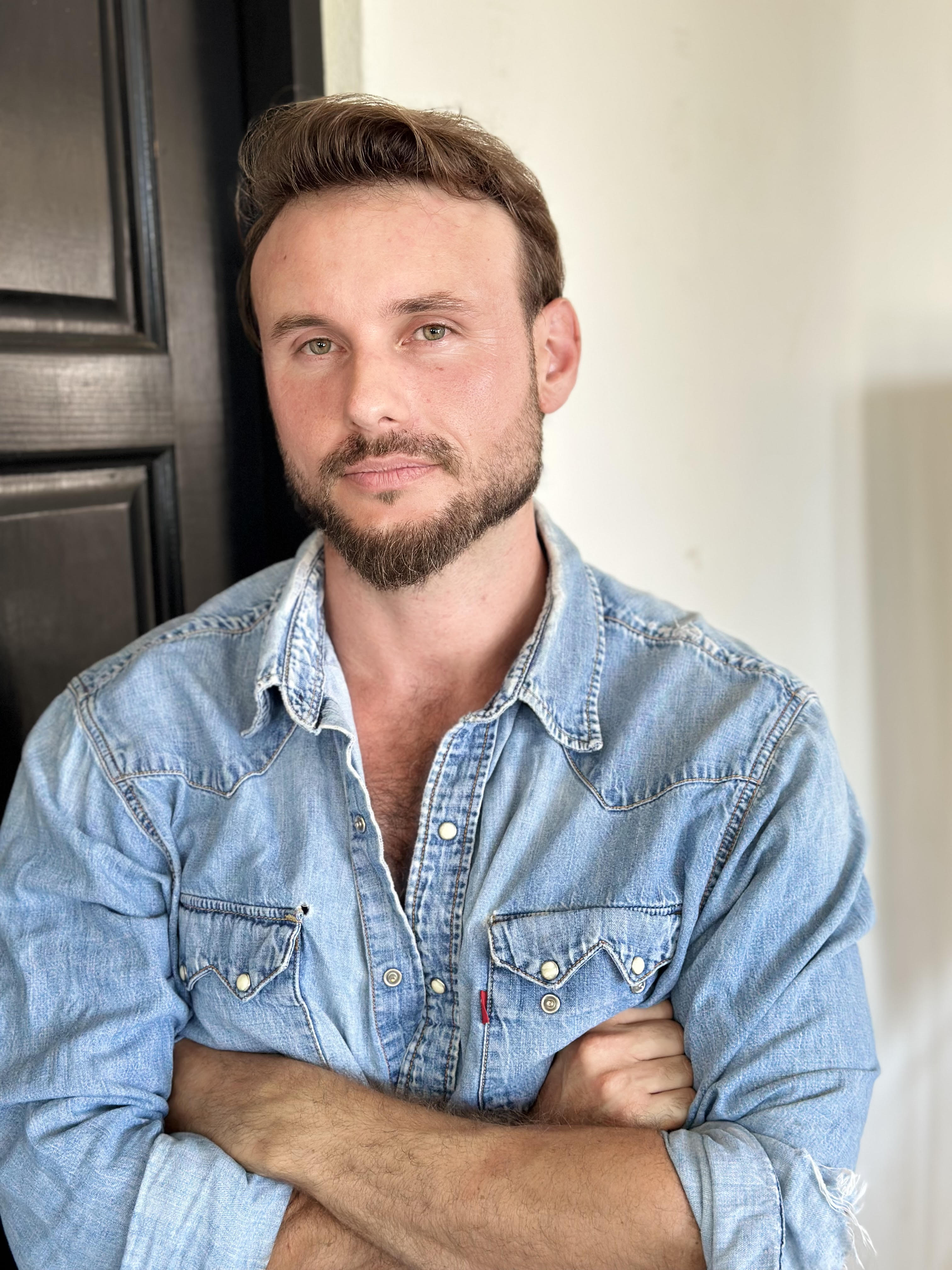
About this episode
Bubba Startz started his first podcast episode in March 2024 from a town of a thousand people in South Dakota. By year two he had 400,000 YouTube views, Content Creator of the Year, and Best Podcast 2025. In this episode he breaks down how he did it and his LinkedIn networking secrets.
Episode notes
- 00:01Welcome and intro
- 00:26Bubba joins from South Dakota, population one thousand
- 01:19The battle station: building a media empire from a small town garage
- 02:14How LinkedIn and podcasting connect people across the world
- 03:40Bubba's biggest breakthrough: winning Content Creator of the Year 2024
- 04:30How the award was a starting gun not a finish line
- 05:30Using the award to open doors and build authority from nothing
- 06:58The exact moment Bubba finally called himself a podcaster
- 07:14Meeting Jeffrey Hazlet and the C Suite Network that changed everything
- 08:30Video is king: the first piece of advice that shifted everything
- 09:45Words of encouragement for anyone starting a podcast from scratch
- 10:06The long game: understanding the cumulative effect over years
- 14:01What Bubba wishes every new podcaster knew before they started
- 14:26You are going to be bad. You are going to get better. Accept both.
- 16:00Start a show for you not for an audience
- 17:30The garage studio that looks great on camera and costs almost nothing
- 19:02Was Bubba a confident speaker growing up and where it came from
- 19:40Mom's nickname for Bubba: Mouth
- 20:30Playing guitar on stage with his dad's rock band at twelve years old
- 22:30How anyone can find their lane even if they started out shy
- 23:27How to build authority as a complete beginner with no followers
- 24:00Why most people have never been invited onto a podcast and how to use that
- 25:30Authority comes from the doing not from the planning
- 27:09Just jump in the ring and figure it out through the work
- 27:18Why building a back catalog matters more than any single episode
- 28:30Batch your first 10 episodes in a week not over 10 weeks
- 29:3085 percent of podcasts do not make it past episode 10 and how to beat that
- 30:46How Bubba finds guests through LinkedIn and why it changed everything
- 31:24How the Scene Projects started with 200 independent artists in the Midwest
- 33:00Burning through the easy territory and then discovering LinkedIn
- 34:30How LinkedIn connections unlock access to decision makers
- 35:30Selling magazines door to door at 22 and the callous it built
- 38:30The LinkedIn strategy: 150 connection requests a week and what to say
- 40:00Lead with a give. Invite them onto your podcast. Never sell first.
- 41:30The podcast as the most powerful networking tool ever created
- 42:27Bubba's door knocking story and Zac's cable TV selling days
- 43:15Building a callous to rejection is non-negotiable for any creator
- 45:01Who should reach out to Bubba and what RealBiz does
- 47:00How one podcast episode turns into 25 backlinks across the internet
- 49:11The breakthrough challenge: go find your people and never stop
- 51:30Your story matters even if you are not famous yet
- 54:46Final words and the reveal: I am a felon who did two years in prison
- 56:09Close and farewell
Chapter titles and timings from the published YouTube description.
From the conversation
Excerpts from YouTube automatic captions. They may contain transcription errors. Play a timestamp to hear the original conversation.
Bubba joins from South Dakota, population one thousand
>> South Dakota. You got it. South Dakota. Man, it's a pleasure to have you. I'm so excited to interview you. How are you today? What time is it? >> Uh it's about 10 to 8 in the morning. Uh so half a world away from you essentially uh right now, but uh you know, love it here. I got my coffee. I am ready for a great conversation with you today, Zach. Happy to be here. >> I'm excited for this, dude. You've done, from my understanding, over a thousand, is that right? Podcasts. Yeah, probably over a thousand ...
Words of encouragement for anyone starting a podcast from scratch
getting their foot in that door, getting them comfortable being in front of a camera for their first time, some of these people, and making them feel at home with me for a 30 minute conversation, realizing how fun and interesting it can be and then maybe that spurs them on to, you know, beginning their own podcast about their business or their industry or just for fun. >> Super cool. And I love that you're all about community and paying it forward. I am wondering, you were at that event, you shared that you'd done over 100 podcasts and ...
Mom's nickname for Bubba: Mouth
people that get views online by talking about hot topics or dropping hot takes and and playing the algorithms and doing those. But I can honestly tell you that you're going to be much more successful in your life and feel a lot better about it if you just show up and be yourself. And I I'm very grateful that I've been able to do that now. Um, you know, for the last two years, I haven't been at this forever, but I've been very successful. We have sponsors for some of our programs. We have gotten amazing opportunities to ...
Batch your first 10 episodes in a week not over 10 weeks
social media followers or or any of that that's actually going to provide that authority. Sure, numbers are great. They look good, but if you're a crappy person, you're going to get exposed in that really quickly. So it doesn't matter how many followers you have. It doesn't matter um you know how many views you were able to generate. Are you a good person? Can you show up? And I think in this day and age, showing up with short form video clips is so important, right? And you can take every single long- form podcast that you have ...
The podcast as the most powerful networking tool ever created
there's nothing glorious about that entire uh living situation or anything. But it really gave me that tenacity to just keep going because eventually I got better at it. And I did have a couple of days where I popped uh you know 10 sales and that's a pretty good number for somebody uh you know out there doing it. You're doing okay. And uh I knew I didn't want to continue doing it, right? I think there was a little bit of escapism for why I was uh you know out on the road. Uh, you know, I was ...
Read the episode transcript
YouTube automatic captions. Names, punctuation and wording may contain transcription errors.
thousands of times. [snorts] Welcome back everybody to the Breakthrough Moment podcast where we interview successful entrepreneurs and investors and ask them what is their biggest breakthrough moment. The moment that changed it all and took them into the next level of success or insight or impact and as they share that moment with us, us at home have breakthroughs as well. I'm Zach Dean with special guest Bubba Starts tuning in from Dakota. Yeah, >> South Dakota. You got it. South Dakota. Man, it's a pleasure to have you. I'm so excited to interview you. How are you today? What time is it? >> Uh it's about 10 to 8 in the morning. Uh so half a world away from you essentially uh right now, but uh you know, love it here. I got my coffee. I am ready for a great conversation with you today, Zach. Happy to be here. >> I'm excited for this, dude. You've done, from my understanding, over a thousand, is that right? Podcasts. Yeah, probably over a thousand interviews at least. Um, it's hard to keep track of all the episodes because we don't have just one show. We've got uh quite a few things going on which we're going to get into, but you I've done this a lot. Yes. >> Yeah. And this looks like the the battleship Galactica Space Station Captain Slog. [laughter] This is awesome. >> A little bit uh a little bit like that. Um I've done so much work from here. uh this this battle station as I like to call it and being able to access the entire world from my computer uh from a small town in South Dakota. My town has about a thousand people. uh we're in the middle of the farm country and I'm very grateful uh to have an opportunity to do what I've done and to build a network of you know people just like yourself who are out here creating and really you know making this world such a a smaller place right we're just talking about time zones and uh you know going from here to there and but we're connected uh through fiber optics and whatever other technology I'm not smart enough for all that but um to be able to talk and to connect with each other is a blessing really. >> Totally. We would never have connected and that's that's one of the cool things you're going to share today is some networking tips on LinkedIn and everything. So yeah, I'm uh grateful for the technology creation that we're here and uh even though it's laggy here on Riverside and I mostly like Riverside, but uh you know, a couple things that are challenging, hopefully they're not listening, but um you know, we'll jump straight into things and let's let's make the best podcast ever. Hey, so everybody at home, most media companies chase the biggest markets and ignore everybody else. Bubba starts. He built a network for everyone else. Though from a small town in South Dakota, he built the Scene Projects Media Group, won content creator of the year and best podcast of 2025. He runs Booms TV 2.0 and his first
year of YouTube hit 400,000 views. and now direct now does direct marketing for operational combating operation combating veteran suicide. His philosophy is simple. If it matters to the community, it deserves to look like a national production. And everybody at home, if you're wanting to learn how to network, stick around to the end. Bubba's going to share some insights and secrets for networking on LinkedIn and how he's met so many people all around the world with uh his production. So, Bubba, welcome to the Breakthrough Moment podcast. What has been your biggest breakthrough moment thus far? >> I think outwardly it's easy for people to look at uh you know our career and really these last two years in podcasting and looking at you know accepting this award as that breakthrough moment and winning the content creator of the year as a recognition for the work that had been done. But really what it was was a starting gun. It was the moment where I finally felt like I had something to prove. And while it was a breakthrough to be recognized for uh you know some of the things we had done over the course of 2024 supporting the Midwest Country Music Organization and independent artist inside of that small community, it really gave me that little bit of authority to the outside world and started to just open up doors uh across the board. And it it was really that moment that was a uh kind of a coming out of the shell. I hadn't really even considered myself a podcaster up to that point. I didn't use the term. I was just, you know, and and by that time I had done 150 episodes, I think, and uh interviews with with all kinds of artists at that point. But I I I didn't feel like I really had a grip on what I was doing yet. And being recognized for that gave me that little bit of, you know, maybe you do know what you're doing. May maybe you can start to uh really attack this in a different way. And that was such a major uh a major moment. Great to stand on stage and receive an award to be up in front of our friends and to be recognized in that moment. But what it did for me and my career and for our company on the backside of that because outwardly now we were the content creator of the year and I was able to uh you know I I call it knocking on doors like I'm selling magazines again like when I was a teenager. Um but that I'm able to say I'm not just Bubba Starts some podcaster. I'm Bubba Starts the content creator of the year. and to watch the the expressions change on the people you're talking to be now because now you have uh some kind of authority, right? You you've been bestowed upon you some
recognition in that and that was a huge moment to me. I've never done anything in my life for the awards uh or for that, but seeing what it had done for me after that moment was really eye opening. And now that, you know, we work in the artist community, I I have a big hand in the Midwest Talent Awards, which is another award show because there just can't be enough of these things. A and really, I've taken it upon myself to now be able to give that to others as well. And to, you know, start these award shows for independent artists and and creators for the same reason, knowing what it done for me, let me show you what it can do for you. And having uh just that little extra, you know, cache and title to your name can really be an absolute gamecher in this world where everyone is just trying to cut through the noise. >> Super interesting. Wise words. So, what was that moment? Was it when you were up on stage when you were given the award? When did you say, "Oh, I'm a podcaster now." Was that then or was that after the 150 episodes or tell us when was that? A quick pause before we continue. Hey everybody, please if you're enjoying this podcast, if it's allowing you to think differently and have your own breakthrough moment too, please subscribe, please like this video, share it with somebody else, and even comment below. I'd love to know what has been your biggest breakthrough moment listening to today. I read all the comments, and your responses help me shape the future of this podcast so other people can have breakthroughs, too. All right, let's get back to it. I think and it maybe came maybe three four months before that where I I was at a conference and uh I I have to really recognize Jeffrey Hazes and the Seuite Network which do a ton of work in the business world and I was at this business conference locally here in Sou Falls, South Dakota and his keynote speech was pretty much you should have a podcast, you should have a podcast, everyone here in this room should have a podcast about their business and I was like I have a hundred episodes already that I've done in the last, you know, eight months. What what can you do for me or what should I be doing? And he was like, you you're already way ahead of the game. Here's how you're going to kind of set things up. And he works uh he does his podcast now from the from Wall Street, right? He's in the New York Stock Exchange in a small studio there and and working with Fortune 500 companies. and the the communities that we were in were very different, right? But what he had built and what you know that whole seuite network was I I was able to look at that and go oh this is this is what I want to do to build communities of creators to help people um to do that to become an authority in their field whether that's in the
business world or in the music industry or the sports world which we have a footprint in now as well. It was all about helping people who maybe don't have those production skills, who don't have that networking ability. They they're really good at the thing that they do, but they lack in some of the other areas. And simply by being a guest on my podcast, we can help get them started. Um, we have helped some other people, you know, start their own podcast. to do that. I I think that full-on podcast production may be something that's a bigger part of what we do, you know, a little bit further into the future, but I'm really focused on just bringing as many people in for a simple conversation as possible and just getting their foot in that door, getting them comfortable being in front of a camera for their first time, some of these people, and making them feel at home with me for a 30 minute conversation, realizing how fun and interesting it can be and then maybe that spurs them on to, you know, beginning their own podcast about their business or their industry or just for fun. >> Super cool. And I love that you're all about community and paying it forward. I am wondering, you were at that event, you shared that you'd done over 100 podcasts and the mentor said you should do this instead. Did he give you any other little tips on on like how to grow your YouTube based on you know that information you gave him that you could impart? Just quickly before we continue, if you're an entrepreneur out there or a high performer who wants more clarity and direction in life or maybe you're going through some kind of turbulent transitional phase, I want to share with you something that I co-built. It's called the life blueprint system. It's an AI powered goal setting process that helps you create a personalized life blueprint kind of like an architectural plan or a business plan but for your life. And so it allows you to take and capture those big ideas, those those amazing thoughts you have and to turn it into a proven plan of action. And so if you want to stop guessing and start building your future intentionally and consciously, go to the lifebloopprint.io to learn more. Let's go back to the episode. Not necessarily Yeah. not necessarily like honed in tips, but it was very much it was understanding early on there that yeah, it's great that you got a hundred. Um, you're going to need to do thousands of these and having that early on that was like this is a long game. Some people have been podcasting for 10 almost 20 years, right? So, it was understanding that the cumulative effect is bigger than any one single podcast episode or or anything that you're doing. It's about the longevity that you can have that pays dividends, right? They didn't start a podcast and then the next day you're on the New York Stock Exchange interviewing Fortune 500 companies. That was almost, you know, for them almost five years of working
towards that. And you know Jeffrey was a a CMO for Kodak you know 15 years ago. So he was already very much in that seuite world and helping people and connecting with those people and it still took a very long time of built and growth to get to a place where you know you're starting to be recognized from the outside as a true authority in that field. So I think it was understanding the number one the first thing that they got I was audio only at that point and he was immediately you have to be on video is king short form video content is what it is right now and this is late 2024 when I'm having these conversations and you know they do a lot of zoom conferences on uh you know almost daily that they're doing it inside of their network and I would highly recommend um anyone you know looking them up C-SU uh network and if you're especially if you're a business owner and looking to grow and to learn more and connect with other business owners and you know it it was so great for me to dive in there and to realize that while most of the people in this network were way more successful than me in their business and personal lives, right? they they were already maybe some of them making six figures and we're directors and and we're doing so much more and writing books and all of these things, but I could still still be of value to them because of the skills that I have. And that was really interesting for me to understand that while I may not be on the same level and I don't have the same experience as they do, they also don't have the same experience that I do. Zach, for the last 25 years, I've been producing music shows. I've been on stage in front of big crowds and doing that. While I haven't spent a lot of time in front of a camera, I had plenty of experience talking into a microphone and setting up live events, setting up audio production, editing, video production, like all of those things. I had had a lot of those skills already built up. So, in many ways, I had a huge leg up on some of these other people who may have more authority in their industry, but don't know how to produce a podcast to save their lives. I was able to understand that, oh, well, there's there's space for us to come together and to meet in the middle. And to have them really in many ways looking up to me to say, hey, how do you do this? How do you, you know, edit a podcast? How do you turn a microphone on? How do you hook up a microphone? How do you hook up a webcam? There's so many simple processes that even though someone may be an executive director of a, you know, very large company and and know how to handle tons of employees or read a spreadsheet or deliver a uh, you know, a a talk in a boardroom. That doesn't necessarily mean that they're going to
be able to convert those skills into having a successful podcast. So, so interesting. Two questions. The first one, um, so what would you say are like the biggest not mistakes, but what what would you hope that those people who are starting podcasting for the first time? What what would you just wish that they knew that they don't necessarily know? Is there like a belief or a certain way of seeing it or, you know, what is that word those words of encouragement, so to speak? If you have a business on Facebook or Instagram, you need to learn about this new amazing AI automation tool. The question is, is your personal profile or business profile manually messaging your target audience every single day? If not, I highly recommend you do this. There's a massive ROI on that. But if you are, there's a more cost-effective strategy. So, this is a unique AI software. It runs for you your friend requests, the messages, the likes, even the comments 24/7 in the cloud. So, while you're watching podcasts like this or taking calls or while you're sleeping, it's running there in the background. Some of these people are pulling in another 5 to 20 extra qualified leads every single week on autopilot. You can experience the podcast special trial and try it for yourself today. Check it out in the show notes below. >> Right. Well, and you mentioned the word mistakes, right? You're going to make mistakes and you have to be willing to go out there and to try. You're going to fail. And I think kind of accepting that early on that there are going to be things that you don't like about the first 10 or 100 or thousand episodes and content that you create, especially if you don't know how to do it at all. You're you're going to be bad at it, right? You're not going to be perfect. Nothing is ever going to be perfect to begin with. And you never know how someone on the other side of our phone where we're consuming most of our content these days is going to react to it anyway. So, it's accepting that you're just going to have to try and get better. And kind of understanding those two things. You're going to be bad, but you're going to get better. And once you're able to accept those two, it makes the work a lot easier. Get in and fall in love with the work that you're doing. And that's why I think it's really important early on to start a show. Don't start a show for an audience, right? Start a show for you. Be a little selfish. Do something and and talk about things that are passionate to you because otherwise you're going to burn out quickly and you're not going to do it anymore. You have to do and talk about things that you are excited about. For me, that was independent music. Uh, I already had a phone full of contacts that were independent artists. And I was really passionate after having the opportunity to go on our local news and local radio about providing those same kind of opportunities for artists that maybe
aren't getting those opportunities. Um, whether they just don't know how to get on there or they don't have access to some of, you know, they're 5 hours away from the local news station. I I don't know. Whatever barriers there might be, there's almost zero barriers to podcasting now, right? Everyone has a webcam on their laptop. Everyone has access to the internet, or at least I would say most people around the world even. So, the barrier to entry in podcasting now is lower than it's ever been. You don't need a professional studio. Zack, we're in my detached garage, right? I I make this little, you know, 4 foot section behind me look really good, but today we weren't able to zoom in with my camera and eliminate the fridge in the background or, you know, maybe some of the things where you can see my garage. Most people aren't even going to notice that. And honestly, I don't think they care. I I think what matters most is the conversations that you're having. It is the content and the information that you're sharing. It is the insight that you can bring that no one else can. And when you focus on doing those things, the the production, I think what most people get caught up, oh, I need a $500 microphone. Oh, I need, you know, the best webcam. I need this studio. I don't You don't need any of that. You need the willingness to go out there and just start talking in front of that camera. And if you do that and if you have that willingness, you're going to be successful in what you're doing. Does that success mean you're going to be Joe Rogan, right? Probably not. There's one of him. There's very few people that achieve that level by just being themselves. There's plenty of people that get views online by talking about hot topics or dropping hot takes and and playing the algorithms and doing those. But I can honestly tell you that you're going to be much more successful in your life and feel a lot better about it if you just show up and be yourself. And I I'm very grateful that I've been able to do that now. Um, you know, for the last two years, I haven't been at this forever, but I've been very successful. We have sponsors for some of our programs. We have gotten amazing opportunities to cover the Josie Music Awards, which is the largest independent music awards show on the planet. We've covered PGA events. We've got to cover PRCA events with our sports network. And that wasn't even the initial lane that we started in. So I if you never start, you're never going to get to where you're supposed to go. So I I think that willingness is the most important. that belief in yourself that you can do this, that you are going to get better at it over time, and that understanding very early that you are not going to be perfect at this, maybe even after a decade of doing it. You're still going to be learning. And I think you can apply that to a lot more than podcasting as well. We can apply that to everything in our lives.
>> Sure. It's what is it? a 10 year, 20 year, 30 year overnight success, right? It never just happens instantly. Were you a confident speaker growing up? You know, were your parents entrepreneurial? Do they get you to give you this spark of of creativity and problem solving? And were you, you know, this kind of confident in at school? Pause. Before we continue, the first way we as entrepreneurs introduce ourselves when we walk into a room, it's our energy, right? People feel that. And secondly, it's our face. How healthy do we look? So for the entrepreneurs out there who care about how they show up, I'd love to share with you. Personally, I've been utilizing some Korean skincare products now just for over a month, and I had no idea about them um up until, you know, even just two months ago. But it's by far one of the best investments I've made for my skin. I feel it's literally making me look younger, and it has this like glossy, super fresh look. And so this is the number one exported Korean beauty brand and skincare line in the world. The ingredients are second to none. Even pregnant pregnant women can utilize them because out there there's so many products that have toxins in them that really make our face not healthy over a long period of time. And so if you're out there and you want to match the energy that you output with how healthy you look, you can try all these products risk- free for 30 days. If you don't like them, send them back and get all your money back. If you're out there, if you're curious, check out the link below to learn. Let's get back to the episode. I I joke about it a lot on my podcast that if you would have told anyone in my family or friends that I was going to find a way to make a living running my mouth, they would have believed you. Uh, Zach, I've always been a talker. Uh, my mom's nickname for me growing up was mouth. Um, one because I wouldn't shut up and one because I was probably using uh naughty words way too early in my life. But I I'm a kid who grew up on cable TV, right? So, we we got exposed to a bit too early. I I've been singing since I could talk. I I've been a performer um since I was 12 years old. I've been on stage and before that in school, always loved being, you know, singing in the choir, playing in, you know, concert band and things. and then started playing guitar around 12, 13 years old and was immediately, you know, thrown in with my dad's rock and roll band and playing on stage. So, I I think that definitely gives me a leg up in that confidence factor to know that even if nobody cares what I have to say, I really don't care. I'm going to keep on talking. So, that's maybe a lot different on the personality side um than most people would start out at. So, a bit of an advantage there, but I think it's also something that you can learn as well when you get out there and especially in in the podcasting world once you start connecting with people and especially when you connect with people that are like outside of the
circle of people that you know already and you have that first person that finds you through that podcast or that clip and they leave that comment that says, "Oh my gosh, like I'm so glad glad I found you. You said exactly what I was thinking. I think that can be such a confidence builder. I I'm not big on like reading the comments um and really putting a lot of stock in that because there are so many just kind of hateful people out there that that want to tear anyone down. But I I do want you to take away from the positive comments and to realize that you are affecting lives outside of your small circle and sphere of influence. And I think once you get that little bit of feedback, that confidence starts to grow exponentially. And and I've been very fortunate to kind of always having someone, oh, you're such a good singer. Oh, you're so good at this. that that confidence level when I got into podcasting and I didn't start till I was 38 years old, right? So, I had a lot of that confidence already and able to and that's why I love building other people up so well. Um, and why I love it so much to be able to now use this little bit of authority I have in the world to build other people up, right? Um, you know, even with you, Zach. I know you've done a ton of podcasts yourself, but um, I love your show and I love what you're doing and how you support other people in that. I I think it's so important in this world to have other creators lifting other creators. >> Absolutely. Life is tough enough. Hey, why not help each other out? But what I really like about that, Bubba mouth starts. [laughter] No, that's interesting. And it's it's like, you know, our god-given purpose or why you're here. It's like, why not channel that into a business or, you know, a skill set. But it's interesting you started so late with the podcasting, but then obviously it's just like, ding, you just found your lane and and now you're doing great things. But also someone else, like if we think about it, most of us have been speaking for most of our lives. So, it's kind of like we've all, you know, we've got we've definitely done our 10,000 hours. So, it's uh anyone can do it. I was a shy kid. I was I hated public speaking. It was never my skill set. But uh forcing myself in there over and over again has kind of pushed me to that that new comfort zone and then I was doing TV and acting and things like this and now obviously the podcast. So it's it's good fun. We can we can craft our own way. And uh as you mentioned, you love helping others with their authority and you help uh love helping others get started. you know, for someone that maybe doesn't have accolades or is just starting out, how can they boost their authority? How can they start to boost their credibility online because, you know, it does help with leading a movement or or launching something to have that that kind of backing of authority. What can the beginners do to start to turn turn that fire up, so to
speak, do you think? Yeah. And we'll kind of get into this towards the end about, you know, the networking bit and really reaching out to people. There are so many people out there that have never been invited onto a podcast, right? Uh there's so many people out there that don't care if you have authority or if you're the greatest podcaster ever or that you have 10,000 followers or, you know, you're getting millions of downloads or or whatever it is. Most people don't care. They've never had anyone come to them and say, "I would love to feature you on this program. I I would love to talk about you and your business and I find you so interesting." So, it's a lot easier than you would think to get people to agree to come on and to do that. And then in turn, they help you build your authority because they're going to take that episode that may be their first one. they're going to go show it to everyone they know and say, "Look at this amazing show that I was on and and it's uh I had the best time doing this." So, I think getting out there and just doing is what builds the authority. You have to put in the work and as you put in the work, one, you're going to gain more confidence and two, you're going to connect with more people and serve that community. And in that service comes the authority. So it it's really about the doing it. It it it always is. There's no amount of planning that is going to get you there. There's no amount of like social media followers or or any of that that's actually going to provide that authority. Sure, numbers are great. They look good, but if you're a crappy person, you're going to get exposed in that really quickly. So it doesn't matter how many followers you have. It doesn't matter um you know how many views you were able to generate. Are you a good person? Can you show up? And I think in this day and age, showing up with short form video clips is so important, right? And you can take every single long- form podcast that you have and turn that into, you know, 10 or 20 clips that can go out there and you can build authority very very quickly. Can you sound smart for 90 seconds or less? um you know inside of a 20 30 minute conversation and be able to provide a platform for someone else to uh you know promote themselves or their product or their book or you know just share a little bit of insight into maybe their personal life. It doesn't even have to be about the business. Maybe they've been through something traumatic that you're now giving them an outlet to talk about that and to share that. And um I I think building authority is a lot easier than people realize. You don't need the awards. Are they nice? And do they help on that outward appearance and it looks good on your LinkedIn profile or out on your social media? Sure. But it it's not it's not necessary. And if you do this
long enough, you're going to get those recognitions from the world anyway. So get out there and do it. And I think build your authority with the work. That would be my one big piece of advice. >> Super cool. That's it. Just jump in the ring, figure it out, network, network. Just learn learn through through doing. That's uh >> Well, you build authority through the figuring it out process, too, Zach. And not to cut you off, but >> people people love going back, and I do it a lot where I when I find a new podcast, I may listen to the current episodes, but it's very easy to get caught up and to kind of be ahead. And I don't want to wait a week. Some people have back cataloges that are years in the making. So, I'll flip the Apple podcast feed from oldest to newest and I'll start at the beginning. I want to hear your pilot episode and see where you came from. And I think that's incredibly valuable. So, once you get started and don't focus on, you know, I know we want to make the best podcast of 2026 today, right? Some people, Zach, may not hear this until 2030. They may be going through our back catalog someday and finding this conversation. And and I want everyone in the future to know, hey, get started. Like, you probably should have started yesterday, but if you haven't, that's okay. You can start today and move forward from right now. And that's really why I invested a ton of time into just building that back catalog. Realizing that getting to a 100red episodes was a goal early on just to be like a real podcaster, right? That's a number that gets thrown on. Well, until you've done a hundred, you know, you you haven't really done anything. Okay, cool. Well, I'm not going to wait around for 2 years releasing one podcast a week to get there. So, I set out early. I was filming or, you know, recording and releasing. It didn't matter. Nobody's listening early on anyway. Your podcast in its first 10 episodes is never going to shoot up to thousands of downloads. So, just go record. Record as many as you can. Build those reps out. Build that experience. Build that confidence. And then when you do get to 100, you're really going to feel like you're making it somewhere. And I think a lot of people just get caught up early on. I think I don't know what the stat is, but maybe like 85% of podcasts don't make it past their 10 episode, their 10th episode. Well, if you try to big that 10 episode window and try to do that over like three months, right, and 10 weeks or 12 weeks of doing, yeah, you're going to get burnt out because nobody's going to be listening to it. Nobody's going to be paying any attention to it. and it's going to be very easy to talk yourself out of doing it. But if you can go and batch your first 10 episodes in a week, right? And then you don't have to release them all right away, but now you've got 10 under your belt, you're starting to feel pretty good about yourself and and how you're doing and what and what you are doing and building out to something now. I think it's going to be a lot easier to carry that momentum. But yeah, building that, you know, building that snowball, that first
snowball before you get it rolling down the hill is that hardest part. So, I try to get people like, go batch three months of episodes in the next two weeks, right? Go get all those reps. Go get 10 12 episodes under your belt as fast as possible. And now you've built yourself a runway as well to be able to if you need to take a week off or you need a couple weeks, you need a mental health break, something happens, right? a family emergency and you just can't do it. You're not up against the clock all the time like, "Oh my god, I have to record a podcast." You shouldn't ever feel like you have to do this. This should be something that's fun and that's going to grow um over time, not something that you ever feel I I need to do this or the world is going to end. It should never be that way. One of my favorite things with podcasting is always asking the guests, hey, you know, if you enjoyed this experience, do you know one or two people that might also want to join the podcast? And you know, some people don't recommend any, some people recommend a lot, some people recommend a few, but you mentioned here some LinkedIn strategies um around networking. Is that how you find a lot of your people on the podcast? Um yeah, spill the beans. I use LinkedIn, too. Personally, I love LinkedIn. I think that's how we got connected. You know, it's it's opened up so many doors and uh I think I like how it's just a bit more straight to the point on LinkedIn rather than Instagram or Facebook could be a little bit I don't know. >> I was I was very fortunate early on, Zach, that uh like I said, I started the scene projects as a simple podcast. I knew I had different ideas for like shows within the show cuz because I knew I knew I was going to work with independent artists first because that's the world I was in. That was the world that I wanted to serve. That was just I I had a ton of friends. I knew a lot of people around in my area. And being a member of the Midwest Country Music Organization, I knew that I had access to, you know, over 200 artists that were already there. So, I had a really big network in that world already. And I was able to, you know, burn through a lot of that territory. I'm going to use a lot of uh magazine uh doortodoor sale terms in the next little while here, but um I kind of burned through that easy territory getting my reps and building that uh thing uh building that network, building that back catalog, getting to that hundred episodes, trying a lot of new things. We done, you know, songwriter showcases where we featured an artist live and it was a one-on-one interview and it was recorded live on a stage at a venue and I did a bunch of remote interviews like this just over the phone. And then I did some where I showed up live at an awards show or, you know, a music festival and we just sat down and talked across the table from us and recorded it on audio only. So early on I I got to go through there, get all of these reps in and all these different kind of um you know formats of the show and the recording
process and really getting those reps in early. Those repetitions are so important early on. And it was that turn of in late 2024 where we had filmed what I would call premium content. We hired an outside film production company to come and film the uh songwriter showcases and I did seven or eight of them in a single sitting. We were on stage for eight hours, right? Back to back to back just exhausting and you know from doing TV and film work like shooting like that non-stop is a a long day, right? My voice was totally haggarded by the end of it. In fact, I had performed with the rock band the night before. So, I was already in pretty rough shape. But getting through that was so important to me to go, okay, this is what we can do. These are the things that we can do. I'm very confident that we can pull we've pulled all of this stuff off. But unfortunately, what I had done is I had like burned through all of the easy all the easy targets, right? And then working with independent artists, um working with artists in general and actors, I'm sure, are are the same way that they can be a little flaky, right? um th those creatives can be a little hit and miss. They're not necessarily the most organized people all the time. So, as I'm reaching out through Facebook groups and Instagram, I'm reaching out to independent artists because I kind of trained my algorithm on that. So, it's constantly feeding me, you know, artists with probably under 5,000 uh followers and I'm reaching out to them and and offering them an opportunity to come on. But then some of them wouldn't show up, right? they they don't know how to use a Google calendar or they're not being on top of that game. So, I'm sitting in my studio waiting for these artists to show up. That just don't happen. And I'm kind of spinning my wheels. I'm getting a little frustrated with all of it. And it was around the time of joining, you know, the seauite network and and creating a LinkedIn profile. I didn't even have one before that, but realizing that like where business people are and people who are very organized is on the LinkedIn platform. And it took me at first I was just kind of like throwing connection requests out to everyone that was in the music industry and and reaching out that way and had a small bodicum of success there. And it took me about six months to realize how the platform was set up with the connections that you can get to a point where you are connecting with decision makers, VPs, executive directors and those things very easily. You may not be able to connect with them right away, but you can move through the company by maybe uh connecting with an intern or someone that's very low in the sales department or in that. And now once you're connected with them, you have access to their second and third connections to at least send a connection request out. When I was 20 20
21 22, I was selling magazines doortodoor. And I don't know if any of our listeners out there today are familiar with this process, but you are on the road staying in hotels, traveling from town to town, getting dropped off, getting, you know, piling into 15 passenger vans, having a lead drop you off in some neighborhood where you'd know zero people, and you are going out and selling magazine subscriptions with the impetus being that you're going to win a contest, right? you make a little bit of commission on these things. The the magazine subscriptions are super overpriced. Most kids probably don't even know what a magazine is these days anyway. All these print companies have gone out of business. Um, and you're trying to get these people that you've never met within two minutes of being on their doorstep uninvited to get you to let you into their home and and have a conversation with you and hopefully buy something, right? And I was never really good at it. Most people that are good at it are are really good liars. You know that they're kind of they have a pitch that is completely out of this world. Um you know, and not to rat any of my my people out. I won't name any names, but you know, the kid who trained me was like, "Hi, I'm selling magazines for my high school. I'm from right down the street." And I'm like, "Yeah, I'm not doing this." Right? Like I'm 22. I don't look 15, right? And I I'm not doing this. But I will go and knock on these doors and I will deliver my pitch to these people and I will do that. So while I wasn't successful in the closing of the deal on this, I had no problem going and hi I'm Bubba. I'm I'm here. This is what I'm doing and uh you know would you be interested in having a conversation with me? And I think I carried on that willingness and that um that tenacity to just kind of push through because you're getting doors. I didn't have a lot of people that were super rude to me, right? It was a lot of just like no thanks, right? No thanks. You know, you feel a bit like the Jehovah's Witnesses that are going out there and delivering, you know, God's word. Adore adore. And it's it it's not easy to be told no and to be rejected like that time after time after time after time, day after day, month after month. Like it is not a fun gig whatsoever, especially when you're not selling and you're living on like a $20 a day per DM, you know? Like there there's nothing glorious about that entire uh living situation or anything. But it really gave me that tenacity to just keep going because eventually I got better at it. And I did have a couple of days where I popped uh you know 10 sales and that's a pretty good number for somebody uh you know out there doing it. You're doing okay. And uh I knew I didn't want to continue doing it, right? I think there was a little bit of escapism for why I was uh you know out
on the road. Uh, you know, I was pretty much homeless at that point, traveling around the West Coast, and somebody's like, "Hey, you want to like at least have a bed to sleep in for the next few months?" And I was like, "Yeah, that's great." Uh, but [laughter] the I carried that with me. I carried those experiences and that that confidence to just show up and this is me. Take me or leave it, right? Take it or leave it. This is what I have to offer and that's it. And I really brought that attitude into the LinkedIn platform to just be willing to go and be willing to throw out this connection request. If LinkedIn is going to give me 150 opportunities a week to go out there and to throw these connection requests out there with anyone that's inside of this second, third, you know, layer of my network. It didn't take long before I had a few executive directors or, you know, directors of marketing or or these different things and then realizing that they're all connected with the other companies in their industry and outside of their industry. So it really I elevated from connecting with people that were you know very low on the totem pole at these respective industries to the tops of that respective company to now okay we can connect with the top level of anyone inside of this industry and maybe outside of that industry and it really like and I don't know that a lot of people realize that's how the platform works and once I realized that where I was like okay it's on I'm knocking on 150 doors a percentage of them will accept my request and then I am delivering a message to every single one of those connections to at least break the ice. And it's not about making an offer for a sale. It's about inviting them onto that podcast that you have. Making that offer to them to say, "Hey, I have a podcast platform. I would love to feature you on. Do you have a few minutes to chat with me?" And then throwing them, if they respond to that, throwing them the calendar link and then it's on. Once you get them to have a conversation with you, for most people, you have to be likable. So, I'm I'm I'm assuming a lot about the people that are listening that, you know, you're not a jerk and you're going to be nice to these people when they show up with you and you're not going to try to sell them a $10,000 course in the first conversation you're having with them. But you can build relationships and really that's what the entire world is built on. And although we can connect with everyone uh you know through the internet that we cannot connect emotionally with people um by just selling all the time and so it was kind of shifting that mindset. I'm not trying to sell you anything. I want to feature you on this. Are there paid elements to our production? Sure. Are there things that I would like to be involved with you on in the future and and that was a reason why I was reaching out to you? Sure. But I'm going to lead with a give. I'm going to lead with, hey, this is
what I do. I would love to give 30 minutes of my time to you for the purpose of promoting your brand, business, book, whatever it may be. And that is such a powerful powerful thing that uh it's a reason that everyone should have a podcast of their own. just to simply be able to open that door and to have that give to someone on on the other side of the phone or video. And it it it's powerful. It's changed my entire life, Zach. Me, too. Me, too. That's why we're here. [laughter] This is if this wouldn't have happened if it wasn't for exactly what you're talking about. It's brilliant. It's such a good way to meet people. It's opened up so many doors. I I wouldn't have traveled to the places I've traveled to all around the world as well if it wasn't for it, too. It's it's it's really beautiful. And I've done a bunch of doornocking. That's where I started. First year out of high school. Oh my gosh. Selling the cable television network, um, OSAR and like the the Outback in Australia, and then selling like government rebates and things like this. And oh my gosh, the day that I made $1,000 in one day, I was like, "This is the best thing ever." But yeah, the amount of rejection, the amount of late like that was just that was a tough time. That was a tough time for sure. >> And I think it's important that that callous and sorry to cut you off, but that callous you build up to that rejection is so important because people that don't get a lot of that early on in their lives. That's one of the hardest things that they overcome is either people not responding. Like I send out a hundred requests a week, maybe 20 of them connect with me and then maybe two of them respond to my message, right? So like a percentage- wise, uh, you know, it's not great. I'm not like I'm not batting a thousand. Nobody bats a thousand. Most people don't bat 200. But if you can get the reps out and just put the numbers, running those numbers and getting and reaching out and eventually you're able to build that authority and your average starts to go up. you get better at what you're doing and you know it eventually starts to unlock things, but you have to be able to push through those rejections. And I think that can be really hard for a lot of people um early on if they've never done it. And it and it's reasons why guys like us are successful in what we're doing now because we have that callous built up. You don't want to talk to me? Cool. I'm going to go talk to your neighbor. >> Yeah, it's a really good point. And I forgot forgot the callous and that that character that's built through that amount of rejection especially with acting and film and doing the auditions and getting rejected. Yeah, I threw my and also I did network marketing. So that was like the ultimate rejection filled industry, you know. I've had so many nos. Go for no, they say, right? Well, speaking of, you know, networking and things like that from I'll put all your links around here. I know you've got some other business projects you're working on too and all the other amazing networks, but from who is listening, who
should reach out to you specifically, business owners, authors, uh independent artists, we still have the scene projects and love supporting artists out there. Uh anyone who is a founder, it has a story is a, you know, maybe you're the CEO of a company that is is really struggling to make it right now in the digital age. What we're really good at at The Scene Projects and with our new platform, Real Biz, is providing a bit more of that content production. Maybe you don't have time to start a podcast or you don't necessarily know where to start. We can help you by guesting on podcast and and having on uh I'm going to shout out recent guest of ours and someone who really unlocked it, Brandon Lowitz, who has SEO optimizers and he explained to me how important the blog articles that we're writing and the how important guest podcasting is. He actually wrote a book on it. You guys should check it out. um that just going on podcast can be massive for your brand because it's going to get your name and backlinks to your website out there onto the internet. And with the way that AI is kind of the dominant way that people are searching now and all the search engines are using AI inside of their search anyway, the more you can be showing up, the better. What's great about a podcast is that it has it's one half hour session or an hour like we've done today. This is going to turn into backlinks on Apple podcast, Spotify, YouTube, iHeart, uh blog article, possibly on on your website, LinkedIn article, possibly I'm going to be talking about it and sharing it with my community. So that one space has now turned into backlinks in 25 different areas. Imagine if you went out and did that five times a year or 20 times a year. The authority you would be building without having to go and and have the production lift of your own podcast even. So, Real Biz is really focusing on uh that that founder, author, you know, people who are really looking to grow their online presence. And what we're able to do on the back side of that is to use our our skills, right? The short form content. You're going to get five to 10 clips back that you can share on your platform. Not just us sharing clips about you, but you having clips of your own to now share the blog article, the LinkedIn article, the uh, you know, back links on everything going out on the different podcast feeds. And then we also create some nice little, you know, featured on real biz posts and a lot of graphics. So, turning it from just a podcast episode and and that offer to, well, we're actually going to go ahead and create the content for you. We're already doing it anyway, but here is some for you. Now, batch that up and uh now all you have to do is post it. You don't even have to think about what to put in it. AI can do that for you, too. Genius. I love how you've pulled all
your skills together because gosh, it yes, there are softwares and AIs and stuff to do content now, but a lot of it sloppy crap. Let's let's put it that way. But you having your knowledge and skill sets from all the years and all the videos that you've done, I'm sure you're able to choose the best pieces of content and curate it in a way that's really going to amplify someone's brand. So, that's super cool. I'll put your your links around here. Um, is it the uh the lander. Projects.com. Is that the best one for everyone to check out? I'll make sure I put it around here. >> Yep. And that'll have links to everything that we do. Or you can go to realbiz reeb i z.thescene projects.com if you're interested specifically in that show and our paid content package over there and uh yeah amplifying it getting it out there and and using the authority that we have and us being able to now give that to you. Right. You've been featured on the content creator of the year's program, the best podcast of the year. Uh and having that cache to give to people is an absolute blessing. and and I'll be darned, Zach, if I'm gonna keep that all to myself and not share it with the world. >> No, that's awesome. That's great advice. So, the theme of the podcast here is the breakthrough moment. You've shared your breakthrough moment. We've dived into your story, which is so fascinating. I could keep asking questions for hours, but now it's it's about how do we help other people or how what advice, what challenge could you impart today for other people to have a breakthrough? Maybe it's a little tip or trick or strategy around podcasting or content or mindset. What would be that challenge that you'd like to impart today for everyone else? >> Yeah, I think I'd love to dig into mindset because I I believe that's something that sets me apart. Um it's been a learned skill set for me right from the day selling magazines and performing on street corners and and Venice Beach way back in the day, you know? Oh my gosh, that's way too long ago. I don't want to put a number on it, but uh that there's going to be a percentage of people in the world that just don't like you. And I think accepting that and accepting that there's going to be a huge percentage of people that they just don't care. They're going to be wrapped up in their own world anyway and don't even care who you are or what you do. But there's also going to be a percentage of people that are going to love you. and you have to go out and find those people and really dig into that community and and that was something that was shared with me and uh it really unlocked uh a lot of the I had the skills and I had the callous but I I wasn't necessarily still confident and just going out there and really putting myself out there on LinkedIn and the other social media platforms. Um so, you know, mindset first that go find your people. Your people are out there. Go
find them and go connect with them. Be a good person and you are going to attract good things to you and don't stop. Don't ever stop doing what you're doing. Whatever you're going through, keep going. Um it it's not going to be the end of the world. And I know especially when you're young, uh for any of our young listeners out there, everything feels like it's the end of the world, right? your first heartbreak or maybe it's, you know, uh, you know, losing a business, maybe it's having to close a business or it's those things that isn't going to be the end of your story. And I was very I had a very defeist mentality when I was younger. Uh, that that I I wasn't going to make it, that I wasn't going to be anyone special. And I think that not that I'm anyone super special now, but there is you are someone. Your story matters. And if you don't go and put yourself out there, no one's going to be able to find themselves in that story and be helped by it. And I think that's been something really powerful to me from podcasting and then knowing especially that this is an archive of my life. This is something that my children and their children hopefully will be able to go and to learn exactly who, you know, their dad and their grandfather was as a man. And there's a lot of stories that I've shared on this podcast that I'll probably never tell my kids, right? I'm not not that I'm not comfortable with them knowing it, but it's not something that I need to go and tell them. I need to be their father, but it's also okay for them to learn who I was as a human being. And to have that archive of that is really special. So in a very selfish way, that's what my podcast has become. And now I get to give that to so many others and to help them build a little bit of an archive for their children and their children's children. And I look forward to doing this for the rest of my life. I look forward to connecting with many of our listeners here today and getting to meet them and uh having them become part of our community and becoming part of their community as well and continuing to grow along with you, Zach. I I think that our futures uh you know, working together are very bright as well. And I'm just very blessed to to get to spend an hour with you today, half a world away. And uh to to get to do this is an absolute thrill and a blessing to both of us. I agree. I agree. The archive, the [snorts] legacy. I say that as well. I say that about the podcast. It's like, you know, it hasn't reached the heights of some other maybe comparison podcasts I think of. But that's okay. It's like it's going to be a legacy for my kids to be like, who was that Zack Dean guy? You know, I'm going to go back to watch those videos. And over time, you know, I've got videos from 14, 15 years ago, you know, doing my first green smoothie recipe in my
kitchen and talking about, you know, celery tops and carrot tops and the importance of greens in smoothies, [laughter] you know, and so my first podcast was 10 years ago in my garage. I was my gosh. So, yeah. You know, that's great advice. You know, to to say that you've sat down with that many people and interviewed people is is really really unique and I really appreciate your knowledge, the pearls of wisdom, your energy today. Let's continue the conversation. Everyone at home, please reach out to Bubba as well. Um yeah, if you guys have had a breakthrough from today, what has been your aha breakthrough moment? Please put it into the comments. And who do you know? Who do you know who needs to listen to today's message? Please send it to them. really really appreciate it when everyone shares the podcast. It's one of the best ways this grows. Baba, any final comments before we wrap it up. >> Just really grateful for you, Zach. I appreciate the invitation uh onto your channel to come and talk to to your people has been uh a real thrill for me. I I don't do a lot of guesting on podcasts because I'm busy hosting them all the time, but it's a lot of fun to just get on and to share some of my story to share some insights about what it is that has made us successful. Uh I'm still very new in this, right? I've only been doing this since March of 2024 was my very first podcast episode. And if I can get here, and we didn't get into a lot of my backstory, but you know, I I I'm a felon who did two years in prison uh less than 10 years ago, right? If I can achieve this level of success, and I can build this network and community around me, then what is stopping you, the listener, from building something around you with all of your expertise and your life experience and your story? So, uh I just really want to thank everyone for listening today. I I truly appreciate you. I hope you find me uh online, follow me on Instagram and uh all those places, right? Bubba starts uh everywhere you go. Uh really look forward to just connecting with more people. Uh find me on LinkedIn, please. I'm always looking to grow the community over there and uh let's keep building this community and let's do a podcast. >> Amazing. Amazing. Well, next time we'll go deep down that rabbit hole and your story there. and we believe in recovery and breakthroughs and whatever you know the the gifts that we are given we keep giving them out and uh it's one conversation at a time so that's why we're here so appreciate you Bubba and everybody at home thank you so much for listening we'll see you all next time on the breakthrough moment podcast over and