About this episode
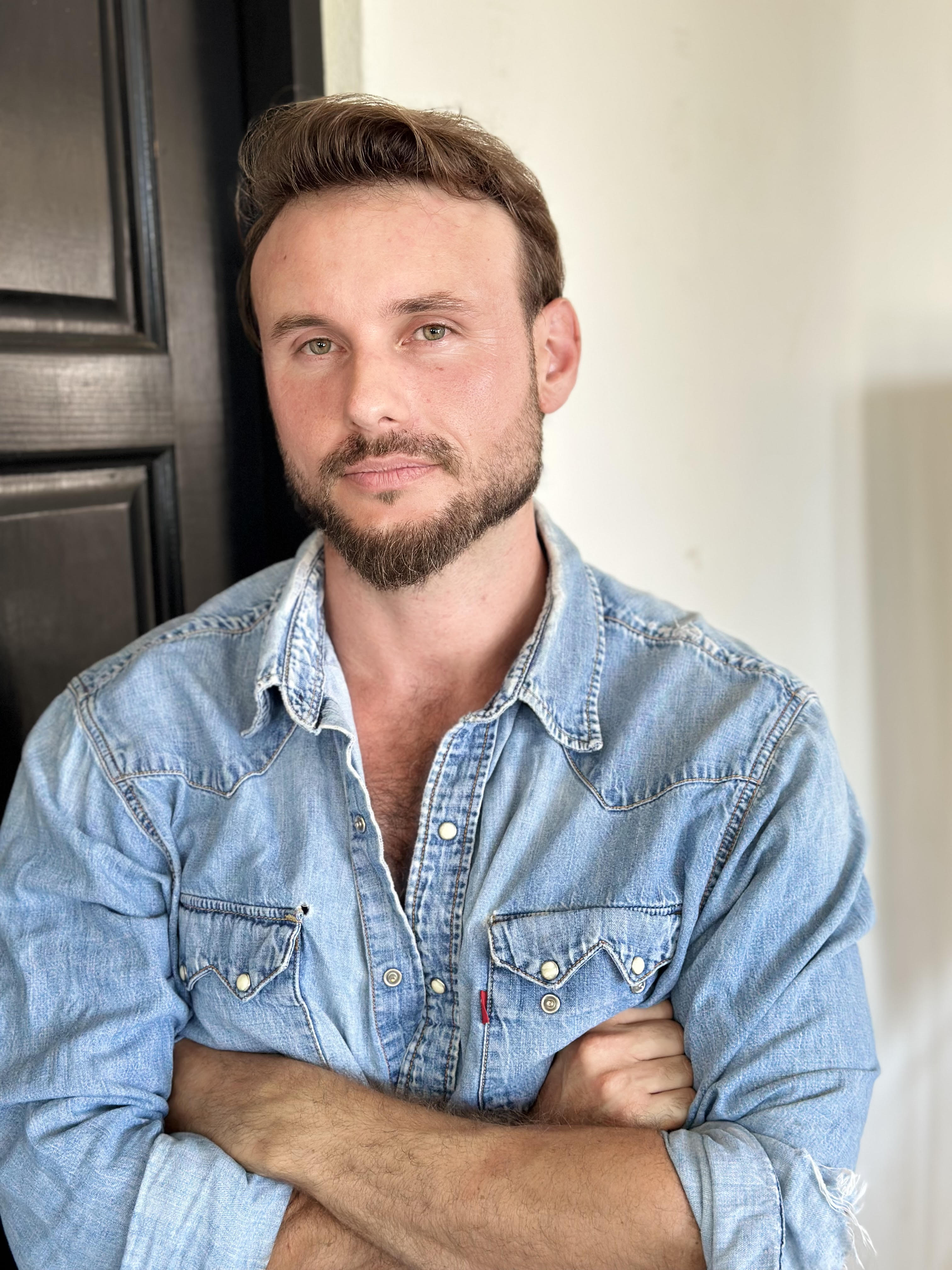
In this episode of The Breakthrough Moment Podcast, Zac Deane sits down with accredited exercise physiologist and Functional Mind EP founder Chelsea to explore the connection between movement, mental health, chronic pain, and neurological rehabilitation.
Chelsea also shares her three pillars for better rehabilitation: Educate, Align, and Treat, plus practical ways to support your body and health.
Episode notes
- 00:00Welcome to The Breakthrough Moment Podcast
- 01:48Chelsea's biggest breakthrough moment
- 05:38What neurological rehabilitation actually means
- 06:48The personal experiences that shaped Functional Mind
- 11:01What you can do to protect your long-term health
- 13:53The connection between mental health and movement
- 19:48How the body physically holds stress
- 22:51Simple ways to release tension from your body
- 29:58“If you don't use it, you lose it”
- 32:33Entrepreneurship, boundaries, and burnout
- 40:43Chelsea's 3 pillars for accelerated rehabilitation
- 46:30Why you shouldn't be afraid to pivot
Chapter titles and timings from the published YouTube description.
From the conversation
Excerpts from YouTube automatic captions. They may contain transcription errors. Play a timestamp to hear the original conversation.
Chelsea's biggest breakthrough moment
breakthrough moment in your business thus far? >> Thank you. I appreciate the introduction. Um when I reflect back on Functional Mind and the foundations of it being developed, my biggest breakthrough moment is that I will stop trying to fit into someone else's version of success and someone else's version of rehabilitation. Um, so when it came to creating Functional Mind and developing Functional Mind, it was very much about creating a place where practice was that rehabilitation became evidence-based, person-centered, and was focused on empowering people to regain their independence. Um, I realized that I didn't have to ...
The personal experiences that shaped Functional Mind
>> I have two very standout experiences that have actually shaped functional lines in a way that I treat patients. So, my dad actually had a workplace injury about eight years ago. So, he's going through that stepping stones with him through rehabilitation, going through consultations, seeing the displacement between what your identity was prior to an injury to what it is now and that functionality and that change throughout that process. So, that was a big aspect on how I treat now because I know how displaced people can be because of injuries. Whether it be a chronic health ...
How the body physically holds stress
>> You do notice as you progress and you as a practitioner impose confidence and self-efficacy onto this person, that's where it changes a lot. Obviously, our body naturally holds stress. And the ways in which that I can see it is that either their shoulders are elevated or the way that they sit, they heal raises. So that's an indication to me that the central nervous system is heightened. And that's where we hold all those stress elements, um trauma elements, everything that's associated to emotions. So then what happens is as you're like progressing through a program and ...
“If you don't use it, you lose it”
>> Definitely. That's that neuro rehab part. So, if you don't use it, you're going to start to lose it. So, you'll find with people that have never done some form of exercise or they've exercised and they've had an injury and then they're coming back, even surgically, that limb will be a lot less stronger than the limb that you've been, you know, weight shifting on. So, it does necessarily happen. This is why it's very important that at foundations of prescription, that bilateral movement of doing it together is your biggest foundation to actually move and be more ...
Chelsea's 3 pillars for accelerated rehabilitation
>> My biggest thing is is that the pillars are educate, align, and treat. Now, when I was thinking about the way that I treat and the way that consultations should be like conducted, these are the three things that I kept seeing come up. I'm like, if we educate and we align our goals with that, we should be able to treat well. So, your biggest point for any sort of practitioner or any sort of entrepreneur or business owner, if you're not educating these people, they're not going to know what's going on. So, whether that be it's ...
Read the episode transcript
YouTube automatic captions. Names, punctuation and wording may contain transcription errors.
Welcome back everybody to the Breakthrough Moment Podcast where we interview successful entrepreneurs and investors and ask them what is their biggest breakthrough moment in their career, that moment that changed everything and took them into another level of success or impact or insight. And as they share that moment with us, us at home have breakthroughs as well. I'm Zach Dean with Chelsea. What's up? How you doing? Where are you tuning in from? >> I'm tuning in from Melbourne, Australia. >> Aussies represent. How's Melbourne today? >> Um quite gloomy as per usual during winter. >> Oh gosh, Melbourne. I don't miss Melbourne at all apart from the people. The people are the best. Um well, let me do a quick little intro for you and we'll dive straight into it. Uh everybody at home, please listen up. If you want to take your health and your fitness and your body to the next level, this is for you. So, most people go to the gym to look better, right? I do. I'm sure you do, too. But Chelsea's patients go because it is the difference between being able to walk or not. She's an accredited exercise physiologist, owner of Functional Mind EP in Melbourne, Australia. She specializes in neurological rehabilitation, chronic pain, and women's health. She works where exercise science meets mental health and where movement becomes medicine for the people the system has struggled to help. Stick around to the end. Chelsea's going to reveal her three pillars to health and accelerated rehabilitation. So, if you're out there and you're feeling like your body needs a transformation, listen up. Chelsea, welcome to the Breakthrough Moment Podcast. What has been your biggest breakthrough moment in your business thus far? >> Thank you. I appreciate the introduction. Um when I reflect back on Functional Mind and the foundations of it being developed, my biggest breakthrough moment is that I will stop trying to fit into someone else's version of success and someone else's version of rehabilitation. Um, so when it came to creating Functional Mind and developing Functional Mind, it was very much about creating a place where practice was that rehabilitation became evidence-based, person-centered, and was focused on empowering people to regain their independence. Um, I realized that I didn't have to wait for for like permission for the perfect time to create Functional Mind. Um, so I changed my whole career outlook of, you know, working for someone else and imposing this foundation of creating very evidence-based and practice-based um, clinical treatment that helped people with chronic health conditions. >> Hey, tell us more. When was that moment? Where were you? What was happening?
So curious. Take us there. >> So, when I'm It's a very interesting story the way that it came about. I was actually with Workers Compensation um, for 3 years. And as I was going through the whole like the resume of going, you know, treating people and going through return to work planning and stuff like that. I'm like, there's a big gap in adequate treatment. And it wasn't just about reaching goals to return to work. It was just a functionality beyond work. Um, so I was reflecting back with patients and where I sat within that realm and I'm just like, there's got to be something that changes. There needs to be something that's different. Um, and I was contemplating for ages. And my parents are like, the worst thing that can happen is it doesn't work out, but you've tried it. So, in that time I was still working full-time and I was starting to develop Functional Minds um as a as a base level for treatment externally, and then that's when as the exposure was building up and I was starting to create confidence in being a practitioner and a business owner, I pulled the pin working full-time and I went straight into working for myself. >> It's super cool. You mentioned that there was like the others and there was like a different version of rehab that you didn't adopt. What was it about that version >> Yes. >> that that didn't resonate with you and what is it about your I guess system that's different? >> When it comes to like workers compensation or professional development or high performance, there's a very robotic system that you go against. So, everything's very rigid in protocols and needs to be certain targets that are met and then that's where either these people return from injury fully and are at um full capacity or um they're returning to some sort of modified duty depending on the demands and um duties that they've got. And as I was progressing through my career with that, I'm just like it's not really giving me space to be creative and more adaptive to what's actually happening. So, there was that rigidness that there is protocols and they work well, but sometimes you need to be outside of that box to treat better for these patients. >> Okay. So, it's like it was uh maybe an old school like it for example, the the Australian food pyramid. It's just like outdated. >> Mhm. >> You know, cuz if you think about it, it's like that was created, huh? Okay, so it was Yeah. Um now, help us understand what is neurological rehabilitation for those that don't know what that is. And myself. >> So, neurological rehabilitation is a hybrid of central nervous system and peripheral nervous system treatment with functionality. So, you can range from very obscure neurological conditions to your standard like stroke, Parkinson's, cognitive
impairments, and there's different aspects that need to be included in that treatment plan. It's very much more related to motor learning, so that repetition and feedback response supposed to your standard strength training where it's repetitions and sets for some sort of muscle hypertrophy. >> Okay. Okay, so it's it's just like a different a different structure. Um Yeah, wow. It's so interesting. And so has has health and wellness or fitness been in your family? Is this something that, you know, you just have a passion for? Did you have some health challenges or fitness neurological challenges that inspired you to then give back? Like, why is this business and and this vision so important to >> I have two very standout experiences that have actually shaped functional lines in a way that I treat patients. So, my dad actually had a workplace injury about eight years ago. So, he's going through that stepping stones with him through rehabilitation, going through consultations, seeing the displacement between what your identity was prior to an injury to what it is now and that functionality and that change throughout that process. So, that was a big aspect on how I treat now because I know how displaced people can be because of injuries. Whether it be a chronic health condition, whether it be an acute impact, there is particular moments in that like that storyline that changes that person's dynamics. Whether it be financial, whether it be family placement, whether that be actually function. So, that's where treatment for me is a lot more than just a prescription. You need to see what that person is beyond that. So, whether there's actual different environmental factors that are impacting them presenting in your um practice on that day. So, that's my work is comp element. And when I was I would say about 10 or 11, my mom actually had a stroke. Um and I was very, very young at this stage. So, I didn't really understand the impacts functionally or how these obviously manifested. But, as I was going through my masters and I was seeing the impact on function and how they go about daily life, it kind of drew me in to go through further study and do neurological rehabilitation because there's such a niche element for prescription in that. And whether that be that motor learning aspect that I mentioned before or being more creativity for you know, activities of daily living or some sort of leisure activity this person wants to get into, this is where your prescription actually manipulates and changes in accordance to that patient. So, it's very big on individualization. It's not, you know, the three sets of bicep curls because that's what you think is going to work well, but it's more so can this person actually lift a washing basket off the floor? Can this person actually walk to the letterbox and back? So, these are things that a little bit more um like
structured in accordance to what the person needs and wants out of it. >> Makes total sense. No, it's it's amazing how the smallest of injuries uh can really take over. You know, whether it's like a finger that's you've cut I've cut my finger and I'm like, "Oh, I can't do like so many things that I we just take it for granted as to the these little things or we hurt our foot or you know, I've broken many bones a few bones too many and uh obviously that's a different different case and I think the you know, for myself, I don't ever want to go go a hospital. The only time I ever want to go to a hospital is when I've broken something and it's an acute. It has to be changed immediately. You know, I need that care. Otherwise, I'm never going. But, a lot of what physiology is and what you're doing is prevention, right? >> Exactly. >> It's like or prehab. Like to do it in instead of having to go to rehab, you're preparing the body and things like this. And so, some of my mentors, my health and fitness mentors, were really big on warming up, really big on prehab, really big on warming down. And it's like, I want to be doing fitness movement, functional handstands at least, you know, muscle-ups for as long as I can, you know, in my body as as old as I can be. What are some of the things people can do today that allows them to to prevent injury or these neurological challenges and to not, I guess, have to be, um, you know, full full victim to to some of these these challenges. Is there some things they can do to prevent it? >> A quick pause before we continue. Hi, everybody. Please, if you're enjoying this podcast, if it's allowing you to think differently and have your own breakthrough moment, too, please subscribe. Please like this video. Share it with somebody else. And even comment below. I'd love to know, what has been your biggest breakthrough moment listening to today? I read all the comments and your responses help me shape the future of this podcast so other people can have breakthroughs, too. All right, let's get back to it. >> I think a big thing in the sense of prevention or being aware is getting yourself tested for these things because a lot of chronic health conditions that I deal with are either genetically manifested or they're from a family history. So, a big thing for me is that if you can gain education, you can gain knowledge of either the health condition or your family history, you're already one step ahead of the next person. Obviously, there are instances where it's out of your control, whether it be a workplace injury, whether it be a motor vehicle accident. These are things that you can't mitigate. Um but to be aware of the process as well because I find that a lot of people that are going through either a worker's comp claim or going through a TAC claim, they don't understand the process that goes with it and that's coming back from a lack of knowledge and a lack of education, whether that be from a healthcare professional, whether it be from an employer. Being aware of what is out there that supports you is the biggest thing that will help you for recovery and rehab.
>> Okay, so what do these tests look like? Is it a blood test? Is it a full assessment? Is Is this something that you do in your clinic? >> I don't have obviously the capacity to do that or the scope allowing to do that, but I think getting tested from a GP and finding a really good GP would be half the battle. Um and then getting those understanding of what family history may be, whether it be a neurological condition, whether it be that it's a cardiovascular just um condition, whether it be metabolic, whatever those things are from a long-standing family history, it'd be good to mitigate the risk of that happening. Obviously, some things are out of your control and we we're aware of that, but if there are things that you can put in place, whether that be being more active, you know, being more counterintuitive about the foods that you eat or, you know, the environment and the stress-related responses that are associated to that, at least you're prepared and you're actually able to function more adequately for work and beyond. >> Okay. All right, so that makes sense. Maybe Maybe people, if they're interested, can reach out and find out you might have some recommendations and some potential referrals for them. That seems really, really important. Um you know, I think this this topic of mental wellness, uh mental health, you know, is so misunderstood. How do you measure it? You know, as you mentioned, testing is super important. Um but what is it that you wish that other practitioners or other doctors or other pe- professionals in this industry knew about mental health and the link to the body and things like that that they don't necessarily know or have a grasp on from your understanding. >> I think where it falls short is that there is a strong interrelationship between mental health and movement. Um so whether it be that they've had, you know, some sort of significant trauma associated to an incident, that actually carries in the body. So when it comes to a heightened central nervous system, and this is where it falls short predominantly with like general population, is that when we have a heightened central nervous system, movement patterns and the way that we actually execute daily living alters. So whether that be that it's rigidness of movement, whether it be that we're unable to lift and carry and move adequately to what we would typically do, that sometimes stems down from a trauma response of a mental health condition. Um what you'll find predominantly in that chronic pain element, any sense of trauma-related incident will develop into those chronic like pain maladaptive um responses. So just for instance, some of the patients that I have that are chronic pain driven have had some sort of mental health condition that has
existed prior or associated to their body response now. So the way that they move and the way that they actually carry themselves, you can tell that there's a big difference between that and then someone that is like neurotypical in the way that they would carry themselves with movement. >> Interesting. And you know what I always found fascinating is like if you look at a ballerina, as they walk, you you like, "Wow, they're floating." They're They're They're on a whole another level. If you look at a bodybuilder walking, it's like it's like uh you know, Godzilla walking through the city. It's just like there's a different level of walk for different bodies, different muscle tones, different trainings. Or if you look at a surfer, for example, or a dancer, or or someone who's super overweight and has never been to the gym, they're all going to walk very, very different. I always found that quite interesting. Um and a lot of it's linked in with the mind. I've always had the the realization, strong body, strong mind. Would you agree? >> I would definitely agree with that. And I think there's a big interrelationship that and this is where I found like Functional Mind, the company was being called is that the interrelationship between mind and function and function and mind. Because if one is displaced, the other one's going to be impacted by that. And then it interrelates the other way. So that's why when it came to creating the name of Functional Mind, I'm like, "It works well because those are the two peak elements that I am treating day in and day out." And if so, I'm not treating them adequately, one of one of the two or both are going to be displaced in that person's overall quality of life. >> And I I It's the other one. Do you believe in like flexible body, flexible mind? Have you noticed that or is that just like something I've I've Cuz I find I'm quite flexible. Like I I am pretty flexible for a guy, specifically. And I feel like I've I've got a pretty good flexibility of mind as well and like capacity. But you would know know more. Have you noticed a correlation between body and and yeah, like flexible body, flexible mind? >> You do find there is an interrelationship between someone's function and the way that they actually like their thought process. So, if someone's coming in with like long-standing chronic health conditions, you know, they haven't done any sort of movement, their rigidness and their like restriction of thought and allowance is in their movement pattern. So, just lifting a weight, you can tell it's very slow, it's very like um slower pace. The way that it is, it's like that sense of agony to do it, and that's how their thought process are as well, where they're quite rigid, it's a little bit slower in the thought process. There's that negative connotation. And then you see that negative connotation in their movement. But then you've got on the
other side is that if someone's coming in and like that flexible mind, flexible body, if they're up to do anything and they're they're trusting you with their rehabilitation, their recovery, their movement pattern follows that true. Because they just fly through that program, and you're able to progress them at a stage that you're going, "Okay, we are seeing the gains that we need to either return to sport, return to leisure, or return to work." >> Yeah, so interesting. Okay, you found a correlation. That's really interesting. >> [gasps] [sighs] >> Cool. I thought, you know, I don't know if I made that up or heard it from somewhere, but you're kind of giving me some some reassurance there. Um and so, would you would you notice that like, okay, let's say someone who's really tight in their body and then and then maybe they do 3 months of like deep tissue or flex rehabilitation or whatever, and as they then release that tension out of the body, does it does it free up their mind as well? Do you find that they're able to emotionally hold on to more stress in the world or, you know, go after their dreams, obviously out of pain? But is that something that you've noticed? >> Just quickly before we continue, if you're an entrepreneur out there or a high performer who wants more clarity and direction in life, or maybe you're going through some kind of turbulent transitional phase. I want to share with you something that I code build. It's called the life blueprint system. It's an AI-powered goal-setting process that helps you create a personalized life blueprint, kind of like an architectural plan or a business plan, but for your life. And so it allows you to take and capture those big ideas, those those amazing thoughts you have, and to turn it into a proven plan of action. And so if you want to stop guessing and start building your future intentionally and consciously, go to the lifeblueprint.io to learn more. Let's go back to the episode. >> You do notice as you progress and you as a practitioner impose confidence and self-efficacy onto this person, that's where it changes a lot. Obviously, our body naturally holds stress. And the ways in which that I can see it is that either their shoulders are elevated or the way that they sit, they heal raises. So that's an indication to me that the central nervous system is heightened. And that's where we hold all those stress elements, um trauma elements, everything that's associated to emotions. So then what happens is as you're like progressing through a program and you're giving them the confidence and you're telling them there is ways in which we can do this and there is ways in which we may need to be adaptive to your condition or goals or whatever it may be, you start to manipulate the thought process in that. So then when they come in, it's not oh no, I'm going to do another exercise session. It's more like Chelsea's going to help me build confidence to move more freely or to be more functional for school or for sport or for leisure or for um for work. So it changes the dynamics in way that you prescribe. >> Yeah. No, that's interesting.
Mhm. Cuz you mentioned a couple things there regarding like the trauma, the tight body. You just say tight heels, so they're like walking on their toes rather than their heels. So, it's like if their body's so tight. Yeah, I I find whenever I get a massage, I'm here in Bali, right? Like $15 for an hour massage or something crazy. And it's like after that, oh, there's like this release of tension and my body's more flexible and I feel like I'm clear of my mind and I I there's no like it's amazing how much my body can hold on to stress, especially working at the computer, and phone, and this, and all this You know, this this can get really sore. But it's either massage that is an absolute game-changer for me in terms of my energy here on screen or whether it's in meetings or whatever. And it's also been getting into a lot of fascia movement. I don't know if you've heard of the Human Garage or any of these like online YouTube things. And I've been doing all these movements and I swear just like 5-10 minutes of that every day is a total game-changer for my energy, consistency of energy, my um focus for the day. And also, I feel like it's it's warming my body up for the gym. If I go to the gym that day, it's like prehab, I guess you could say. So, can you help everyone understand cuz there's going to be entrepreneurs out here listening of like, yeah, I work at my desk 12 hours straight and I'm not getting up, but my neck is sore and my back and things like this. So, what are some things that they could do to help um maybe release the tension or the fascia and things like that in their body? Maybe take us go into into that understanding. And why does it help me so much? Like it's literally I feel like the freedom in my mind and my body is going to the next level just from doing these basic movements. >> With like massage therapy or myofascial release or self-soothing or any sort of technique where you're relieving tension, those are your aspects where you're like the body it's a very weird way that the body works. So, muscles starts to tense up and it constricts. So, then what's essentially happening is as a physiotherapist or a remedial massage therapist or whoever it may be that's doing these techniques is that they release and dilate blood back to the muscle. So, the dilation of blood is actually what is that aspect of lowering tension. Now, if we're talking about typical desk workers, which for the most part we all are, posture is a big aspect that causes that tension in the shoulders and the neck. So, what you'll find is for the most part, there's not very supportive chairs. Or there's ergonomic ones, but they may not be best suited for our body. The way that we actually sit, stand, and move is very rigid. Now, the way that I'm very basic that you don't need to buy all these exorbitant amounts of equipment to try and move and be actually more able. All that you
probably just need is a towel rolled up where that lumbar spine sits and that sits you more forward than what you would have been for the last couple of days. And that's all that it may need. So, being very simple and with my demographic, you are in that working class environment. You need to be more creative instead of going, "Pay five grand for a new chair because that's going to work and that's, you know, the best aspect for you." For me, it's got to be like there's got to be things that are inexpensive and utilized at home that they can actually use. Everyone's got a towel. Everyone's got a pillow. So, the way that I teach them is that, "Okay, your lumbar spine has that natural curvature. Putting a towel there and pushing you forward is going to start to engage that core and lower that like elevated shoulders and now we're going to actually sit properly." So, then they're like, "Oh, well, I don't have to go out and start buying all these equipment to work when I've literally got it at home. Someone's taught me and someone's educated me on how to utilize that as a tool for management. >> You know your stuff. You know your stuff, Chelsea. This is awesome. This is really cool. So, everyone grab your towel, grab your pillow, put it and as Chelsea's talking, I'm like I'm moving myself like you know, putting myself back in the place. Um what else? What are some other practical things they can do, whether it's like first thing in the morning, around lunch, you know, evening time? What are those things that they could do that's practical that they could do today? >> Just quickly before we continue, if you're an entrepreneur out there or a high performer who wants more clarity and direction in life, or maybe you're going through some kind of turbulent transitional phase, I want to share with you something that I co-built. It's called the Life Blueprint System. It's an AI-powered goal-setting process that helps you create a personalized life blueprint, kind of like an architectural plan or a business plan, but for your life. And so, it allows you to take and capture those big ideas, those those amazing thoughts you have, and to turn it into a proven plan of action. And so, if you want to stop guessing and start building your future intentionally and consciously, go to the lifeblueprint.io to learn more. Let's go back to the episode. >> It depends on the person's deficiency. Like when we go through your more geriatric older population, they're so high risk of falls and balance. So, what happens is as we age, naturally we actually like lessen in height. That's about like a 1 cm to 2 cm. After 45, we start to get shorter. So, that doesn't do a great deal to me. But, this is what happens. So, as you start to like create changes in your body through that geriatric period of your life, their eyes start to look at the floor because obviously there's a safety risk and there's an element of falling. That doesn't actually create any sort of benefit to people. Because that that forward flexion has that more like higher risk of you falling forward in the community, at home, or wherever you
are. So, the way that I actually teach retraining to walk because of that falls and balance element is that if you're in the hallway at home, pick something that's eye level and walk towards it. Because you should still have the spatial awareness of sight to look on the floor around you without you actually tilting your head and looking at your feet. So, that's that sight element and that spatial awareness to adequately walk from point A to point B. The other thing is the biggest shuffle gait, and I know a lot of us have grandparents and family members that love to shuffle the way that they walk. Because as they get older, they reduce that knee flexion and then they're not actually able to walk forward. So, the way that we have to retrain it without all the scientific elements and all the jargon that comes with it is that I just need you to heel-toe walk. So, over-exaggerating heel-toe on the floor creates that knee flexion, and now we're starting to walk adequately opposed to that typical shuffle gait that you'd see with an older population. Sometimes the biggest issue with that though is if they've got like mobility aids, a walking frame, a single-point stick, whatever it may be, they're not adequately taught in how to use that as an aid. It's more so to be reliant on it. So, what you'll find is and I'm notorious of watching people in the community on the way that they walk is that if they have those particular mobility aids, they're utilizing that to the like to the to the best of their ability, but it's not actually helping them. It's creating maladaptive responses where they're not doing it properly. So, whether they're coming in with these aids, sometimes you do need to teach them again on how to utilize that and then retrain that walking pattern, too. >> For sure. For sure. Is it true that if we don't use it, we lose it? >> Pause. Before we continue, the first way we as entrepreneurs introduce ourselves when we walk into a room, it's our energy, right? People feel that. And secondly, it's our face. How healthy do we look? So, for the entrepreneurs out there who care about how they show up, I'd love to share with you personally, I've been utilizing some Korean skin care products now just for over a month and I had no idea about them um up until, you know, even just 2 months ago. But it's by far one of the best investments I've made for my skin. I feel it's literally making me look younger and it has this like glassy, super fresh look. And so, this is the number one exported Korean beauty brand and skin care line in the world. The ingredients are second to none. Even pregnant pregnant women can use utilize them because out there there's so many products that have toxins in them that really make our face not healthy over long period of time. And so, if you're out there and you want to match the energy that you output with how healthy you look, you can try all these products risk-free for 30 days. If you don't like them, send them back and get all your money back. If you're out there, if you're curious, check out the link below to learn. Let's get back to the episode. >> Definitely. That's that neuro rehab
part. So, if you don't use it, you're going to start to lose it. So, you'll find with people that have never done some form of exercise or they've exercised and they've had an injury and then they're coming back, even surgically, that limb will be a lot less stronger than the limb that you've been, you know, weight shifting on. So, it does necessarily happen. This is why it's very important that at foundations of prescription, that bilateral movement of doing it together is your biggest foundation to actually move and be more functional. Then you start to get creative with like your unilateral movements and, you know, spatial awareness and motor learning and everything else that can go with it depending on person's um condition. >> I was uh when I was in primary school, I was really lucky to have like the teacher talk about uh hand-eye coordination. I think they do it in a lot of schools these days, but it was like just really simple lining up the the hands or like left and right and left brain kind of exercises. Are there any things any exercises like this that you recommend as well um that people can do today? Cuz I look, if we just think about sitting down, looking at this screen, right? I'm in Bali, you're in Melbourne. We're looking at this like technology. This isn't you know, my voice goes through and your voice, everyone's hearing us, goes through an electrical system and it's sent the other side. It's not actually our voice. It's all artificial, right? And so then we're sitting down. We're not supposed to sit down. Sitting down's the new smoking, they say, right? And it's like this lifestyle is not healthy. Yet, we all do it. So, we're like, "Oh, well, everyone's doing it. They're not healthy." And I go to a co-working space and everyone's indoors working and we're all you know, you've got the ear ear pods, which I'm sure there's a lot of EMSs, like try to have the the the wired ones or even this fake light here on my my body is not relating to the sunlight same you know, spectrum of sunlight outside. So, this is an unhealthy and the people we adore entrepreneurship. Ah, yeah, the hustle. Ah, the grind. But, it burns people out mentally, emotionally, spiritually, energetically, it's it's more time it's more time to build a business than it is to do a job. Let's be real. You go to you clock in, you clock out, you have more time with friends and family. There's a lot of cons and negatives to actually running a business and doing entrepreneurship. And it's just like I think we're all needing to educate ourselves so much more. Wouldn't you agree? >> agree. I definitely agree. I think what happens is when you're building a business, you get so consumed by it and you're trying to do the best thing, or you're trying to create another avenue of treatment, or another product, or another service, whatever it may be, but then you start to lose your way in that. So, I've been pretty strong in probably in the last year or so to create that work-life balance that this is when it needs to stop, and this is when we start to re like restart. And I think if you're not
setting those boundaries, this is where you're going to start to lose your way, and you're just going to burn yourself out throughout the whole process of trying to build a business, or to, you know, to further develop your career professionally. >> Two-part question. You went from being a practitioner into a business. Why? What made you do this? And now, you know, what are the non-negotiables that you do as a business owner, cuz I'm sure it's you're managing staff, you've got long hours, and things like this. What are the things that you do to to maintain and support your health that have personally for you that that fill your cup up, so to speak? >> So, transitioning from a practitioner to business owner, I find that there's a lot of skills that interrelates. And I'm still a practitioner, and I'd never lose that. Um but then you've got a different mindset business-wise on how you treat and how you go about your consultations. Um With my the way that I've done it is that It's so hard to explain, to be honest, cuz I just do it. It's like autopilot now, the way that I go about it. But if I can be the best practitioner, my business will flourish from that. So, whether it be that we are reaching goals, whether it be that, you know, we're getting a good review, or whether it be that I'm I'm seeing progression with those patients, my business will flourish from that. Now, my reputation is the the foundation of what a successful business will be. So, if I'm going in there and going, "I really don't care what's going on with you, you know, we're just going to I'm just pushing because, you know, this is a money-making industry and it's very easy to um prolong someone's rehabilitation and whatever it may be." I'm not going out with the right intention. But, when I'm going in stepping foot and going, "No, we are going to reach these goals, whether they be so minuscule that it's just going to get you to walk to your front door and back, at least we've done something better than what you've had or what you've been dealing with for a long-standing period of time." So, that's where that interrelationship between practitioner and business owner has worked well in that dynamic. When it comes to my non-negotiables, I don't like that very rigidness practice like practice or that practitioner that is quite rigid and doesn't want to be creative with prescription or creative with their patients. I think you know, protocols, whether they've been 20-odd years or so, yeah, they may work well for some sort of patients, but they're not going to work well with everyone. So, if you need to see that patient as who they are, not for what the condition is, because two people can come in with the same condition, but they're very, very different in the way that they actually present and move. So, giving yourself the ability to be adaptive and creative is so important, particularly in an allied health like industry. Then, when we come to how do I actually,
you know, de-regress like regress and everything else that comes with it and unwind, it's funny because movement for me is an outlet now. So, going to the gym and training, however I train, is more my outlet than it is to reach goals. Obviously, you're going to reach your goals, whether it be aesthetically or strength-wise or whatever it may be, but for me now it's more of an outlet because that gives me the best point of grounding opposed to just going in and out through that rat race of going okay, it's the next day, it's the next day, it's the next day and you're dealing with, you know, 13 to 15 different types of personalities and conditions, you're over consumed so you need something that is a self-care element for you. Maybe exercise doesn't work as a self-care element for people. Maybe it is just doing meditation or listening to music or cooking or whatever it may be. But enjoying that and giving that as a space for an outlet for you is so, so, so important whether you're building a business or whether or not you're progressing through your career. >> Sure. No, 100%. You've um recently spoken at the Wyndham private clinic clinic hospital in front of a room of dietitians and health care professionals. What did you speak about and what was the main message you wanted everybody to walk away with? >> So when it comes to these educational like nights or days or whatever they may be, I actually present on what's related to those people. So this was a room of podiatrists and a podiatric surgeon. So the way that it goes about for me is that okay, their major deficiencies are obviously feet and gait. So the way I present, it's very much related to what is coming to me. So podiatric surgeons, podiatrists have a lot of gait problems with their patients. So what I present on is obviously the deficiencies that we see and how does exercise physiology complement and help that rehabilitation aspect for the conditions that they're dealing with. >> Yeah, so it's tailored. So each speaking to the crowd and things like this. Yeah, so so important. It's amazing how intricate the body is, hey? Like, Chinese medicine, thousands 4,000 5,000 years ago, they knew different organs related to different parts of the foot or the hand or the face. And like, so so so interesting, I think. >> [snorts] >> Uh unfortunately, I think a lot of the the world is is I like to think that we've progressed and we are getting more advanced, but when you think about the ancient wisdom from the Eastern ancient wisdom, it's like it was way more advanced than we have to. Obviously, we have the ability to do surgery and these amazing, you know, operations and stuff now. It's a whole another story, but it's like their their
insight on prevention and how the body worked from the ground up. Uh So fascinating. I'm just I love it. So, you mentioned uh we mentioned this these three pillars to health and accelerated rehab. Tell us about that in a second. I'm going to put all your links around here in the video, but from who's listening, who should reach out to you? Who do you serve the most? Who should book in today and and come come get a session or a package from you? >> So, from the insurance schemes that I deal with, they are the NDIS, they are the uh workers compensation and TAC, and then I deal with Medicare um chronic pain or chronic um management plans as well. So, it's a very big variety. Um so, it's anyone that's presented with a chronic health condition and you're finding as though your conventional um treatment plans are not working and thinking that maybe movement will be the best benefit of for your patient, more than happy to discuss a you know, a treatment plan for them. >> Right. Uh sounds good. So, I'll put all your links around here. I'll make sure everybody if you're in Melbourne, if you're picking up what Chelsea's putting down and you want to go go connect with her and her team, or if you know somebody who's who's looking for this as well, please share this with them. Uh Uh Chelsea, give us give us a rundown of these three pillars of health, and how do we accelerate our rehabilitation process? Cuz the healing journey can be long for some people, right? It could not just be 6 weeks to to heal a bone, but it could be years, I guess, or a lifetime. Um is there really a way to accelerate this rehabilitation process? >> My biggest thing is is that the pillars are educate, align, and treat. Now, when I was thinking about the way that I treat and the way that consultations should be like conducted, these are the three things that I kept seeing come up. I'm like, if we educate and we align our goals with that, we should be able to treat well. So, your biggest point for any sort of practitioner or any sort of entrepreneur or business owner, if you're not educating these people, they're not going to know what's going on. So, whether that be it's a chronic health condition, whether it be the way that you're going to do the rehabilitation, or whether you're um educating them on a on a an exercise modality, the more that this person knows, the better it is for them, because they're coming in having no idea, and you're the best person to educate them. So, really drawing upon relatability in that will give that person like the enough information to go about their life. Sometimes, and and I'm very big on this, sometimes consultations are not about the exercise prescription, more so about what you're actually educating this person on. You know, you may not have them coming in going, you know, we're just going to
do our exercise program, and I'll see you next week or in a fortnight. Sometimes that consultation is stripped back to the point of going, Chelsea, I'm going to see a independent medical examiner, you know, these are my conditions, these these are the symptoms, like what's going to happen? So, you actually educating them through that process, so when they sit foot in an independent medical examiner, or they're going through an insurance claim, or whether they're trying to understand their health condition better, they know more. And I think that's so important because even you and I, if we've gone to a GP clinic and we're asking them, you know, questions, it's very base level understanding. And then what we do, we go on Google, we start Google doctoring our symptoms or our condition or whatever, and then we fall into that trap going, like what am I going to do? I'm so overwhelmed by all these terminologies, I don't know what's happening. So, sometimes stripping that back and creating that lay language to this person is all that they need to better understand what's happening in that body. So, that's the first aspect of it. The second aspect of it, the alignment, is that aligning the goals within your treatment because I can come in and go, "I really want you to lift 100 kilos on a barbell," but they they're not wanting to do that. It's not going to make anything. It's not very tailored, it's not individualized for what this person actually needs. Obviously, depending on whether it's a workers comp claim or a TAC or an NDIS um uh scheme, they will have particular goals as well. So, being very transparent on what needs to be treated and what they want as a long-term like um efficacy is what needs to be done. So, being very collaborative on what goals are, they'll come in probably guns blazing on what they're wanting out of it. Or some people may need assistance with what type of goals are going to work for them. So, that's the second part of that alignment. Plus, if your movement aligns with what the goals are, then at least we know that rehabilitation has been successful. That's the biggest part there. Then your treatment your treatment has to be adaptive to what presents because we're in a chronic health condition environment, you may not see the same symptoms and the same presentation constantly. You may have the same condition, but the way that this person carries it and the way that this person actually is mobile within community and their environment would be very different. So, your treatment needs to be adaptive to those causes and those symptoms associated. >> Awesome. Educate, align, treat. Educate, align, treat. Super interesting. Super interesting. Yeah, it's it's the the human body and the mind is so fascinating and it's a mystery that, you know, even the smartest experts on the planet are still trying to unravel the the intricacies
and and infinite intelligence within our body. It's so so amazing. And so, if we don't look after it now, we don't use it, we lose it. We've only got one body, one mind, and um or one brain. They say the mind is is different, uh you know, but it's so important to look after it. And unfortunately, we're living in a world where there's more health and wellness challenges than ever before. We've got diseases and pharmaceutical drugs to fix anything these days. And uh I think they all have a place, it's just not number one. Pharmaceuticals can be lower on the list, not number one in my opinion. There's a hundred or a thousand and one things we can do before that. And it's important to to do our research and to realize, yeah, we've got only one body. Let's look after it. Yeah? Um or if we've got injuries or disabilities, it's like, how do we maintain that? How can we we work through that and and then, you know, put together the systems to allow our bodies to hopefully not just survive but thrive in the world that we live in and that's why you're in business today. So, that's really cool. Well, uh this podcast is called the breakthrough moment, right? You've shared your breakthrough moment. You're welcome to share some more. Uh but, you know, if people want to have a breakthrough in their own life today, what do you suggest? Is there something that you've mentioned today already that they should do? Uh or is there something that you haven't mentioned that would really help them all have a breakthrough in their own life? >> Biggest word of advice is to don't be afraid to pivot. Because when I started in exercise physiology post grad, mine was very okay, I'm going to I'm going to build my career. I'm going to work for someone. I'm going to create those stepping stones and I'm going to be the best practitioner that I am and will be. Life changes. The way that you go about it and it's not very textbook response when you're in the real world. So, having that ability to go you know what, this may not be working for me. I may need to build something that is more closer to me career-wise or business-wise to know that I'm going to excel in that environment opposed to just being like, you know what, this is the best it's going to get. So, might as well just deal with it. Don't be afraid to pivot and don't be afraid to learn from that as well because there's going to be so many mistakes and there's going to be so many instances that you would have wanted to change it, but those are the stepping stones to building a a successful career and a successful business. >> Okay. Don't be afraid to pivot. I like it. I like it. Yeah, change is the only constant. Let's be real. Change is always happening. Seasons, days, sun, moon, everything. As well as our life. So, yeah, don't be afraid to pivot, but change is scary, hey? Um yeah, mixing things up can be tough. It's outside of someone's comfort zone. Anytime we're out of our comfort zone, we freak out. How how can someone support themselves
during a pivot? Is it is it something that you guys work on specifically in clinic? >> A biggest part of like prescription and this is this is the way that it works with Frost is that if the person in the body doesn't feel safe, that's what's going to restrict you from in being comfortable. So, if you're going to put yourselves in environments that are going to further develop you, I know it's going to be uncomfortable, but if you still feel safe and you know that there is an intent behind it, whether it be that I'm going to further develop my understanding of a chronic health condition or a career or whatever it may be that's your biggest point. If I feel safe here and I know that I'm going to get the best value out of it, I know that it's going to work well for me. That's my biggest thing. Even with um patients, if you do not feel safe with what I'm prescribing, we know it's not going to work. So, we'd rather use modalities where you feel safe and you feel confident to execute to know that we're going to actually create the biggest gains and the biggest progressions. There's no point me getting someone that hasn't run for 20 years to be on a treadmill running because they're not going to want to do it. So, finding things that work well for you and that you feel safe is what's going to further develop you and encourage you to be a better practitioner or a business owner. >> Amazing. Awesome advice. Thank you, Chelsea. Everybody at home, what has been your breakthrough moment? We've covered a lot. We've spoken about all things neurological and fitness and physiology. And if you're out there, please reach out to Chelsea. I'll put all of the links around here. But what has been your aha moment, your breakthrough? Please put it into the comments. And who do you know who would benefit from hearing today's message? We'd love you to share with them. That's how the podcast grows. Any final comments before we wrap it up? >> No, I really appreciate the opportunity. >> Yeah, you're so welcome. Thank you so much for your time. And everybody at home, we'll see you next time at the Breakthrough Moment Podcast. Over and out. Well done.