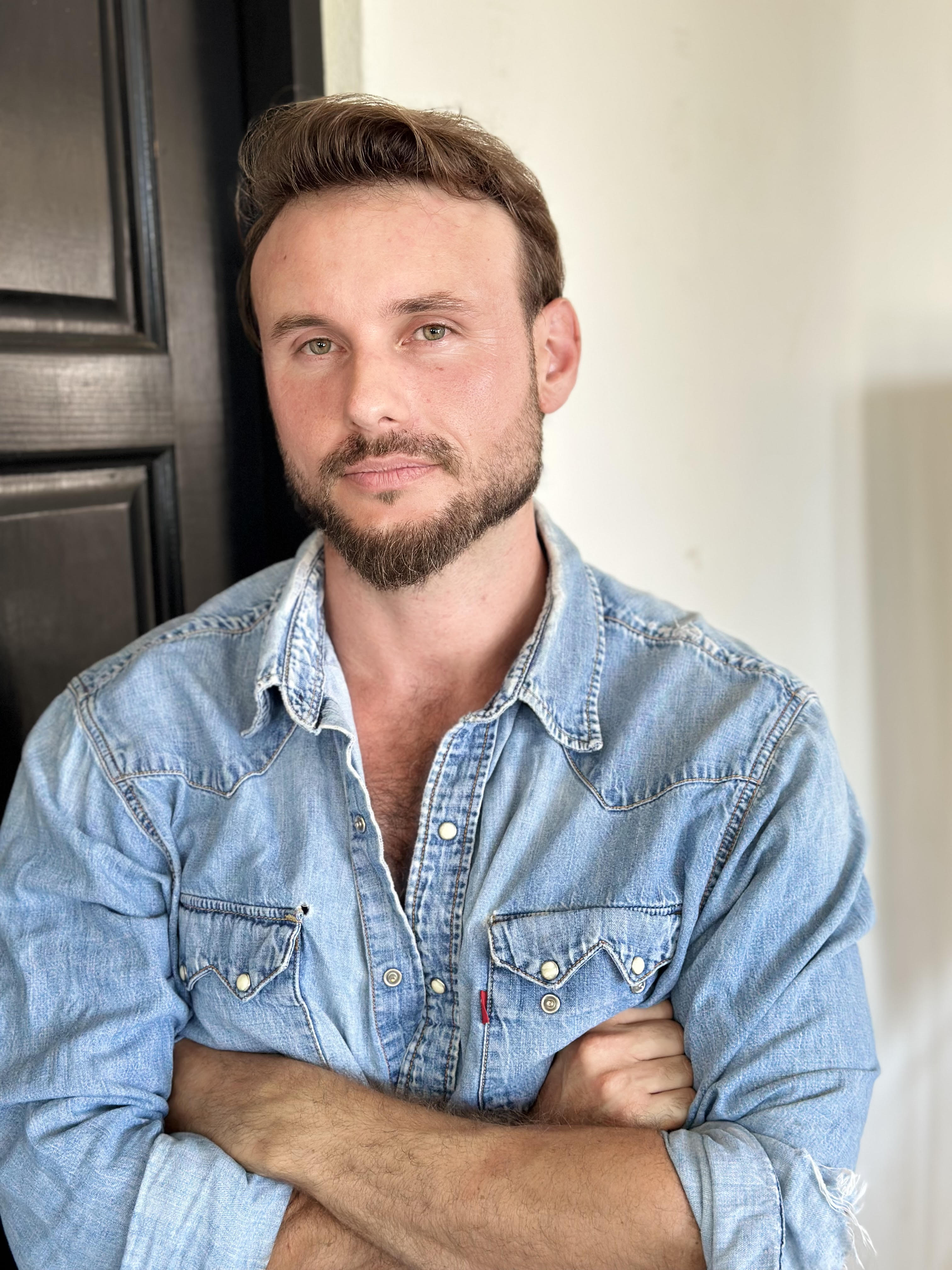
About this episode
Christine is a four-time founder, CEO and co-founder of The Nova Method, and one of the sharpest minds in marketing communications and brand positioning. With over 30 years of experience working with companies like SoFi, WebEx and Constant Contact, she has built a career helping brands stop talking about themselves and start truly connecting with the people they serve.
Episode notes
- 00:00Introduction: CEO, Founder & Brand Strategist
- 01:21Christine's Biggest Breakthrough — Starting A Remote Business In The 90s
- 02:53Advice For Anyone Wanting To Start Their Own Thing
- 05:18What Christine Would Do Differently If She Started Again
- 06:14How To Trust Your Gut As A Leader
- 07:18How AI Is Changing Marketing And PR Right Now
- 09:24The Buy vs Build Question AI Is Creating
- 11:21Why AI Will Never Fully Replace Humans
- 12:38The Non-Negotiables That Keep Christine Performing
- 14:47How Christine Sets Goals With ADHD
- 16:37The Nova Method — The Story Behind It
- 18:07Starting A Water Sports Business During COVID
- 19:30The Framework — Assimilate, Align, Activate
- 21:36Who Is Christine's Ideal Client
- 22:37The Challenge: Think Big And Stop Watching Competitors
Chapter titles and timings from the published YouTube description.
From the conversation
Excerpts from YouTube automatic captions. They may contain transcription errors. Play a timestamp to hear the original conversation.
Christine's Biggest Breakthrough — Starting A Remote Business In The 90s
Yes, well, it's been a long career, so that's tough to choose, but um I would say the um the the summer before I started my first company, uh it was the height of the dot-com boom, which is kind of what we're seeing now in AI, uh new technology really changing the landscape. And everyone's scrambling to figure out how it applies to them. And uh I worked for a a tech PR firm here in Boston. And I saw just a lot of uh companies receiving investment that couldn't get uh secure uh communications, marketing, and PR help ...
What Christine Would Do Differently If She Started Again
>> What would I do different? I would make some of the tougher uh decisions faster. Um I tend to I tended to sit and think a little bit too long when I knew what was right in my gut. Um and so, I think that as a leader, if you're a business owner, you're naturally the leader and you need to make those tough decisions and you really need to trust your intuition. When I When I didn't do that, it came back to it was dragged out a little bit too long. Let's just say that. Got a ...
The Buy vs Build Question AI Is Creating
Huh. I've been diving into some crazy things in the last week with AI. Oh my god. >> Yeah. It's like all this >> and building and developing. That's the other thing. It's leveled the the building and development playing and I've had conversations with clients clients, uh analysts, and scaling experts this week about five versus build and how AI is is leveling that playing field, and it makes it even more challenging for companies who um typically would be the answer to a solution. Yeah. How do you balance that with people who can now build it themselves? ...
How Christine Sets Goals With ADHD
Yeah. Super interesting. As as a business owner, are you a goal setter? And I'm sure you are. And and if so, how do you set goals these days? Are you using AI? Do you still use a journal? Um I think goal setting is so important just for focus and you know, measuring our results and and progress. But do you have any certain, I guess, methods or strategies on on setting goals these days? Um well, this is going to sound very basic, but I've been using Google Tasks a lot and I really love it. I've done ...
The Framework — Assimilate, Align, Activate
best way I can liken it to something I think everyone can relate to is if you walked into a party, you don't just walk up and start talking about yourself. You don't just say, "Hi, I'm Christine. I do this and that, and I have two kids and this and you ask a question. You ask a question of the person you're speaking to. At least most people do, right? So, um that is really our approach for for brands. It's like stop and before you get on your soapbox and tell us about your products or your services ...
Read the episode transcript
YouTube automatic captions. Names, punctuation and wording may contain transcription errors.
Welcome back everybody to the Breakthrough Moment podcast where we interview successful entrepreneurs and investors and ask them what their biggest breakthrough moment has been throughout their career. And as they share that breakthrough with us, us at home can have breakthroughs as well. Today's special guest is Christine. Are you there, Christine? >> I'm here. Yes, hi. Hi. Are you excited for today? I'm excited to have you. >> Absolutely. Yes. Amazing. Amazing. You have the incredible resume and experience, so I'm excited to connect everybody to you. So, let me do a quick intro and we'll dive into your breakthrough moment. So, for those of you who don't know Christine, she is a CEO and co-founder of the Nova Method, advising leaders on communication and growth. She's a four-time founder with experience in marketing, PR, SaaS, and retail. Now, she helps brands turn complex ideas into clear, powerful narratives that build trust. She's worked with some major companies like SoFi, Webex, and Constant Contact. And also, she just really loves helping brands be seen, uh be understood, believed, and chosen. How good. So, it's an honor to have you here. Thank you so much for your time. Let's start. What has been your biggest breakthrough moment throughout your career? We're so excited to uh to dive into this. Biggest breakthrough moment. Yes, well, it's been a long career, so that's tough to choose, but um I would say the um the the summer before I started my first company, uh it was the height of the dot-com boom, which is kind of what we're seeing now in AI, uh new technology really changing the landscape. And everyone's scrambling to figure out how it applies to them. And uh I worked for a a tech PR firm here in Boston. And I saw just a lot of uh companies receiving investment that couldn't get uh secure uh communications, marketing, and PR help because there were so many. So, I made the risky decision to go out on my own and find a niche servicing those sort of smaller startups that did have VC funding and wanted to grow and scale. And I started a virtual remote business. This is in the late '90s, so it was a long time ago before COVID. And I had to convince people why we were better, different, and still worthy even though we weren't under one roof. That changed everything for me. So, taking that risk and the way I did that was I hired senior-level executives because they were looking for a better work-life balance, and there were not a lot of work-from-home opportunities at that time. So, I just figured out a way to recruit the best and position that to our clients in a way that worked. And here I am 30 years later. >> [laughter] >> Wow, that sounds like a massive breakthrough. Congratulations. That's pretty exciting. What advice do you have
for other entrepreneurs or maybe other professionals that are looking to make that kind of transition and and start their own thing? Real quick, before we continue, a brief message from today's sponsor. If you're an entrepreneur wanting to grow your personal brand, authority, and business through podcasting, then check out findapodcast.io. As you know, the biggest entrepreneurs in the world, they book these massive podcast tours before a big product launch or an event or book because podcasts build trust faster than anything else online today. So, with findapodcast.io, it helps you connect with a specific podcast in your niche. It writes the pitch, it follows up in this easy CRM. It truly does save time. So, you just show up, do the podcast, and your business grows. If you're curious to learn more, book in a demo at findapodcast.io. Now, let's get back to the episode. Sure. I mean, of course, you always have to have a plan and you need to be strategic about it. Um you know, mentors would probably be my my first piece of advice to find some good mentors across all of the elements of business that you need, not just the things that you know, but the things that will come up like legal, finance, um etc. So, finding some good mentors who can introduce you to people to to deal with the business operations side because it does come up. Um part of being a business owner is you start because you're passionate about something, uh but then all of those operational pieces also come with it. So, getting good help there. Um and I think the other thing is don't let trying to fit into a perfect mold hold you back. Nothing's ever going to be perfect and it's just like anything. Choosing to go to school or not to go to school, choosing to have a family or not have a family, um the timing will never be perfect. And so, if you really want to be an entrepreneur, you really want to start your own business, at some point you have to take a deep breath and dive in. But with the plan underneath you. So, it takes a little bit of both. I'm so curious. If you could go back in time and start this whole journey again knowing what you know today, and you would to kind of I guess initiate the same business or or a similar similar path knowing what you know now back then, what would you do different? >> What would I do different? I would make some of the tougher uh decisions faster. Um I tend to I tended to sit and think a little bit too long when I knew what was right in my gut. Um and so, I think that as a leader, if you're a business owner, you're naturally the leader and you need to make those tough decisions and you really need to trust your intuition. When I When I didn't do that, it came back to it was dragged out a little bit too long. Let's just say that. Got a little bit over than it needed to be. So. >> Okay. It's such a tricky fine line, right? Like how how how do you do that now though? Like is there do you have a
Yeah, so tapping into that. Obviously it can be challenging to hear that at times um based on life and I guess experience. But what what do you do to tap into that these days? Um I think it's like a multiple choice test. They always say to go with your first instinct and I think that still applies today. Your your first instinct is usually correct. And so if you overthink it, you bring in a lot of elements, voices, um research that can complicate it. That's important obviously, especially like if you're in a legal situation, you want to make sure you get the the right team in place to help you make that decision. But typically, if you're if you're a natural born leader or someone who studied leadership, you you will know in your in your gut. And so you've got to listen to that intuition and not overcomplicate it. For sure. For sure. As you know, uh AI is changing the game and in every department of every Yeah, definitely parts of business, most of business. Um how are you utilizing AI and uh gosh, how is it potentially disrupting or changing your industry and and what you're working on at the moment? Sure. Yes, I'm glad you asked. This is I think my fourth conversation around how AI is changing business today. Um I we use it in our agency every day um to ideate, to research, um to be an editor of some sorts. We have to be very careful with that because we always want to keep a human um a human level of communication and and um content, but we use it to optimize and then we also have built some uh custom AI-driven services that help our clients to understand how their website is communicating not only to humans but to the LLMs and the the bots and the natural language models um large language models, sorry. Um We need to speak to both audiences now, so we help them to analyze their website, optimize it for both audiences, and then also uh understand how they're surfacing as answers to prompt questions. And our goal for our clients is to continue to create an ongoing narrative across third-party credible sources that naturally means they surface as the answer and not just an option. So, that's the big thing. If you ask, you know, ChatGPT or or Claude or Gemini or Perplexity or any of them a a question, what's coming up is the answer. There's always options underneath. We want to be the answer. We want our clients to be the answer. And that takes um ties back to our core services and our our 30-plus years of experience in marketing communications, PR, and content. You can't just rely on a one-hit like a one piece of media coverage to to have um
that surfaceability happen. You have to have an ongoing narrative. And that can happen in media relations, it can happen in analyst reports, it can happen in coverage that you're speaking or your events. And so, we really help clients to understand that all of those traditional services are tying into the new world of AI as well and actually resurfacing as a priority in the executive suite. Huh. I've been diving into some crazy things in the last week with AI. Oh my god. >> Yeah. It's like all this >> and building and developing. That's the other thing. It's leveled the the building and development playing and I've had conversations with clients clients, uh analysts, and scaling experts this week about five versus build and how AI is is leveling that playing field, and it makes it even more challenging for companies who um typically would be the answer to a solution. Yeah. How do you balance that with people who can now build it themselves? And will they build it themselves? And so, that's all messaging, right? How we help clients message and educate individuals on why one option might be better than the other. So, what what do you do? >> Well, and just on that point, yeah, the accessibility of being out of develop something or create something from an idea into something in such a short period of time is just like is exciting. I think it's giving a lot of people a bit of um optimism in terms of their business and creativity and problem-solving, which is really great. Right. There's obviously the dark side of of the AI, but I'm I'm quite optimistic around the whole thing and what not, but yeah, there's so many questions that are still coming coming to life, but yeah, I think for me I'm I'm I'm utilizing it just in the everyday activities of my life, knowing where like maybe I send a follow-up email, whether I'm like researching some news based on certain topics, and helping me create content based on my brand. Right. Whether it's like editing the podcast and getting it out there or finding and replying to messages on LinkedIn. This whole game is changed completely, and it's like I was literally walking around before and on the weekend I was just like like holding onto my seat here like a roller coaster going, "This is blowing my mind." So, it's exciting. Um and you know, the SOPs and the whole you know, even just today just taking notes, I'm like, "Okay, like this this like it's it's business and this SOP of how I do the podcast or how I'm doing sales and all that It's like I've never been the same again. No, it will never be the same again. But, I still I would like to remind people that it's it's a new technology that can help us do things faster and optimize and I will say better, but not without us. And so, a lot of people are so concerned that AI is going to completely replace humans. I don't think that's true. I think it will replace certain things
that we do, which opens up opportunity for us to do greater, more strategic, and creative things. So, if we can get the tactics off of our plate, um we can build, imagine, and create even greater and better things that, you know, um AI can help us to speed speed up speed to market, speed speed up communication, speed up production. So, it's I do think it's a balance and um I just want to take that fear away a little bit if we can, um because I think the opportunity outweighs the the replacement fear, if that makes sense. Yeah, absolutely. Oh, gosh, so many directions, but, you know, as a business owner yourself, um you know, I'm sure you value energy and and health to be able to make sure you put energy into your business. Do you um prioritize certain habits or certain um I guess activities with your lifestyle that help you have the energy to perform in business, because I know that doing having a business, starting business, juggling life can be really draining. Are there any like non-negotiables or things that you do to make sure that you're filling your cup up, so to speak, so you can give more? Yes, and I think that's a lesson that I've learned over the years. I I I used to burn What do they say? Burn oil at both ends. Um but I, you know, I I I had two sons to raise. I needed to shut my laptop at night as difficult as it may be and give them attention and family time. So, I think you know, that's one of the great things about about having them, you know, say, "Hey Mom, would love to have dinner with you." They're adults now, but um I had to learn the hard way. And I think you know, most importantly right now in order to be the best leader and the best partner or business partner that I can be best business partner to my partner as well as my clients non-negotiable for me is both exercise time to exercise. I I get up early like 6:00 a.m. Not a 4:00 a.m. kind of person. I'm not a morning person, but I I need to get up and get it done. And it always makes the day better. And I'll go out and and walk or run 6 to 8 miles in the morning. I'm probably four to five times a week. And the other non-negotiable that is new for me is meditation and taking the time to sit for a moment because we are bombarded all day every day with communications and messaging and demands and needs and sometimes it feels like everyone's just pawing at you for for something. And if you can take, you know, it can be a two-minute meditation, it makes such a huge difference. And that's something that I've just started in the last couple of years. Yeah. Super interesting. As as a business owner, are you a goal setter? And I'm sure you are. And and if so, how do you set goals these days? Are you using AI? Do you still use a journal? Um I think goal setting is so important
just for focus and you know, measuring our results and and progress. But do you have any certain, I guess, methods or strategies on on setting goals these days? Um well, this is going to sound very basic, but I've been using Google Tasks a lot and I really love it. I've done a lot of um I've tried a lot of different project management tools and this one just works for me. I think because it's so plain and simple. Um I have ADHD, so I tend to jump around um on my priority list. So having that there and be able to move them around for me works really well. I also have a great business partner. I was almost almost 30 years as a sole leader and uh a year ago in May actually I merged my agency with my business partner and we're both type A but very different thinkers and so uh it helps me to have that accountability to someone else. I'm I'm doing this not just for me, I'm doing it for her, I'm doing it for the employees. Um and so that helps me with goal setting because I owe them every Friday I send out a uh what we call the Nova Method Weekly Insider and I share things that have happened that they don't know about during the week. Um I share good news, I share challenges, I share things like oh we're we have this podcast coming out. Um and so for me goal setting to really communicate and keep the lines of communication open is also just as important as goal setting for my day-to-day work. Help us understand your method, the Nova Method. Um yeah. Take us into that world, take us into the story. Like what is it? Sure. Michelle is my business partner and she and I reconnected after many years. We started our careers together in Boston. We actually shared an office at that high-tech PR firm that I mentioned. And then she was my first hire when I started my first company. Um she worked for me for about four four or five years and then she moved to Denver and she went on with her life and ended up starting some of her own um businesses. She also was a professor. We both kind of had these parallel paths. I I social media and branding as an adjunct at Northeastern University in Boston. And she taught at MSU Denver. And we came back together um when she was out here to watch the Boston Marathon a few years ago. And we found ourselves at the same sort of crossroads of needing some new motivation and excitement in in our careers. So uh we we collaborated um and decided to to merge and um it's just been a really a really great journey with her um you know, like I said, being accountable to another person is uh very helpful to keeping yourself going during the the challenging times. But I also, you know, I've started other
businesses where I didn't have a partner. Um and I think, you know, for example, in COVID I started third my third business um which was a is a water sports rental and retail boutique. So consumers come paddle boards and kayaks from us and then we also um have a retail boutique. And one of the things I love about that is watching my young employees grow up through um through the years. They started with me in high school and have gone throughout college and now some of them are going off into the real world. So all that to come back to your original question of what is the Nova method? When Michelle and I came back together we were talking about brand, we were talking about starting businesses, we were talking about what is the fundamental problem that that brands have. And it's often just talking about themselves, coming at every communications or marketing problem, wanting to tell people about themselves. And so we flipped the scripts and we said we we created a tagline that was a little bit controversial called it's not about you. And so we tell our client brands that it's not about you. And some at first take a step back and say, "Well, what does that mean? Of course it's about us." but our whole point is to come at marketing communications and PR with an audience-first mindset. So, before you tell me about you, get to know me as the consumer, the customer, the prospect, and shape every communication around their need and their need to understand and see value in what you offer. And the best way I can liken it to something I think everyone can relate to is if you walked into a party, you don't just walk up and start talking about yourself. You don't just say, "Hi, I'm Christine. I do this and that, and I have two kids and this and you ask a question. You ask a question of the person you're speaking to. At least most people do, right? So, um that is really our approach for for brands. It's like stop and before you get on your soapbox and tell us about your products or your services or your speeds and feeds, ask about the audience. Get to know the audience. Um and really we have a a three-step framework that the first step is called assimilate, and that's the big part of getting to know your audience and really understanding where they're at in their journey, whether it's their buying journey, what their intent is, what their needs are, and both what what matters to them both from the perspective of why they might be buying your product or service, but also in their personal life ongoing, you know, and creating content that speaks to and connects with them and doesn't just engage them, but really resonates. So, that's our first step is assimilate. The second is align. So, align that with what you want to say now. That's the second step is what to you as a brand want to say, what do you as an entrepreneur want to say and tell people. So, aligning those two together, and then obviously activate. So, activate campaigns that are audience-first in their approach, but ultimately help to amplify and grow your brand. And I'm sorry, I kind of took a roundabout way to getting your question answered, but
hopefully it made some sense. >> to hear the story, and you know, these these things in business don't just come appear out of nowhere. There's a story and there's a there's highs and lows and your own hero's journey and you know, there's so many intricacies with you know, I guess your method and and how it all works and um I know you've been on multiple podcasts today. So, you know, it's it it's it's fascinating to um just to hear the the behind the scenes, you know, the real behind the scenes of okay, this is where it started and I went here and this is what happened. So, it's going to be interesting. So, Thank you. >> who is your perfect client? Um you know, from who's listening today, who should reach out, who should get in touch? Um any B2B company specifically in technology is um our biggest client base, but also health care uh and finance. And I would say our ideal client is a chief marketing officer, a chief communications officer who has their executive team understanding the importance of marketing and PR. We are not in the business of convincing you that marketing and PR work. We want to work with people who believe in it and we can build better and faster when that's the case. Okay, amazing. I'll make sure I'll put the links around the video everybody. Reach out. Um my final question, Christine, is around the challenge for the audience. If you were to help the audience have a breakthrough today, this week, this month, this year, this quarter, um what would be the challenge you'd love to impart for them to to action? Challenge for them to action. Oh gosh, that's a that's a good question, Zach. >> [laughter] >> Uh in order to help them break through, is that is that correct? >> Yeah, like, you know, people are listening today, they're they're maybe starting a business or maybe they're in a business and they want to take it to the next level. They want to have a breakthrough. What do you think is a challenge you could, you know, to get them to do this week or this month or even just today to help them on that their journey to have that next breakthrough for them. Well, it might sound cliche, but I think the the challenge is to think big and allow yourself to think big. Uh so many times many entrepreneurs suffer from imposter syndrome and they get excited and then they step back and think, well, who am I to be doing this? And I will say who you are is who you want to be and you can make it happen. Anyone can become an entrepreneur if they're willing to take the risks and understand the risks that they're taking. So, um push all that aside, get a plan in place, um and don't let your brain be your own worst enemy. So so important so important that imposter syndrome, hey? Like the comparison, the comparing, just like it's a it's they say the thief of joy, they call it. So, Yes. And I would I would also say one thing to not obsess about is competitors. Um
especially today, we just talked about the product development field being leveled. Uh a lot of times we hold ourselves back because we think, well, someone's already doing that or you're just obsessing so much in watching your competitors. You can still bring something unique and creative and special to what you do. Um and no one can replicate that, not even AI. It might be able to kind of, you know, uh step back and and recreate it backwards, but um you know, don't don't let don't always just watch your competitors and think, no, I can't do it. You know, there's room for everybody. And um if you need help rising above competitors, that's when you hire someone like Nova Methods. Marketing, positioning, branding, messaging, right? So, that's what we do is help people to amplify what they're doing, brands to grow through education, understanding, and resonance with their core audiences, so Yeah. Amazing. Thank you so much for your time today. Thanks for sharing your wisdom and we'll break through everybody at home. Everybody at home, please uh share any questions, reach out to Christine. If you're looking to take your company to the next level, reach out and uh we wish you all the best to help you have a breakthrough today. Thank you so much for listening. Any final words? Any final comments? >> No, just keep going, keep moving forward like a shark that can't turn backwards, so be a shark. Shark. >> [laughter] >> I love it. Thanks so much for your time today. Thanks for listening, everybody. >> Thank you. Appreciate it.