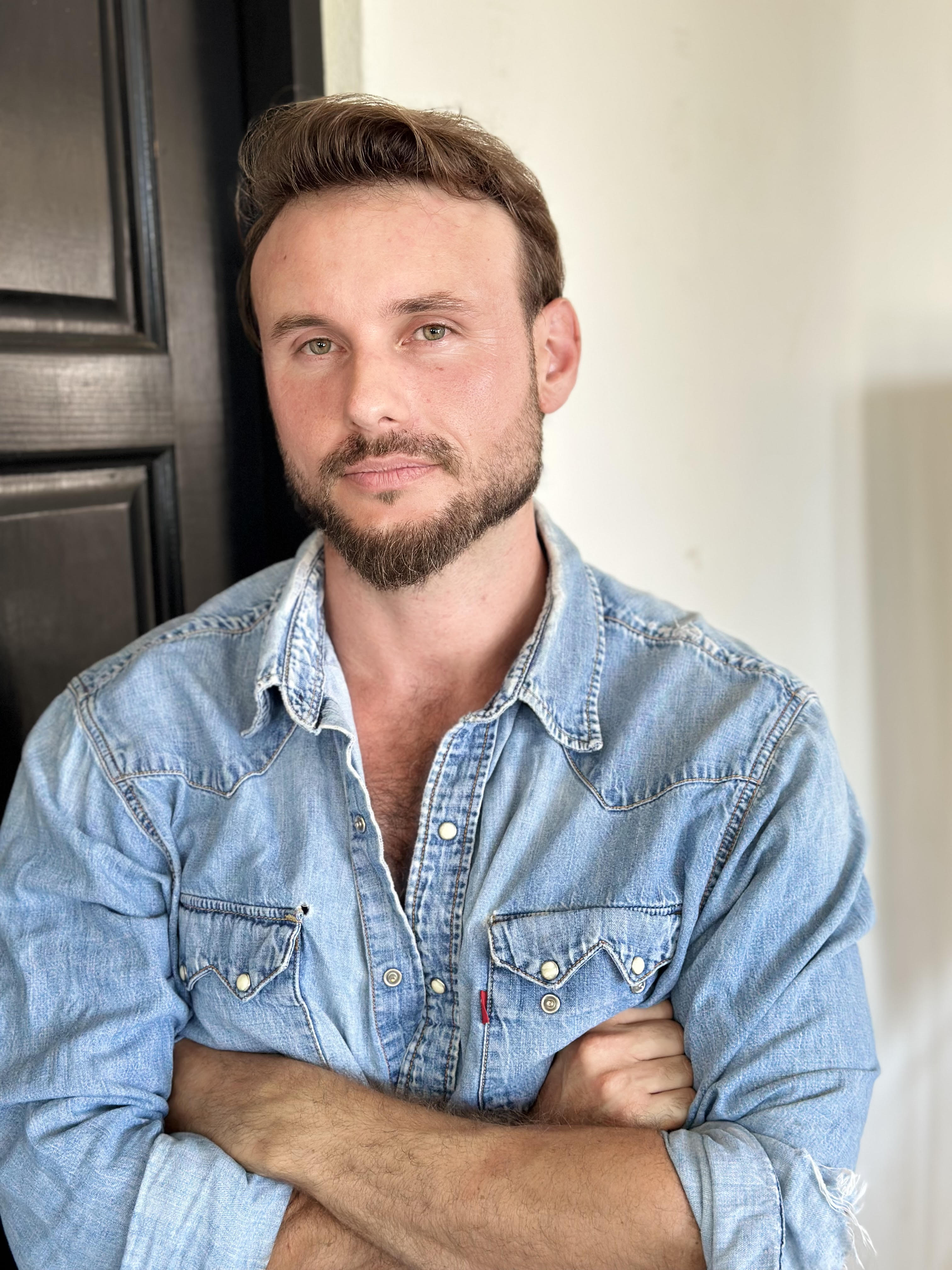
About this episode
Clare Wood went from failing her first accounting subject to building a career helping business owners understand their money.
In this episode of The Breakthrough Moment Podcast, Clare and Zac discuss money mindset, profitability, burnout, business growth and the simple 90-day cash-flow system she uses to see financial problems before they arrive.
Episode notes
- 00:00Meet Clare Wood
- 01:43Failing accounting became her breakthrough
- 04:46Why failure didn't make her quit
- 10:39Losing her corporate job and starting a business
- 14:26Clare's beliefs about money
- 17:14Why finance should be explained simply
- 19:47Health, slowing down and entrepreneurship
- 23:31The pressure to constantly do more
- 27:53Why doing more doesn't always create more
- 30:58What intentional money actually means
- 34:44The cash-flow problem business owners overlook
- 35:00Clare's 15-minute cash-flow system
- 37:58Why she forecasts 90 days instead of a year
- 40:41Who Clare works with
- 42:26Clare's breakthrough challenge
- 44:03Final thoughts
Chapter titles and timings from the published YouTube description.
From the conversation
Excerpts from YouTube automatic captions. They may contain transcription errors. Play a timestamp to hear the original conversation.
Meet Clare Wood
Welcome back everybody to the breakthrough moment podcast where we interview successful entrepreneurs and investors and ask them what is their breakthrough moment, the moment that changed it all and took them into another level of success or impact or insight. And as they share that moment with us, us at home have breakthroughs as well. I'm Zach Dean with special guest Claire Wood. Welcome. Where are you tuning in from? >> Coming to you from the glorious Gold Coast in Australia. >> Oh, jealous. Very cool. Very, very cool. Well, today's podcast is going to be all around money ...
Losing her corporate job and starting a business
>> Yeah. Well, if it's all right with you, Zach, I might actually backtrack to talk about how I got started because I think that that was another big breakthrough moment for me. So, I finished my accounting degree um and I then went and started working as an accountant. I worked in in finance for many years and you know I've lived over in London and I never really loved it if I'm honest with you because accounting is very a a lot of it's doing the same thing over and over again and I'm someone who likes to ...
Health, slowing down and entrepreneurship
our mindset. I really believe after interviewing so many people that those that are the most successful treat entrepreneurship as an elite athlete sport. They don't just look at it as one thing of like you kind of stick stay in the office 24/7 and expect yourself to be successful long term. Maybe short term but not long term. And so they really, you know, look at their health. They look at their mindset, the people they're around, the look at their family and their spiritual connection. These are all vital components of the pillars of of entrepreneurship. What are ...
What intentional money actually means
all resonance, all energy. It's like how we show up and and and like attracts like. And so if I'm always bringing stress and chaos and like burnout into my days versus if I'm bringing peace and calm and and like rest, it's going to create a complete and as the more that I step into the rest part as well as the I take a lot of action. So I like have to practice that rest part, the more I'm actually creating like more abundance. I'm creating more money. I'm creating better relationships. I'm showing up better in events ...
Why she forecasts 90 days instead of a year
that long. Um, but every week it's only 15 minutes. And all this cash flow forecast is doing is you put in your opening cash balance. You say how much is coming in, how much is going out, and then at the bottom it will tell you is your cash going to be positive or negative. And what this does is that it's giving you that look in advance and you can say, "Oh crap, if I don't get any sales in four weeks time, I'm going to run out of cash." So, you've then got those levers to pull. ...
Read the episode transcript
YouTube automatic captions. Names, punctuation and wording may contain transcription errors.
Welcome back everybody to the breakthrough moment podcast where we interview successful entrepreneurs and investors and ask them what is their breakthrough moment, the moment that changed it all and took them into another level of success or impact or insight. And as they share that moment with us, us at home have breakthroughs as well. I'm Zach Dean with special guest Claire Wood. Welcome. Where are you tuning in from? >> Coming to you from the glorious Gold Coast in Australia. >> Oh, jealous. Very cool. Very, very cool. Well, today's podcast is going to be all around money and helping people look at their numbers. And there's something that you're going to reveal at the end of the podcast that got me so excited. So, let's jump into your intro and share your breakthrough moment and and share some amazing nuggets of wisdom for everybody today to for them to also have a breakthrough. So, most people avoid money conversations, but Clare Wood runs straight at them. CPA and business strategist with 20 years of helping servicebased founders actually profit. So if you want to profit, this is your time. Best-selling author, podcast host of the Intentional Money Show, where she interviews all walks of people regarding their money journey, currently focusing on AI. And the reason rooms full of entrepreneurs book her is simple. She makes you believe you can fix your numbers and gives you the strategy to do it. Stick around to the end where CLA's gonna re reveal the 15minute hack so you never run out of money ever again. It's the best. Or cash ever again. Welcome to the Breakthrough Moment podcast, Claire. What has been your biggest breakthrough moment? Let's start there. >> Well, my big breakthrough moment actually happened um when I was at university. So, I went from school I was a straight A student at school. I was a bit of a dork. And when I went to uni, I was studying accounting and I thought, "This is amazing. I'm so smart." [laughter] And I failed introduction to accounting. Now, I was doing an accounting degree. So, you can imagine actually failing a subject was pretty um yeah, a bit of an all-time low moment for me. And so, I was in a flap. What does a straight A student do that has, you know, failed the thing that they thought they were going to do with the rest of their life? And the careers counselor at university said to me, you're obviously no good at accounting. You need to pick a different path for your life. And you know, Zach, I know you're the same kind of person. When someone says you can't do it, I was like, well, I'm going to show you. So, I decided that I wasn't going to pull out of accounting. And I've now built a whole career and business all around teaching people about money. And the reason why I look back at that moment and see that it was so pivotal is two things. Firstly,
you know, when someone tells you it's too hard or you can't do something, you just keep on going. You don't give up. And the second thing is that it really taught me a lot about I guess accountants and people that talk about finance because I thought in that moment I'm stupid. I don't understand it. This doesn't make sense. Um I just didn't really understand what was going on. And really obviously I've now I now do this for a job. It wasn't that it was that hard. It was just that my lecturer was a as boring as Like the way that he was saying things was just one-way trip to Yornsville and secondly was that he was using really big terminology unnecessarily. And this is something I find with a lot of accountants but a lot of professionals is that instead of explaining something in plain English, they want to impress you by how intelligent they are rather than thinking how can I make this as simple and easy as possible for the person who is receiving information. And so those two moments for me, those two things have just completely changed the trajectory of my life and how I'm able to serve and give back to other people. very cool and you're doing some big things. So, there's something that needs to happen in someone's mind for them to see failure as the direction to as as a as a prompt, an AI prompt to keep going, right? But some people take the prompt of failure as I'm quitting and I'm going to change directions. So, why did you continue? >> I was just stubborn really. [laughter] I just I knew I I've always had this deep deep belief in myself and you know life especially business it you get thrown a lot of mud in your direction and I think that having that core belief in myself and saying I can keep going you know and and over the years you know I've been in business for a long time now and you you have to kind of go okay I'm going to pivot I'm going to take that feedback or I'm going to leave that feedback like how can I take the how can I just keep moving forward even if there is a bit of a speed bump. I think it's a speed bump not a stop. >> That's right. They say it's uh it's it's on the way not in the way. So it sounds like you had like a really big dream or vision to to want to be in this career in in industry. Uh and you mentioned that you you had this deep belief in yourself. Where did that come from? >> I really do think that um it came from my childhood. I look back now and I come from you know parents that had no money
and we but one thing that we always had was a lot of of love in our household. And I remember that my mom constantly would say to me, you know, anytime something would happen, I'd say, "Someone says that my hair sucks." And mom would be like, "They're just jealous of you, love." And I think that I just had this affirmed belief along the way that, you know, you're great and you're worthy. And um and for me, there must be also something in me that received that because I do know that some people can also have that experience and it doesn't translate. But for me, um, you know, it I it it all kind of clicked together and I am just a, you know, a positive person and I really just do have that deep-seated faith. It doesn't mean that it doesn't wobble at times. Absolutely, it does. But at my core, I truly believe in myself and my inevitable success. >> So interesting. I want to unpack this because like you know it's our mindset creates our reality. It literally creates every second and you change your reality. We change our reality. We see the world differently. We interact differently. It creates a different direct trajectory and destiny. You mentioned like this deep this deep uh seated faith and this like the childhood that specifically like what was it about the childhood? Was it was it was it your parents had a pretty powerful mindset. Were your parents entrepreneurial as well? >> Did you have a mentor? >> Absolutely not. [laughter] >> Okay. I I mention my parents because I do I do think that there is this >> you know that there's voices that stick in our head and you know again I was you know lucky that I felt my perception of my childhood was that I was receiving a lot of praise a lot of you're worthy a lot of you can do anything you're amazing and I I recognize that many people don't have that privilege and I also recognize in my own unit you know that not everyone received the same information the same way or has gone on to have the same um belief system I guess as me and I I I want to also say that there is the power of us to completely change how we are perceiving things and reading things and you know taking that data and filtering ourselves. So even if you weren't blessed with that kind of um childhood or feedback you can still say okay I'm going to choose to think differently about this or I'm going to process that information differently. I'm going to I'm going to take this and and receive something different. And I think a great way to do that is through surrounding yourself with positive and successful people. So, you know, while I had the positive year, I probably didn't have a lot of success surrounding me growing up. And I've intentionally got in circles got around people who are, you know, creating real financial success
and and wealth. And those are now the voices and people that I'm around all the time because that's something that I intentionally want to create for the next generation as well. So, you know, yes, there's the, you know, your childhood can form part of that. And also, you can intentionally say, how do I get in circles? How do I get those voices around me if that wasn't what my childhood was or my schooling um experience was or you know, your mentors growing up? How can you get into that energy and those voices and those circles where things are really normalized? Because I do think that that's really powerful in terms of changing what your life looks like as well. >> Super interesting. For sure. Isn't it amazing the power that our environment has on us? Especially growing up and the people around us and the words that they say and we say and that we hear and social media and everything like everything impacts us, you know. Um it's so so important. And so doing CPA work and then now kind of I feel like you've you've maybe broken some uh some norms or like status quo. You're doing the podcast. you're creating your own, you know, ecosystem with everything you're doing. What is it about the the industry that you kind of done differently? Cuz it sounds like you're a bit of a rebel [laughter] and you don't like to do everything by by the book. So, yeah. Like, what have you done differently within the industry? And um I'm sure that's created a much more exciting uh career path as well. Yeah. >> Yeah. Well, if it's all right with you, Zach, I might actually backtrack to talk about how I got started because I think that that was another big breakthrough moment for me. So, I finished my accounting degree um and I then went and started working as an accountant. I worked in in finance for many years and you know I've lived over in London and I never really loved it if I'm honest with you because accounting is very a a lot of it's doing the same thing over and over again and I'm someone who likes to do things a bit different as you mentioned earlier. So I did move into more this commercial analytical space where I was taking the numbers and interpreting them and helping the leaders in my company at the time say well okay this is your report instead of just looking at this report thinking what the hell does this mean I was explaining to them what it meant and people always said to me oh my gosh the way that you explain this is really clear like all the finance nerds have never really explained it to me like this before and then um I reached a time in my corporate career. I was pregnant with my first child. I had my first child and I got made redundant while I was on maternity leave. And when that moment happened, I was suddenly with a newborn child. My husband had just started a business while I was 7 months
pregnant. So, he was also brand new in business. And all of a sudden, we had this massive Sydney mortgage, a little baby, and no income. And anyway, I was helping my husband with his business and he's like, "You're really good at this." And I said, "Yes, I am here. You could do this for a job." And that was literally how it started. I told um a relative about I said, "Oh, I think that I'm going to help people with their businesses." And that basically she referred some people to me and it's just blown up from there. But my big passion, I know it sounds really dorky maybe to the average person, but I love money and I love teaching people about finances and especially showing people like it doesn't have to be boring and it doesn't have to be hard. You can actually learn how to look at your numbers without it feeling, you know, crappy or overwhelming. And um yeah, that's kind of what got me started on this journey. And a big thing I guess that I do differently, I am quite spiritual as well. I'm a bit woowoo and so I bring a lot of the mindset components in as well on into the work that I do. >> Okay. So cool. So like I can just hear it in your language around money. You know, I get to interview some awesome people and there there really is this obvious clear difference in how they think, in how they view their industry and specifically money. And you were saying, I love money. It doesn't have to be hard. It doesn't have to be overwhelming. I love I love to teach people. You know, these are core beliefs that have created your identity. And it's so clear that like how we how we believe uh well you know what we believe and then who we believe we are creates just what we do on this planet. It's so interesting. I just yeah you know it's so relevant with who I'm who I spend time with here in Bali and traveling and meeting people and different walks different ages is there's such a obvious distinction in how people talk which is a big part of their success. Now, two things. One is you have these like awesome beliefs around money. What exactly what are some other ones? Like what are some key fundamental beliefs that you wish other people also had around money that would also help them? Quick before we continue, a brief message from today's sponsor. If you're an entrepreneur wanting to grow your personal brand, authority, and business through podcasting, then check out finderodcast.io. As you know, the biggest entrepreneurs in the world, they book these massive podcast tours before a big product launch or an event or book because podcasts build trust faster than anything else online today. So, it's find apodcast.io. It helps you connect with a specific podcast in your niche. It writes the pitch. It follows up in this easy CRM. It truly does save time. So, you just
show up, do the podcast, and your business grows. If you're curious to learn more, book in a demo at find apodcast.io. Now, let's get back to the episode. >> Okay. Firstly, so you can make it fun and easy. Um, I think I've already said that one though. Um, >> yeah, let's keep saying that though. Keep saying that. [laughter] Money is fun and easy. Money is fun and easy. >> The other thing I think is that um, you know, who you surround yourself with really does make a big difference. And I mentioned that earlier. I do want to do a shout out, I guess, to my first um coach or mentor in this space. Her name's Denise Darfield Thomas. And I remember I first stumbled across her um a friend sent me some of her work where she talked about money mindset. And Denise is this very down to earth Newcastle woman. um she was barefoot in her photos and wearing jeans and um I it just completely blew my mind that she'd become a millionaire and she used to talk about how she'd bought this waterfront home and at the time that just seemed so can't even explain how beyond my normal circle or way of thinking that concept was. I now live in a waterfront home. And even saying that out loud, it feels so weird and surreal. And it really is like it's the most incredible thing to have water at the back of your house. And I I know that that journey started because I signed up for her course. It was $2,000, which seemed like the most inconceivably expensive amount of money at the time. I had to go on a payment plan. It was $200. was the first payment. I was sitting there looking at my I didn't even have $200 and then I something happened. I got a payment came in or a reversal happened and it was the $200. I said this is a sign and I put down the first payment and you know Denise and I are now friends. we hang out and I think back now to wow that was that was such a huge big leap for me at the time and I'm so proud of me for being courageous and believing in myself and investing in myself because that changed the trajectory of my life. So that's probably the next thing that I want to say to people is like get in the circles, get in the room. Zach, you've said this being in Bali, like how much does it just change your thinking when you hang out with people doing bigger different things and so that's sort of probably the next thing that I'd say. >> Very cool. Very, very cool. >> And you mentioned that you explained money different. One of the things that you do differently, whether it was, you know, how you then inspired your your partner, your husband to like for him to see, oh, you should do this. What is it about what you share that is different?
>> I honestly just think I just don't use big language. I'm not trying to impress people. I'm just trying to explain it using plain simple English. And I think that that is where a lot of accountants and academics I guess get stuck is because through university I remember I'd write my assignments and then I think I've got to go and put some big words in to impress my lecturer. Like that is how we are taught to be smart is by using big words and trying to impress the person that we're talking to. And actually something that I've learned is that it people just want to hear it in plain simple English. If I go to a doctor, I don't want them to tell me, you know, it's some s I don't know, some big medical term. I'm like, just say you've got cancer. Like explain it in words. We're going to understand because that's really how people are going to get the most out of the conversation. And so for me, I I just am trying to make it as easy and simple as possible. some easy, simple, and fun. Let's bring it on. And yeah, no one's got cancer. Everyone's just got a big bank account. Let's [laughter] a new affirmation. >> That's it. There's actually a fabulous one online. I don't know if you've heard it. It's like every single cell inside my body, every single cell is happy and well. I love that one. [laughter] >> Yeah, I've been hearing that, too. That's going viral at the moment. I've been saying that a lot uh since then, too. So, it's a really good one. And I do a lot of tapping like EFT ton of tapping and different meridians and stuff like that. There is so much so much we as entrepreneurs are not doing to improve our health to improve our mindset. I really believe after interviewing so many people that those that are the most successful treat entrepreneurship as an elite athlete sport. They don't just look at it as one thing of like you kind of stick stay in the office 24/7 and expect yourself to be successful long term. Maybe short term but not long term. And so they really, you know, look at their health. They look at their mindset, the people they're around, the look at their family and their spiritual connection. These are all vital components of the pillars of of entrepreneurship. What are some of the things? You seem super healthy and vital. Your energy is like glowing. What do you you do to fill your cup up? What are some of the non-negotiables that may make sure that you maintain this energy? If you have a business on Facebook or Instagram, you need to learn about this new amazing AI automation tool. The question is, is your personal profile or business profile manually messaging your target audience every single day? If not, I highly recommend you do this. There's a massive ROI on that. But if you are, there's a more cost-effective strategy. So, this is a unique AI software. It runs for you your friend requests, the messages, the likes, even the comments
24/7 in the cloud. So, while you're watching podcasts like this or taking calls or while you're sleeping, it's running there in the background. Some of these people are pulling in another 5 to 20 extra qualified leads every single week on autopilot. You can experience the podcast special trial and try it for yourself today. Check it out in the show notes below. Oh, there's a couple of things. I'm actually on a bit of a journey around all of this at the moment, and I'm not nailing it. There are certainly some areas that I need to improve in, but something that I am really, really diligent with is moving the body. I train five times a week. I go for walks every day. I think that movement just has to be an integral part of your health and happiness. Um, and eating great food. I think that again very privileged to be able to be in a country where we've got access to you know greens and a a really beautiful balanced diet and again I think that um yeah a lot of people don't have that privilege. So, if you are someone who does eat well and look after your body, um I also at the moment have been really intentionally leaning into my feminine energy and trying to really slow down because I have a tendency um highly likely um that I have undiagnosed ADHD um but I have a tendency to go go and something that I'm really trying to do now is to slow everything down. I've been reading again for the first time in ages. I'm not jumping up to try and solve everyone's problems, which is something that I have a tendency to do. So, I'm really I've been working with my therapist on everyone else's problem isn't yours to solve. And so, I've been doing a lot of work to really spend some time actually just sitting and being quiet and being still. And it feels very unnatural for me. But, we are on the journey. We are all on that journey. No, 100%. I can definitely relate. Um, isn't it isn't it amazing how we can or I can, you know, want more for others than they want for themselves. >> Yeah. >> And I guess maybe there were times where other people wanted more for me when I didn't want it. And maybe this is the how life comes back around and the karma or whatever it flows. But >> yeah, where do you think that came from? You know, this isn't just a normal No, no, no. This is a a quite a common thing amongst women that are in the entrepreneurial space. And you know, I'm a big believer that we're living in a in a in a construct of the work environment that we live in, the 9 to5, Monday to Friday, um, uh, lifestyle, 2 days off, 5 days on. It's not sustainable. Not for men, not for women,
but especially not for women because you guys have a 28 day cycle with your hormones. Men have a 24-hour cycle with our hormones. And there's things that men are amazing at, women about. So, it's like I think a lot of the time, unfortunately, with um culture, there's this like high standard to hustle and go and to push yourself and it gets it gets it done, right? It it it gets the results. It pushes through. it gets um moves companies forward. Women are incredibly powerful and can do everything the same. Uh in business for sure, I'm very impressed. I follow a lot of female entrepreneurs and I'm like, "Wow, this is incredible." And we need more women in power in the right places. I do see though that this is impacting their health and their mindset. And I don't see it's like it's affecting men too. But like can you speak into where maybe for yourself where that came from or where where does this come from culturally for women? Uh and then like to slow down I think is the tip. But that is the it's easier said than done, right? >> Oh, absolutely. I mean there's there's a couple of different things in here that I I want to dive into if this is [laughter] all right. Um firstly, I know again this was modeled to me in my childhood. So I'm one of five children. My mom um was also a daycare mom which meant that she looked after other people's children cuz you know five isn't enough. Um so she we had no cleaner. My dad worked. He traveled a lot. Um he was studying as well. So my mom was and had to be superwoman. She did it all. And to this day though, even though we're all now grown up and moved out of home, my mom still cannot sit still. She races around like a headless chalk. She's wiping down, you know, cleaning, tidying. She still works full-time at 72 years old. She just you you were seeing this behavior. And then when I stepped into the corporate world, I also saw this behavior because the men, you know, I worked in banking, I worked in mining. And the men who were successful, worked hard, pushed hard, you know, stood up for themsel. And I was learning this is what success looks like. You have to be the person who's in first. You have to be the person who leaves last. And if you want to have a seat at that table, you got to play the game. And so that's sort of where I believe that I acquired those skills from. And then when you come into small business, it's it's you. Like if you're not getting the stuff done, who who is going to get [clears throat] it done? And so then there's that. And then on top of that, I you know, I've had two children. and again trying to run this ship, run a household, be a mom. There's all these jobs that really individually are full-time jobs in themsel. And so I think that it's just like I've just got to work harder. I've just got to do more. I've just got to get it done. And we put enormous amounts of pressure on ourel. And and then I think social media has played a role in, you know, I watch
other people. I'm like, she's a mom and she's doing it all and she's making all that money and she's traveling and you know, why can't I do it? or maybe I just need to do more. And yeah, basically I think I reached a point early this year where, you know, I'm sorry if I'm sharing too much, but you know, going through permenopause at the moment and realizing that my body is saying to me, you can't do all this stuff. You are going to burn out. And yeah, working on it with my therapist, um, in my mind, I'm like, I can't stop. Like the stuff won't get done. And she's like, "So what if it doesn't?" And just starting to learn. And the irony is actually, Zach, as I've started slowing down, other people are doing things because I'm not doing all the things all the [laughter] time. And so it's actually been really eyeopening for me. Um firstly, that some things just don't need to be done. Okay, my windows are a bit dirty at the moment. No one's going to die. um you know, the house isn't quite as perfect as I'd like it to be. Again, it's clean. It's I it, you know, it it doesn't matter that everything isn't done all the time. And equally, what I'm finding is that people are stepping up around and taking on things that I used to take on. You know, I used to um also be the head of a not for profofit. I had a a team there and I thought, I can't leave this. And then when I've stepped back, I'm like, "Oh, someone else has actually stepped up and they've taken on that role and I've just stepped right back and everything's fine and ticking along and um yeah, it's been a real journey." >> It's magic. When you don't do it, it gets done anyway. What a great hack. [laughter] >> It's so interesting. Yeah, teamwork makes the dream work. And uh >> I I've I've been through um challenges with my partners at times as well and and you know being there to to figure it out together is uh is a challenging thing and it's it's fascinating these programs that we've developed like taken on board from our parents and how we've seen other couples or social media or whatever like really crafts our reality. Um but I think the core belief that you touched upon there was this uh doing more. >> Yeah. Doing more. >> Just because I'm doing more does that mean it's more? It's like it's questioning that and you know as you mentioned like the feminine slowing down and dropping into like self-care and things. I was really grateful. My mother's a naturopath and so she taught me a lot of self-care practices. Uh and I got to see her focusing on supplementation and movement, you know, um just all the woowoo stuff as well, let's be real. Um and it was uh that was I just grew up in that. And then my other my dads and stepdads were also
into health and wellness, fitness, and things like this. So I kind of subconsciously picked up that. And I noticed now doing my work and I'm a workaholic. It's definitely part of my identity, but I'm also really good at catching myself now where I'm burning out where I'm like pushing the envelope and I'm like pushing through. Oh no, I'll just keep let me just finish this thing. Let me just do that or I'll just get that one thing. But I notice myself and how I feel now. I'm like, oof, if I keep going, I'm going to feel really bad. I'm going to feel more emotional. I'm going to feel tired. I'm going to eat crappier food. Like I I catch myself now. And then I go chill and rest. And I think my belief that's changed is like if I want to create a better life, a better life looks like more money, more time, more space, more peace, more more like abundance and possibility. And if I'm not actually scheduling those feelings into my life daily now, then how does my nervous system know to do the things that are going to bring that about? Or how do I, you know, it's all resonance, all energy. It's like how we show up and and and like attracts like. And so if I'm always bringing stress and chaos and like burnout into my days versus if I'm bringing peace and calm and and like rest, it's going to create a complete and as the more that I step into the rest part as well as the I take a lot of action. So I like have to practice that rest part, the more I'm actually creating like more abundance. I'm creating more money. I'm creating better relationships. I'm showing up better in events and on podcasts and like in my relationships. It's like it's changing >> as a result of that. It's been really cool. >> It's that story, you know, the Italian fisherman story how >> someone came to this little village and said, you know, oh my gosh, you bring in so much fish. Why don't you buy more boats and then you can bring in more fish and make more money? And then he's like, and then what? And then he was like, you know, and then you can retire and you have more time to yourself. And he's like, but I'm doing that like now. [laughter] And I think that sometimes we can create a bit of a rod for our own back if you think that more more more. But if you're not actually creating those feelings in the the moment to your point like well what's what's the point? >> Yeah. And I think it's really about being intentional with everything. >> And your podcast is called the intentional money show. So I'm curious why you use the word intentional and not unintentional. [laughter] the unintentional money show. >> But maybe that would be good for for clickbait. [laughter] >> Yeah, maybe. I mean, look, the the the reason I wanted to talk about intention is because something that I was seeing with the business owners that I'm working with is that people sometimes get an idea in their head like I have to be making profit all the time or I have to be, you know, my business has to look like this. And something that, you know, my experience working big corporate companies is that yes, they're wanting to make profit, but sometimes they're making investments in the business that
aren't going to return a profit for a extended period of time. So, you know, for example, if we went and invested like set up a brand new shop, when you first go and hire the staff, do the fit out, buy all the clothes for the shop, you're actually going to be going backward for a period of time. And so there's this concept called the payback or the return on investment. And a lot of big companies aren't expecting to get their money back straight away. And I think that the reason I called it the intentional money show is because if people are hemorrhaging cash or running at a loss, I'm like, don't beat yourself up. everyone, you know, not every business owner, but you know, a lot of businesses do go through that period or um but are you doing it with intention or is this happening all the time without you being clear and intentional about what you're doing? So, what I wanted to do was encourage people to say, "Okay, well, let's build a plan. let's start to look forward at our our cash or our money so that you go okay yes I am going through a bit of a temporary dip here because I've hired some new team members or I've um started a you opened a shop or whatever it might be but my intention is that this is going to make me back money here and I've run the models and I'm tracking my money to make sure that I will get there over time and really a lot of the biggest companies in the world like if you look at at Facebook they didn't make a profit for 8 is they were relying on investors and um a lot of big companies that's what they're doing is that they are you know I don't know if taking a gamble is the right word but they they're going all in on something knowing that they're not going to get the money back straight away. So I guess that I've got a bit of a balanced view around profitability. Yes, you you know as small business owners, it's it's great to be making a profit, but some people are in a bit of a different circumstance where maybe they've got money behind them. Maybe they've got investors. Um, you know, I've worked with some women who have really wealthy partners and they're like, "My husband doesn't even care if I don't make money. He just wants me to lean in and create, you know, success in my business. He's happy to support me." Um, so different people have different circumstances and I just really want people to have a plan. So they're doing it with a bit of intention. See it? Intention, intention, intention. I think that's the theme of the podcast for sure. So this is the interesting thing, right? Apparently most businesses fail, right? What is it like 95% fail in the first 5 years or what are the stats on that? Just quickly before we continue, if you're an entrepreneur out there or a high performer who wants more clarity and direction in life or maybe you're going through some kind of turbulent transitional phase, I want to share with you something that I co-built. It's called the life blueprint system. It's an AI powered goal setting process that helps you create a personalized life blueprint. Kind of like an architectural plan or a business
plan, but for your life. And so it allows you to take and capture those big ideas, those those amazing thoughts you have and to turn it into a proven plan of action. And so if you want to stop guessing and start building your future intentionally and consciously, go to the lifb.io to learn more. Let's go back to the episode. >> There's like 70 fail in the first 5 years. Um it it's but 95% of them failed due to poor cash flow. So that well that's the stat that I heard. I've tried to find the sources of these things but it it does change but a lot of businesses don't make it to 5 years. Yeah. >> Yeah. Yep. Now they start a business and I've started many businesses and the intention is for success but what is it about the cash flow issue that's that's really the main core struggle there? What what's what is actually going on there do you think from your insight? Well, this is where I'm going to talk about that 15minute hack that I shared at the start. So, what happens with cash flow is that I believe that most entrepreneurs are a little bit delusional. We are hopelessly optimistic. You're laughing straight away. He's like, "Yep." Um, and so when perhaps our numbers are telling us something we don't want to see, we're like, "Oh, yeah, yeah, yeah. You know, it's it'll be fine. Everything works out for me. I'm just going to manifest it." And what my my cash flow plan is is to do a threemonth cash flow forecast. [snorts] And I do this every single Monday morning where I look 3 months in advance both for my business and my husband's business. And we are looking at the timing of the inflows and the timing of the outflows. So basically week by week by week you're having a look when is cash coming in and when is the cash going out. First time you set it up might take 30 minutes, maybe even an hour, probably not even that long. Um, but every week it's only 15 minutes. And all this cash flow forecast is doing is you put in your opening cash balance. You say how much is coming in, how much is going out, and then at the bottom it will tell you is your cash going to be positive or negative. And what this does is that it's giving you that look in advance and you can say, "Oh crap, if I don't get any sales in four weeks time, I'm going to run out of cash." So, you've then got those levers to pull. You can say, "Okay, right. I'm going to have to do a flash sale or I'm going to go put an offer out there. I'm going to go follow up my old clients to bring some cash in ASAP." Or alternatively, you can then look at your cash outflows and say, "Okay, well, what can I do about my cash outflows?" So, an example of this that I love to share, years ago, I had a photo shoot planned and um I don't do photo shoots by halves. I get the house. I get an assistant. That year, I actually got two assistants. I get a beautiful photographer. I go buy all new clothes.
I have a stylist. And that was in my cash flow forecast. And at the time, my cash was getting very tight. And I'm looking at this big investment for this photo shoot and I thought I do not need to do that right now. I can push that out. So I push that out by a couple of months just to free up some cash in the business. So sometimes it's around delaying things. Sometimes it's around, okay, well I'm going to have to tighten the reinss a bit around here. But what you're doing is that you're always looking forward. So you can say, "Oh crap, things are not going to be good in 4, 8, 12 weeks time if I don't fix it now." And so rather than waiting and being like, "Oh my gosh, I can't pay for that. How embarrassing. I've run out of money." You, you know what's coming and you can make decisions around, well, what can I do? What levers can I pull so that this isn't what unfolds for me down the track. >> Very cool. So, it sounds like this is a structure you've created. Is this something that they could download or could you give us a little bit more of more of an insight on how to develop that? Now, it's 90 days. >> Why not 6 months? >> Why not a year? >> Great, great question. So, for me, a budget I encourage people to do a budget as well. So, a budget is a 12 month monthby- monthth plan. 3 months for me, even really kind of 8 weeks. Anything beyond that for a lot of small business owners starts to become a little bit uh what's the right word? I take a bit of a stab. Um I know when I do my 12 month plan, you know, AI kicks in or COVID hits like you know things can happen that suddenly change your best delayed intentions for 12 months. When you're looking at that tighter window, you you can just start to get a bit more of an indication with really hard numbers. So, I only put things in my cash flow that I'm like, that's 90% going to land or I'm pretty confident that that's going to come in or I know that that person's in contract, so they're going to keep paying me for that period of time. I can absolutely share my template with the listeners if um if you'd like, Zach, I can send that across to you. Um, you know, it's just a little mini program course that um I've developed, but it really does empower people to um to be looking forward with their money. And this is something that big companies use that I've worked for. And I know that now with AI, people are asking about using AI for cash flow forecasting. At the time of this recording, I would say that old school is still the best way because AI won't know that um at this point in time, again, maybe in the future, but like I know I've got some clients and I'm like, they always pay late. It's just what they do. So I can overlay that insight. I know that um uh you know I know that I can push out an expense. I say oh that person doesn't really mind if I pay a bit late so I
could push that out by a few weeks if needed. You know there's certain intuitive things that um and again down the track this may change but at the moment AI isn't doing a great job of cash flow forecasting in my opinion. So, I still think old school spreadsheet. You know what's going on. Move things around. Um, and yeah, just have that confidence to know I know that my cash is going to be solid and that I'm I'm going to have the money in my bank account when I need it. >> So, good. What a great support you are for people. I just feel so optimistic with my money situation and my wealth and my savings and my budgeting. Just from hearing you talk, I'm like, "Oh my god, it sounds easy and it sounds fun." Um, so how can people get in touch with you? I'm going to put all your links around here for your podcast and your work. I know you've got your book. Uh, who should reach out to you and who do you serve? Great question. So, I'm working with established business owners um, who are really at that sort of scaling stage. So, most of my clients are building team. They're starting to make those big decisions and say, "Do I hire? When do I hire?" Um I that's kind of in the founder space. I also do a lot of speaking. So I speak at conferences and events and for corporates I also run workshops. So for any people with scaling teams a lot of times what I find is that you know someone might be running an engineering firm and got a lot of great engineers but they don't really understand what a profit and loss means or a balance sheet or how to forecast cash. And so I really help anyone that isn't great with money to just get more empowered and more confident with their business finances. Uh so that's a little bit about what I do. Yeah, >> I'll I'll put your links around here. Everyone please reach out. Claire, uh yeah, that little download would be super helpful. I think everyone would love that. And so everyone should download that and get into this. Um you know, the whole idea of the podcast is around sharing your breakthrough moments. And we've shared a couple of them which you know give us some insights into who you are, why you do what you do, which is super inspiring. Now the idea is how can we help other people have a breakthrough? You know what I really like when people listen to the podcast is that they have those aha moments and like oh yeah that's my breakthrough moment and they put it in the comments and I get to read them. Um but what if what challenge or suggestion would you have if people are also wanting to have a breakthrough in their life today, this week, this month regarding their finances and their money? What would you say is the the one thing they should do? >> I think two things. One, he's like, "Give me one." I'm like, "No, >> give me 10." >> Uh I think follow those intuitive nudges. So if something in you has always wanted to start the business or um hire the team member or invest with that mentor, listen to that but also just take action because I think so many people delay whether it's looking at
their finances, whether it's doing the thing just take a step forward because fear will keep you stuck but actually just following that you know actually taking action is where the results happen. >> Awesome. Awesome. Great advice. Thank you so much for coming on the show today and sharing your pearls of wisdom. I've got a page of notes and you know what I really took from today is that we get to choose our beliefs. We get to choose what goes into our mind through who we spend time with and the habits that we we we action every single day. They all play a big part in our mindset. And the more that we can level up our belief systems around money, it sounds like life just gets easier and easier and easier. So, um yeah, you've been an amazing example for that. So, thank you so much everybody at home. What has been your breakthrough moment? Please share in the comments. And who do you know who would also benefit from today's episode? But any final comments, Claire, before we wrap it up? Pause. Before we continue, the first way we as entrepreneurs introduce ourselves when we walk into a room, it's our energy, right? People feel that. And secondly, it's our face. How healthy do we look? So, for the entrepreneurs out there who care about how they show up, I'd love to share with you. Personally, I've been utilizing some Korean skincare products now just for over a month, and I had no idea about them um up until, you know, even just two months ago. But it's by far one of the best investments I've made for my skin. I feel it's literally making me look younger and it has this like glossy super fresh look. And so, this is the number one exported Korean beauty brand and skincare line in the world. The ingredients are second to none. Even pregnant pregnant women can utilize them because out there there's so many products that have toxins in them that really make our face not healthy over a long period of time. And so if you're out there and you want to match the energy that you output with how healthy you look, you can try all these products risk-free for 30 days. If you don't like them, send them back and get all your money back. If you're out there, if you're curious, check out the link below to learn. Let's get back to the episode. >> No, I just wanted to say thanks so much for having me. I I love the concept of this podcast and you just bring such an amazing energy. So, um, thank you for sharing your magic with the world. >> Thank you so much. Appreciate it. This is how I've started my day. So, thank you so much. I'm off to off to the races today. So, everybody at home, thank you so much for your time. We'll see you next time on the Breakthrough Moment podcast. Thank you, Cla. Over and out.