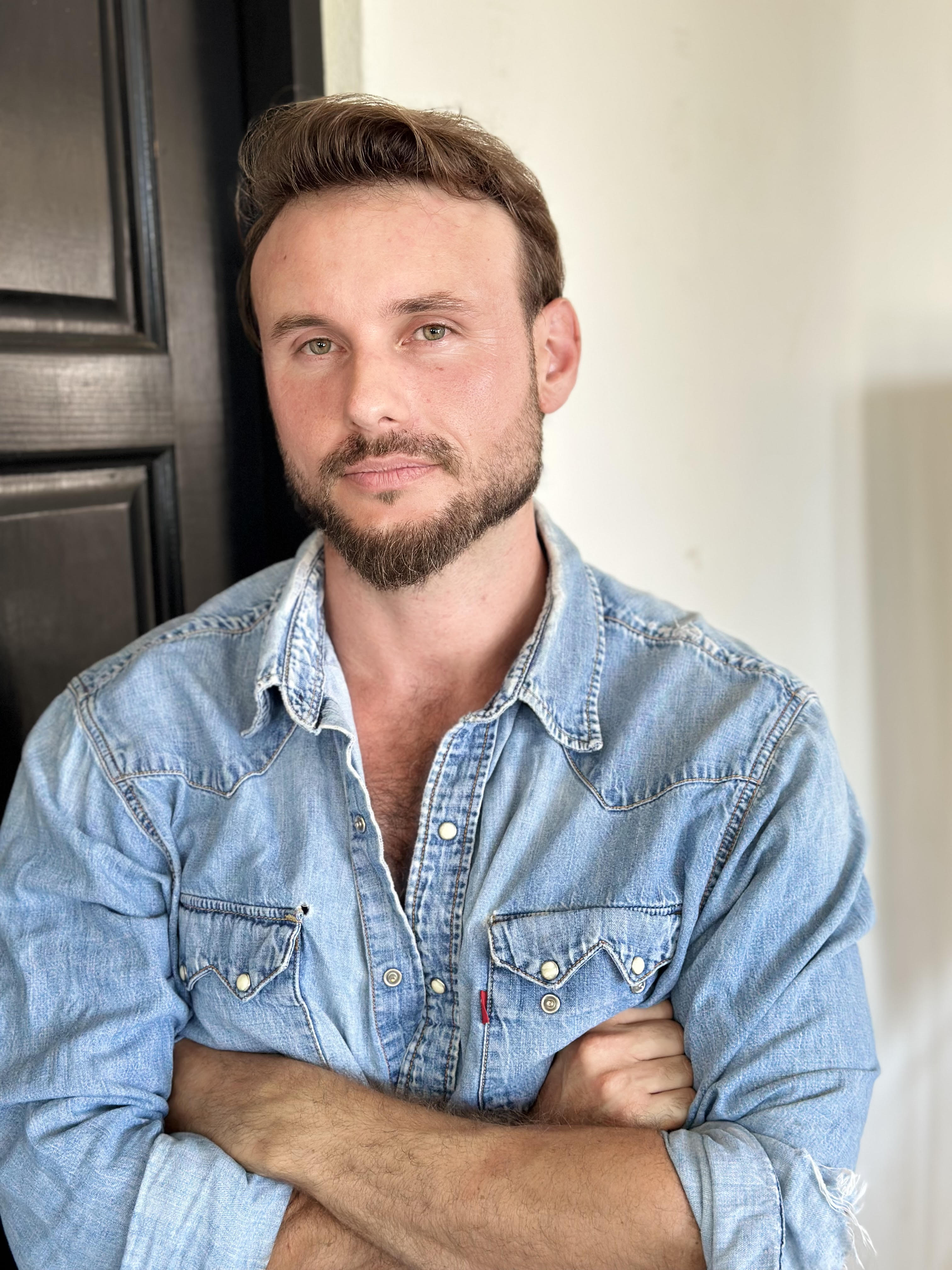
About this episode
What would you do if you lost your job and had only two weeks of money left?
In this episode of The Breakthrough Moment Podcast, Zac Deane sits down with entrepreneur and mentor Dom McKenna, who shares how losing his corporate job during the global financial crisis and getting sober became the turning points that changed his life.
Dom opens up about overcoming addiction, rebuilding his identity, developing self-confidence, and creating a new future through entrepreneurship and personal growth.
They explore the power of your environment, why success starts with self-trust, the importance of resilience, and Dom's 4 O's Formula for Winning: Out-Improve, Out-Strategize, Outwork, and Outlast.
Episode notes
- 00:00Meet Dom McKenna
- 01:47The two breakthroughs that changed his life
- 03:13Losing his corporate job during the financial crisis
- 07:08Why you should build income streams before you need them
- 10:47Tall poppy syndrome and the fear of success
- 13:11Compassionate capitalism and giving back
- 17:08Growing up in an entrepreneurial family
- 19:54Generational wealth starts with generational habits
- 22:25How your environment shapes your future
- 24:50How addiction started and why he changed his circle
- 28:58The nightclub incident that could have changed everything
- 33:52How sobriety led him to meet his wife
- 35:48The conversation that finally made him get sober
- 38:46Rebuilding identity and developing self-trust
- 44:57How to build resilience and personal capacity
- 48:32The power of perspective
- 53:12The mindset of attacking life
- 53:59Why his purpose is to bring joy
- 57:59The 4 O's Formula for Winning
- 1:00:42Dom's breakthrough challenge
- 1:02:15Final lessons on self-image and growth
Chapter titles and timings from the published YouTube description.
From the conversation
Excerpts from YouTube automatic captions. They may contain transcription errors. Play a timestamp to hear the original conversation.
Meet Dom McKenna
Welcome back everybody to the Breakthrough Moment Podcast where we interview successful entrepreneurs and investors and ask them what is their breakthrough moment? That moment that changed it all and took them into the next level of success or impact or insight. And as they share that moment with us, us at home, have breakthroughs as well. I'm Zack Dean with Dom. How are you today, mate? Thanks for tuning in. Where are you in the world? >> I'm in Melbourne, Australia. Great to be here. Looking forward to our conversation today. Amazing. Amazing stuff. You're doing some big things ...
Why you should build income streams before you need them
you're an entrepreneur wanting to grow your personal brand, authority, and business through podcasting, then check out findapodcast.io. As you know, the biggest entrepreneurs in the world, they book these massive podcast tours before a big product launch or an event or book because podcasts build trust faster than anything else online today. So, it's findapodcast.io and helps you connect with the specific podcast in your niche. It writes the pitch. It follows up in this easy CRM. It truly does save time. So, you just show up, do the podcast, and your business grows. If you're curious to learn ...
Generational wealth starts with generational habits
childhood. And I was always had that stuff drummed into me, you know, possibility thinking, expectation, power of words, all that. And so and how could how could how could I not end up doing doing something for myself? How could I not end up doing something significant and awesome? Because Tony Robbins has a great quote. He says people's lives are a direct reflection of the expectation of their peer group. And so if I think I could well what was my environment growing up? It was all about possibility, expectations, growing yourself, reading. Like man, from a from ...
How sobriety led him to meet his wife
car, about four cop cars came around him and he had 3,000 pingers, ecstasy tablets in his car." And he got arrested. Here's the best part, Zach. He thinks you set him up because you put the shirt and took the shirt off his shoulder and signaled the cops. And I I was like, you know, they they they He thinks you're an informant and you put it You put it on his shoulder and you took it You set him up. And I was like, "What?" And he said, "Do Do not go into Surface Paradise for at least ...
The mindset of attacking life
be while they were asleep and sometimes they would come out of their house the next morning and they would see their neighbor's house crushed and everyone was dead. Perspective. There's too many stories that I've heard over time that I look Dude, it's a privilege for me to build the business that I built. It's a privilege for me to be on a call with you today. Like if I can keep that at the front and center of my mind, I don't become a victim or feel like I'm oppressed, which is some of the stuff that I ...
Read the episode transcript
YouTube automatic captions. Names, punctuation and wording may contain transcription errors.
Welcome back everybody to the Breakthrough Moment Podcast where we interview successful entrepreneurs and investors and ask them what is their breakthrough moment? That moment that changed it all and took them into the next level of success or impact or insight. And as they share that moment with us, us at home, have breakthroughs as well. I'm Zack Dean with Dom. How are you today, mate? Thanks for tuning in. Where are you in the world? >> I'm in Melbourne, Australia. Great to be here. Looking forward to our conversation today. Amazing. Amazing stuff. You're doing some big things and the more I learn about you, mate, the better it gets. Uh we've got a few similarities in our story and so I think this is going to be a really powerful podcast for a lot of people out there. Uh let me do a quick intro for you and then we'll dive into your breakthrough moment. So, everybody at home, Dom studied law at Bond University, then walked away from the legal profession to build a direct sales business and to develop leaders across multiple countries. He's done very, very well for himself. He has nearly two decades of watching people perform under pressure, success, and fail and everything in between. And the part that shaped everything he is 18 years clean and sober. Massive achievement, which is huge. We can definitely talk about that. Today we're asking the question most high achievers never stop to consider. How do you kill it in business without killing each other? Right? It's a team sport that sometimes high stakes causes high stress. Stick around to the end where Dom is going to break down the 404 formula to winning. If you guys like winning, stick around to the end. Don't miss it. Dom, welcome to the Breakthrough Moment Podcast. Let's start with your breakthrough moment, mate. >> Great to be here. I'm looking forward to sharing it, man. I uh I I had my breakthrough. So, I grew up on the Gold Coast, but I had my big breakthrough. It was actually two things at once, two two simultaneous these happening. And the the first one was I went and studied law. I came out of came out of school like all of us. I was choosing between acting and law. Acting, I like movies. Law, I liked arguing. I thought which one can I get paid more for? Logic said let's go to law school, so I did. And somehow I got through a law degree cuz I tell you what, man, I was not sober during that. And I ended up doing my law degree, started working the in the corporate world in the right when the global financial crisis was happening. And and right at that time as well um I actually got sober, clean and sober. I had a terrible run with drugs and alcohol. And and I did two things two things in the same 12-month period. So I I call it a multiple breakthrough moment. One was I decided to leave law. I had lost my job during the GFC, which was a massive wake-up call financially, similar to what people had in March 2020 with COVID. And then my second my second breakthrough was I actually gave up drinking and drugs completely. And I've been sober 18 years now. But those two those two things in one year were a significant breakthrough turning point for me. And I'm looking forward to sharing about it all today.
>> All right, take us into that moment, mate. I'm so curious. The first one. So you lost your job during the financial crisis, is that right? Like where were you? What happened? And then what did you do next? >> Yeah, so I was like a lot of people, you know, coming out of coming out of uni. I I was walking into a climate in 2008 where it was very difficult to get a job. And and I was I just jumped in anything that I could. And I started in retail shopping center development in-house trainee role. And man, I'm telling you I was working 70-80 hours a week. Just consistently. Like it was expected. And you know, I feel like a lot of the times in the early days of the corporate world, we don't work for money. We work for a title and we work for status. And the hope of future promotions, Zach. And gosh, I'm glad to be out of that. And and so I'm I'm working my absolute butt off, you know, weekends, the whole thing. And uh and at the end of my first year, you know, I'm I'm expecting pay rise, promotion, things are going to go my way because you know that the old the old formula was if you just work hard, things are things are going to work out for you. And uh they didn't, you know, circumstances changed, environment shifted, and um the property market collapsed Queensland around Australia all off the back of the the GFC, and uh I got told, you know, I was finishing up um not long after. And that was a that was a huge blow, man. And I think it was a massive blow because I fell into the trap that a lot of people fall into. I actually attached my identity to my career. I'm Dom, I'm a lawyer, that's what I was going to be. I'm Dom, I'm a lawyer, I'm Dom, I work in law. Like it was a really it was the big big status thing for me, and uh I had a massive identity crisis. And uh and it was interesting because during that year as well, that was my first year being clean and sober. And so, not only um had I gone through and a significant environmental shift of hanging out with people who Man, people people love partying with me. I was a lot of fun, Zach. I'm still a lot of fun, but man, I was Tell you what, I was two tons of fun back then. It was It was um the Ministry of Sound era, you remember it well, right? Um Avicii was on a tear as well. And uh anyway, I I gave up drinking and drugs, which was just absolutely destroying my life. And so, the first one, giving up law, that that was I gave it up because I got to a spot at the end of that first year where I had a really tough conversation with myself up in Brisbane where I realized that I actually had two weeks two weeks of money to support my life after I'd lost my job. Living week to week. And there's a great quote by Malcolm X, and he says, "What we do not hate, we eventually tolerate." And I hated that so much that I made a promise to myself that I would never get in that situation ever again. And I haven't I haven't been in a spot where I'm living uh Now, that didn't happen straight away. As the amazing Ernest Hemingway says, "Great things happen gradually then suddenly." Um I had to build my finances, I had to build my mindset, I had to transform who I was so that that wouldn't happen again. And then the other one was obviously um getting rid of the party scene, getting away from all that. And uh I lost a lot of friends during that. Lost a lot of um what I would call weekend friends. And so, two big seismic shifts in a 12-month period. But looking
back, Zach, that was the best thing that could have ever happened to me. By far. Transformed me. >> Wow. I can tell you're you would be the life of the party for sure with this amount of energy. Uh let's keep it at this this level, though. This is great. This is This is more than enough. Um congratulations and all that. And that's that's that's a huge achievement. Uh there's so many pearls of wisdom and little nuggets of quotes that you're sharing already. I feel like this is going to be one of those podcasts I listen to a couple times. Um take us into that moment where you felt like there was this hope for the promotion and then, you know, it it wasn't what you expected to be. There's so many people out there who maybe they're in a similar position and they're looking for something else or more or that that maybe they've got the 2 weeks left of money that's the the end or they're living week to week. What advice do you have for them knowing, you know, you're kind of on this other side and and doing what you're doing today? What would you say >> to them? Quick, before we continue, a brief message from today's sponsor. If you're an entrepreneur wanting to grow your personal brand, authority, and business through podcasting, then check out findapodcast.io. As you know, the biggest entrepreneurs in the world, they book these massive podcast tours before a big product launch or an event or book because podcasts build trust faster than anything else online today. So, it's findapodcast.io and helps you connect with the specific podcast in your niche. It writes the pitch. It follows up in this easy CRM. It truly does save time. So, you just show up, do the podcast, and your business grows. If you're curious to learn more, book in a demo at findapodcast.io. Now, let's get back to the episode. >> So easy. I'm just going to talk to them like I'd talk to myself. And the beauty of now being um 16 years later and looking back thinking, "Geez, what what what would I have changed what would I have told myself?" I would have said, "Dig your well before you're thirsty." I think one of the biggest mistakes we make in Australia is cuz we live in this this I mean, I love it. You're in Perth right now. We're both Aussies. We love Australia. We always come back to it. But, one of the downsides of our culture one of the upsides of our culture is we have a very casual culture. She'll be right, mate. One of the downsides of our culture [clears throat] is is we become casualties of our own casualness. And I was a casualty of it because I was like, "Oh, this you know, this career is going to get me where I want to go." But, then I had a I had a a wake-up call. So, my advice would be dig your well before you're thirsty. Start building other income streams outside of work. Start doing other things. Start building other businesses. Venture out because there's just too many stories of people who have decided to be to be loyal to something which is not loyal to them. I I love this statement. It says, um I You can't You can't be um You can't make something a priority that makes you an option. And I I knew that in the corporate world I'd
grown up in an entrepreneurial household. I'd read enough of the Rich Dad Poor Dad's in those books that I I came to realize that human resources, that's a department, isn't it? HR, you get hired by HR. Zac, have you ever sat down and actually thought about what HR means? >> Well, this is human resources. And I think they rebranded it recently to like some other department. It's uh >> Of course. But, what's what's what what are we? We're resources. We're just a human resource. We're capital. It's it's all it's a spreadsheet numbers on a spreadsheet. Yeah, it's horrible. We're capital. And so, we're no longer uh when we're no longer resourceful or deemed to be resourceful, we're replaced. And it's so interesting, man. I am Two days ago I was doing a workout in my garage and I for a while I've been been looking for a couple of documents stuff from my early years of early years of employment. I actually found my last ever paycheck. It was incredible. And this paycheck, man, it actually says what my my it reminded me what my hourly rate was. And my hourly rate was $20 and $20.25 per hour. And I worked a 38-hour week. Now, you're you know as well as I do, I didn't work a 38-hour week. I worked a nearly 80-hour week. Which means that the guy at Nando's was making more money serving me a a chicken wrap than the guy who's working in law. But what what's so interesting is I look at that that paycheck and I think, man, that that was like that was if I had one thing go wrong in my life, I could barely afford to live that week. Now, that's about the equivalent to $1,000 a week in today's dollars, but it just reminded me, man, that I when I was no longer resourceful, I was let go. And so I just decided that's I'm not going to be in that position again. And too many people just sleepwalk through life in my opinion. They just walk through it and they're like, "Everything will be right. She'll be right." And most of the time she actually won't be right. Most of the time she's struggling with inflation. She's struggling with you know, cost of living. She's struggling with the government changing their mood on property prices. She's not actually right. It's way too casual an approach to a life that we have to be intentional on. >> It's so interesting when you think about these words and these these sayings, these phrases. Where do we even come up with that? Some of these things that we say in Australia are hilarious. But also like that we're stuck in our own prison of of these social norms, the tall poppy syndrome. >> Yeah. >> Every country's got its own thing. A belief system or kind of maybe curse for the lack of a better term. But >> um before you go another topic, can I dig into something with you there? Something that I struggled with early days was tall poppy syndrome. Um so I did a a talk on this at a business event last year and tall poppy syndrome is such It is probably one of the greatest hindrances to people deciding to to have more in life, be more, do more cuz they're worried about people thinking, "Oh, look Look at you, mate. You're a dickhead." Like you know as well as me, you live in you lived in Perth, lived in Melbourne. Like to to have a Mercedes is tolerable. To drive a Bentley or comes
with judgment. Now, you and I both spent time in America. You know, if someone drives a Bentley, if they drive a a really nice car, they're often celebrated for that. In Australia, it's like, "Ah, you really need that, mate?" Where does tall poppy syndrome come from? It comes from a 1980s or it's comes from an old-school um philosophy called egalitarianism, which really took hold in the early 1980s. And egalitarian was there needs to be enough for everybody. And if you've got more, there's not going to be enough for everybody. And so if we look at the origin of why that started, it is completely mis- misconstrued to where society is today. There is more than enough for everybody. And so why do we Why do we have this scarcity and lack in our culture that oh, if you have a lot, I don't have enough. It's like, come on, man. We live in a world of We live in a world where you create something, you bring value, you sell that to society, people find value in it, you're going to make money. If you don't, you're not going to make as much money. Now, I do believe too, you know, in a capitalistic society, which I love that we have cuz it creates the MacBook that I'm on right now talking to you. It builds the riverside that we're talking on. If we If we can start to live through a compassionate capitalism, which is yes, capitalism's good, but and the yes, there's downsides to it. There's greed, there's manipulation, but if we if we can look after other people and we can take people with us on the journey, I think it works it works itself out. >> Yeah, for sure. Contribution, impact. If you think about those moments, um or the people or the elderly where you've ever heard those stories of like what are the people at the end of their life, what do they regret the most? And it wasn't the extra hours working for someone else's dream. It was the risk-taking, it was the travel, it was the quality time, it was asking, you know, those deeper conversations, it's spending time with those we love. Um And those types of things, compassionate capitalism. Interesting. That's my life philosophy, man, compassionate capitalism. And that's And how I I just want to tell you how I exercise in that my in my life, too, is I I believe there's some people that go, "Oh, man, like when when have you got enough? Like there's got to be, you know, why do you want more? There has to be a a number you get to and so on." Now, sure, I know Morgan Housel in his book in the in the psychology of money says you've got to have an enough number. I get that because you don't want to spend your whole life just trying to accumulate. But something that I did of this philosophy was I actually decided that the money that we make, I'm going to give a percentage of of the money I make to a cause which is really important to me. Now, back in 2017, I had a guy in my business team tell me about a a group called Destiny Rescue. And what they do is they free children out of child sex slavery. Now, I could tell you I'd heard about things like that previously and you appreciate it, you know, Amnesty, this all the different things. But when I had my first daughter, I got a 9-year-old now and I got a a 5-year-old. And when I had my my first daughter, my whole viewpoint of the world changed. And just I don't know what it was, man, but like I started crying regularly
during movies. I'd like I'd watch The Curious Case of Benjamin Button and then it's like I just lose I'd lose it or I'd watch something about loss or changes your heart having children. And so I decided when I had um daughters that I was going to start to give a percentage of my wife and I did, of our income to our to Destiny Rescue. And now we do and a lot of people we know do that as well. And we support them and um and they have freed so many children out of child sex slavery since they started. It's an Aussie guy who started it. And uh it's an incredible organization. So, I feel really good about wanting more and doing more because I know I'm taking people with me. It's not just about me. It's about other people. >> Well, you know, to live your life in that with those conversations around the dinner table is a completely different lifestyle. And it's there's a there are different levels of of consciousness and chapters of life and wealth and health and relationships and like it's really fascinating as I interview so many people the stories of some of these uh entrepreneurs and where they grew up. One of the ladies, Allison, she she grew up with being, you know, her dad owned a bank. Very successful, sold the bank, ended up, you know, being best friends with the the founder of um or the CEO of the World Bank. And she he taught her values and ethics and morals and insights on contribution and giving back and legacy and the conversations she had at the dinner table were when I heard these stories were so different to the conversations I had around the dinner table. And it really does show that, you know, our community and the people we spend time with impact our our mindset. It's not the end all be all as we know, but our mindset is so important. And it's fascinating how these old stereotypes from what you mentioned around the the tall poppy syndrome. Yeah, it's how those belief systems then shape us today and we just we they just it's kind of like these words have just and these belief systems have just washed over society. And yeah, it is a cultural thing whether I'm in Perth, you're in the other side of the Australia. And they follow the people. It's like these internal belief systems and mindsets and maybe what you come back to this identity. And uh it's it's amazing how just that awareness of it and and just these conversations about it can really shift that up. How How have you like were your parents you mentioned your parents were entrepreneurial um yeah sounds like identity and belief systems really important to you. >> Hugely. >> What what part did your upbringing in the conversations around the table have on your life looking back? >> If you have a business on Facebook or Instagram, you need to learn about this new amazing AI automation tool. The question is is your personal profile or business profile manually messaging your target audience every single day. If not, I highly recommend you do this. There's a massive ROI on that. But if you are, there's a more cost-effective
strategy. So, this is a unique AI software. It runs for you your friend requests, the messages, the likes, even the comments 24/7 in the cloud. So, while you're watching podcasts like this or taking calls or while you're sleeping, it's running there in the background. Some of these people are pulling in another five to 20 extra qualified leads every single week on autopilot. You can experience the podcast special trial and try it for yourself today. Check it out in the show notes below. >> A massive part of my life was I'm so grateful for the childhood that I had. Uh my parents both entrepreneurs. Actually my my mom uh was actually a school teacher up to up to 1982. And my dad was an air traffic controller. Mom was from Ivanhoe in Melbourne. Dad was uh a country boy from Charters Towers. And so when when I was talking like you know, take over the world, you know, entrepreneur people, but you know, they started a network marketing direct sales business in their spare time in 1980. They're making really good money in their careers. They're actually going to buy a McDonald's at a Moonee Ponds. And they um and someone had gone to America and uh one of their friends who was actually Olympic runner had gone and billeted. You know what billeting is? Where you stay at someone's house for like boarding, whatever it is. And he's he's up at um uh in Oregon in Nike doing the training camps and he was billeted in this guy's house. And this guy had a very successful network marketing direct sales business. He came back to Australia and told my my parents about it and and they I mean what a what a like I just sometimes I marvel at like how one conversation one moment can lead to a conversation that then they look into that business in Australia. They find someone here who helps them get started with it. And and they built one of the the largest direct sales network marketing models in Australia who are pioneers of the industry. And so I grew up in a in a very success-minded growth growth growth mindset success-orientated like you can be anything you want to be if you put your mind to it. Classic Napoleon Hill what the mind can believe and conceive it can achieve. That was my childhood. And I was always had that stuff drummed into me, you know, possibility thinking, expectation, power of words, all that. And so and how could how could how could I not end up doing doing something for myself? How could I not end up doing something significant and awesome? Because Tony Robbins has a great quote. He says people's lives are a direct reflection of the expectation of their peer group. And so if I think I could well what was my environment growing up? It was all about possibility, expectations, growing yourself, reading. Like man, from a from a young age, man, I've always been a reader. Always been reading personal development, learning stories. Um and so there I had seen them build that. And I love this topic Zac because I I think that generational wealth, I'm not saying we have that but by the way I come that's uh pending, working on it. But generational wealth comes from generational thinking and generational habits. So I'm very fortunate that I am the second generation and I have seen the first generation, my parents, they worked their butts off. They worked super hard, man, juggling everything, two kids, business around the world and
so on and so. I've seen I really got to see what hard work was like. And there's an old saying that says the first generation makes it, the second generation um builds on it, and the third generation loses it." Why is that? You heard that saying before? >> No. >> So, the first generation makes it, the second generation generally keeps it or grows grows it, and the third generation tends to be the ones that lose it. If you look through history, you see the Vanderbilts and all of that. It's very very It's a very common um situation that happens. But, the reason it happens is when we start getting generations away from seeing the hard work. >> Yeah. >> We don't value hard work, and we we become entitled. And what tends to happen is they spend it. They spend all the money because they don't value what it took to get it in the first place. And you know what it's like, if we don't pay, we don't pay attention. If we don't haven't worked for it, we don't put value on it. That's why you know, people giving away stuff for free, I'm always willing to pay for stuff because I'll pay attention if I pay for it. >> It's It goes back to a common theme I'm learning a lot from all these conversations. It's the power of having a positive example. >> Yes. >> Whether it's a mentor, whether it's a family member, whether it's a book, whether it's a online thing. Oh gosh, kind of AI now. Some people are making that their mentor. Uh some of it good, some of it really scary. But, um yeah, the power of example. And having some time You've got kids, but having some time to spend with some of my friends who have kids, the the direct uh copy copying that happens. You know, they're a copycat not just genetically and environmentally, but like the thoughts and words and the things. >> Yeah. >> I remember I'm spending some time here with my grandma. We're driving around. We're spending some great quality time together, and she's dropping me at some meetings and seeing friends. So, we're getting time to spend in the car, which is nice. And uh she's telling me this story that when I was like 5 years old 6 years old or something like that, I was sitting in the back, and she was standing at the lights and uh I was we were just waiting. And I said, "Oh, come on, darling." And she just said she just burst into laughter like, "What?" It's like one of the first sentences I've ever shared or something, right? And she's like, "Where did you get that from?" And I was like, "Oh, my dad." And so I must have got it from my dad. He was at the traffic lights and just saying, "Come on, darling." And I've taken that and thought I was so cool, right? I don't remember it at all. >> How funny. >> You know, how do you set your environment up personally and then for your team or even for, you know, your family to to model success, so to speak? Is that an intentional intentional um protocol framework you guys lean on? >> Just quickly before we continue, if you're an entrepreneur out there or a high performer who wants more clarity and direction in life or maybe you're going through some kind of turbulent transitional phase. I want to share with you something that I code built. It's called the Life Blueprint System. It's
an AI-powered goal-setting process that helps you create a personalized life blueprint, kind of like an architectural plan or a business plan, but for your life. And so it allows you to take and capture those big ideas, those those amazing thoughts you have and to turn it into a proven plan of action. And so if you want to stop guessing and start building your future intentionally and consciously, go to the lifeblueprint.io to learn more. Let's go back to the episode. >> Absolutely, it is. Yeah, and I think and just to wrap it up what we were saying before about I grew up in seeing seeing all that example. My dad was also My dad passed away 2 years ago a couple of months ago in 2024 and he was he was 48 years sober when he died. He would have been so dirty he didn't make it to 50 cuz he get the 50-year chip and the whole thing and it was just it would have been a great milestone for him. But so I'd seen the example of success in business, the lifestyle, cash flow, time freedom, the stuff that you can get from it. And I'd seen that someone had gotten so My dad was a My dad was a raging alcoholic through the 1960s and '70s. Man, some crazy stories. But got sober in 1978, 2 years before business. It's really Isn't it interesting how me and him had like such a such a kindred spirit um journey. But But man, I'm Irish. I'm a McKenna. Like I do, you know, you ever seen Irish yoga? Like falling over standing up. Like eight Bacardis and you know, it's game over for me. But um so I I had had both of those things modeled for me that you can transform and turn your life around, no matter how hard it gets. And so growing up I think you use a great word there. It's modeling. It was modeled for me. And I'd seen it. Um but I I had my I had my um my childhood where I saw a lot of that. And I had had a lot of conversations. You know what's crazy? I paid the equivalent for about 150,000 for my degree. Now Bond is a bit more expensive. You go there when you don't get great. You get like a 70 and you you know, you're pretending to be a 98. And anyway, I paid about 150 in today's dollars for that degree. Do you know, Zach that I have made more money from a dinner table degree that I got from my parents? A dinner table degree than I did from an actual degree. Now if some Now critics would argue, yeah, but if you stayed with it longer and you had to worked up the corporate world and so on, sure, totally. Could have made a lot of money. But reality reality is I would have been I wouldn't have had any sort of time freedom. I wouldn't have had I would have been working 60, 70 hours a week. Made partner, great status, awesome, good money. But you're the same as me. Dude, I value freedom more than I'm more than I value being owned in a in some sort of employment role. That's why I built what I built. But that was all modeled for me through my childhood and my teen years, which is why I got to where we are now. So that's that's a Sorry. That's That was all environment-based. And you know what's interesting? Do you know Do you know why >> The dinner The dinner table degree. But do you know why I Do you know why I ended up in drugs and alcohol? It's very very simple. Why why I ended up in this? >> I can guess, but tell us. >> When I was 13 years old, I started skateboarding. Right? And this guy passed me a joint one day and said, "Mate, have a crack at this." And I did, and I was like, "This
is incredible." Right? And you ever remember Mr. Garrison from South Park? "Well, marijuana is a gateway drug." And so it was a gateway or >> [laughter] >> So that that led to that led to all the other drugs and so on that I took through my teens and my early 20s. And and that was the reason that happened is I got influenced by my environment. Bad company corrupts good character. That's a biblical reference. Because that that's what happened. I had a great environment growing up, but that environment pulled me into that world. So the decision I made when I was 22 was I had to do an entire environmental shift. Now one thing I want to mention too, Zach, is you know, getting sober at 22, people now it's trendy to get sober. People wear Whoop and they're like, "Oh man, my HRV, I had two wines and my HRV is a disaster." And you know, oh, I it's become like fashionable now to give up drinking. 2008, it was not fashionable to give up drinking. It was social exclusion. To give up drugs and alcohol and being the guy that was, you know, that guy, social exclusion. Like I got to I'll tell you the story in a little bit about some of the stuff that I went through from some of the peer groups that I hung around with. But mate, it was not it was not There was no run clubs. There was no doing ice baths and going for going for walks with our Frank Green water bottles. It was it sucked, man. But I'll tell you what, that prepared me so well for going into business, sales, marketing, whatever, because you're going to deal with rejection. Nothing came close to to having to give up my entire identity of being a party guy. >> Yeah, interesting. No, the muscle that you would have had to strengthen to break out of that >> [clears throat] >> um those addictions and those people and that environment would have been really challenging but also would have developed some great skills for networking and business and success and everything, right? So >> Totally. >> Yeah, when you think about it, that's so true. We can go to the gym, you know, we can go to we can travel more than ever. We have access to these events and workshops and people and different communities. I think one of the main things that I got from when spending time with people partying back in the day and too much definitely on my side was this connection. This depth of like getting to know someone deeply and and having this ability to be transparent and share in a way that's, you know, no one else knows you. I I felt like they knew me more than anyone else, but it was only when we had took drugs that that those that depth was exposed, you know? Um and and that was a way of connecting and having fun and being okay with each other kind of being a bit out there and out of the box and whatever in our own way. And I was super lucky when I moved from Perth to Sydney, I was 12. My family moved for business and I found out years later that my friends who I was spending time with and um hanging out with some some unfortunately
those yeah, drugs and alcohol around quite early. They had they had found a packet a package of drugs delivered and they saw it and they grabbed it before the person took it and they took these drugs and it caused like mass levels of psychosis in one of the kids and like really changed their brain chemistry like very early on and I was hanging out with that crew and I think about I was typically not very good at saying no to things and I was always just being hanging out with the crowd and what I would have or could have or may have been doing at such an early age with them if I hadn't have gone to the other side of Australia. I feel like that's like divine intervention of like removing me from a toxic situation. And the challenges that they experienced that and still with them today. It's really sad the impact of the mental illness that can happen as a result of that. >> You got to be so You got to be so grateful. You got to be so grateful, man. There are so many moments in my life. Matthew McConaughey, he calls them green lights. It's like these little green light moments where doors open and and sometimes, you know, like I tell you a crazy story, right? When I was uh 20, I'm coming out of a nightclub at 5:00 a.m. This is This is This is I believe divine intervention. Some people would say it's a coinkidink, but this is divine intervention, right? Um I come out of a nightclub at 5:00 a.m. because Gold Coast, you know, everything shuts at lockout at 3:00, shuts at 5:00. I come out of this nightclub with a mate of mine. We just seen like Roger Sanchez or something just something epic, you know, whatever it was. And and he'd sold a heap of t-shirts at this event. Um and I'd managed to get one sick and I was wearing it over, you know, remember the old days we'd wear a shirt over a long sleeve. Anyway, I am come out of this club and I'm I'm I'm cooked. And I'm with a mate of mine and we're like we're coming out like, "Let's go to an after Let's go somewhere wherever." And we run into this dude and let's let's just say he was a nefarious character. Like that word. Um he was a He was not a He was a colorful character and and my mate knew him. It's just bad It was bad association. My mate knew him and and he had said to him, "Hey, which way are you going? Can we get a lift this direction?" He's like, "Oh, I'm going this this way. It doesn't work, but I want one of those shirts. Can you If if you make If he gives me that shirt, I'll give you guys a lift." And I was like, "Righto. Okay, cool. Fine." You know, I was I was like it's it's going to save me a taxi or whatever. And so anyway, we start We walk out of Orchid Avenue on the Gold Coast. We walk up Cavill Avenue. And so I take the shirt off, chuck it on this guy's shoulder or whatever. And and we're walking up to this dude's car which is parked on the beach up at the Gold Coast, Surfers Paradise Beach. And this lady, dude, I believe this was an angel. Right? Now, I I knew her. I She was She worked at a nightclub and that's where I started drinking that night and I'd known her for a little while though. She was a barmaid. She comes out at 5:00, she's going home. She's sober. And she She comes up and walks up beside us and goes, "Oh, hey, what's going on?" I said, "Hey, what's We just saw him right at Sanchez, whatever." And I said, "Um we're We're heading home." She goes, "Which way Which way are you going?" And I said, "Well, he's going this way, but he's going to give us a lift." And she goes, "Well, I'm going that way. I'll give you a
lift, no problem." I was like, "Sweet." So, I walk over, I grab the shirt off this guy's shoulder. He was annoyed because, you know, he wanted the the shirt. Chuck it on. I say, "Mate, we're not going with this guy. We This She's Let's go with her, mate. She's She's awesome." And so, um back then I think I said she's hot. But, uh I said, "Let's uh definitely not as hot as my wife." And we um we end up getting the car and driving off. I got home, I'd be come down, the worst. Um and I got like 50 missed calls and all these text messages and normally they're for like, "You owe me money." But, this was really bizarre what was going on. I looked down at my phone and I called this guy and I go, "What What's happened?" He goes, "Dude, that guy that guy um is after you. He wants to know where you live." And I think I was 19 at the time actually and I was like, "What What do you mean? What Like, what's happened?" He said, "When we left with that lady and he got into his car, about four cop cars came around him and he had 3,000 pingers, ecstasy tablets in his car." And he got arrested. Here's the best part, Zach. He thinks you set him up because you put the shirt and took the shirt off his shoulder and signaled the cops. And I I was like, you know, they they they He thinks you're an informant and you put it You put it on his shoulder and you took it You set him up. And I was like, "What?" And he said, "Do Do not go into Surface Paradise for at least a couple months. This guy runs into you." And I did run into him one night. I had to bail. And I It's terrorizing. But, dude, I was doing Zach, I was doing a law degree at the time. Can you imagine if we hadn't gotten into that car? This is where I truly believe that whatever you believe in, God, universe, infinite intelligence, whatever it is, that somebody was there helping me in that moment and just went, "Not today, pal." Not today. Woah. Is that wild or what? So many shivers, dude. Oh my god. Nobody there. What is going on, too? He thought cuz you pulled the shirt off, you wasted time. Well, when you're paranoid, man. When you're paranoid. >> cooked. >> Cooked. >> Oh, no. >> But it didn't matter. I couldn't go anywhere. I couldn't go into town. I couldn't go anywhere. I had to I had to just lay low for a while. And um yeah, I had to get some people to like sort that out for me. And then uh cuz I'm like, "No, it wasn't me." Like, how do you explain that, though? It's hard to It's How do you retort against someone who doesn't logic with reason? So, anyway, that's how I I agree with >> that lady there was a total angel, you know? The fact that you knew her or whatever connection you had, she was then able to feel that it was okay to ask you, "Hey, I'll give you a lift instead." That was a define That's That's a breakthrough moment. Oh my gosh, that could have been a massive breakdown moment. Wild. >> I've so many of those moments I could tell you about with no time. Part two, maybe. >> [clears throat] >> What how Just real quick, how much of the man that you are today backtracks to going sober and and really cleaning your life up, would you say? >> Massive, because one of the the the my big break Another breakthrough moment, cuz I don't think everyone has a big breakthrough maybe a macro, but but I
had I had I had a series of micro breakthrough moments, too. And one of them was I was 2 years sober, and I was in a meeting, and uh this lady walked in. And she's blonde hair, glasses on, red turtleneck, dark jeans, white shoes. It's creepy, I remember that. But that lady's now my wife. And she walked into a 12-step recovery meeting, and I was just like, man, I was stunned. You ever had like a I was like, look at look at man, she's just It wasn't yeah, I mean, great looks or whatever but she just had an aura about her and I was like wow, like total just attraction. Anyway, I met my wife in a 12 step recovery meeting and we've we've been sober now together all of that time and so I I would not have I wouldn't be where I am today. I wouldn't be the man that I am. I wouldn't I man I I don't know if I'd be sober if I didn't have her in my life. We are we are like total soulmates. Just I'm so grateful. My dad said to me man you you you are so fortunate that you met her and brought her into your life because she's she just changed the trajectory of my life. And so we built our business together, we built our lives together, we got sober together and we've done everything for the last jeez we've been together since November 25th, 2010. Who's counting? But we've been together that long and that's that's why the topic is always fun. How do you kill it in business without killing each other? Because we've had our ups and downs but we built built ourselves, gone through the whole process together and I attribute a massive amount of credit to her because she has she she absolutely saved me. >> Beautiful story. Was the moment that you woke up that next day with 50 text messages, was that the moment that you decided to be sober or was it >> No, couple more years man. Couple couple more years. That was just a that was just a speed bump. >> What was that moment? >> It's a It's a gosh This is a good stuff man. So I'm sitting I'm sitting in 2000 2008 I go on this massive bender on November 10th and and just being a lunatic and I'd met a guy a couple of years previous who was a let's just say he was very nefarious and notorious actually not nefarious he was notorious with a lot of federal police in his case apparently. I wasn't in his life then but he had turned his whole life around. He'd actually had a full like a full come to Jesus moment and he'd spoken at a while to run a youth camp with my dad, we ran it for about 10 years, whole bunch of us ran it, and he came in and spoke as a guest speaker to talk about like drugs drugs are bad, okay? And he did this awesome talk, but I he he'd he he was a he was a gangster, but he I love stories of redemption. Love them. Shawshank Redemption, The Fighter, Braveheart, like I love I love stories where somebody can stage a comeback. This guy had a complete comeback in his life and and he'd gone to and he'd gone to hell and back, but he'd um he then became a preacher and so on and I was not into that that in my phase of that of my life at all, but here's an interesting here's here's what happened is I had stayed in touch with him
because I was in the grips of addiction. I sat down with him on November 11th and he did for me the most amazing thing. He gave me he gave me true love, which is tough love. And he sat down and he called the riot act on me. He said, "Mate, you are going to absolutely destroy your life. I can see you starting to ruin your relationships, you know, wreck your relationship with your parents. It's not It's It's going to be It's not going to be long before everyone in your life leaves you. And dude, he just slapped me around and I was so shook up from that that I decided to go to a 12-step recovery meeting that night. And I've never stopped going ever since. And so it was a person. Now, there'd been a build-up. I was starting to I I realized I was a bit out of control. My dad had taken me to a meeting and so on, but this dude just hit me and man, I had I had a full breakthrough in that moment and I haven't looked back. Hasn't been easy, but that was the catalyst that started the journey of recovery. >> And and that's insane. It's as you mentioned before those one those one conversations we have uh that change everything the trajectory, whether it's meeting the right person, the business meeting from your parents or having that from from that I guess would have been uh mentor or the or the woman to say you're going in getting a lift somewhere else. Like it's it's super powerful. What are You talk a lot about identity. What was the difference between the identity that you had then being in as you mentioned the the good sober addiction compared to the identity that you shaped maybe after that that then it cemented the fact that you know, you're on the other side of it and you're off to a new destiny so to speak. What was that mindset but identity kind of shifted? Was there Cuz I think as you it's it's everything, right? It's identity shapes everything. Yes. >> Shapes everything, man. And so my So I get the 12-step recovery. I start I get sober. I'm absent from drugs and alcohol. That's great. But I lose my job or you know, I lose my job in my first year of sobriety, which is a big test for me. Like cuz normally if I'm in pain as someone who struggled with addiction if you struggle with pain, you tend to look for ways to ease and soothe that pain. Um but thankfully I had enough um I'd done enough work on myself at that point that I didn't I'd lost the desire to to go do go do drugs. I was I just wanted solutions. And so then what had happened was because I'd started up in business I went and got a different job in advertising and marketing. I knew I needed a 9:00 to 5:00. Um but then how am I going to spend my 5:00 to 9:00? Like what's something else I'm going to do? And so that's when I got into the business environment that my busi- the business environment I mean the the network marketing direct sales spaces you know really well. It is it is um reading, listening. Like back then we were listening to CDs, man. I was ordering CDs in listen to the Jim Rohn, listen to the Tony I'm Tony Robbins Personal Power. I'm listening to all this stuff and uh and all my business audios, business environment, books, reading. Like I remember that was the first time I read Think and Grow Rich. Still got my little highlights going. Um and and I I Here's what I changed. I started to change my input. So my your
input leads to your thoughts. Your thoughts lead to your actions and your actions lead to your habits. Your habits create your identity. And so I start from the top where I've now changed my inputs where I've got all these positive things. I'm going to conferences, I'm meeting people. Conferences doesn't sound appealing when when you're in the corporate world. Let me rephrase it. I'm going to events like run clubs, but I'm going to events where I can meet people, I can network. My proximity is changing because I'm around people who are at a higher frequency than me. And so through all that, I One thing that that I wanted to have, I wanted to have self-trust. Because what what is self-confidence? Self-confidence is just self-trust. It means that when I make a promise or I say I'm going to do something, I do it. And the more that I do that, the more confidence I build in my own word, which builds my identity. I mean, dude, there's there's there's there's one trait that I have got I got a I got a heap of great ones. It's just I'm just joking. But if I got a heap of great um uh if I got a lot of attributes, one of my biggest ones is like I stick to stuff. I really do. I stick to stuff. I stay with people. I'm loyal um and sometimes to my own detriment. But the benefit is not outweigh the detriment to me yet. Yes, people have let me down. I've stayed with them longer than I should have. I should have let some people go at this, that, and whatever. But dude, that trait alone for me has paid me more money than anything because I just stick to it no matter what. It is it is Life is a game of attrition. It's a game of attrition. Who can stay with it the longest? Now, you'll always have the people who go, "Oh, no, you should quit things earlier and so on." Yeah, okay, cool. Footnote, bibliography, whatever. But long-term, if you stay with stuff, I built my confidence around if I say I'm going to do it, I do it. And now I have self-confidence which can't be shook. >> For sure, I think what you just point pointed out there, the inputs, is something that's kind of forgotten about in the personal development space. Yeah, it's like, you know, think and grow rich or thinking thinking thinking thinking but change your thinking. All right, cool. But then, what's creating the thinking is are the inputs. And that's why I love network marketing so much right as well, because I just threw myself into all these experiences, events, conferences, overseas travel, online calls, the cassettes, the YouTubes, the Zooms. Um all day, every day, I was just saying, "Okay, I needed to wash out whatever thoughts that were in my mind, because those thoughts were bringing me whatever results I was experiencing right then. I wanted to experience a different life, so I needed to then change my thoughts, and yeah, put myself in the environment, be around other people to model their success." And where else do you get the opportunity to meet these people, shake hands, or be in the room, or ask them questions with these super successful people making hundreds and hundreds thousands millions of dollars a month? You know, that doesn't happen. It gives this access to to this knowledge. So, I absolutely loved it, and it was definitely by far one of the best things that that I ever did. It It set me up so well in terms of being able to do the podcast and my other business ventures and stuff like
that now, you know, or just networking. You know, networking and meeting people is so useful for every every chapter. Um bit of a transition here. We could We could chat for hours and go deep down the rabbit hole on any of these uh topics. It's super interesting. You mentioned there's there's this process or formula to winning. You know, you've achieved mass success. You've You've gone through You've walked through the valley of the shadow of death, so to speak, and a hell with with with addiction and and and and all that. And I I think just one last thing on there, I think there is a uh um a more common conversation around going to AA or NA. Um and and yeah, I think it's good. I think a lot of people are coming out of the closet with that. I think the shame and guilt that people hold on behind the scenes around their addictive personality or whatever whatever pain they may be going through. It's all relative. We're go all going through pain, and I believe we're all kind of numbing it or coping in our own way. It doesn't just have to be aggro. Could be work, could be porn, could be food, gossip, could be food, could be gym. Like there's all these different ways of going about it. Um and you mentioned with some of our prior to the podcast talking about this capacity. And I think those that have a low capacity have a low low tendency to not handle pain. Low capacity, low resourcefulness or or perseverance. What would you say are some of the things that you did to boost or expand or deepen or enrich in your capacity? Because I'm guessing was that something that supported you through that time and something that you have today that you're like, you know, now it's one of the things you talk about. I'm 18 years sober. Like it's such a cool thing to say that, you know, it's and you've got that capacity, that self-trust, which I think a lot of people don't have. Um for a whole another conversation. But yeah, what would you say were the things that boosted your capacity? You know what I mean? >> Yeah, that's such such a great question. And because, you know, the the recovery part's been a big part of my journey, but man, I have built myself in business. I really have. AA that I boy, I should say 12-step has helped me through all that stuff. But like, dude, I have I have been obsessed with personal growth since I was 22 years old. Absolutely obsessed with it. And and for me like whether it's business, fitness, health, like dude, I'm I'm all in on all of it all the time. Like someone said to me a while back, they go, "Man, you seem to be you're always trying different things and doing this and it's like as if it's a bad thing." And I'm like, "Yeah, dude, I'm always looking for the edge. I'm looking for the slide edge, the tweak, the thing that's going to take me to the next level of peak performance." And that's not a bad thing. It's why I've tried this, I've done that. I know I'm not someone who starts all these things and doesn't finish them, but I I look for different ways at what can make me better so I can bring more value to my team, so I can bring more value to my marriage, to my children. What are the screwdriver tweaks that I can make? And if I think back to my early days of business, my first first five years, man, we did a tremendous amount of work
and we weren't very effective though. I struggled with relatability. I had a terrible tendency to finish people's sentences. Like I'd ask you a question and tell you the answer. Like just an absolute bonehead. I had to read how to win friends and influence people. I'm reading, you know, crucial conversations. Like I'm I'm just I'm trying to change, man. And this is where I see way too many people give up too early in everything. They do four five podcasts, they didn't get enough views and I stopped doing them. You know, I I've started business in network marketing and I you know, gave it a year and it's like you really probably gave it three months because you were such so unbroken in your focus. Like I just tend We had We have so much tenacity in the stuff that we do. My first five years of business, low capacity, doing a lot of work but needed to change and needed to grow and work on me. I believe that your business will never outgrow your self-image. And so people's lives um if I if I go back to this, I go people's people's lives will change when they change the opinion they have of themselves. So I had to stay with this long enough um that my opinion of myself changed. My opinion of my my wife's opinion of herself changed and my self-worth, my self-image caught up to all my excitement and enthusiasm. But one way I built my capacity is I have continued to put myself under pressure. Continued to throw myself in the deep end. As people don't realize like you at the gym, we get it. You go, you work out, you tear a muscle, you recover, the the muscle grows. But like I've taken on more than I can handle. Often. Often. Often I'll I'll often I'll be like, man, that really I earned my pillow. That's how I built my capacity. The only way I can do it is by stacking more weight on it all times. Now there's an unhealthy side to that, too, which I've experienced where you you just absolutely working yourself into the ground, burning yourself out and like Do I remember 10 years ago I was doing CrossFit six days a week. I was not sleeping very well. I wasn't eating great. Cortisol city, like just just a mess, man. Testosterone was probably at a two, you know? And you're like, "How Why am I still a bit chubby when I work out all the time?" You know, this this whole health stuff behind that we can get into. But, I've I've done that side of it. I've gone that I've gone that far and pushed that. But, for me, the capacity piece always comes down to perspective. And how I built resilience in my life is in the last, say, 7 or 8 years is I've been able to get perspective quickly on things. When I think something's a big deal or I get upset about something or something messes me up, I get perspective. Give an example. Check this out. Um this is Can you see that? That says >> Yeah, it's a little box. >> Little box, and it says Roma Numismatics Limited. And what it is, this is You're going to love this app. What it is, mate of mine um just bought me this for my 40th birthday. This is, and you can't see it properly in here. I'm not meant to take it out, but I will. This here is a 1780 1760 AD coin of Marcus Aurelius. So, that is denarius from back in the
day of the Roman Empire. Now, there's a part of every man that goes, "Oh, man, you know, the the the Roman Empire. Yeah, yeah, all the stuff." Here's Here's a perspective thing for me. Do you know how many people were sold in slavery with that coin? Do you know how many women and children were bought and sold into slavery with that coin? >> No idea. Way too many. >> This is Way too many, probably. Here's the crazy part. This exact coin that I'm not meant to touch, but this exact coin that I can feel, slaves were bought with this. This blows my mind. I live an incredible life in 2026. So, my perspective is I didn't get enough sleep last night. I'm telling you right now. I just didn't. I went to bed too late, stayed up too late, probably had way too blue light, didn't sleep as well, woke up today and didn't over [clears throat] caffeinated or whatever it is. Are you kidding me? At any time I can get perspective which builds my capacity. And so I look at, you know, I remember when my dad passed away, I was really struggling to struggling to read personal development books. My dad was my Dude, my dad was my best friend, mentor, like that was the most special relationship. Anybody would tell you. If anybody knows me in our circle, me and him were like we talked five times a day on the phone. That was the whole reason I got into this business initially cuz I wanted to be in business with him. And uh he passed away in 20 24. Toughest tough, really tough. But I stopped at that time reading personal development cuz I could not Like you're trying to read books on like, you know, I'm trying to read books on leadership or whatever it is when I'm when I have grief. And what I did is I actually bought a book called The Splendid and the Vile. Incredible book. And it's about um the the London bombing blitz where Hitler started bombing London for that whatever it was 3 months. And I got It gave me so much perspective. There was a thing in this book, blow your mind, that they talked about during the blitz when the the Germans are bombing England, where people were suffering from something called siren stomach, which is when they heard the sirens going off saying the Germans are coming with bombs, they would get this gastric distress in their guts because they didn't know whether the building they they were in was going to be leveled or not. And often it would be while they were asleep and sometimes they would come out of their house the next morning and they would see their neighbor's house crushed and everyone was dead. Perspective. There's too many stories that I've heard over time that I look Dude, it's a privilege for me to build the business that I built. It's a privilege for me to be on a call with you today. Like if I can keep that at the front and center of my mind, I don't become a victim or feel like I'm oppressed, which is some of the stuff that I people see people slip into in society today. I'm just grateful to be here, man. I'm grateful that I got 38 years with my dad. 38 years. One of the things I did in the weeks after him passing away is I still did calls with people. I still showed up for people. And people would come on and go, "Yeah, man, I lost my dad at 8. Lost my dad at 3. Lost my dad at 18. Lost my dad in a traumatic car accident at this age and I'm still living." And you sit there and you go, "How good do we have it?"
>> The power of perspective. That was awesome. >> [laughter] >> That was brilliant. >> The energy bring this is so so refreshing done. Um what would you say just before we go into the four four O's is the is the pri you know, Tony Robbins talks about the primary um the primary sentence or primary focus of your mind in terms of inner dialogue. The primary question, what do you think is the primary question that's kind of the forefront of your mindset today? >> Mhm. You mean every like what's the thing that that comes into my mind? >> question that you think is kind of moving it and and shaping you into that that subconscious question of it you know, there's a difference between you said, you know, what is the edge? That's you always looking for what is the edge or like it's a privilege, you know, where am I privileged is a very different conversation in one's mind as to uh why me? Uh you know, the world's going to be taken over by AI robots, you know, like when when am I going to eat next? You know, these are very different questions that shape the direction of someone's destiny. What would you say is yours? >> Guiding question? Yeah. How can I get better? Where can I improve? What's ways to what's what's ways what are ways for myself to to grow? Um and it sounds really like almost cheesy like how can I grow? But like no, what's the what's the what am I attacking today? I mean one of the great philosophies my dad had was attack life. What am I attacking today? Life can either be built it can be it can be lived in defense or offense. For me, it's all about attacking life. Like, what am I attacking this morning? And every morning I get out of bed, right straight into a cold shower. I've been doing that for like 6 years. You know, is it monotonous and boring? Yes. Is it awesome though? Absolutely. Like, what am I attacking today? What am Where am I playing offense? Life is not a game to be played in defense. I've done it. I've taken a couple of hits. I've been a bit wounded by people. Can I tell you one quick story? >> Yeah. >> 5 years sober. And I am starting to go to Tony Robbins. I'm starting to be Mr. Personal Development. I'm probably a little bit over the top, I would have a little bit you know, a little bit evangelical about my I'm an evangelist about the Well, say yes, you know, all the stuff like cuz dude, I'm having a great experience and like the funny thing about me is when I partied, I took everyone with me and had a great experience, whether they liked it or not. In business, I'm taking everyone with me and having a great experience. You said to me, what is what is attack life? You know, all that stuff's great. What is my overarching philosophy? Can I tell you what that is in my life? There's just one thing. My My purpose in life, I know exactly what it is. My purpose is to bring the joy. That's it. Bring the joy. If I bring the joy in my relationships, I bring the joy in my parenting, I bring the joy in my business, I bring the joy on this podcast, everything gets better. So, I'm always thinking, I'm going to attack life, but I'm going to bring the joy. I'm 5 years sober. This guy rings me up and he says, "Hey man, it's so-and-so."
I'd have to say his name, but I won't. He says, "It's so-and-so. Um hey man, I'm really struggling with drugs and alcohol." I remember where I was. I'm at Royal Pines on the Gold Coast. Take this phone call and um and he brings me up and goes, "Man, I'm really struggling with uh drugs and alcohol like, you know, I've got an addiction to to meth blah blah blah blah blah." And I said, "Um oh man, wow, okay. Geez." And he goes, "I'm actually going to rehab in 2 days." Someone told me you you've recovered and you're recovering and working on yourself. I said, "I am, yep." And he said, "Um can you tell me your story?" And like, of course I'm going to do that, man. That's the right thing to do. I want to share my testimony with someone. I want to help someone. And um and so I for about 10 minutes, it was actually exactly 10 minutes. I remember I looked at my phone. And uh and I poured my heart out and told him what I'd gone through. Told him the shame and the guilt and all the stuff you're meant to do. And then a couple of people started laughing. And I'm having a sort of out-of-body experience. And I'm like Is this is Is this actually happening? And then he And then a whole bunch of guys started laughing. And I would estimate there would have been seven or 10 guys there, my old friendship circle from school. Sitting around laughing. And they're laughing at me. And um and I was embarrassed. I was gutted. Felt ashamed. Felt I felt just uh It's awful. And I got And And then he then at the end they're just like, "You effing loser." and hung up on me. And uh and I'm like I'm there and I'm shaking. And I'm like, "Oh Ooh, that was a lot. This is my old friendship like you That feeling of rejection and social exclusion. So I go and tell my wife, she gives me a massive hug. "You'll be okay." And And uh what's crazy about that, Zach, is we all have moments of rejection like that. And uh but that was good for me. Because 10 years later I ran into that guy on Chapel Street in Melbourne in a store. And uh he saw me. And um thankfully I built a successful business cuz I had nowhere to go that day. I could do whatever I wanted. And uh he was standing waiting for me. Cuz the good thing about JB Hi-Fi is when you go to JB Hi-Fi, the the counter's never at the front of the store, it's always at the back of the store. So he had to get his thing and walk up to the counter. And so I had no I had no day job by then. I just had a a business I was running. Total flexibility. And I just waited. I waited for 30 30 40 minutes. And eventually he had to walk past me. And I said to him, "Hey." And said his name. And he just looked up at me and and just uh "Hey Hey man. Hey." and just scurried past and didn't didn't want to talk to me. And I thought, wow, isn't it amazing that 10 years previous I could have let a guy who was not even able 10 years later to look me in the eye, rob me of my dream, rob me of my joy, but I didn't. So, amazing story. >> Wow, bring the joy. Bring the joy. It's fascinating. I know we got a we've got a time schedule here, but just to wrap this up, um what are the four Os >> for and and for winning, you know, I think that's that's the part on that and this final question if we can also get that in as well.
Of course we can. So, my my four Os formula for winning. Now, I would say I don't want to say mine, I actually got this from Patrick Bet-David, but I have lived by this since I read it in his book Your Next Five Moves. The the four Os out improve. So, if I if I want to win long-term, I want to have sustainable success, I want to be able to build something that lasts for generations, decades initially, but generations after I'm gone, I've got to out improve. How can I get better? I've got to out strategize. I've got to figure out better ways to do things. The way I build my business in 2026 is different to 2024, different to 2020, different to 2016, night and day different. The next one is I've got to outwork. I've got to do the work, man. I've got to be willing to I've got to be willing to hustle. You know, so many people are like, oh yeah, work work smarter not harder. Totally. I'm I agree with strategizing and being smart, but nothing nothing replaces the ability to get in the grind and stay in the grind for a long period of time. The last one is you've got to outlast. You've got to outlast. You've got to stay with stuff. Too many people start things and don't finish them. The novelty fades, the dopamine wears off, AI this, that, I'm going to I'm just going to jump into this and do this thing and do that thing. And I don't know what I don't know what it is, but like I'm so glad that my parents raised me with like, if you start it, you finish it, no matter what. So, that's my four Os. >> Brilliant. So, out improve, out strategize, outwork, outlast. Super awesome. So, for everyone anyone out there, Dom, who wants to connect with you, who should reach out to you? Who should connect? Pause before we continue. The first way we as entrepreneurs introduce ourselves we walk into a room, it's our energy, right? People feel that. And secondly, it's our face. How healthy do we look? So, for the entrepreneurs out there who care about how they show up, I'd love to share with you personally, I've been utilizing some Korean skin care products now just over a month, and I had no idea about them up until, you know, even just 2 months ago. But, it's by far one of the best investments I've made for my skin. I feel it's literally making me look younger, and it has this like glassy, super fresh look. And so, this is the number one exported Korean beauty brand and skin care line in the world. The ingredients are second to none. Even pregnant pregnant women can utilize them because out there there's so many products that have toxins in them that really make our face not healthy over a long period of time. And so, if you're out there and you want to match the energy that you output with how healthy you look, you can try all these products risk-free for 30 days. If you don't like them, send them back and get all your money back. If you're out there, if you're curious, check out the link below to learn. Let's get back to the episode. Uh any anybody I think a couple couple different types of people, right? Is you can connect with me on Instagram. My handle's Dom McKenna, one word. Um and you can connect with me there, connect with any which way you want. But, two different types of people. Anyone who wants to um I I engage in the personal development, business, leadership, mentorship space. I share a lot of stuff that I find valuable that helps me improve, helps me helps me bring the joy, helps me add
value to people. Then there's the second group of people that someone is actually want to build something outside my my 9-to-5. I want to I want to have a look at other other ways to get ahead. You're welcome to connect with me and chat. Is Is what I do going to be for you? I'm not sure. Um it's totally fine if it's not, but I may be able to point you in the right direction regardless. And for those people that that that do say, "I want to I want to work with someone like yourself. I want to get mentored by someone like you." I've mentored lots of different people in five different countries, so I can connect with you and have a chat about it. >> Super interesting. I'll put all your links around here. Everybody, please reach out to Tom. Bring the joy into your own life, right? If that's your breakthrough moment, that's that's big enough. Uh just finally, if you could help suggest uh challenge the audience today to also have a breakthrough, what would you want them to do? You've shared your breakthroughs, many of them. Now, what can they do to have a breakthrough today? >> Find their breakthrough moment. Man, I don't know. Humans either change when they're in that they change more when they're in pain than they do with the when they when they um in comfortable pleasure. So, I don't I I I think that if someone wants to have a breakthrough, I think they need to put themselves under a bit of pressure. There's actually a part of our brain that uh Andrew Huberman talks about with David Goggins. We'll put the link to this thing about extreme willpower in the in the in the uh description. And he talks about it's like the subneo cortex of the brain or something like that. It's the size of a walnut, and that sits in the middle of your brain. you don't use it, if you live in comfort, and you don't push yourself, and you don't try extreme things, I don't mean extreme like running up a mountain naked in in in Everest, but I'm talking about you don't do things you don't want to do or are uncomfortable, like that thing never gets bigger, and it never gets pressure-tested. So, I think if you want to have your breakthrough, you've got to figure out a way to pressure-test you. For me, I'm just turned 40. I'm going to be pressure-testing myself more now in my 40s than I have in my 30s and 20s. Because I dude, I want to I want to Man, I want to keep growing. I want to keep expanding. I want to I'm dude, I'm fitter and stronger and faster now at 40 than I was at 26. I look better. Uh my skin's in the best shape it's been, all because I continued to do the uncomfortable stuff and try to level up. >> Pressure-test. Love it. That's how we have breakthroughs. That's such a good one. Everybody at home, please, if you enjoyed today, what was your aha moment, please share your breakthrough moment into the comments. We'd love to hear from you. And who do you know who would benefit from today's message? Please share it with them. This is how this podcast grows the most. Any final comments, Dom? >> Man, great it was it was real Thank you for listening. For those of you that sat with the with this whole interview, I hope you got some value from it. And man, I tell you what, keep working on yourself image, keep setting goals, keep chasing the better version of yourself. That's all I've been doing now for 16 years. But I I do want to give credit that the only reason I am where I am is because of the the people who've gone before me that have given me mentorship and guidance, my amazing wife and so on. It's definitely not a self-made journey. It's it's environment dictates performance. I've stayed in the right environment for a long period of time, which is why I am where I am. >> This has been an awesome conversation, Dom. Pearls of wisdom, a page full of notes. I'll definitely be listening to
this podcast again. And uh yeah, I'm sure of it. Everybody's got at least one thing from today's podcast. And uh we look forward to seeing you again, Dom. I look forward to catching up in person very soon. And everybody at home, we'll see you next time on the Breakthrough Moment podcast. Thank you, everybody. Thanks, Dom. >> Thank you.