About this episode
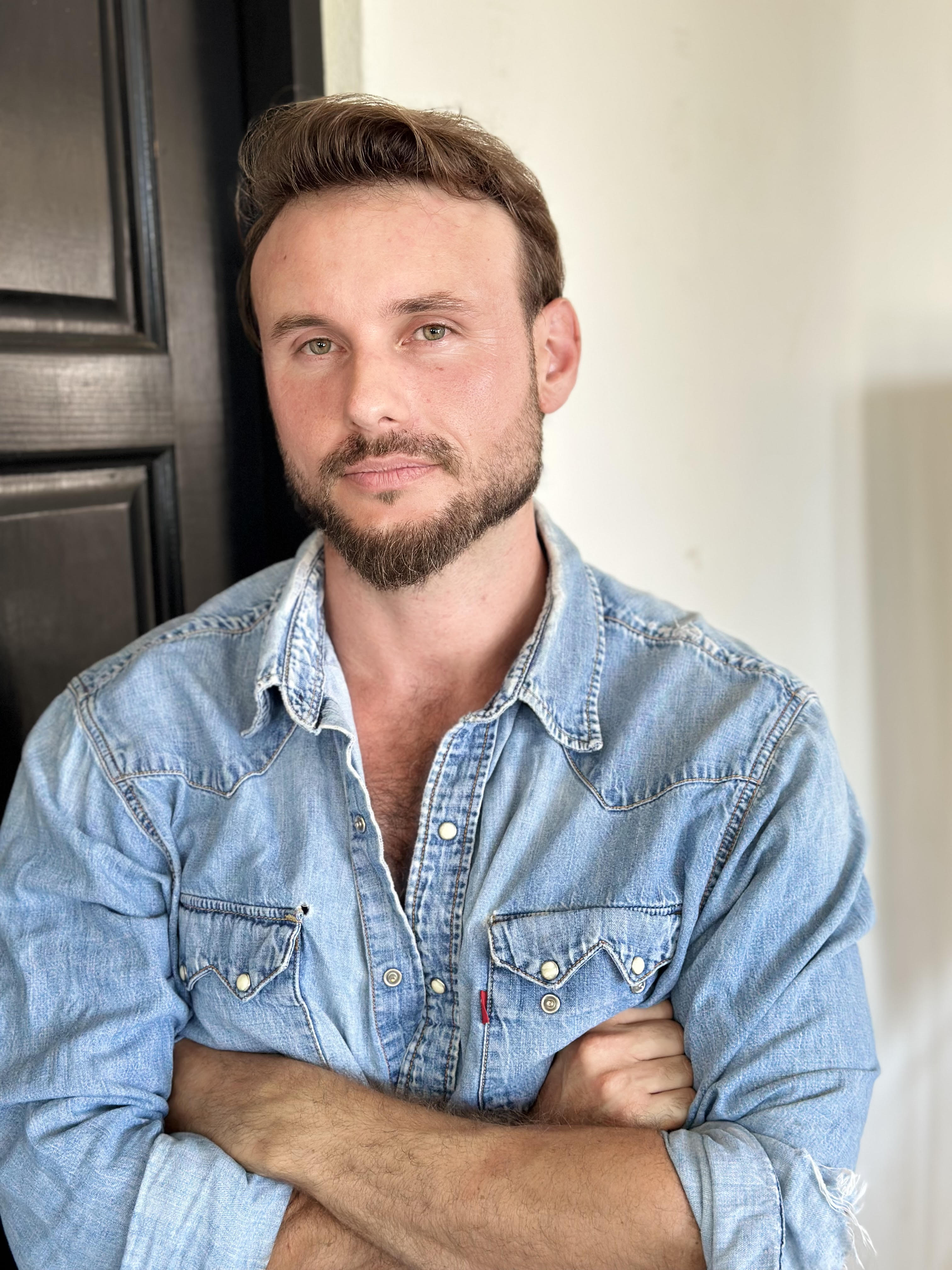
Kirstin Carey discovered her ex-husband had borrowed $300,000 in her name without her knowledge. In this episode she breaks down the money rules nobody teaches you, how to build real financial freedom as a woman in business, and the one question that can change your entire trajectory.
Episode notes
- 00:00Welcome and guest introduction
- 01:56FindAPodcast.io sponsor message
- 02:43Kirsten's breakthrough moment: autoimmune diagnosis and divorce
- 03:30Building businesses differently after illness and rebuilding wealth
- 04:45The marriage, the money, and the $300,000 she didn't know about
- 06:00Why she chose not to get lawyers and what it cost her
- 07:00How she discovered all the assets were in his name and all the debt was in hers
- 08:30Learning the rules of the money game after losing everything
- 09:40The Moneyball principle: you don't need the best players, you need the best strategy
- 10:09Advice for anyone whose business or personal relationship collapsed
- 11:00Trust what you see, not what you're told: the red flag lesson
- 11:40If it's not in writing, it does not exist
- 13:00Why Disney has messed us up about love and contracts
- 14:30The couple who rewrite their marriage agreement every five years
- 16:00How different money upbringings create hidden relationship conflict
- 17:30Emotions always drive money decisions, even when we think they don't
- 18:52Switching to health: what actually causes autoimmune disease
- 20:00Gluten, dairy, and why the body attacks itself
- 22:00Chronic stress versus acute stress and why your normal is not safe
- 24:00Why your body is trying to tell you something you keep ignoring
- 26:00Symptoms are conversations, not problems to suppress
- 27:25The entrepreneur who worked 50% less and only lost 10% of income
- 28:27Co-regulation, community, and the number one thing that keeps us healthy
- 30:00Feeling seen and heard: the root of most conflict and illness
- 31:30Fight or flight on loop: what it does to your hormones, digestion, and brain
- 33:00What we should be teaching young people but aren't
- 35:00Is stress worse now than 100 years ago? The honest answer
- 37:32The seven money moves explained
- 38:00Why your credit report matters for more than just a mortgage
- 40:00Personal debt versus business debt and why it matters
- 41:00Strategic debt: borrowing money to make more money
- 42:00Hard money lending and getting returns beyond a savings account
- 43:00Always have $5,000 cash accessible and $20,000 within 72 hours
- 45:00Food and money strategy are the same: don't keep the temptation close
- 45:34How to connect with Kirsten and download the free guide
- 46:30What wealth actually means: health, freedom, and a random Tuesday off
- 49:29The breakthrough challenge: sit down, breathe, and ask one question
Chapter titles and timings from the published YouTube description.
From the conversation
Excerpts from YouTube automatic captions. They may contain transcription errors. Play a timestamp to hear the original conversation.
Kirsten's breakthrough moment: autoimmune diagnosis and divorce
you tend to collect them as you go on. So, I didn't realize how many people were also struggling to find answers outside of conventional medicine. They wanted to run their body the way their body wanted to be run. And most of my clients ended up being business owners. I mean, we we're the type of people who will work 80 hours, not to work 40. We work all the time. People say, "When do you work?" I'm like, "When do you not work?" Um, but it's doing it differently so that you're honoring what your body needs and ...
The Moneyball principle: you don't need the best players, you need the best strategy
does allow us to step into, okay, what is the right system? What's the best system? There's many systems out there, but just knowing that there is a system is definitely a lot of hope. I'm really curious to know what other So, there's other people out there right now that are going through a similar transition. Maybe it's a business relationship that that that collapsed. Maybe it was a marriage or maybe it's a friendship and there was money involved. What advice do you have for someone else who was going through something or is going through something similar ...
Emotions always drive money decisions, even when we think they don't
Like I've been in both industries, right? And we have very visceral responses to both of those things for a reason. It is very much a part of culture. It's a very much a part of how you grow up. It's a very much a part of something you have to function on daily whether you know what you're doing or not. So when emotions take over, which is 100% of the time, no matter what we think we do logically, our emotions are truly driving our decisions and you don't have agreements that make sense to both of you. ...
Co-regulation, community, and the number one thing that keeps us healthy
of correct? >> Yeah there was a recent study that came out that they looked at diet they looked at lifestyle they looked at all of the things and the number one thing they found which is slightly different than but similar to where you were going with this. the number one thing they found for um people to be healthier was feeling like they had a community. So they belonged somewhere. And I think those first two that you were talking about, you know, having the the intimate relationship and then having the relationship with God or our creator ...
Personal debt versus business debt and why it matters
you can borrow money to make a large purchase, you can leverage that differently. I have also because I'm a business owner and I've been a business owner for so long, I have the ability to borrow money in my name personally, which is seen differently than borrowing money in my business name. what's in my business name doesn't show up on my credit report. So, I could take out a $100,000 loan in my business and it doesn't show on my personal, right? So, even knowing that, a lot of people don't understand that. So, it also determines how ...
Read the episode transcript
YouTube automatic captions. Names, punctuation and wording may contain transcription errors.
Welcome back everybody to the breakthrough moment podcast where we interview successful entrepreneurs and investors and ask them what is their biggest breakthrough moment in their career. The moment that changed it all and took them into another level of success or impact or insight and as they share that moment with us at home have breakthroughs as well. My name is Zach Dean with special guest Kirsten Kerry. Thank you so much for jumping on. Can you hear me? Can you see me? >> I can I can see you. I can hear you. Okay, >> I am here from just outside of Arizona. Uh just outside of Phoenix, Arizona. >> Hey, thank you for tuning in. Thank you for your time. This is going to be an action-packed podcast all around wealth creation. So, I'm excited. Let me give you a quick little intro and then uh let's dive into your breakthrough moment. All right, everybody at home, listen up. Get your pens and papers ready. If you want to make more money, this is the podcast to listen to today. Most people hit a wall and wait for somebody else to fix it. Kirsten hit a wall, couldn't find the answers, so she became the answer. When her health fell apart, she trained as a natural health practitioner, rebuilt herself from the ground up. And while doing it built restaurants, wellness centers, and a 7 figureure online program, helping people reverse autoimmune disease, which is apparently one of the biggest killers these days. She has been building businesses since her college dorm room or from her college dorm room. Uh 30 years later, she's back doing what she started, helping women in business uh build real financial freedom. And if you guys stay to the very end, we've got a free download for you, which is seven money moves that you can make right now that no one's telling you. Kirsten, welcome to the Breakthrough Moment podcast. What has been the biggest breakthrough moment in your career thus far? >> Um, well, if we look at it from a career, it was being diagnosed with an autoimmune condition. I I didn't I didn't even know what they were when I was diagnosed so many years ago. And so, it forced me to really look at how I was running my life and my business and what hard work meant and what my body was trying to tell me. So, I couldn't find solutions with conventional medicine. And I went back to school to become a natural health practitioner. And I rebuilt businesses differently. And interestingly enough, even though I was working differently, I made way more money cuz I looked at what was really that important to me. And because I wasn't getting sick again, I had to reverse celiac disease and Hashimoto's, which Hashimoto's is the number one most popular one. If you're going to get one, that's going to be the the one. Um, and you tend to collect them as you go on. So, I didn't realize how many people were also struggling to find answers outside of conventional medicine. They wanted to run their body the way their body wanted to be run. And most of my clients ended up being business owners. I mean, we we're the type of people who
will work 80 hours, not to work 40. We work all the time. People say, "When do you work?" I'm like, "When do you not work?" Um, but it's doing it differently so that you're honoring what your body needs and what your body wants. And also striving towards the goals that you have with your business, whether it's because you want more freedom in your life and more time or you want more money or all of the things because I always want all of the things. Um, and I think the the second major transition or major piece, and it all kind of happened within the same couple of years, is that I was in the middle of a divorce, too. And the divorce forced me to look at my life very differently. You know, why was I in this relationship? What was it doing to serve me? And money was something I had to really learn how the game was played because my ex-husband played a very different game than I did. And because I got married thinking I was going to stay married forever because I was all in. I mean, that's what marriage is, right? I didn't pay as much attention to the strategic money moves he was making in my name because I just thought our stuff was our stuff and it would always be us and it was always our he saw his and he saw other people as leverage and he saw him as the gain. So after we got separated and I realized that he had used my name to borrow $300,000 against He claimed that I forgot that I signed all the paperwork. I'm like, "Right, I forgot that I didn't sign that work." But, you know, again, I was a pleaser and I was the type of person who wanted to go along and I was raised not to make a stink about stuff. And then I was like, well, maybe I did forget. I mean, I'm not a stupid person. I I would have remembered signing paperwork, but I wanted it all to be not, you know, amicable. I wanted it to be not a fight. So, we didn't get lawyers involved and we thought we could do this or I thought and I trusted and and so that money was borrowed against a property that was in my name. That money didn't get paid back even though he had agreed to do that and that I found out that the house was in foreclosure. It was a huge turnaround for me. And rather than standing there saying, "Oh my gosh, this terrible person, we're going to villainize him and make him the the bad man." He didn't do great things. Let's put it that way. But I also played a role in the story line of I didn't check. I didn't verify. I didn't stand up for myself when I knew I hadn't signed that paperwork. And I was just trying to be amicable and I didn't get my own attorney and I didn't play it out the way that I could have. after this was all going down and the house was getting foreclosed on and I realized all of our assets were in his name legally and all of the debt for all the businesses that we had and all the things that we had built and the properties were either in my name or the name of our business partner or the name of a family member. It really struck me how strategic he had been the whole time
and I just didn't know all the rules of the game. I didn't understand that independent things were independent, especially when you're married. So that set me on a whole another road, a pivot, a forced pivot to understand how do I build my wealth back? How do I get out from under? Actually, at this time now, it was more than 300,000 because there was other debt that was there and there was other things I had to get under. So I had to learn how to work the banking system and and how to get out from under this mortgage that went into foreclosure and I lost the house. I had to understand how to build my own assets. I had to understand all of that. And what's really fascinating to me is I I was a gymnast and I uh was a softball player all through grade school and and high school and college. And I was really good at the strategic part of the game. I was decent as far as the physical part, but I was really good at the the strategic part. Money is the same way. There's a set of rules. And when you understand the rules, not just the known rules, but all of the rules, this the the the tiny ones that a lot of people don't realize and only come into play every now and then, you can build wealth. You can sp build things purposely even if you're not making tons of money. That was a huge aha moment. So, yes, my former husband definitely played the game knowing more of the rules and playing more of the rules than I did. And we could totally villainize him if we want to. But it made me learn differently. And I am in a way better place financially at this point than I think I would have been had I stayed under the guise of someone else knows how to play the game better, so I'm going to let them have control. You know what I mean? Like I I have built lots of wealth now and I was able to buy a house again and I I learned how to play the roles differently and I understand how to leverage OPM or other people's money, not in the way that my my former husband did, but above board and and doing it uh very transparently and helping other people around me make money while I was doing it. So I the thing I wish everybody realized is that when you're awake and you're paying attention like if somebody understands how to play soccer or football or any game like the Scrabble when you understand the rules you tend to win more often but you don't have to be the most clever person on on on the playing field because you understand little things that make the game happen. It's not just straight talent, right? And I think that when a lot of people watch sports or things, it's like, "Oh, well, if they just have, you know, god-given talent, then they're going to be a better player." That's not always the case. Look at some of the most amazing players out there, a lot of them were just brilliant strategic planners. You know, the the movie Moneyball is a great example, too. If you understand the what was going on in that movie, the legit people that actually existed were saying that if you understood the numbers behind the game, you understood the data behind the game, you didn't have to have
the greatest players, you didn't have to have the highest amount of money to spend to buy the greatest players on your team, you had to understand how the game works. And I love that because it makes it basically available to everyone, right? It's not just the uber wealthy. It's not just the 1enters. It's the regular Joe's like us or Janes like me. >> Super interesting. Super interesting. I couldn't agree more. You look at a lot of crazy successful franchises today. They have probably one of the worst, you know, let's look at fast food. It's the worst product in the world, but they have a system that allows it to be so so successful and open franchises globally and things like that. And so, yeah, that does allow us to step into, okay, what is the right system? What's the best system? There's many systems out there, but just knowing that there is a system is definitely a lot of hope. I'm really curious to know what other So, there's other people out there right now that are going through a similar transition. Maybe it's a business relationship that that that collapsed. Maybe it was a marriage or maybe it's a friendship and there was money involved. What advice do you have for someone else who was going through something or is going through something similar to what you were going through? Real quick before we continue, a brief message from today's sponsor. If you're an entrepreneur wanting to grow your personal brand, authority, and business through podcasting, then check out finderodcast.io. As you know, the biggest entrepreneurs in the world, they book these massive podcast tours before a big product launch or an event or book because podcasts build trust faster than anything else online today. So, it's find a podcast.io. It helps you connect with a specific podcast in your niche. It writes the pitch. It follows up in this easy CRM. It truly does save time. So, you just show up, do the podcast, and your business grows. If you're curious to learn more, book in a demo at find a podcast.io. Now, let's get back to the episode. >> Yeah, great question. The stuff I wish I had known, right? Uh, the hindsight 2020 answers. Um, I mean, the first thing was that you you trust what you see happening, not what you're being told. So when I look back at the number of red flags that were waving in front of me, but I just kept saying, "No, I'm going to believe and I'm going to trust because, you know, he's a good guy and and all of the things." I didn't trust myself. I didn't trust my own what I was literally seeing in front of me, right? The second thing is to always have everything in writing. If it's not in writing, it does not exist. I don't care what that person has told you. I don't care what they've done for you before. I don't care how much you love them. I don't care how much of a good of a friend they've been to you to this point. If it's not in writing, the courts just don't care. Verbal agreements are supposed to have weight, but they really don't the way that something in writing does. And what's really interesting is when you push somebody, you don't have to push. When you suggest to someone, hey, let's just put this in writing so we both know we're on the same page and they push back and don't want to do that, that's a giant red flag. If people say things
like, "We're not like everyone else and we can do this just between you and me." I don't care how good of a friend. I don't care if they're your mother. Write it down. And it's not because I don't trust my mom. It's because I want to make sure we're both on the same page and that five years from now we remember what page we were on or 10 years from now or next week, right? And what I have found with any partnership, whether it's a business partnership, a romantic partnership, there's a legit thing that you have to really look at and say, "Oh, we're not on the same page." Even when you think you understand what the other person's saying, what I have found is when you put it down in writing, you both look at it and go, "Oh, that wasn't my interpretation of how we were going to do that." That's why everybody I ever hired or anybody who ever worked for me, we had job descriptions. It's the same thing. And I think Disney kind of messed us up a little where we look at everything and say, "Oh, love will find a way. Love will make it all better." And love confuses things. It It's not love is not a business strategy, right? It's not a life strategy. And you can be in love, great, but you also want to be in in the smart version of reality of let's just make sure we're on the same page today so that we're going to write it down so tomorrow we can also be on the same page. And if one of us changes our mind, we know where on that page it needs to be altered or discussed. And I know that doesn't sound romantic and awesome and there will not be a Disney movie that is ever made about people signing contracts, right? But this is how reality works because when you know the dust settles on the magic of the love to still have the love later, let's also have the agreements. I have a good friend who she marries her husband again every five years with a new agreement. They literally sit down and write agreements out, which feels icky when you're doing it if you look at it the wrong way. But when you look at it the right way and you go, "Oh, this is just so we understand each other." It's a better form of communication. I I found that to work so much better. And anytime I go against that or go, "Oh, we don't need that. We've known each other for so long. We totally are on the same page." It comes back to get me. But it makes everyone breathe a little bit better. You would never take on a client for an agreement where you wouldn't write things down, right? They're paying you a bunch of money to do a thing. What is that thing? And how do you both interpret that thing? Right? And it's not like it has to be some long drawn out legal process. One page of bullet points. This is what we said we'd do. This is what you said you'd do. This is how it plays out if we want to get out. This is how it plays out if we want to change it. And we both know what the rules of the game are. That alone I think can make will could change the world. It would change the world. My kumbaya version of business. >> I'll be singing singing along with you. I agree. I think most if I look back at the conflicts that I've had in business or some of the biggest challenges in relationships, it comes back to
unfortunately a lack of conscious agreements between the two parties. And it's it's it's easier said than done as you're kind of explaining it. There's a a level of h especially for someone doing it in the beginning like most people don't do it let alone then doing it is then quite confronting due to you know being I guess rejected or having things blow up in your face and all but at the same time yeah and we and I haven't heard of that many examples of people doing it well and then being happy ever after. So, like, of course, it's going to be a challenging conversation. >> Um, >> and there's a reason I think there's more divorces and there's more people splitting relationships or business partnerships. A lot of it's because we came into it with very different ideas of what it was supposed to look like as we continued, right? So, if you have some of these conversations early, you don't have to have the harder conversations later. And, you know, it's just how do you feel about children? How do you feel about how we handle money? How do you feel about where we want to live? How do you feel about spending money? Like it's a very different thing when you grow up like I grew up where my dad controlled the money, my mom stayed at home and my dad had this eight to four job, right? And it was very like same thing every day every day. My dad liked everything to be the same and we never bought anything unless you needed it and you always bought the way he bought. And like I grew up not realizing you could even never leave money on a credit card, which isn't a bad lesson, but I I didn't understand how money played out. I didn't understand how to borrow. and understand how to do a lot of things. Where my ex-husband grew up in business ownership and money was everywhere and nobody knew what was going on and his dad was always doing something with money and his mom was always and they would borrow to the other extreme where they weren't paying things back and but I didn't understand some of that going into our relationship either. I didn't see some of the red flags. Not saying his family was bad and my family was better. It's just we grew up with very different sets of understanding of relationships with money. And when you grow up thinking something is normal and you expect everyone else to be in that normal, everybody else will handle money the same way. Everybody will else will handle conflict the same way. Everybody else will handle children the same way. Like, and then you see it not happening that way. And it it's very it's jarring. And then you don't know how to handle a conflict under something that they think is very normal. And you're looking at it going, "What are you doing?" And now you're getting to deeper rooted issues. I have not yet met one person who does not have some deeprooted emotional connection to money, money and food. Like I've been in both industries, right? And we have very visceral responses to both of those things for a reason. It is very much a part of culture. It's a very much a part of how you grow up. It's a very much a part of something you have to function on daily whether you know what you're doing or not. So when emotions take over, which is 100% of the time, no matter what we think we do logically, our emotions are truly driving our decisions and you don't have agreements that make sense to
both of you. Those emotions will take over and turn you into a person that's outside of your comfort zone, making decisions from a place of of um fear and survival. So, you could have made a perfectly great decision marrying this perfectly balanced person, but if you trigger one of those emotional pieces, and money and food often do those things, they can turn into someone you don't recognize or didn't expect to show up cuz they're in survival mode. And it does not matter how much they love you, they will instinctively protect themselves. They have no choice. We have no choice. We are wired to protect ourselves what we think is going to protect us from from getting into trouble or being, you know, getting hurt. So, you could marry the totally most amazing balanced person, they get triggered, and you're you're dealing with somebody you didn't you didn't know. So, yeah. >> And this is why we're here. This is why we're here to >> to to unravel some of the the hidden mysteries around this. This is such an important conversation. So, thank you for for starting with with this insight. I want to get to those money rules in a second, but um you know you mentioned a key part something that I'm really passionate about which is health and wellness. You spoke about autoimmune um just give from you know I guess a first person perspective on what you've learned now as the number one or main causes of autoimmune and then how do how do we start turning it around if someone's going through something like this? >> Well, that's a great question. I have I actually have a book written on this exact same thing. It's transformational healing. It's on Amazon if you guys want to grab it. It's a three-part process that we broke down into like 20 little chapters that we used with every client. Every single client, we use the same process. And there's usually a trigger that brings autoimmune out. For me, it was just all the stress from the relationship and and all of the things. But there's usually a tri trigger. For a lot of women, it's pregnancy is a big trigger, but there's usually a big moment. There's a death in the family. there's a major transition that happens that triggers it to to show up. Your body just can't like suppress it anymore. Um there also can be like an allergy or a reaction to something. But when you look at it for foods, gluten, which I know a lot of people are like, "Oh no." Um gluten is the number one thing that causes the body go into attack mode. It triggers the immune system to think it's under attack. So it goes after the weakest point of the body. For me, it was my gut for celiac disease and my thyroid. And the molecule of protein and gluten looks very similar to the tissue of thyroid. So, the body will go attack what it thinks it knows. And it takes out pieces of you that are not supposed to be attacked because it gets confused. A lot of doctors will say it's overreactive immune system. We see it as a confused immune system. The immune system is attacking pieces of you that it's supposed to be protecting. So, gluten is the number one thing. And it's not like, oh, I can have a little gluten. It's like even a tiny fingernail version amount of gluten can cause this
trigger and it can happen for 6 months. So gluten is no joke, especially in the United States. Our version of of gluten is even worse uh than all around the rest of the world. Um the second thing is dairy. The protein in dairy also causes an attack. Is very similar to the molecules protein molecules in gluten. And no one processes dairy very well. So it causes an inflammatory response. So if you wanted to try and like reverse it as quickly as possible or at least get the inflammation down and the attack to stop. They're the two things I would take out of your diet immediately to start calming the immune system down, telling it it's safe. The second thing is really looking at how you spend your moments, your days, and ask yourself how much stress. And I'm going to put that in quotes because a lot of people look at stress and go, "Oh, it's just, oh, I'm concerned because I'm worried because I have a test tomorrow or that that is a heightened version of stress, yes, but it's the chronic stress that's actually more important. What has your body gotten used to? What do you think is normal?" I had a doctor when I was going through all of this say,"Well, what's your stress level look like?" And I said, "It's no worse than normal." And he said, "Okay." And went on to the next piece. That should have been a point where he stepped back and said, "Well, let's talk about what that looks like because I was used to being here all the time with my stress levels, but I was so used to it. That was normal to me. My body with all the symptoms that were showing up was telling me this level of stress was too much. And stress can happen through the foods you're eating. Stress can happen through the amount of um arguing that you're doing during the day. Stress is whatever your body is being overloaded with. Stress can be um the the water that you're drinking, if it's not clean, um if the air around you isn't good, if you are having allergic reactions to things, all of those things are causing stress in the body. It's not just emotional stress, but if you can't look at your b your day and say, I love these things in my life, and you're like, I can't wait till I can just go to sleep at night or I can't wait I I'm stressed to wake up or you find yourself just binging Netflix all the time or drinking or doing whatever you need to do to escape your life, your body's in a constant state of stress. um if you're not working out, if you're not working out with weights, these are all things that actually are causing your body to be in hyper stress because it needs an outlet. It needs something. On the flip side, I have friends and family who also will stress themselves by doing too much of a good thing, right? So, they're working out too much and their body can't, you know, come back from what they're doing to it. It doesn't have time to rest and relax. So, it's all of the things. It isn't just, you know, doing meditation once a day and then calling it a day. It's are you actually getting into a calm state? And what we found with a lot of our clients is that they would get more stressed, believe it or not, doing calm things. They would do yoga and get more stressed out. They would do meditation and get more
stressed out. They would sit there and think, "Oh my god, I have so many other things to do. Why am I doing this? Why am I wasting my time?" That's a stress response built on the idea that you're supposed to be moving all the time. So, I did a lot of work around the emotional, the mental, and how it connected to the physical with our clients to say, "What do you think is stress?" Like, some people would say, "Oh, well, I got uh the flu this weekend, and oh, my body's all stressed out, and I don't feel good." And then they come back from the flu and keep doing the same things. My opinion on that is you were already stressed out. Your body was ripe to get the flu. You now think this is stressed when this was stressed the whole time. You don't even know what this feels like. So, it's getting people to come down, know what calm feels like, and also accept calm as their new reality or their new normal, and that that doesn't trigger them, believe it or not, into another stress reactor cuz they would panic cuz this feels weird. I don't know what to do. Oh my god, I can't just sit. So then they end up on their phone or they end up, you know, needing this constant I need to be entertained all the time or doing something all the time. So that that would be some of the things I would start looking at with people and then just start looking at just what am I doing to breathe truly breathe not just I did my meditation but like are you actually connecting with yourself which goes back to the original part of my story where I said one of the suggestions I had for people is to trust the red flags. If you have severed yourself, severed yourself or separated yourself from the messages your body is giving you all day long, which we're constantly getting messages from our system. If we're suppressing them, we don't recognize them. We will walk right into danger and not know it. So, I wasn't recognizing the signals in my own body. And I the more and more we worked with people with autoimmune, the more we saw they had like no connection to to things that their body was telling them like, "Oh, I'm in pain. Oh, well, I'm just going to take a painkiller and squash that conversation. Yes, I'm not saying you should suffer, but the pain means something. There's a conversation behind that. I have a headache. I don't feel good. I I have gas. Um I'm not sleeping through the night. They're all conversations the body is trying to tell you, I need something you're not giving me. I I I have a request that you're ignoring. And the more you ignore it, the more the body will come back and do something harder. It will come back with another symptom. It'll literally cause a heart attack. It will literally cause you to shut down because you haven't listened. So, we'd rather clients get really connected with their system to know way sooner before the heart attack has to happen or the autoimmune immune disease has to tell them this is where we're going to shut you down because you haven't been listening to me. So, the symptoms are just conversations. They're not something to be suppressed. That would be >> That's right. It's like there's a quiet quiet whisper and then a bit of a knock and then a louder knock and then it comes and the storm smashes through the front door, rips the roof off until you
we can't we can't hide up. Interviewed a few people that have had heart attacks um along their entrepreneurial journey and how they changed their life afterwards and it was a massive scare that woke them up to finally getting a higher priority on selfcare and and lower priority on work. But what was interesting, one of the one of the guys that I interviewed was saying that he thought his income was going to drop so much, he actually probably went to work or did 50% less work, but his income only dropped 10%. And so it was an interesting kind of distinction for him to go, "Oh, wow." Like actually it doesn't need to be a massive drop. Yes, a bit of a drop, but if you're smart about it. So that's really interesting. I I'm so curious what your research says around co-regulation. I interviewed a specialist the other month and they were saying that um the biggest killer is this stress and one of the best ways to reduce stress is co-regulation as the number one with our loved one you know being in love and being intimate with someone that we love is one of the super healing to our nervous systems and then secondly was this relationship an inner relationship I guess a co-regulation with the relationship we have with God or the creator or our maker >> and it was this interesting thing where those were the two highest at reducing stress. Everything else was like you know then meditation and breath work and walking things like that. After that what what has your research found is have you found similar things in terms of correct? >> Yeah there was a recent study that came out that they looked at diet they looked at lifestyle they looked at all of the things and the number one thing they found which is slightly different than but similar to where you were going with this. the number one thing they found for um people to be healthier was feeling like they had a community. So they belonged somewhere. And I think those first two that you were talking about, you know, having the the intimate relationship and then having the relationship with God or our creator or bigger purpose is in that. So if you look at I think community is a larger overriding umbrella. Yes. And it's it's most people if you look at any argument, if you look at any issue that's going on, any any scuffle, uh any problem that we're having, I think you can boil it down to one of the people in the discussion or both or all of them don't feel seen and heard. So, I bring a lot of things back to if you took a step back and looked at this situation, looked at any conflict and asked why are they really having this conflict? Most of it's because one or both of them or all of them don't feel seen and heard. They don't feel understood. They don't feel like they belong. They don't feel like they're part of something. So, isolate isolating uh feeling alone, all of that goes back to the body doesn't know its purpose. It doesn't know why it's here. So when you talk to people who are not feeling well, a lot of times there's a loneliness to them or I don't fit or I'm the black sheep and it doesn't work and no one gets me, no one hears me. So I think coming back to where do you feel seen and heard? When
do you feel seen and heard? When was the last time you remember feeling seen and heard? when was the first time you remember feeling seen and heard are a lot of questions I would get around at some level with my clients to understand what truly is triggering them and then also where they feel most safe cuz typically where you feel seen and heard is where you feel safe and then your whole system doesn't have to be in fight or flight the whole time and the places where you don't feel seen and heard is where your body kicks into the drama of survival and if your body thinks it's going to die and and that's the dramatic version of it you're not consciously saying I think I'm going to Your system says, "I don't feel safe. Oh my god, there's a chance I could die. I now have to go into a whole another set of things where I ramp everything up. I take resources away from things that keep you healthy just to keep you from dying right now." If you look at it from that level of drama, you understand why you're it's so important that our bodies are not in that state all the time. It's great that we have the ability to go into that state because if there is a bear coming at you, I want you to be able to get out of that situation, right? Let's get out of here and not die in this moment. But all of the things that regulate you are not in action at that point. Just the things that help you not die right now are in action. So that changes how your body digests food because if you need to run from a bear, your digestive system doesn't need to be online right now. Let's shut that down. So let's get out of here and put all of those resources back to our extremities to get out. You look at how hormone production happens. Your hormones don't need to be producing and balancing themselves right now if we need to get out of here. Your brain focuses on one thing and one thing only. It's getting out of here. So people who loop and think about thoughts and they can't get out of them. It's because your body is in fight or flight. So we see a lot of anxiety and depression is because your body's actually in fight or flight. And we then medicate to suppress the ability to have that. Then the body goes into more fight or flight because it says, "Well, now you're trying to force me not to be able to do the thing I need to do to protect myself." So it tries to do more and it takes away from other resources. So some of the most important things in our bodies get suppressed when we think we're in fight or flight. Now what happens and then it's over in 10 minutes. Great. That's the way we were designed. It's when we're in it all the time, the chronic. So it's back to do I feel safe? Do I feel seen and heard? Do I have those my people? Do I have the people I feel the most comfortable with? Do I have the people I feel the most seen with? The people I can actively have communication with. And if you look at romantic situations, we think they're just supposed to know through telepathy how we feel and think all the time. They're just going to say the perfect thing. And again, Hollywood, I think, leans to that. Love will conquer all. Love will make them know you. And but if you're not communicating with that person, well, back to agreements, then your body actually could be in a state of fight or flight, constantly worried that they don't understand you, but you're not saying the thing and you want them to guess. It's a twisted mess. So some of the things I think we need to be teaching younger people is how do you
communicate effectively, openly, cleanly, transparently where you can be vulnerableish but open. There's a different place in that so that you can communicate effectively so you both understand who you know where you're coming from. So how do you communicate? How do you manage money? And how do you actually understand how your body works? Communication with the body. There's stuff that I learned as a natural health practitioner. God, I wish I had known when I was 12. just basics about how hormones work, about how your body works, about and we're supposed to just hand that over to someone else, a doctor or practitioner to say, "Tell me how my body works." And they say, "Well, here's some basic stuff for the general public, but not how your body works." But if you understand the general games, rules behind how health works, not just like is an egg good for you or bad for you, but how does your system work? How do we develop hormones? How do we process them? What happens? What is connected? Your thyroid is connected to your sex hormones to your like all of it. I think we would be better off. And that goes back to this conversation which is communication. And do you even understand yourself? Do you feel comfortable with your own self? But there are there are so many things we would teach our clients that were basics about how the body system works. They didn't know. I mean, I didn't know until I was in school for health. So, I was in my 30s before I understood basics about how my system worked. I'm like, why didn't no one tell me this before? And some of my doctors, like traditional doctors, didn't know some of that stuff. And I'm like, this is basic basic stuff. Again, back to rules and games and how things work. >> Well, we all love games and we all love games that we can win the most. And to understand how to win the most, we must understand the rules of the game. Otherwise, you know, how are you going to play effectively? And so, I'd love to transition now into, you know, some of these rules on wealth creation, some of these the seven um money moves that you're mentioning as well. Could you unpack a little bit of this? It's great. we've covered. You know, this is one of the main reasons I started this podcast is to talk about the the real stories behind entrepreneurship and stress is such a big one. Whether it's the financial stress or nutrition stress or lifestyle and just the the EMFs from technology and the electricity and the lights, like we're just living in such an unnatural world these days, >> let alone all the toxins and things in our environment. So, yeah, it's one of those things that's like I think about like, oh, you know, is it relative? the stress that we're going through now, was it like this 50 years ago, 100 years ago? Like were there other stresses that were then it's just relative? >> I think disease speaks for itself, autoimmune things going through the roof. I think debt, you know, I think I think it is probably getting more and more we're more and more in fight or flight as a generalization. Would you say? >> I think we normalize the fight or flight more. I I think there was different sets of like, you know, if I watch a period piece on, you know, the 1800s, I'm watching these women who are out in the middle of nowhere and, you know, the
husbands go off and they're gone for months and the wife is there with her 105 kids and she's trying to keep the fort down and there's wolves and things and and I'm like, I would have tapped out. Like, there's no way I think I would have survived that. Well, of course not. Knowing how we live now, I wouldn't have had the skills, right? But I still look at some of the ways that people lived and I'm like, what? But they had scurvy and they had all these things that we, you know, we really don't have now. We don't have some of the big plagues that used to kill them all off and hundreds and hundreds and but then we have a different version of that now. And we have different but we we have different versions of disconnect now that I don't think they had the same way because they were able to connect with themselves. They didn't have iPhones that were constantly ringing and dinging and doing all the things. They didn't have constant TV and constant entertainment. And so I think we just have a different set of of hard. You know what hard is more hard? It it depends. But I'm with you. But it feels cuz we we're living in it that it's harder right now. I mean conflict feels bigger. >> Yeah. and and that you know we live in this advanced society where we have access to information and knowledge um to move through any challenge really in this world. A lot of the the the the answers on life are kind of you know explained in different regards but yeah it's it's interesting to reflect on the past and just got to do the best we can dayto-day. But uh I'm really curious to know what these these rules are money the money rules seven money moves how do you how do we break it down? Yeah. I mean, well, the first thing is even, you know, getting a handle on what's available to you to know about your financial life. So, I mean, the first thing that I always tell people to do, especially people in the United States, because this is a huge one for us, is, and I know you have this, too, is that you have your credit scores. And it's not just your credit score. It it's understanding what is on your credit that is public that is being utilized to determine how much of a credit risk you may be. And what a lot of people don't realize is that there's stuff on their credit report that might be wrong. I pulled my credit report and found out there was $300,000 that was borrowed against my name that my ex-husband took out and I didn't know about it and we talked about that in the beginning, but that was what the trigger was for me to learn that as I saw it on there and I'm like, "What is this?" Cuz I never paid a bill late and I always made sure everything was paid on time. So, I just assumed my credit was always good. And I decided one day to pull my credit scores and and my reports and I was like, "What is all of this stuff?" So, seeing what's on there, seeing what's not on there, there are certain credit, not all debt is created equal. There are some debt that actually helps your credit score. There's some debt that hurts your credit score. Knowing what's available to you and how to read a credit report, incredibly important. And it's more than just, oh, I can get a credit card if I have a good credit score. It it has a impact on the interest rate that you pay when it comes down to like buying a house or here it also impacts your
ability to get a job. Sometimes they can pull your credit scores, look at what kind of a risk you are to determine what type of employee you may be. I I know that's bonkers, but more and more and more companies are doing that. Especially companies that are in finance at any level. They want to see your can you handle your own money? What kind of person are you? If you're going to be out there talking to people about money, right? So, there's things that do that. Even renting apartments and things out here, it determines how much of a deposit you may have to put down to rent, which could really make a difference. If you have to put down first, last, and security deposit, you have to come up with 10, 15, $20,000 right off the bat. That's a big deal. Utilities for us out here, if you have a bad credit score, they may make you pay a hefty deposit before they'll turn on your lights. So there there's more to it, but he also gives you control and buying power. When you understand what you could borrow, how you could borrow, you can strategically play the game differently than other people. So when you can borrow money to make a large purchase, you can leverage that differently. I have also because I'm a business owner and I've been a business owner for so long, I have the ability to borrow money in my name personally, which is seen differently than borrowing money in my business name. what's in my business name doesn't show up on my credit report. So, I could take out a $100,000 loan in my business and it doesn't show on my personal, right? So, even knowing that, a lot of people don't understand that. So, it also determines how I borrow money and it allows me to leverage my company differently. It allows me to to build differently, to build wealth differently. I know because I've been in this business long enough when I want to make a big move with my company. If I'm, let's say, borrowing money to put ads out about a big uh event that we're doing, I've done this long enough that I know the return on the investment that I expect. So, let's say I take $10,000 out, but I know I can make $100,000 off that money. It's a huge return, right? I'd rather borrow money to do that and and make that money. But a lot of people are like, "Oh, you know, all debt is bad." Like, not necessarily. Strategic debt is what we're looking at. I'm not telling you to go get a credit card and go out and buy all the shoes and all the stuff. I mean, I'm a big fan of a good-looking shoe. However, that to me isn't a strategic move. That's going to get paid for in cash. I want to use money, OPM, other people's money to make me more money. Whether it's to invest in my business, invest in I do hard money lending as well where I I will lend money for people to buy properties and they they then flip the properties and I get a percentage of that. Um I do things like that as well, which sounds risky to some people, but it's strategic. I know the person I'm working with. I know what he's doing with the properties. We have a very different agreement. if that property goes under, he still owes me the money back. And it's a higher percentage than I would have gotten than if I had gone to a traditional bank to get, you know, percentage back on like a savings
account. But then there's also savings accounts here that if you know which type of savings account, you can be pulling off three, four, five times more money back in your pocket just by having money sitting there. Like just sitting there. Um, some of the other rules that I always like to have people do is to have always have access, and again, it might be a little different because I know your exchange rate's a little different from us right now, but for me, US dollars, I want people to always have access to $5,000 cash. Like, they literally could get to it that day and 20,000 within 72 hours. And the reason I say that is I have lived enough life at this point being in my 50s and seen enough things that I have not yet seen a situation where that an emergency or an investment that was a quick turnaround type of situation could not have been solved with $5,000 within 24 well like immediately or 20,000 within 72 hours. Like every negotiation I've ever had, buying big things, buying little things, emergencies, physical emergencies, whatever, business emergency could not have been solved that day with 5,000 or with because at least even if it's more than that, you can still save off the issue or you can hold the issue if you've got the 5,000 in front of you. And I know some people like 25,000, what are you kidding me? It's something to build to if it's not something that you have right now. But have them in, you know, high yield savings accounts. I mean, I will always have 5,000 literal cash dollars that I can get to at any moment because that makes me feel good that I could get to that money right today. But that other 20,000 I want to be able to get to within 72 hours. And every investment I've ever made, even if it's one of those quiet, quick turnaround type of investments or there's an emergency, I have found you could pull it off with those two amounts of money. At least for right now, I'm sure that'll go up over time at some point. Um, and then just having investments that you can't get to in less than 72 hours because it makes you think twice, right? At least maybe it's me. I look at money the same way I look at food. There are certain things that I know aren't the best for me that I just don't have in my house. Like I can't get to it immediately, right? I would have to get in my car, drive 25 minutes to go get the thing. That craving usually goes away before I would get in my car and drive to go get the thing. But if I want something so bad that I get in my car and I drive to the store to go get the craving, then I really apparently needed to solve that craving that way. So I pre-think and strategize my own way of looking at food and just don't bring things into the house I can get to immediately if it's something that, you know, makes me have to have it right now. Um, but food and money is the same way. like strategically work for yourself and put things away in places where you can't get to them immediately so that you have to rethink the big investment. >> I really I'm really really glad you're talking about strategy. I think strategy is so important in in any game in life in just organizing our day in resting in
in all areas of life. If we just spend when I spend just that little bit of time planning, reviewing, you know, doing a bit of research, just just observing and and following and getting the right the right coaching and things like this, it changes and adds so much more value to my life. Uh more time, more energy, more impact, like just everything improves as that a little bit of time and energy focused on that strategy. So, there's there's people out there right now who are like, I want to learn more. How do how do they connect with you? How can they download these seven seven moves to learn more? >> Yeah, they can just go to financiallyun unleashed.com or there's a link that we'll put directly to uh the seven money moves if they want. Um, you know, I I the first thing is to take a deep breath and know it's possible. I mean, honestly, cuz I know for a long time I would look at the billionaires and be like, "Oh, I could never do anything like that." Like, well, you were a kid, you go, "Oh, I want to be rich someday." Now that I'm in my 50s, I don't want to be rich. I want to be wealthy like and that to me is very different. I want to be I want to have decent health. Like not even decent. I want to have like the best health I can possibly have. So that to me is wealth because if you're sick that changes every like you have the heart attack that shuts you down. You can't do the things. So I want to be as healthy as I possibly can. So I invest in my body every single day. I get to the gym four days a week. I lift heavy. Especially ladies out there, please start lifting heavy because that's good for the bones and all the things. But women especially, we need that especially as we're dropping in hormones. Um, the second thing is to invest in my my food. So, I do that. But I also invest in my education. Like I like if you could see my office right now, everything is piled with books. I'm constantly reading on all these different things that are just entertaining to me. And it's not fantasy. It's literal like I'm learning and I'm constantly learning and taking classes and hiring coaches and and doing the things. So, invest in the self. Um, and then the wealth also is that I invest in my relationship with I refer to him this I was gonna say this guy that I've been with now 20 years as my h my spouse but we are not legally married. I decided that there was no reason to legally bind myself to somebody like that again. Um, so my strategic life partner, um, but he and I, we invest in our our relationship. Like we actively make sure that we are connecting and when we feel disconnected from each other, we do things to do that. We don't have to go on some crazy vacation. We have, but it's it's are we communicating? Are we connecting? Are we together? Are we actually in the same room but separate? Like are we together? So, I actively invest in my my relationship um romantic relationship and my friend relationships. Like I make sure I'm connecting with the people who make me feel like I'm seen and heard on a regular basis. That's important to me. That's wealth. And then I'm looking at strategically what do I want for my life. I don't want to work because I have to work. I want to work because I want to work. So I also look at how money comes into my life to support
that. And by no means am I a billionaire, but and I don't care what the number is. Is the number that I have making me feel safe? Is the number that's coming in making me be able to support the things that are important to me? Buying organic food and going on trips here and there. And is that serving me? And and being able to take off on a random Tuesday because I felt like it. Like that's wealth to me. And that's what I strive for and that's what my clients tend to strive for. Um this isn't a get-richquick situation. You're not just going to, you know, make money overnight, but it's it's are you building the wealth in your life the way you want to? And how's money supporting that? >> 100%. >> Super important. Investing, strategy, life, food, nutrition, mindset, stress, and uh making the right moves. Hey, making the right moves. It's tricky when we haven't been around the right people to teach us the right moves. Maybe we've just learned maybe some wrong moves. That's all. Yeah. And >> learn hanging out with people that normalize this. Yeah, exactly. Yeah, people can be wildly healthy and wildly wealthy >> and wildly happy. You know, it's possible. It's just not many people have seen or experienced that type of example. So, I'm really curious. One of my favorite questions in the podcast is around helping other people have a breakthrough today. The theme is the breakthrough moment. You've shared your breakthrough, but what would you suggest or challenge everybody to do today or this week or this month to help them also have a breakthrough in their lives? >> Sit down on the floor or whatever is the most comfortable place for you to get, but like not in your normal this is where I go and sit in my house, but a different spot in your house or out front somewhere in nature if that you can get out into nature, but someplace that's different than where you find yourself ending up most of the time. But don't make a big deal about that like you have to go travel for it. Like just get somewhere, sit down, breathe from your nose for 5 minutes, and then ask yourself this one one question. Like turn your phone off. It has to be off. Like there's nothing else that can get to you. And then breathe. And then ask this one question. One. What do I want? And here's how I want you to get that answer. I want you to feel where it comes from in your body, which I know sounds super woo, but our bodies communicate physically with us, not actually through thoughts first. It's the physical connection first. I want you to connect to that part of you because that part of you is the one that's actually leading you. You just may not be as connected to it. So, it's the what do I want? And allow yourself to find it through you. A lot of people will find it in their gut or in their chest or it'll come up like through like well for women a lot of times it's that womb space. It's that lower below the gut like underneath like that's where it comes from. For a lot of men it'll come actually from like the root or like the base of their spine. um the chest for a lot of men too. Where's the answer coming from? Most of the time it's not actually from our mind that you could feel it coming from maybe your head but not your brain.
So that alone could change the trajectory of where you're going just with that question and where your answer comes from. And sometimes you have to sit for a few minutes. It's not going to be like this. Some of you it will be. But just let it come and then whatever happens, just vomit it onto a piece of paper for a couple of minutes and just capture it and then go back and look at it the next day. The answer's in there. I I pro I promise you the answer is in there. >> Keep asking as well, right? Cuz sometimes it might not unfold or answer straight away. It's that that might be hidden under layers and layers and layers of the onion. Hey, so >> yeah, that's a really powerful one. >> Yeah. Yeah. >> Say that again. The protection. >> Yeah. There's we will protect ourselves from knowing that answer sometimes because the fear of revealing it can can be big for a lot of us. A lot of people who don't feel seen and heard it can be big to actually present that question uh the answer to that question. So just let it be whatever and don't question it. Just go okay like I have had answers sometimes where I'm like what in the ever what is that? But when I just let it be it it will pull me in the direction it needs to go. Sometimes it's the answer I don't like. like I need to get divorced. Um or I want to be divorced, but that wasn't the answer I wanted, but that was the truth for me at the time. And sometimes it's a this is the business the way it needs to go or this is the type of person I want to work with the most or this is what I need for my health today or I just need to take off every random Tuesday and but just be with whatever the answer is. Try not to judge it or question it. Just allow it. >> Super great. Everybody at home, please do that this week. put in a diary, set a reminder, do it with somebody like re do recommend this to somebody else and become accountability buddies and go do it. Take your turn your phones off obviously and then check back in or check in with us. And uh you know we'd love to hear from you. Please also comment below your breakthrough moment from today. And who do you know who would really really appreciate you sharing this message with them? This has been such an important conversation. Thank you so much for your time. Words of wisdom, health and wealth, some of my two highest favorite values. Any final comments before we wrap it up? Well, >> just start somewhere. Just start somewhere. There's always the day that the person started. Whenever you hear a giant story of someone with big success, you can always come back to there was a moment where they shifted something. Make this your moment. >> Make this your moment. Everybody, thank you so much for your time today and everybody listening. Please, we'll see you next time on the Breakthrough Moment podcast.