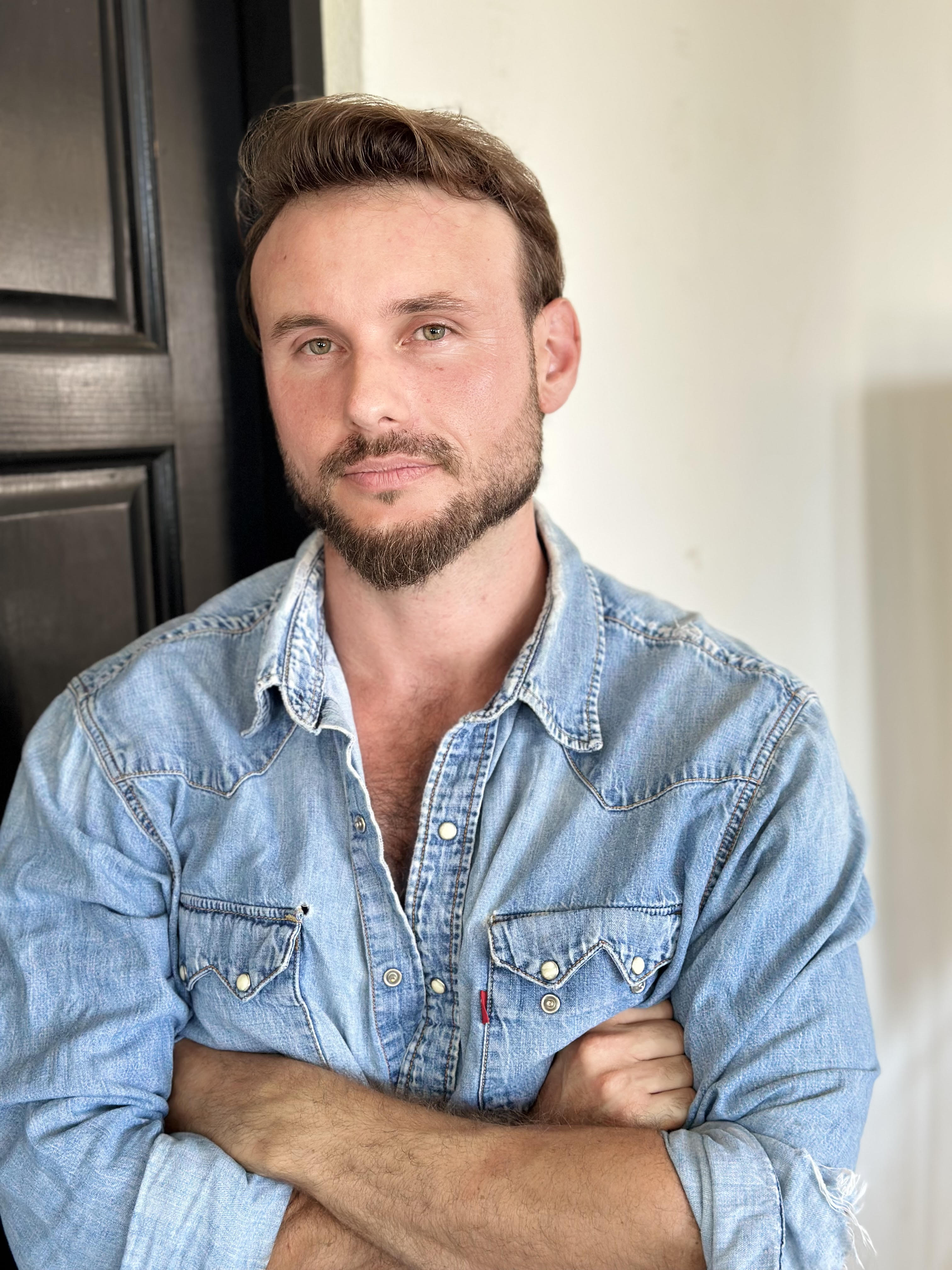
About this episode
In this episode of the Breakthrough Moment Podcast, we sit down with Kyle Rutledge, a top marketing strategist who has managed millions in ad spend and worked with elite companies like Alex Hormozi’s portfolio.
Episode notes
- 00:30Meet Kyle Rutledge
- 02:00The Breakthrough Moment (Quitting Gaming)
- 05:00Video Game Addiction & Dopamine Traps
- 08:30How to Break Bad Habits (100 Day Rule)
- 11:30Turning Obsession into Success
- 14:30Learning vs Taking Action
- 18:00Biggest Mistake Entrepreneurs Make
- 20:30The 5 Stages of Customer Awareness
- 24:30Why Most Marketing Fails
- 27:00How to Get Better Leads (Not Cheaper Leads)
- 30:00Using AI in Marketing (Advanced Strategies)
- 34:00Tracking REAL Customer Quality
- 39:00New AI Marketing Tactics (Game-Changer)
- 44:00The 10X vs 2X Mindset Shift
- 46:00Final Challenge for Entrepreneurs
Chapter titles and timings from the published YouTube description.
From the conversation
Excerpts from YouTube automatic captions. They may contain transcription errors. Play a timestamp to hear the original conversation.
Meet Kyle Rutledge
Like, this is a really going to be a really powerful podcast all around marketing and advertising and things like this. So, let me do a quick little intro for you and let's dive into your breakthrough moment. >> So, for those of you who don't know Kyle, he's spent over a decade in marketing. He's including five years at disruptive advertising and he was ranked the top digital marketing agency in the US from 2021 to 2024 where he was named the top strategist in 2023 and managed millions in paid media monthly paid media. So after he founded ...
Video Game Addiction & Dopamine Traps
that switch? Like what was that exact moment that you went no? >> Yeah. Well, when when you say that, you know, in your teenage years playing World of Warcraft, the game I played back in the day when when I was in high school was Runescape. Um, any World of Warcraft player probably is familiar with Runescape as well, but uh we played that a lot with me and my friends in high school. And then I kind of had a same a similar moment. I could have sold my account for a similar dollar figure actually. I just ...
Learning vs Taking Action
I kind of see life as a bit of a game now. Did you how did you make that transition from going like, you know, if you could sell your account for hundreds of dollars, you were obviously very good. So, how did you transfer that into a business and and what did you do next? Yeah, I I didn't try and like like I said, the the first time I did try and sell my account, the second time I didn't try and sell my account. I actually just gave it to some of my friends. It's like, hey, ...
Why Most Marketing Fails
tracking set up and it's like there are capabilities that we have to optimize towards a more qualified audience, more qualified set of individuals. It is a little bit more of a complex setup, but it's super worth it because without it, you're you're optimizing for the cheapest lead. And as you start scaling up, the system is going to find, hey, these this bucket of leads is actually the cheapest, right? But why is it the cheapest? It's because they're the most unqualified. They're the spam, the bots, the the type of leads you don't want to have. So ...
Tracking REAL Customer Quality
>> Yeah. >> Cool. >> Correct. Like like on that for example, I just did it for my own business. You know, I'm going through these steps for myself. I just finished the stage of awareness test and it was really insightful because my audience of of who resonates with me, they resonate a lot with the product aware stage. So they're aware of the product, not aware of all the all the different solutions as much. It's still pretty strong there, but they really also identified strongly with an identity type frame. So it's like you're the marketer who, ...
Read the episode transcript
YouTube automatic captions. Names, punctuation and wording may contain transcription errors.
Welcome back everybody to the breakthrough moment podcast where we interview successful entrepreneurs and investors and ask them what is their biggest breakthrough moment that took them into another level of success and as they share these breakthroughs with us. Us at home can have breakthroughs as well. My name is Zach Dean. Today's special guest is Kyle Rutled. You there Kyle? >> Yep, I'm here. Thanks Zach for having me. >> Excellent. I'm so excited for this. the more I get to know you and and learn about you, man, I'm just like, wow. Like, this is a really going to be a really powerful podcast all around marketing and advertising and things like this. So, let me do a quick little intro for you and let's dive into your breakthrough moment. >> So, for those of you who don't know Kyle, he's spent over a decade in marketing. He's including five years at disruptive advertising and he was ranked the top digital marketing agency in the US from 2021 to 2024 where he was named the top strategist in 2023 and managed millions in paid media monthly paid media. So after he founded Gradari his company one of his first clients was IBC Global. You guys have probably heard of Alex Hamozi atacquisition.com and he still works with them today. He's also best Kyle's also best known for his lead quality approach, wiring CRM and offline sales data back into Google and Meta, so campaigns optimize for actual revenue and pipeline, not cheap form filths. Bit of a mouthful. That was a tongue twister, but uh you're a family man, you know, you're over in the US. Um, and it's very cold there. So, I'm very excited to to interview you. Thank you so much for your time. Let's just jump straight into it. What has been the biggest breakthrough moment in your career thus far? >> Yeah. Um, so this breakthrough moment goes back a handful of years. This is uh I want to say 2021 or 2022, something like that. But um it actually the biggest breakthrough career moment happened on a personal level with you know my wife and my family here here in at home. Uh it actually involved quitting playing video games which like you don't hear that too often but like for me I I'm I'm kind of like a hyperobsessive type personality. So, if I'm involved with something, if I'm interested in something, I kind of go kind of go all in on it, right? It's it's what I eat, sleep, and breathe, and it's what I think about all day. And and for a few years of my life, that started to become video games. And it was kind of taking over my life. And um you know, with some gentle nudges from my wife, I could see the writing on the wall of like this isn't helping my life progress at all. And then I kind of just had this
breakthrough moment through the pains and struggles that that was causing in my life of like I I need to make a change here, you know, like if I keep going down this path, I'm probably not going to end up with a w I'm not not going to keep my wife for for too much longer. I'm going to have a broken family because we already had two kids at that point. And and I'm gonna what? spend all this time on video games to have this really not super useful skill set in the real world and uh a really cool digital account that you know on this game that will probably be irrelevant in 10 years. So I'm like it would be really cool if I could take the same drive and focus and energy dedicate it towards my career and and that's ultimately ultimately what I decided to do. uh I want to say like four or five years ago and and that's made all the difference. >> 100%. I I Yeah, I I didn't know that you know this is I always leave the breakthrough moment to uh to be a surprise for me and I don't want to know all the breakthrough moments that this is so interesting. Like I actually grew up when I was younger playing computer games, specifically World of Warcraft. I used to play 16 hours a day. I was hooked. It was like I don't know if you ever seen that South Park episode on watercraft. So I was that like in my garage like locked in my room. Like I would skip friends would come over on the weekends and I'd be like guys I'm not going to the beach. I'm I'm raiding, you know, I'm with my my online friend. >> And um I ended up doing so well with it that I sold my account for like $850 cash to someone and I was like, "Oh, wow. This is so that was when I was like 8, 17, maybe 18, part of the beginning of being an entrepreneur, I guess." So, but I'm curious to know what what game did you play and then how did you make that switch? Like what was that exact moment that you went no? >> Yeah. Well, when when you say that, you know, in your teenage years playing World of Warcraft, the game I played back in the day when when I was in high school was Runescape. Um, any World of Warcraft player probably is familiar with Runescape as well, but uh we played that a lot with me and my friends in high school. And then I kind of had a same a similar moment. I could have sold my account for a similar dollar figure actually. I just chose not to, but stopped playing for a number of years. And then they rebooted an old version of the game called Old School Runescape. And then like years later, my friends and I were like, "Hey, like let's let's for nostalgia, let's get back into this and play a little bit." And that little bit turned into a lot of it. And uh and then that's that's what I kind of fell back into for for a while. Um but yeah, that's that that was the uh the game of choice. And
um anyways, yeah. >> Yeah, it is. It's literally an addiction, right? Because it's it's such a it's a reality that's so real cuz we live in this like mental like our brain and our mindset so powerful. So if we can take ourselves into another world, it was for me an escape. You know, growing up, my kind of addictions were food as an escape and then also computer games from whatever stress I was going through kind of growing up. Um, but I think that I remember remember watching a documentary and talking about people that play games have a super high level of problem solving. So, do you think the skills that you learn in in computer gaming, you've transferred now into business and have helped you? >> Oh, yeah. Yeah. A ton of skills that I feel like I learned from video games and and I'll never look back on it and say like I didn't enjoy it, you know? Like it was a fun time. It was a blast. And I do know I learned a lot of skills from like problem solving to like one of the things that I learned is like hey the more I learn about this the better I'm actually able to play in the game. So I I would get really deep into like learning more about the game because then it helped me achieve more in the game. And you know that's something that I directly applied to my career and my in my work now. Um, I also learned a lot about like one of the main methods I used to make money in the game was buying low, selling high, you know, the the the whole idea of flipping and and uh economies and and all of that. So, there's a lot to learn from video games. It's just for me like even going into marketing, I'm like there's so many cognitive biases that keep you addicted and it's like yeah, it's it's easy satisfaction. It's high reward, low effort. It's an escape from reality and the stresses of life and and there there's like I've spent all this time, energy, and sometimes money uh developing this character and this skill set to be good at this game, and am I just going to walk away from that? It's that loss aversion. So, there's all these cognitive biases that keep us trapped in that. And so, learning about that and learning uh one of my favorite books is Atomic Habits by James Clear. um learning about all of these habits and and the the science behind it actually helped me get through that. So, um it's kind of like a mini passion of mine. In the future, I may create some some materials on like how to help other people get through that phase. >> Perfect. While while we're on it, what what advice would you give say the entrepreneur out there who's gaming or professional out there who's gaming or I guess adult out there who's gaming who wants to break the habit get you know they know that they if they allocated their energy and time and brain power to their business that or family or health that they'd make a a breakthrough in their own life. What advice do you have for other people that might be gaming
that want to want to make a change? Yeah, you you have to hit a point where it's like emotionally it it it impacts you so much that like hey you need to just make a change in your life, right? So one concept that I like is like everybody has their own version of a rock bottom with any addiction like there's a rock bottom moment. For some people on drugs and and serious like even more serious addictions that can mean losing everything in their life, their all their finances and and house and everything like that. For me, I didn't get nearly at that that far. But for me, it was like I could see I could forward pace and figure out like let me just play this out in my mind. What's going to happen in 5 10 years if I continue down this line? And for me, that didn't that wasn't a future that I wanted for myself. And so just taking some time and thinking through that was what gave me the emotional drive and energy and just motivation to start making a change. And then when emotion is the highest, that's when you want to make the most changes. So like it can be simple things like change your environment. If your game of choice is on Xbox, unplug the Xbox, go put it in the top of your closet, you know, but just that next time you have the desire to go play Xbox. It's going to be in the top of your closet. It's not going to be plugged in ready to go. And just that little amount of additional friction is going to make it easier for you to choose something else. And uh I'd say the first 30 days are the hardest. Once you get past the like a 90day 100 day type frame, your mind will kind of have had a reset and you'll start finding pleasure in the simple things again. Find pleasure in reading a book or you'll find pleasure in sitting in the company of your friends without gaming, uh without pulling out your phone and and and pulling up that app or social media or using something to distract you. And so, um, if you can do a 100 day challenge free of video games and and any, uh, high dopamine inducing like social media or whatever, you will see a significant increase in your happiness and joy in your life. Um, independent of what you want to do with that additional time that you are you're gaining. A quick pause before we continue. Hey everybody, please if you're enjoying this podcast, if it's allowing you to think differently and have your own breakthrough moment too, please subscribe, please like this video, share it with somebody else, and even comment below. I'd love to know what has been your biggest breakthrough moment listening to today. I read all the comments and your responses help me shape the future of this podcast so other people can have breakthroughs, too. All right, let's get back to it. >> Totally. It's a lot of time that's that's put into that. I wonder is there
like I know there's AA or NA or like you know these these communities or or groups to help people with addicts. Are they like gaming anonymous addicts anonymous? Is that a thing? >> I don't know. >> Yeah. Yeah. There I know that there's uh there are some like Reddit threads and things like that. uh reading through that there's there's a lot of people that are like it's the spouse, it's the mom, it's the it's the significant other that's worried about that person. And um sometimes it can it can be kind of like they're all just grouping together and talking about how much video games are evil and how they should be banned completely from the face of the earth and things like that. So, it's kind of extreme on on that front. I know that there are some church groups and communities and stuff that have some gaming specific uh programs, but I haven't seen something like as known as AA or or some of these other like even like pornography addiction type recovery stuff like that seems more common than gaming addiction. Um >> what you shared there is like just do do a challenge 100 days a low dopamine kind of challenge. Really be aware that everything this world that we live in is filled with convenience and just instant gratification whether it's food ordered or gaming or whatever's on our phone or even just light. From my understanding with with biology being in sunlight increases our dopamine. And so when I was younger, I would be at nighttime on these games and the only light that was in the room was my computer screen. So my body was addicted dopamine-wise just to this bright light. Any we're just biologically created. So when we have light in our bodies around our bodies, we get, you know, we're still happier. It's just part of how God made us. And so if we're utilizing our happiness and dopamine while we're at nighttime with all these lights and things like that, it became I just yeah, it was a hook that it was hard to break. But the biggest thing for me that helped me get out of like the nighttime working or gaming and things like that was starting to see the sunrise because that set up my whole day where I would go to bed earlier and then wake up earlier and all the benefits of seeing the sun in the morning and all the things like that. That was a massive game change for me cuz yeah, every time I meet someone who's a gamer, I'm like, "Oh my god, like what about this? What about that?" It's it's it's such a fun like thing to reminisce on and quite nostalgic, but um I kind of see life as a bit of a game now. Did you how did you make that transition from going like, you know, if you could sell your account for hundreds of dollars, you were obviously very good. So, how did you transfer that into a business and and what did you do next? Yeah, I I didn't try and like like I said, the the first time I did try and sell my account, the second time I didn't try and sell my account. I actually just gave it to some of my friends. It's like, hey, I have all this stuff, like all these items, whatever, you know, have fun. Yeah. But the again,
the big lesson I guess there were two big lessons that I learned from it is like one, the more I learn about something, the better I'll be able to uh I just have success in general, right? And so it's kind of like I kind of learned gained this appreciation for uh learning and acquisition of knowledge and that's actually you know this is forward pacing a little bit but that's actually the concept that I open my business name around. So, gradari comes from the Latin root of greatest, which is all about like greatest is like taking a step up a grade, right? So, like it's moving forward and upward and always progressing. So, like that's kind of how I've evolved in my life is like I always want to be growing and progressing in some form of fashion. Doesn't have to be in my career. It could be personally, professionally, financially, whatever. Um, and then I also just learned through video games the the impact of like slow steady progression cuz like for anybody who has played Runescape, it's kind of like a grinding game. You kind of just have to put in the hours, but I realized it's like, hey, I have this goal to, you know, level up this skill to a certain level. And I could just reverse engineer it. It's like, oh, like if I do this task for this many hours, like I'll get the skill. get the goal that I was I was looking for. And life doesn't always work that way, but you know, I I just kind of learned through repetition like if I put in the effort, I'll achieve the the reward at the end of the the end of the path, right? Um yeah, so those are those are some of the lessons I learned. How I applied that is first it it was like I'm gonna just you know put a little bit more effort into my job and then personally I was always just hopping from one topic to the next learning about personal finance and then learning about real estate investing and then learning about business acquisitions and then learning about just business ownership in general. And that this path is what eventually led to me starting my own business. >> What point? Cuz I think a lot of people get stuck in the learning and the learning and the learning and and it's like I'm just learning, you know, I'm just going to learn and they're so highly educated on things, but then they don't start. So, how did you make that jump? >> Yeah. What what I would do is like I would get into these cycles of like I'd probably put in like 4 or 500 hours learning a specific topic like podcast, YouTube videos, books, whatever I could. And so like the first one was uh personal finance. So like listened to a lot of Dave Ramsey, a lot of other financial gurus on like LinkedIn or not LinkedIn, YouTube and read a lot of books on it. Uh richest man in Babylon, you know, type of type of stuff. And
after like that 4 or 500 hours, I would hear the same things coming up and up again from these experts. I would be able to anticipate the answers that they would give to things. And that's kind of when I would move on to my next topic. But what I wish I would have done, well, depending on what you're learning about, I wish I would have at that point stopped and just applied. You know, move forward. have confidence that I know enough and like I I also didn't need to invest so much time into something, right? And so, um, you know, you mentioned in my introduction, I work with one of Alex Ramos's portfolio companies, IPC Global. I was huge into Alex Ramoszi, right? And I still am. I'm a huge fan of his. Um, and I listened to probably four or 500 podcast episodes of his and it got to the point where it's like he's telling a story. I kind of know what he's going to say, you know, um, because he's repeated his his stuff so so many times. And at that point, it's like, okay, I I just need to start taking more action. And so I I intentionally stopped consuming as much and and started spending that time focusing on like what action am I actually going to take at this point. >> There's a big distinction and I think it got to a point for me where I was I was watching everything on Tony Robbins and like psychology and then health and wellness and just diving deep down the rabbit hole and all these different and the business that I had at the time was network marketing. So I had a lot of residual income. So, I had so much time and I was like, I'm just gonna keep learning. This is brilliant. But then it kind of gets to a point where you're like, okay, if I just implemented, if I put half of that time into implementing, like where would my life be if I actually did that? And it's kind of forward pacing like what you did before, which was like future pacing the pain of if you keep playing computer games for the next 5 years, 10 years, 20 years. Like I used to do that with the people I used to spend a lot of time with growing up partying and going out, you know, all the things. And I just thought if I keep spending time with these people, I'm going to be in the same place in 10 years. I'm going to be this amount this I'll be this old and then I don't want to be that old hanging out with these people. You know, I think forward thinking and and forecasting having that vision is really um an away from motivator. And then yeah similarly going okay if I I could actually implement this I could create this business and create this lifestyle. It's so powerful right our mind is so so powerful. So >> what would be you know if you've you've dived into so much knowledge around marketing what would be the the biggest mistake and like the biggest tip you could you could give on on marketing for for entrepreneurs you know businesses out there today. If you have a business on Facebook or Instagram, you need to learn about this new amazing AI
automation tool. The question is, is your personal profile or business profile manually messaging your target audience every single day? If not, I highly recommend you do this. There's a massive ROI on that. But if you are, there's a more cost-effective strategy. So, this is a unique AI software. It runs for you your friend requests, the messages, the likes, even the comments 24/7 in the cloud. So, while you're watching podcasts like this or taking calls or while you're sleeping, it's running there in the background. Some of these people are pulling in another 5 to 20 extra qualified leads every single week on autopilot. You can experience the podcast special trial and try it for yourself today. Check it out in the show notes below. I I feel like with marketing well marketing in general is also so broad you know so um like there's so many aspects of marketing where I am specifically I feel like the most qualified is in the advertising side of of marketing and specifically on the lead generation aspect right that's what I've built my business around it's lead generation ads um every once Once we'll get someone coming in asking if we could do some e-commerce work for them and I'll I have some great partners I can refer out to. Right. Um, so in general, gen generalized marketing, I feel like people don't understand and don't focus enough on like who am I actually trying to talk to? Like they don't think enough about their core audience and their core ICP, right? And who am I talking to? What pain are they experiencing? What dreams, desires, and goals do they have? What stage of awareness? Like Eugene Schwarz has had this book breakthrough marketing and he he introduced the the five stages of awareness. Um so many marketers have talked about it since but like the five stages of awareness are like very power it's a very powerful frame to to think through in terms of like are they even aware that they have a problem? They may be unaware that they even have a problem, right? Or they might be aware that they have the problem but don't know that there are solutions out there. Or that there are solutions but don't know what the solutions are, right? Or maybe they know what the solutions are but at a high level or like they've tried them out before. And but at a at a basic level, those are the five the five stages. Um and that that impacts everything, right? what you talk about, how you talk about it, what's on your landing page, how long your landing page is. Um, and just it impacts everything. So, I don't in general, I don't I don't feel like people think about that enough. Um, and that's kind of the the broad marketing question. my specific skill set, lead generation, advertising
key, that piece that you talked about in the introduction, optimizing towards leads that are qualified is kind of the big piece that like I've I've looked over this last year and a halfish at over 120 ad accounts for lead generation. Only one had a system set up where they were optimizing towards qualified leads. Everybody else was optimizing towards leads or sometimes didn't even have lead tracking set up and it's like there are capabilities that we have to optimize towards a more qualified audience, more qualified set of individuals. It is a little bit more of a complex setup, but it's super worth it because without it, you're you're optimizing for the cheapest lead. And as you start scaling up, the system is going to find, hey, these this bucket of leads is actually the cheapest, right? But why is it the cheapest? It's because they're the most unqualified. They're the spam, the bots, the the type of leads you don't want to have. So the more you scale up and the more you optimize towards cheap leads actually the that's like it's I call it the reverse optimization trap. You're optimizing towards the leads that you don't want to get right and so implementing some sort of system where you can optimize towards a qualified buyer, somebody that's progressing through your sales cycle. you're going to actually start informing the the platform the type of person you do want to target and it's going to optimize towards the right type of person and you're going to actually see business outcomes from your ads ads as you're scaling. >> Interesting. I've just looked up the uh the five stages. Uh it's unaware is this then unaware, problem aware, solution aware, product aware and most aware. So can you just give a little bit of context on that in terms of is that like the the customer journey? >> Yeah. Yeah. Anytime somebody's anytime somebody purchases a product, whether they know it or not, they've been on this journey, right? They're purchasing something because they have some sort of pain or they want some sort of res resolution to something whether that's you know education or not education but like uh entertainment the pain that they experience is boredom, right? So, it's like I always use my agency as as the example, right? Somebody um they want to grow their business, but they don't know how. They just they just know they want a bigger business, right? Like that's that's probably like well that's that's problem aware actually. um unaware might be like they want more money or yeah I'm trying to think like what the unaware stage would be for like my marketing agency and it's it's even sometimes hard to think about it but
like I'll give a different example my uh silly example my wife sometimes when she yawns her jaw will pop right and it's like we never thought anything about it. We didn't realize that that was a problem, unaware until one day we were we were driving down the down the road and there was this it's not a chiropractor clinic. It's something slightly different, but they just had a billboard and it said your jaw should not be popping, right? And it's like it's like, hey, we didn't realize that that was an issue. You know, we're totally unaware. Um but now we're aware that that's a problem, right? We don't know what well we kind of know what the solution is cuz they're advertising for it. So like go go see them. But like we don't really know what the solution is. So we're problem aware now but um we're not we're not solution aware. Like what is the solution? I don't know. Right. Does that make sense? >> Yeah. Totally. It's just it's taking taking the decision making it's it's it's it's unpacking the decision-m process from start to finish type thing. Yeah. >> Yeah. Yeah. Where where where are these people at in their journey? So unaware now they're they are problem aware and then it's like okay I'm problem aware and then they they may start to search out solutions. to maybe somewhat aware of a solution, but that's how they get from problem aware to solution aware is just they search out or find out about some sort of solution. And it's not saying like this is the exact thing that I'm going for cuz that's probably most aware or uh product aware, right? Solution aware is I know that there is a possible solution, right? And then as they start researching they start they start building their con consideration set. It's like hey there's like maybe three three to five different solutions right that's solution aware or product aware like these different products can all solve this solution. And then the most aware is like I've researched these enough, so it's like I I'm set on one, but maybe it's maybe I just don't have the money for it or maybe it's not the right time or or something like that. Or another way to think about most aware that that's where somebody's most aware, right? Um they've kind of set on one solution. The other way of thinking about most aware is like maybe like in my case, maybe they've tried a marketing agency for lead lead generation in the past and it didn't work, but they're very very aware of how it goes, you know, the ins and outs of the of the industry. That's also most aware. >> Yeah, that's good to sit back and as you're talking, I'm just thinking about some of the businesses I'm in and understanding each process so you can really get into their world. Just quickly before we continue, if you're an
entrepreneur out there or a high performer who wants more clarity and direction in life or maybe you're going through some kind of turbulent transitional phase, I want to share with you something that I co-built. It's called the life blueprint system. It's an AI powered goal setting process that helps you create a personalized life blueprint. Kind of like an architectural plan or a business plan, but for your life. And so it allows you to take and capture those big ideas, those those amazing thoughts you have and to turn it into a proven plan of action. And so if you want to stop guessing and start building your future intentionally and consciously, go to the lifb.io to learn more. Let's go back to the episode and lead them in a specific way towards a specific outcome, solution, sale. So I'm really curious. you know, you're on the cutting edge of marketing and you've been through so much and connected with some amazing amazing clients. How are you using AI right now? You know, it's changing the game. It's speeding things up. It's creating also some problems. So, how are you personally using AI like personally, but also in business for marketing? >> Yeah. Um, personally, I'm I'm trying to just keep my LLMs updated as much as possible with like how we work, how we do things. Um, so with all all of our clients on like the social platforms, we kind of walk through these types of um we we'll walk through a few different types of ad tests, right? So, when we bring on a client, we're going to test out what are the pain points that your audience resonates with, right? There's a lot of different ways that we can talk about what we do, our products and services, and a lot of pain points that we can solve for. What's the one if we if we could choose one of these 10 pain points we solve? What do people resonate with the most? Right? And and then the next step is like, okay, we have this pain point. Where are people at in their awareness journey? These five stages of awareness. So each stage of awareness, the way you communicate with them changes. And so we'll do a test that is very specific to um you know, if they're unaware, your best bet is to message them with some sort of curiosity peaking type of message, right? And each stage of awareness has its own type of message format that works with it. And so we'll run through a set of tests that tests and tries to figure out what stage of awareness your audience is in. Right? And so we have two, three, four types of tests that we run with clients. And at the end of it, you know the pain point, the stage of awareness they're at, the value proposition, how to communicate with them, not just in the advertising, but in your organic social media, in your landing pages, like you know, a lot more information of what the message type and how to communicate with your audience that's going to help them through the whole journey. Um, and we use AI a lot
for that in terms of we teach it on our systems and processes. And then we'll use it we we'll get the c the client's business information and tone and and all of that. And then we'll help it we'll we'll use it to help us create all those different ad tests. So like for our purposes, that's that's one of the two big ways that we're we've been using AI. But before I go to the second thing, is there any thoughts you had on that? Any questions you have? >> No, that's really interesting. Um, I like how yeah, this is making a lot of sense in terms of Yeah. what you said before, finding out the avatar, figuring out po the pain points, and then figuring out what stage of the journey they're at and and communicating and testing and measuring which one lands. Is that is that what you do through? Yeah. And then advertising, paid advertising, you can you can really um AB test and figure out results fast. Hey. >> Okay. >> Yeah. >> Cool. >> Correct. Like like on that for example, I just did it for my own business. You know, I'm going through these steps for myself. I just finished the stage of awareness test and it was really insightful because my audience of of who resonates with me, they resonate a lot with the product aware stage. So they're aware of the product, not aware of all the all the different solutions as much. It's still pretty strong there, but they really also identified strongly with an identity type frame. So it's like you're the marketer who, right? You're the type of person that like that type of messaging really resonated with my audience. And so I know that in my future ad variations, that's going to be the leading message. And then there are some other pieces and components that I'll I'll thread into kind of the meat of the ad which is more about the mechanism more about the all this other stuff. So that's that's how I'm using it for my business. >> Sense. >> Um and then the the other thing is I have a few clients that are really heavy on uh they get leads from calls, phone calls, right? Um, so what I've what I've done with a number of my clients now is and not every client gets phone calls or wants to accept phone calls. Um, so it's this is just kind of when it's applicable, but we'll use AI to transcribe all the call recordings and then based on the call recording transcript, we'll have AI assess it and apply a tag. And there's lots of different call outcomes that we have these tags, but they all bucket into one of three categories. One is this is the wrong type of caller. The second is this is the right type of person that we want to talk to, but they didn't progress. And then third is this is the right type of person and they did progress to the next step. So three buckets. buckets two and three, those qualified individuals,
we're going to pipe back over to the ad platform and report back to the ad platform and say, "Hey, get us more callers like this." Right? And we'll also differentiate the value of those callers. The ones that progressed, those those have two to three times the value of the callers that it's the right person, we want to optimize towards them, but it's not as valuable because they didn't progress. And so in that way, we've been able to optimize towards qualified phone callers, not just anybody who's willing to call the phone number. Right. >> Super interesting. Super interesting. You know, that's one of the next rocks I want to figure out is paid advertising, but I'm focusing on just the organic marketing for for some of the businesses that I use. And it's like, do you recommend people should nail the organic messaging say through social media or through their current network or maybe Yeah. before spending money into ads? Is that going to save them a bit of money and time later on? Or think it's or maybe it's good to just to jump into ads and figure it out with an expert straight away. Pause before we continue. The first way we as entrepreneurs introduce ourselves when we walk into a room, it's our energy, right? People feel that. And secondly, it's our face. How healthy do we look? So for the entrepreneurs out there who care about how they show up, I'd love to share with you. Personally, I've been utilizing some Korean skincare products now just for over a month. And I had no idea about them um up until, you know, even just two months ago. But it's by far one of the best investments I've made for my skin. I feel it's literally making me look younger and it has this like glossy super fresh look. And so this is the number one exported Korean beauty brand and skincare line in the world. The ingredients are second to none. Even pregnant pregnant women can utilize them because out there there's so many products that have toxins in them that really make our face not healthy over a long period of time. And so if you're out there and you want to match the energy that you output with how healthy you look, you can try all these products risk- free for 30 days. If you don't like them, send them back and get all your money back. if you're out there, if you're curious, check out the link below to learn. Let's get back to the episode. >> Um, it it depends kind of on two major factors in my opinion. One is like, do you have more time than money, you know? And so, if you have more time than money, uh, I' I'd prefer the organic route, like if if you don't have to spend the money, you could do all of the same ad tests that I was running that I kind of talked about there. You can do that through organic social media and you can just post out a bunch of content and each piece of content is specifically focused on one type of variable and then you see what resonates with the audience, right? Like if if you learn that like, hey, this worked really well while this other variable didn't, then it's like, hey, you can learn that same thing through ads or you can learn it
through social media organically and like it's it's your audience just the same, right? Um the other variable is just how how much revenue does your business have, right? I I personally don't think that it makes a ton of sense to hire an agency until you're at like a million dollars in revenue because if you're at like even my business like we're not at a million dollars in revenue. But I can put I can put in some ad dollars to it because I don't have to pay for management fee of it because that's just my labor, right? Because I have that skill set. So, I I just talked with a potential client yesterday and and he was he was telling me like, "Hey, I I can't really afford your fees right now." And I was like, "Yeah, like it makes sense. If if you can't pay my fees and at least double my fees in ad spend, you should probably just, you know, take an hour or two long course and like figure out how to run it by yourself. the inefficiencies that you will experience by running it yourself, you will more than make up by having double the budget to spend into the ads. Does that make sense? >> Right. >> So, yeah, this is this is important. It's important. So, how like people out there, right, they're going to be listening right now. How can people get in touch with you? Who do you help the most? You know, who should from who's listening who should get in touch with you and at least have a chat and a bit of discussion? >> Yeah. Um, like I said, I work mostly with, well, almost exclusively with lead generation business. Any business looking to generate leads, um, doing over a million dollars a year in revenue because at that million dollars in revenue, if you're if you're investing the roughly what's recommended, 8% into marketing, you should be able to be able to afford my services plus a good amount into the ad spend, right? I have focused a little bit more on the B2B and SAS side of it just because these systems and processes that I implement really really help on the B2B and SAS side. There's a lot of marketing agencies that don't really want to work with those clients because it's really hard and they don't have these systems and processes and they struggle to find results. But with this type of systems and processes, it it you know it optimizing towards qualified leads, I should say, it's really uh being impactful. And I do have a new uh a new tactic that I'm beta testing right now that will specifically help a lot with B2B like small and mediumsiz advertisers in the B2B and SAS space. Um that's really where I'm focusing a lot of time and effort. But if you're direct to consumer, if you're home services, professional services, we do all of that as well. Uh these systems help just as much. >> New tactics. That's exciting. Can you share anything? >> Yeah. Yeah, for sure. Um happy to share.
So this this came about about a month ago. And are you familiar with with softwares like RB2B or warmly? They're they're these sites that deanonymize site visitors. Have you heard of this? Is that like when you go onto a website that attracts your IP or something and then you can actually market to them just from them visiting? It's one of those. Oh wow. Yeah, I've heard about it. It's great. >> Yeah. So those those types of softwares, they're very common in the B2B space and they're used frequently by sales development teams. And so it's like hey somebody came to the site and it's going to check their IP reference these databases and it's going to say hey can we identify the individual or the company at least the company that they're from and say is this is this company that they're from an ICP like are they the ideal client profile and if they are then they enrich that contact and send that contact into their CRM and the the concept is these uh these sales development reps how I would do this if I were if I were in their shoes. I wouldn't say like it's not a perfect match. So I wouldn't send an email and say, "Hey, Zach, I saw that you were on my site. Like do you have any questions?" Like that's big brother type stuff. And and it might not have even been you. It might have been the CFO when you're the head of marketing or whatever. Um, and so what I recommend to these companies to do is to go in and start to just do their organic direct outreach but into that company in like a hey, it's it's a standard message but you're sending it to a slightly warmer audience because you know somebody from that company has been on your side recently. So that's how these softwares are being used right now. But that's not what I'm utilizing it for. What I'm noticing is like, hey, as somebody clicks from a Google account or a Facebook ad, um, when they come to your site, they have a tracking identifier. It's called a Google Click ID or a Facebook click ID. Most of these soft most of these ad platforms have a tracking identifier and that's in your URL string. And so I'm like, wait, if this software can identify, hey, this is an ICP site visitor, why don't we pull that unique tracking identifier, send it back to Google or Facebook and tell the platform, hey, this was an ICP site visitor. And so then you're not waiting on a form submission. You're not waiting on the sales team to qualify them to get that information back to the platform. And you can get a much larger volume of data and insights to the ad platform and then you'll be able to get a lot more optimized with Google saying or meta saying focus on this type of persona
because if I can get all of my audience to look like this person my ads are going to you know kill it right and so that's what that's what I'm experimenting with with some clients right now >> so what you're saying what I think I hear you saying is that the there's this software or this ability to figure about who comes to your website, but then instead of just trying to manually then market to them, maybe add them on LinkedIn, you know, send them an email and things like this, you send that data back to Google or Meta to then retarget with your ads to bring in more of those style of people. Is that what you're saying? >> Yeah. It's not it's not a true retargeting. It's not like, hey, hit this person again with more ads, but it's teaching the AI and and machine learning of the ad platform to say, hey, focus on more people like this because this is ideal. This is this is perfect, right? And so then we're we're it's going to optimize towards more people like that in the future, right? And and I would be able to see that as an ad buyer as well. I'd be able to see that and optimize manually towards it as well. >> Ah, super cool. So, you know, marketing is like very heavy. It's very like logical. It's n, you know, stats, facts, figures, you know, lot of techy AI things now, which is awesome. It's not my field. But guys out there, connect with Kyle. I'll put his link somewhere around this video podcast. My final question to you is if you were to challenge the audience today, this week, this month, this year, uh on on anything to help them have their own breakthrough, maybe a breakthrough in marketing or a breakthrough in advertising and things like that. What would be the challenge you'd like, you know, you you you set people the challenge of like a 100 days of no gaming for for dopamine, but would you challenge the audience in a certain way to help them with their marketing? >> Yeah. Um, I guess it's kind of the same thing for, you know, personal breakthroughs with marketing with with whatever with whatever. It's like take the time to sit back and think and and actually like process through like what do you actually want to achieve? What is your goal? Um, and like with what you're doing right now, are you realistically going to get there? Right? And if you're not, then like like this this is what um there's a book I just came out this this last year. It's called The Science of Scaling, right? And it's like, hey, you need to set this crazy high goal, right? And basically what what the the premise of the book is is like as you set this really high goal uh all of the noise is going to drop out because if there's a this like 10x goal of whatever you think it's the it's the same authors from 10x is easier easier than 2x, right? And the idea being like if you have this 10x goal, there's probably only one or two ways that you'll
actually be able to achieve that. And so anything that's not that is noise. It's like there's the one signal, the rest is noise. And so figure out what that one goal is. What's the one thing that's going to help you achieve it and get after it. >> Amazing. People Yeah, a few people have been talking about this concept. Yeah. Signal versus noise. um and just locking in on that bigger vision and anything else that's noise, deleting that from from their lifestyle. So, that's super cool. Guys, please follow Kyle. I'll put all of his links all around here. Reach out to him if you're needing to take your business to the next level regarding marketing and ads, but specifically qualified leads through some of these cool little hacks that he's learned. Um, yeah, thank you so much for your time. Any final comments? >> No, I' I'd love to connect with anybody. I'm I'm very active on LinkedIn, so that that would be a great great channel as well. >> Excellent. Appreciate it. If you're at home, who do you know who would benefit from this podcast? Who's trying to have a breakthrough with their marketing? Please share this with them. Please like this podcast as well. And please comment what was your aha moment and was your breakthrough from today's podcast. Thank you guys so much and we'll see you next time. Cheers, Kyle. Just