About this episode
What if your biggest business problem isn’t actually a business problem?
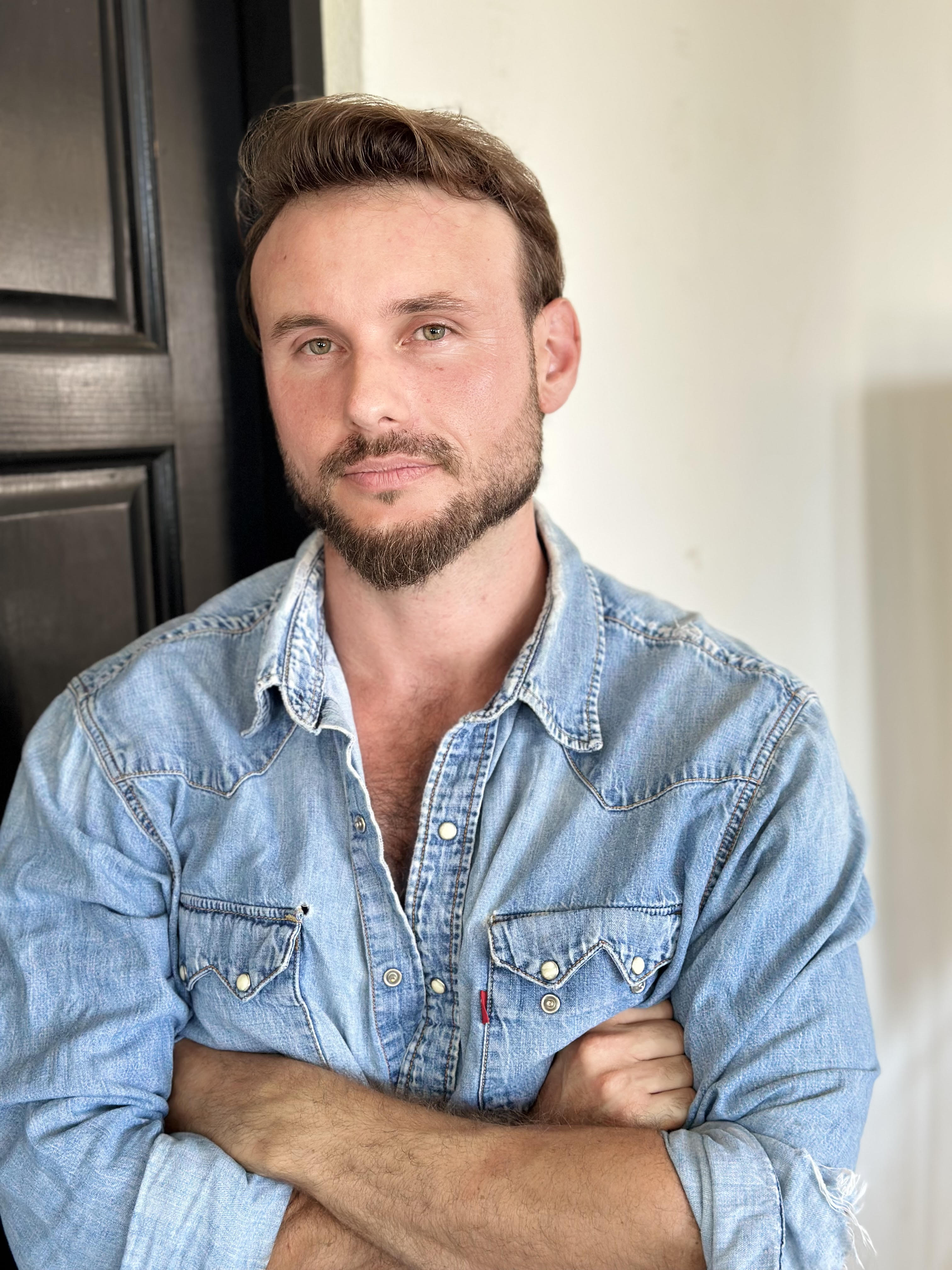
Zac Deane sits down with CEO coach and business strategist Mark Layder to explore leverage, finding your lane of genius, building the right network and why founders shouldn’t try to do everything themselves.
They also unpack AI, relationship intelligence and how a small shift in perspective can completely change the way you build your business.
Episode notes
- 00:00Welcome & Mark Layder introduction
- 01:25Mark’s biggest breakthrough
- 03:00The experience that changed how he saw business
- 05:00Discovering leverage
- 08:41How entrepreneurs can create leverage
- 09:35Sponsor — FindAPodcast.io
- 10:30Why business owners need new perspectives
- 12:00Stop building a business around things you hate doing
- 17:19Why having the right coach matters
- 18:06Finding your “lane of genius”
- 22:03What Mark would tell his younger self
- 24:00Know your strengths — and especially your weaknesses
- 28:47Know yourself, then be yourself
- 30:23Mark’s non-negotiables for performance
- 33:35Stillness, reflection and listening to your instincts
- 40:14Mark’s perspective on AI
- 41:30Using AI as a “thinking friend”
- 45:57The human skill AI can’t replace
- 52:36What is a Biz Connector?
- 55:00Why relationships can be more valuable than immediate sales
- 59:50Why networking needs a strategy
- 1:03:59Mark’s breakthrough challenge
- 1:07:05Relationship Intelligence vs. Artificial Intelligence
Chapter titles and timings from the published YouTube description.
From the conversation
Excerpts from YouTube automatic captions. They may contain transcription errors. Play a timestamp to hear the original conversation.
Mark’s biggest breakthrough
curious. >> Well, as I kind of knew this question was coming, I did stop and think about this one. I I decided I got the wrong answer. It's like an It's like an exam. But the headline answer was was when I was working in Arkansas and it was with um a big dental and nutritional company and it it was access to 15,000 distributors and working internationally and it would be about 20 years ago and it it was it was definitely a great vehicle and a great sort of experience and that whole Englishman in the States ...
Why business owners need new perspectives
>> [clears throat] >> I think in those terms that declaring a bias here, the one expert subject I've got in my life is my degree back in the day was in psychology. And my thesis was in reliability of, you know, the personality tests, psychometric tests. You write a thesis for your degree and stuff. So, that's my one expert subject. Everything else, I'm just self-taught business, blah blah blah. But I I studied psychology because I liked it. I I'm not the type that studies for the sake of it. It was challenging and my friends who were ...
What Mark would tell his younger self
It's In a way, it's it goes under the headline of something like the psychometrics again or certainly the know thyself stuff again. Because somewhere over, you know, many years, the guy in Arkansas, he was the guy that ran it and the main guy, he was massively dyslexic. Before we met him, he was 350 lb, 5 ft 4, and he lost all the weight with a, you know, a stomach operation. And really, you know, he couldn't add up 6 + 4 + 9, but he could tell you 8% return on 10 million quid. Just an unusual ...
Stillness, reflection and listening to your instincts
>> It's the don't be confused or or get sucked into meditation is woo woo or you know that it it's just a thing really called takes a a lot of a lot of business people will report a point where they just we kind of both picked up on stillness that you know my version at this point in my life is when I get the chance I I kind of use books that I'm cuz I'll dip in and out of different books based on projects that I'm working on and I find that cuz I write I ...
Why relationships can be more valuable than immediate sales
tend to want to hire them, and we'd say, "Well, you can hire them, but equally so, you might want to just have them on a contract, and you know, there's the world's changing away from the old employee employer model, isn't it?" So we just make sure that can be done, cuz we've had we've had businesses sponsor Biz Connectors where they didn't pay them a salary, but they gave them an office, and they used to pay a bit of tanks of gas, and they could use their client base. So lots of these active collaborations, and the ...
Read the episode transcript
YouTube automatic captions. Names, punctuation and wording may contain transcription errors.
Welcome back everybody to the Breakthrough Moment podcast where we interview successful entrepreneurs and investors and ask them what their biggest breakthrough moment in their career has been, the moment that brought them into the next level of success. And as they share that breakthrough with us, us at home can have breakthroughs as well. I'm Zack Dean with Mark Later. Are you there, Mark? >> Oh, I'm there, all right. >> Over in the UK, yeah? >> Yeah. On a sunny day. >> Sunny day. There's a heatwave there, apparently. >> Exactly. It started today and it will finish tomorrow. >> [laughter] >> Well, welcome to the podcast. I'll do a quick little intro and then we'll dive dive straight into it. So, for everyone out there who wants to hear about Mark, listen up. This is a man who's been through an incredible journey of business and wisdom and worked with some super successful people. So, for those of you out there, most business problems aren't actually business problems. Get this. They are connection problems. It's connection to the wrong people, the wrong resources, the wrong strategy, or even the wrong time. Mark has been solving that problem for over 30 years. He's a CEO coach, business strategist, and someone who has worked alongside some of the biggest names in global business. Welcome to the podcast, Mark. What has been the biggest breakthrough moment in your career thus far? So curious. >> Well, as I kind of knew this question was coming, I did stop and think about this one. I I decided I got the wrong answer. It's like an It's like an exam. But the headline answer was was when I was working in Arkansas and it was with um a big dental and nutritional company and it it was access to 15,000 distributors and working internationally and it would be about 20 years ago and it it was it was definitely a great vehicle and a great sort of experience and that whole Englishman in the States was kind of cool to go into their belly as it were and be the Englishman that was teaching the Yanks. It's kind of It was kind of kind of fun. But it isn't the real breakthrough one, really. The real breakthrough and for a lot of people cuz we kind of do breakthrough work over the years with people. Breakthroughs are sometimes underwhelming. People don't know at the time. Sometimes you got to get some other information before you go not that it was that the moment, but it was just oh, I never realized that thing. And because I knew we were talking about this subject the thing that kind of really struck me when looking back was because I've always been from this moment with this what I'm going to say looking at business differently and your description says it perfectly. It's not a business problem, it's a connection problem. I might use that. That's not a bad description. But it was when I was when I was working in France as a like a travel courier, you know, down with a holiday company.
And in those days, and I'm talking like 1980 dinosaur years ago and I was so I I In those days, I was making something like 50 pounds a week as this travel courier in but in proper sun at least in the south of France. And so 50 quid a week and we could live on that and we got our tent to live in and somewhere somebody gave us food, but I can't remember how. But we used to run trips with the holiday company to a place called Fragonard, which was a perfume factory. It's very well-known perfume factory and I knew about this place because my mother's name is Joy. And a very famous perfume is called Joy. And her being my mother, how she knew this, I don't know. But she knew something about Joy was made in this factory, Fragonard, and somewhere it was down where I was going. I end up taking coach trips to this place. So, a bit bizarre in and of of itself cuz they sell the fancy perfumes in little bottles like they can't call it joy, it's called C'est Joli as a trade name and they can sell it to illustrate instead of 90 pounds a bottle at the time, it was 4 pounds 50. So, ridiculous levels. So, busloads of young couples and young people and we do the pictures, the couriers as to me and the driver would split it. We used to have a league table for the driver and courier teams that made the most money taking the people to it. Long and short, I got paid 50 quid a lot of times for that for my share of it. So, the breakthrough in in your terms for me looking at it is the headliner for So, I can work all week and long hours in the job that we were doing. Yeah, it was nice and in the sun, you know, proper friend's honest we said. Or I could take a hungry crowd to this in this case a perfume factory and in less than 1 hour double my money. Now, in concepts that we all hear about depending on our ages and background, terms like which should be said leverage in England but it gets called leverage as we all hear it. It's It's a It's not a lever to the Brits, it's a lever. So, leverage. That's leverage. And again, you don't know it at the time but wow. So, I take these people and I did this what would be called a bit of a pitch about "Ooh, you could buy it for your grandson. You could buy it for the to the audience." In they go and I get given 50 quid. Double my wages and it's that that's the when I think about it because there was other examples like being taught when I was a young salesman by the sales director when we were selling soap. He was telling me that the supermarkets in those days were cigarettes were huge revenue generators to supermarket back in the like one of
the biggest revenue generators. And the government liked it cuz they were taxed to hell. And for some reason what we have in this kind of business conversation, Morris is neighbors and he said to me, "You do realize Mark, don't you? It's they don't make profit on the sale of the cigarettes." And you're like, "What now?" He goes, and you know, it was a 5-minute conversation, but what he was effectively saying to me was, "No Mark, they sell them at a loss to bring in huge traffic to the supermarkets who buy other things that are profitable. So that's how they make their short-term profit." He said, "But then they get the cash in. They don't pay for them for 90 to 120 days. So they're cash positive. So that's good for That's one reason for the supermarkets to do it. It still wasn't the real reason. And this is the bit that I think blew my mind and is up there with the the perfume story. That money they made, they went and then played the fixed markets with that they could make a lot more money than they could out of selling sugar, soap, cigarettes, booze, whatever it was. And that when you looked at the annual reports, you had to look carefully cuz the the bulk of their money wasn't [clears throat] being made in the shop. So the shop was a vehicle of distribution, which may come back as we speak, to do something much more powerful with. And so the they're just two stories when I think about it Zach that they just got me to in, you know, Charlie Munger that you Warren Buffett's ex-partner died a few years ago sadly and nobody ever heard of him and then suddenly he's everywhere all over the web after the poor man died. He's the He's now the man that's called as inversion. And I was taught the invert the model from a very early age that what we think is the problem or what we think is the objective is not really the the one and in your terms you've used my term, the connection piece. It's the connection. It's the how you've got it lined up. And until you get that new perspective of that, which again we might come back to for the most part people is very hard the traditional plan A model. If they flip to their plan B, then actually it becomes a lot more a lot easier, a lot more profitable, and actually quite a lot of fun rather than the struggle that most people associate with business. So, yeah, once you got into this you got me really going on it. >> Super interesting, Mark, for sure. It's these little aha moments of reflecting and going, "Oh my god, I just earned what I would have earned in a week in an in an hour." >> Yeah. >> Maybe I can do that again. How do I do more of that? What else is possible? And so opens up this world of a whole another world, another another territory of what's possible when we have these aha breakthrough moments and and I guess that's the beauty beautiful
thing about business is that yeah, that that can happen on a daily basis as well as some challenging moments as well. Um what advice would you have for say someone maybe an entrepreneur out there or maybe a professional who's maybe stuck in their own mind around a certain way of making money and and they're wanting to have I guess this thing we call leverage or leverage uh in their own life. How how can they start to maybe integrate that if if maybe they've never done it before or yeah, how can they start that journey? Real quick, before we continue a brief message from today's sponsor. If you're an entrepreneur wanting to grow your personal brand, authority, and business through podcasting, then check out findapodcast.io. As you know, the biggest entrepreneurs in the world, they book these massive podcast tours before a big product launch or an event or book because podcasts build trust faster than anything else online today. So, it's findapodcast.io and helps you connect with the specific podcast in your niche. It writes the pitch, it follows up in this easy CRM. It truly does save time. So, you just show up, do the podcast, and your business grows. If you're curious to learn more, book in a demo at findapodcast.io. Now, let's get back to the episode. >> [clears throat] >> I think in those terms that declaring a bias here, the one expert subject I've got in my life is my degree back in the day was in psychology. And my thesis was in reliability of, you know, the personality tests, psychometric tests. You write a thesis for your degree and stuff. So, that's my one expert subject. Everything else, I'm just self-taught business, blah blah blah. But I I studied psychology because I liked it. I I'm not the type that studies for the sake of it. It was challenging and my friends who were all lawyers had to sit there for 3 hours and quote case law and it was just boring. Whereas psychology, and it it's still a very imperfect science, but in 1980, it was witchcraft, you name it. Well, it's that part of my mind, I think, that says and and I think it's the psychometrics that become the headliner in this story that the position that you're describing that some business owners find themselves in. The simple answer is go get a coach or a mentor, somebody that helps you look at things a bit differently. That that could be a headline answer. But I think in the world of the psychometric if you find the good ones and people will recommend, you know, the famous one DISC and there's the Youngian stuff that we we still work with in things. Because so much of this is about our conditioning and our minds and what we know and what we call plan A business, which remember doesn't work for the best part of 80% of people that we've got all these tools, but we've got the biggest
failure rate in business in known history. So, something's wrong. So, for that person and uh you know, in our language like let's get rid of the elevator pitch cuz nobody likes it when they're done to them. So, why are you doing them to other people? And our move away from the elevator pitch is we call the unique perspective switch, the up switch. Because if you can get new perspectives, you you just used the well-known phrase for the aha moment. And the way to get aha moments, I think you go back to good old Socrates, which is know thyself. It's and the psychometrics are the coach. So many business owners are not only trying to be something or somebody else, but the model is being told that they are they are meant to. They're meant to go and you know, oh, you're going to have to learn to LinkedIn post and you go I'm a I'm a teacher. I don't really want to be a LinkedIn I'm not very good at it because the the bad seed in that sense is everybody's now if they're 80% of business owners self-declare as they're not from sales or marketing backgrounds. And even sales and marketers are different types of people. You can't even really lump them together. But for business owners, it's finding those different perspectives because the goal is the business needs to be run around the core skills and passions of the founder founders and everything else is supplemented around it. And that's one of those lines that you know when you say a line to people and people start going, "Hey, that's really good. I never thought about that." And I go, "It's just something that I say to people." And I'd seen, I guess, on that basis. And you go, "Well, it's Well, And we started making it a question because when we asked the question, an awful lot of business owners, particularly, you know, if they're the entrepreneurial guys that have built it from the scratch, they're not the same quite with the the established CEO that's built up into a big companies cuz they've got more support. But if you're in that growing and scaling type person, they will tell you that they're And I'm thinking of a particular client of ours, lady very nice lady. >> [snorts] >> She's a designer. So, she wants to be designing it, products, and working with the graphic people. And I say to her, "Well, how much of your time do you get to spend on that?" She didn't have to think about it. 20%. Because 80% of her time is on S H I T she doesn't want to do. And you go, "Well, how did that happen then?" And that's the So, I'd make the line, "Well, look, I don't We can't I'm not sure we'll get it back to 80/20 in 6 months, but we'll get it back to 50/50 and you'll start to feel better about your business." Just in that conversation, she went from kind of to "That would be brilliant."
You can see it in people. So, new new perspectives, just little thoughts that get us back to the business dream instead of the bloody business nightmare, really can make a difference. So, the the easy answer is different kinds of people and people that you can be open with. If you want a professional version of that, that's a coach or a, you know, somebody in that bit, if you use some of the tool like psychometrics will give you insights that you probably know about yourself, but it's then the applications because the message is if this business isn't designed about the founder's dream and drive, you will live pretty much forever in struggle. And most businesses don't go bust, they get closed because the owners, founders go, "I can't do this anymore." And you're back to that. The the the energy's gone. If the energy's gone, it's extremely difficult to keep going in business for the reason that as you said, it can change every day. If you're comfortable with that and you know that as a perspective, then hey, what's going to happen today? I've got my plan, then the world happens and you work around it, but at least you're in your right lane and the business is now in a position where it can go into flow because that's the other thing people tell us. They keep getting interrupted. Talk about one step forward, two steps back. Nobody's in flow doing the thing that they like to do. Everybody's being told that they've got to learn to do that before you go and do that. And it's Initially, it's exciting, I guess. But give yourself 6 to 9 months of that and it's, "Oh my god, can I just have a good day uninterrupted getting my particular s h [clears throat] i t done?" It it It's It's really quite bizarre and how how people struggle with this. And I mean really struggle. I mean, on one level playfully going, "I'm annoyed." But on the other level, we know about the mental health problems that it's definitely a lever that's pressing on that because you never quite get to touch what you really want to do and stuff. And that leads to frustration and yada yada and you you're not in the moment again. You're not in flow. >> You touched on some really interesting points. I couldn't agree more the importance of having a coach. You know, my question was like, how do you What What advice would you have is get a coach, get someone to help you see a different perspective and hold you accountable, moving you towards the goals bit by bit by bit. Because, yeah, it's so easy to get distracted in today's world and But But you're talking about something really really interesting, which is this flow. So, knowing your background in psychology and knowing, I guess, your experience on this earth, how do you does someone create flow? Cuz I think there's even There's even like the Flow Institute and there's even supplements and there's this whole, you
know, different meditations. Are you talking about that type of flow, which is like in your great lane of genius? >> Yeah, it's the lane of genius piece, yeah. Whether, you know, our first generation of coaches What The first time I was called a coach was in 1985. Yeah, I'm not old. By Volvo cars. And they called it a coaching program because the sales managers in the dealerships could see themselves as a coach, you know, the guy on the on the sideline saying do this in football or rugby or other sport. They could see themselves as that, but they didn't see themselves as a a trainer. They saw trainers as guys in classrooms. Our program that was working with the dealers, that that's kind of where we weren't at the time. It was kind of born from a way to sell the program to these mainly sales managers in in in Volvo dealerships. And it [snorts] ever since that that coaching piece has just led us further and further down this path of the new perspectives. It's the new perspectives that makes the difference for the people that are really trying to do this. And ever since that moment in our first generation of coaches, we knew that they weren't sales people, so we had to find ways that could adapt accordingly to that. So, it's all it's all in that pot of new perspectives again because people do get into the struggle bit because that's what they're told to do very quickly. Interesting. >> Yeah, I think history someone said the other day history doesn't repeat but it rhymes. And so I think as well as one of the great things about the longer I live on this planet is that I get to see myself in different different phases or different chapters, um you know, interested in different things or values or having this kind of I guess perspective of of more of a timeline. When I was younger I didn't have much of a timeline cuz I you know, maybe just forgot. But now I'm like, oh yeah, that's I've been out of school now for 16 years, 18 years or whatever it is. And I guess you've had more of that perspective. You've been on this earth much a lot a lot longer and you'll you would have been considered you know, one of the elders of the community. Um what advice would you give yourself looking back on everything you've been through at the start of your I guess >> Very subtle. Very very subtle. Very subtle. In the UK we'd call that an old Yeah. Yeah. Very good. >> I guess old but I think cuz like you know, in tribes and we would have been more communal based, you know, this world was so spread out now it's like we would have been more I guess and I didn't have that growing up. I wasn't close to my grandparents too much. They were in a different state. So this is kind of part of that. But what what advice would you give yourself looking back on everything you've been through at the start of your
I guess the coaching career, you know, from 1985. Knowing what you know today, what would you say to your younger self around the the journey ahead, the entrepreneurial journey? >> If you have a business on Facebook or Instagram, you need to learn about this new amazing AI automation tool. The question is, is your personal profile or business profile manually messaging your target audience every single day? If not, I highly recommend you do this. There's a massive ROI on that. But, if you are, there's a more cost-effective strategy. So, this is a unique AI software. It runs for you, your friend requests, the messages, the likes, even the comments, 24/7 in the cloud. So, while you're watching podcasts like this or taking calls or while you're sleeping, it's running there in the background. Some of these people are pulling in another 5 to 20 extra qualified leads every single week on autopilot. You can experience the podcast special trial and try it yourself today. Check it out in the show notes below. >> ahead. It's In a way, it's it goes under the headline of something like the psychometrics again or certainly the know thyself stuff again. Because somewhere over, you know, many years, the guy in Arkansas, he was the guy that ran it and the main guy, he was massively dyslexic. Before we met him, he was 350 lb, 5 ft 4, and he lost all the weight with a, you know, a stomach operation. And really, you know, he couldn't add up 6 + 4 + 9, but he could tell you 8% return on 10 million quid. Just an unusual brain. He learned to manage his weaknesses. And it it the more we see it, because there is all of these tools, because there is all of these advices and blah blah blah. So, Bill is Newell. Bill had a very very tight team of people he trusted. That was what he Be careful Be careful where you get your advice cuz if they walk the walk or are they just walk the talk? There's that element. For the more people and I've still got some old video interviews of him and he's a very shy man, but him and another very successful direct marketing guy, Tim in his case his name, he's he will be very open and say he's good at maybe one or two things. And but it took him a while to work those things out because all a business is and in that connections analogy that you used to open the session up, all warm during the first 7 years of something as big as Walmart where it got to three stores and one went bust, then over the next 17 or 18 years it grew to something like 25 stores. It was working out its formula. Business is just a master formula made
up of a series of many formulas. So, you know, for business people prepare to be puzzled, you know, unpuzzling cuz you're looking how the pieces fit together, connect together, get the pieces in the box to continue that analogy. So, it really does come the Remember the you know, the standard interview question, "What are your strengths and what are your weaknesses?" And obviously strengths are important, but in the {quote} entrepreneurial world, >> [snorts] >> where a buddy of mine has got a book out called the lonely seat, the the person where you can't There's nobody above you. So, to get proper advice and there's people that don't want you to fail, but they won't stop you from fail either. Fail either. They'll They won't push you towards the abyss, but they might let you stumble towards it. So, it becomes more in old adage is I think at the senior levels or the uh the final responsibility levels, it's really get to know what you're good at and what you're not good at because the real model of the business is who {brackets} can help you, not how do I get it done. It's not It's not a It's not a a task of martyrdom. It's not necessarily meant to be hard. It It's It is hard for most people. But the the design in plan A as we call it is so difficult for most people cuz it's counterintuitive. So, I think it's really get to know the bits that you are good at because everybody's had the time about Oh my god, is it 9:00 at night when you're doing something because you really enjoy it? And you could you could probably sit there till 4:00 in the morning. But if you're doing the bits that you don't like, you'll put them off. You know, all this procrastination thing that's always been there, but again is probably talked about more than ever. This is all based on we are allowing ourselves to get into the sacrificial lamb martyrdom whatever of all that mountain of admin's got to be done. You got But you haven't got to do it. In fact, from a business process point of view, if that's not your job in the business, then you should not be doing it. You should You won't have You will create flow doing the things that you set up the business to do and really want this business to be about. So, I think that's the shift because that means you start to properly structure the business. And with a with a nature like I've got, which is about problem-solving and troubleshooting and I didn't build products and this that and the other, it took me a long time to stand still long enough to go, That's my Achilles. I could do well doing my other stuff, but until I did that and went and found other people to do it cuz once you get me into
funnels and all the product assembly stuff, I lose the will to live. I mean, I literally the the I can feel I want to go back out and talk to the people again and find out what they want and stuff. So, that's where I'm meant to be. So, you get and it's the 80/20 thing again. Most people poor, they know intuitively they are in the wrong place in their business most of the time. Guess what? The business feels hard and unnatural. And if they go back to and shove the ego where the sun doesn't shine to I've got to do the bits that I'm good at and I've got to get other people to do the rest. That one switch because it gets them to realize school for the most part in this was a con cuz there isn't much correlation between success at school and success in business. Good education can help sometimes, but if it's all about because for the most part again if you don't get that feedback and get yourself in the right place for you, you will never get into flow and if you don't you will end up again losing the energy and that's where I'm going to go and get a job. I can't be doing with this. It's the up and down nature that's the beauty of business becomes the enemy of business. For sure, I like this This is This is all around. Yeah, know thyself and then secondly, it's to be thyself. And so the how do you know who you are if you haven't experienced life and gone into different different experiences and had the highs and and the lows. And as you said there, the the to stand still. That's something I struggled with for quite some time because in Australia, I was always busy with family, with friends, or business, or work, and side hustle this and video this or whatever. And yeah, to sit still and to reflect and to go into that. I think one of the things I would share with my younger self would be to sit sit in that silence more and just to keep writing out what do I love to do, what excites me, where does time disappear, do more of that. And anything else, you know, kind of build the team and delegate around that because life's short and it collect, you know, from school being smart, school smart is not the same as on preneurial smart. So, it's getting that right formula down like like you said, very interesting. Um you know, you've been on a on this journey for quite some time. To be an entrepreneur is very taxing. It's Yeah, it it it was it's Most people think, "Oh, I'll become an entrepreneur
and then have more time." Typically, we have less because we work later or get up earlier. You know, what are the things that you do on a day-to-day basis or whether it's part of your mindset or your environment or the people you associate with, what are the things that you do that help like non-negotiables that give you more energy, that have maintained your your hustle, so to speak, over the years. Yeah, see, the energy word's becoming an important, isn't it? And even when I mentioned the first generation of coaches earlier, we at that time, early '90s, there was quite a bit of this meditation in business stuff around there and there was even phrases because we'd had the whole success of the Japanese economy of the '70s and 80s and it was starting to change then. But as that first generation of coaches that we called achievement coaches, we were often the we were often called the how do you feel about that guys cuz we were asking senior mainly men in those days and increasingly more women through the market and changing became part of it too, but mainly men in the early stages. And so things like meditation that we called centering because we got away from a lot of the wacky words. There's nothing wrong with meditation, but it's it it gets kind of to be blunt bastardized over the years because as you've just described it that sitting moment and whether people have got little 15 minutes and put particular track of music or you know, their Spotify thing that they play or whatever. It's not don't don't get lost by the word. Follow the thing and if it helps you because we we certainly over the years did things what others would call meditation, you know, the little I think I've got it somewhere the bell that you can hear ringing cuz it's love you know, but it all gets a bit woo-woo. It all gets a bit tree huggerish depending on where you're from in all of these kind of things. And so we found that the more we can get that into the practical side of it because when we were talking to those professional men, we had to really show that the question style and the a bit woo-woo stuff
>> It's the don't be confused or or get sucked into meditation is woo woo or you know that it it's just a thing really called takes a a lot of a lot of business people will report a point where they just we kind of both picked up on stillness that you know my version at this point in my life is when I get the chance I I kind of use books that I'm cuz I'll dip in and out of different books based on projects that I'm working on and I find that cuz I write I end up writing in my own books and then I transcribe the notes and that process of reading because I don't read for fun I'm quite goal directed on that stuff but I know that the process of reading because I'm looking for something or I'm always on the hunt for something kind of gives my mind the chance to freewheel a bit and I will often find that's how we do that and I'm not a I'm not an epiphany person. I'm not a go to the mountains at 3:00 a.m. in the morning messages type guy. You hear that you hear a bit of that stuff. Me and my wife go, we've never had those messages, have we? We just have to work the bloody thing out. But, joking apart, we do all get an instinct, which is kind of that subconscious part of us going, we might know how to do this, but you've got to listen to me. So, there is definitely something about that. In a business form, you know, to cuz again, we had to be practical about this stuff because we were talking to performance men. After three sessions of those This is back in the '90s, where it was all go, go, go, when lunch is for wimps type language type stuff. After three sessions, those senior much more corporate senior people, so 80 hours a week, getting paid a lot, but expecting, you know, their bosses and stuff as well. Well, they'd start saying things to us, and it wasn't We were not asking questions about this, but they would have because of the sounding board nature of the relationship, they would volunteer things like, "Well, I've put on 25 lb. I'm not doing any exercise like I used to. I'm not as close to my partner. I haven't been to the kids' school sports day for 3 years." All of the quality of life things that we'd going, "Well, this
is about, you know, improving so-and-so in the business." But, it was clearly showing that they had a very specific connection between the performance them and their lives. And if you, you know, again, books I've got here somewhere, the inner game of golf. You know, if a golfer's having a bad day, his technique hasn't suddenly gone bad. He had But, he might have had a fight with his partner that morning and that is playing on his mind and golf is a very mental game. Walking a mile to the next bloody shot or whatever it is, going why didn't I hit that one? It's just like tennis sitting between them. So, we kind of intuitively have experienced this stuff but we still also tend to marginalize, particularly men, tend to marginalize the power of this stuff as well. >> 100%. Now, it is really important to have that silence, especially as the world's getting so noisy. And uh yeah, we know I watched this little reel the other day and as much as we have this physical body, we have an emotional body, we have mental body and we have a spiritual body and it's all interlinked. And so, there's different practices I guess, you know, for different people but um now that's really interesting because I think a lot of the time people um the visions that we have typically as entrepreneurs sometimes don't match the person who's who's casting the vision. What meaning that they don't have the energy or or they don't look after themselves. They might have this amazing business or this amazing thing but they're not like they're not they're not eating well, they're not looking after their body. They may be, you know, just like in a negative place and so but the thing is, you know, a business doesn't require just one person. It's about a team and that's not the defining factor of a business's success. But I think it's just important today as we're yes, going through so many different cultural nor like I guess we're breaking cultural norms or transcending them or like you know, we're able to learn so much now based on technology and having these discussions online that we're able to maybe burst the bubble on certain cultural things or stigmas and things like that which is yeah, I guess a fascinating part of yeah, just life in general but my question to you is as you know, you I guess you came from a a world where they probably I don't know these inventions of technology have jumped astronomically worlds of of technological advancements. There's you know, kids being born today who have a phone within I don't know, such a short period of time of existing. Whereas you know, back in the day with there wasn't the internet and you know, there was the radio and then the before that was the you know, it's just this advancement of technology. How are you seeing AI? Is it just another jump in technology or is it something that we should be worried
about or something that we should be excited about? What's your views on it? >> Pause. Before we continue, the first way we as entrepreneurs introduce ourselves when we walk into a room, it's our energy, right? People feel that. And secondly, it's our face. How healthy do we look? So for the entrepreneurs out there who care about how they show up, I'd love to share with you personally, I've been utilizing some Korean skin care products now just for over a month and I had no idea about them up until you know, even just 2 months ago, but it's by far one of the best investments I've made for my skin. I feel it's literally making me look younger and it has this like glassy, super fresh look. And so this is the number one exported Korean beauty brand and skin care line in the world. The ingredients are second to none. Even pregnant pregnant women can use utilize them. Because out there there's so many products that have toxins in them that really make our face not healthy over a long period of time. And so if you're out there and you want to match the energy that you output with how healthy you look, you can try all these products risk free for 30 days. If you don't like them, send them back and get all your money back. If you're out there, if you're curious, check out the link below to learn. Let's get back to the episode. >> [clears throat] >> I I may be biased and I'm not the techy type, but I'm very but I am very into the world will always innovate. So, unless we want to get into governments banning things, which I'm not at all in favor of, then AI is just a super tool. But if if I've got a problem with my heating system and a plumber stops by and gives me his toolkit, doesn't make me into I can put radiators on the wall. And and that's where we're losing sight of. We think the solution is the tool and it's not. It's the use of the tool because relationship intelligence, RI, is how you get the best out of the AI. It's it's the human factor in it because me as a non-techy, how do I personally use AI? It's a brilliant thinking friend. It is One of my big weaknesses is I'm good at the idea piece and I'm good at the facilitation piece, but you don't want me in the factory. You want me at the outside gate and then I'll go take it to market. But where some projects of mine will fall down is I've got the idea, so I'm very conceptual. AI can help me crystallize that to the next level to give it to people who haven't had 10 years thinking about it, so it comes in as a bit which is mind-blowing, but they don't know what to do with it. So, the the sounding board of AI is very good to me and then the fact that it will pump out what's in my head very quickly into a working document. That's not the finished document, but it's certainly
it's the old thing about if you get most people beyond the blank piece of paper, get them going, most people can keep going, but a lot of people struggle to get going. I'm easy with that. I can do that bit, but I struggle in that developing phase. Cuz my my I've done my bit. I can go again and go to the next one. And it it's definitely one of my bigger weaknesses. Now, if I know that, I can set up my business around that and manage it and get people who will do the crystallizing piece. So, AI is a super powerful tool. What it makes it different probably to other jumps, it's the fact that it's dialogue-based. It's the fact Yeah, other things we've had, we had to just operate it. So, I still prefer to call it machine learning cuz it doesn't think, but it learns fast cuz it's playing millions of probabilities. So, that that out cuz our son is 23, he's a bit anti-AI. He's a bit Luddite-ish. He's a bit, you know, they can take 2 seconds of your voice and they can have you speaking and and you get All true. They're all true statements, but I'm going to I'm going to still go with the upsides for people who are already a bit creative, but they stumble in certain areas. That person, AI will increase them more than good old American 10X. It will increase certain people who've got that creative genes productivity massively. So, today and the upsides for me and remember, it's really easy. You can turn that off if you need the peace and whatever because it is the here our whole you can summarize pretty much all of our work, you know, under the making the human equation add up. Cuz the technology's going faster and faster and it's brilliant, but the human beings haven't changed. So, us as the operators, unless we prioritize the human connection bit, the RI bit, that's when AI becomes a problem. But, if we stay on the front foot and we stay, "Wow, what a tool!" And it starts available for free in good old chat GPT or deals that are around that you get a year of Gemini for $6, and you can talk to it all day long. Then, that is an awesome It's It's actually in the context of broader technology, cuz clearly internet changed the world. And it's a good one for connecting, if you think about it, because we all had PCs before the internet, and they were useful to type things, and the Apple guys were good with visuals. The real power of the PC didn't arrive until they were connected.
And that was the internet jump. The AI bit now gives us this personal sounding board to then get the stuff down on paper to at least I can come and give it to you and go, "That's what I'm trying to get across." So, I could go, "Oh, now I get it." That crystallizes it, cuz that could take months in the past. And certainly, if you're waiting on me to do the document, "Oh, bloody hell, I don't like doing that bit." You know, so we can keep the Even that's keeping us more in flow. But, it is a real mental start point of we're being given an amazing tool if we really embrace what are the things you want to use it for, and how does it leverage you in that context? It It's It's awesome. And then, the dark side, if human beings that can influence other human beings will never not be in demand. >> Human beings that can influence other human beings will never not be in demand. Tell me more about that. What do you >> Yeah. >> Well, I can get close to my stick here, the Biz Connector stuff, aren't you, Yugi? It's It's that area that everybody, you know, we If I had to put Going back to AI, >> [snorts] >> we've got cer- quite a few clients who've tried this AI outreach, and it it dials you up, and it can respond to you, and the results they're getting, they're It's a round number. It's absolutely rubbish because people start to know it's either a funny-sounding voice, or there's just something that doesn't work, and then we've got the guy that go and talk to some of the people of the way that they talk to their clients, and you know, some people they know people well enough to cuss and swear at them, and they AI can't do that. It It can't replicate that human factor. So, for when Well, I'm There's a There's a fellow called Kevin, and he's famous He's quite a speaker, and he he likes to say to people about like a plumber's going to go into business, and he'll say to the plumber, and he's got this kind of northern English accent, and he'll say to the plumber, "I hope you're good at selling, lad." And the plumber He's even older than me, by the way. Even older than me. But this is a few years ago. "I hope you're good at plumbing, lad." And the plumber invariably goes, "No, I hate bloody selling." And he said, "Well, you're going to struggle in business, then, aren't you?" Because nobody in his little line, if he's doing it to an audience, is He puts out to audiences, nobody's in sales anymore. And some of you go, "No, I am." And you go, "Show me your business card." And it'll have business development specialist, and it'll have customer rela- It'll have anything as long as the words sales and selling isn't in it, because pretty much in most of the quote Western
economies, cuz some you know, you go to different parts of the world, there are some differences, but pretty much the the pitch man don't get me started on pitch, but anyway, to give it that phrase is almost persona non grata at the the the the dinner party. It's not like the attention of an engineer or a doctor or because it's all a bit foot in the door and all every society's got phrases for that kind of pressure selling, those kind of words. Well, the pendulum has swung completely the other way now is because us on our quest to put a biz connector in every single business in the world cuz they all can and will use them. And when Bill Gates famously said he wanted to put a PC on every desk and in every home and people laughed at him, well, he was wrong, but he was wrong on the on the side because that would have only been two units. Well, there's 15 just in our house and office. So, he was massively wrong, but he was really right because he was just saying the same with the biz connector they they huge over supply of experts, some of whom are very good, some of whom aren't. The biz connector's job is you haven't got the time to sift through all of these options that are out there today. You need a bookie's runner, the biz connector to bring you the resource just in time. So, it's kind of a wider That's our stick stuff. It's our belief of the business world unless we get these hunters that farm, these relationship orientated people who will happily promote all day long, then the world is just in my mother's generation, you go, "Well, jack of all trades, master of none." And I can remember fighting with her as a 12-year-old and go, whatever language I used in those days, the world is now going to be owned by the jack of all trades, and our son will quote, "Generalists on top, specialists on tap." And that is the Bisconnecter system. He's quoting, by the way, he has read from cover to cover. God knows why. The whole civil service construction manual, the British bloody civil service. He's read it, all of it. I got He just loves that institutional control stuff. He needs He needs therapy, I know. I I I know, but see but some of the the the content in there is so powerful. Generalists, people who can integrate, that's much closer to the skills of a a CEO or of a an entrepreneur, because the specialists, to finally in a world that's they look through too narrow a
lens. So, it's the generalists that are the connectors, the the overall big, and then it's the specialists who can deliver to a huge level at the right time. But how do you know which specialist is the right one in an oversupply world? I don't see brain surgeons standing outside hospitals with a placard going, "If you've got a problem with your head or your brain, come to me." Well, you know, it's it's there's they've got a system called a you know, a hospital to do that for them, and there's demand. But so many other parts of the world, that's exactly what's been "I'm the world's best so-and-so. You need to come to me. Even if you I know you haven't got this problem, but well, you it it might be interesting, but you don't have that problem. So, it's the wrong place, wrong time, and then that's the disease of non-marketing background people being told they've got to be marketers. They can't use these tools and things that they've got. So, guess what? It's a self-fulfilling prophecy. It's not connected in that way you've got me thinking that I kind of used it, but you put it very well at the beginning of the session. It's not connected, so it won't flow. We're back to that word again. >> So, tell me a little bit more about your business, Mark. Who from who's listening right now, who should reach out? What problems do you solve specifically? Like you mentioned you're putting business connectors in each business. How does that work? >> Well, simply I said there's quite a few ways, cuz the world has changed from you haven't got to just employ them. But, when we used to put the financing and insurance people into the motor trade years ago was our first example. It's almost like what we call a Trojan horse business. There there's already a business doing something. So, in those days there was businesses selling cars. And the only times they used finance was when people used car customers mainly so needed them, and they got mugged off on the old days of high rating them and this that and the other. Our system, which my chairman brought in the states, was training somebody to work inside that dealership. So, call the F&I man in those days, the business manager. And they were the ones that started to use finance as a profit center and as a marketing vehicle to bring customers in. So, again, we were told it was going to fail, it wasn't going to work, blah blah blah. Finance is easily the biggest profit center of the dealership by miles. But, back in the '80s, no, nobody's going to buy on finance. And and we started to use it to go selling leases to people like plumbers who come in and go, "We've made a profit, so my accountant told me to buy a van." And we'd say things to them like, "Have you got enough work for two vans?" And he'd go, "Yeah." He'd go, "Well, I haven't got the money." He'd go, "Well, you get a cup of coffee and take a sit sit down for a minute and let me go and
play with the numbers." We'd come back with a a lease, and we'd even throw in the sign writing, and he got two vans for less output today because we could structure that deal. Well, imagine him going to the pub. Oh, he showed me how I could get two bloody vans, and the accountant didn't tell me that. So again, see those inversions that the things that we were working on. Well, you speed that up. All of that is the Biz Connector's model, really, because the challenge from the buyer side today is they they decide they need resource X. And they it could take them days, weeks, months to find that resource X. But if they've got access to a Biz Connector, so not working for them, just the Biz Connector role is to do that connecting piece, and then there's deals that can be done. But businesses then started to work out, "Well, I could get him doing my networking for me, couldn't I?" You go, "Yeah." And then they bigger companies tend to want to hire them, and we'd say, "Well, you can hire them, but equally so, you might want to just have them on a contract, and you know, there's the world's changing away from the old employee employer model, isn't it?" So we just make sure that can be done, cuz we've had we've had businesses sponsor Biz Connectors where they didn't pay them a salary, but they gave them an office, and they used to pay a bit of tanks of gas, and they could use their client base. So lots of these active collaborations, and the more the more we go with the Biz Connector as a profession, the more it becomes the doing of plan B businesses because the middle of all of what we're talking about is fundamentally the bad seed is what we call plan A is not working for statistically most businesses. Most people kind of go either plan B or they kind of on that path. They knew they need something, but they don't know what it is. So, the BizConnector in that is almost a symbol of how you can change your business or a new perspective. So, the more we drive with that one thing, it opens more people's minds to there are different roles in the future that are coming out. People are going to need visibility consultants, people to get them visible in cuz PR doesn't do a very good job in most people's estimations. So, there's new design of businesses. So, our BizConnector to if you if you work with a BizConnector as a client, you fill in the little diagnostic and they'll do a review of your business and they'll start Oh, you want super fast reading? We've got Howard Berg, the world's fastest reader. That That it's the if you want to get to the needle in the haystack, the fastest way to do it is get somebody to burn the hay. So, the BizConnectors are the hay burners in terms of the process. But, from the business owner point of view, you know, people that might be listening, it's a new resource which in
old money is just called sales, but it's the modern day relationship marketing view because again, with my war stories from the motor trade, when we learned nine people walked into a Ford dealership and only one of them bought in the next 48 hours. So, we started to look at Well, your marketing brought the other eight in. So, they they'd been a cost to you. If we can build relationships with those other eight in the next 2 years, they will worth more than double the walk-ins. So, you pay the bills on the walk-ins operational money, but you grow the project through the relationships in this sense. Not only would those people would they buy again sometime in the next 2 years, the people that you didn't sell today because you have to form a different kind of non-sale relationship with them. With something like 80% referrers into the business. And referrals don't cost anything other than a if you pay somebody a referral fee, but that's out of profit. That's not speculation money. So, the profitability from knowing only one buys, the job really is about build the relationships with the eight and presenting that information even at the front end to the sales guys who never follow people up, do they? They do when it's explained properly. And it it's that See how that's an inversion to what we think and everybody goes on LinkedIn and they're really just trying to pitch or they go to networking rooms. No smart person goes to a networking room think they're going to sale sell today, but they might meet a business partner, they might meet an introducer, they might meet somebody who knows places where they can sell. And it that again, it's a mindset as a We serve people that Oh, shut up. I mean, shut up. It's pathetic really. And then And they're not bad people. We say, "Well, you know it's not working and you know it's not you don't like it if it's done to you. Why do you keep doing it?" I've got to do something and I don't know what else to do. That's the biggest answer we get. So, that's that's where the BizConnector stickers come from. We need somebody who enjoys of promoting. There's lots of people that do. They don't like networking, don't like negotiating in the money bit. Well, the system can do that. So, it's the headliner for we have to design businesses differently. >> So, who should reach out? You know, I'm going to put your links around here. So, who should be reaching out to you specifically like I want that. I should you know, I want to learn more. >> Increasingly now, more and more people are reaching out to be a business connector. In in the past, it was always seen as a "Well, can I really make money out of this?" And we clearly got evidence that
you can, but it's still hard to get it going from day one. So, the extra sort of thing that people quite like is they can be assigned to business groups that we know and work with that you've instantly got access to a hundred business owners. So, you you've got something to get you going and people that want you to help them from day one. And you feel like you're on a team. So, people that might be interested in in that opportunity can fill in the little form on the website and we can open that conversation. But, the demand today really is that we realized that networking a networking is a tactic. It's not a strategy. And networking implies going to a room or being on a call and all that stuff we just talked about. The shift is it's an is a network strategy. Everybody has a network whether they know it or not. Everybody knows some people. That's a network. Whether you realize it as a business asset and you deploy it because if it's a value, it should be on the balance sheet. And we know people that can put it on the balance sheet for you. So, most people when I say to them, "If you get five new contacts on LinkedIn, what is your system to activate them in your network?" And I kid you not, one in a thousand. There is nobody answers that. Well, I just sort of see what happens and you go, but they could they could be the best business partner in the world and you've never even spoken to them because each five, you can't go and get five more because most I've got 4,000 people on LinkedIn. They'd be better off with 40 that they worked with and and they it was segmented. So, it's for people who want to really get if they structure that word again, their network properly. It is the boulder that should have been put in the jar in all business design first. That example of the boulders in the jar. If you it's difficult to get it in when all the other stuff's going on, all the busy world. That boulder is the basis of your operating system. It's the basis of really understanding we're in the people business first. If you focus on the people your business deals with and you systematize that through what we call a network strategy, so many of those things about I'm in the wrong area of my business, it's misdesigned, without having to go on classes for this, that and the other will self kind of rectify and level if you go back and get that foundation piece. So, it's for people that are realizing they either start from the position of I know there's a big opportunity in my network, but I don't know how to get it out just genuinely realize that they're never quite organized enough and all they have to do, it's not a big shift, Zach. It's the line about one small shift in
perspective can lead you to, you know, the riches. The shift in perspective is come and talk to us about properly installing a network strategy in your business and all the other pieces whether they need a biz connected and then all of stuff, will come out through that one thing. >> Fantastic. Okay. Um very very last question here. And I'll put your links all around here and I just want to like bring this home. We've covered a lot today and the thing I want to ask you is one of my favorite questions, which is around helping other people have a breakthrough. And so this whole topic of and this concept of breakthroughs is with the podcast and our masterminds and things like this. But from people listening today, what would you suggest that they do to have a breakthrough? What should they do today or this week or this month that's going to help them have the biggest breakthrough for them? >> The biggest breakthrough. The biggest breakthrough is often not looking for the breakthrough in a strange way for your audience is that, you know, kind of it may be go back and it may be go back and just think about you the question you opened up with for me because some of those things that we take for granted, they're what we in in the book the Biz the BC we call it Biz Connectors Book. There's a thing that we have a section on they're almost like, you know, earworms, things that you know that you can't not remember. So like um the the big Murdoch, the big Aussie media guy, he's famous for even at the age he is now pretty much 6:00 in the morning, he's at his desk doing deals. And whilst I I'll only be at 6:00 in the morning if I've gone through the night cuz I'm a late not early on that, but I'll still do the hours, but so I won't be there in the same way he does it, but the prince of that that principle of he he does one thing, then everything else spins from that. That's like an earworm or I can't not sort of remember it. So some people's breakthroughs will come through it's almost that God, you know, I'd always thought that and I never acted on it. So, some people may be already, if they go and look up the acres of diamonds story, that they're already looking at diamonds, but you've got to recognize diamonds in the rough before you can go, oh, that's a diamond. Then you've got a process to polish it, then you take it to market. So, that might be there may be there may just be something that people have Winston Churchill's line back in the day when a million pounds was a lot of money, hahaha, was most people have a million pound idea and wander off as though nothing happened because they don't really it doesn't hit them like that. It hits them as a hmm. And then they sort of don't do anything with it. So, let's go with that. I think for most
people is that take stock a little bit because kind of in the spirit of what we talked about, I don't want to lead people to the Nirvana is out there. I think we go with the Nirvana's already here, but you have got to recognize it. >> That's I'm glad you said that. Yeah, I think a lot of the time people do, I guess, put their perception on their focus on external things changing to create their own breakthrough. You're saying is bring that back in and and claim the breakthrough from within. So, that's excellent. So, thank you so much for your time today. Um, we've covered it all. Yeah, it's been a been a deep conversation and got some, you know, a page of notes here as well. Um, but yeah, really what I think the the key thing here is this self-awareness, to know thyself, and to really really hone in on that, bring that silence in and and the importance of what you mentioned before, which is this relation RI. Relationship >> intelligence comes artificial intelligence. We're in the We're in the people business. Everybody's in the people business, whether they use tools or not. Get that bit right, then you're in flow. >> Excellent. >> Lucky flow. >> [laughter] >> And flow. Here we flow again. Well, thank you so much for your time. Everybody out there, please share this with somebody else. Who do you know who would benefit from today's message? And comment below your aha or breakthrough moment. We'd love to hear from you. And we'll see you next time on the Breakthrough Moment podcast. Thank you, Mark. Appreciate you. >> Thank you, Mark.