About this episode
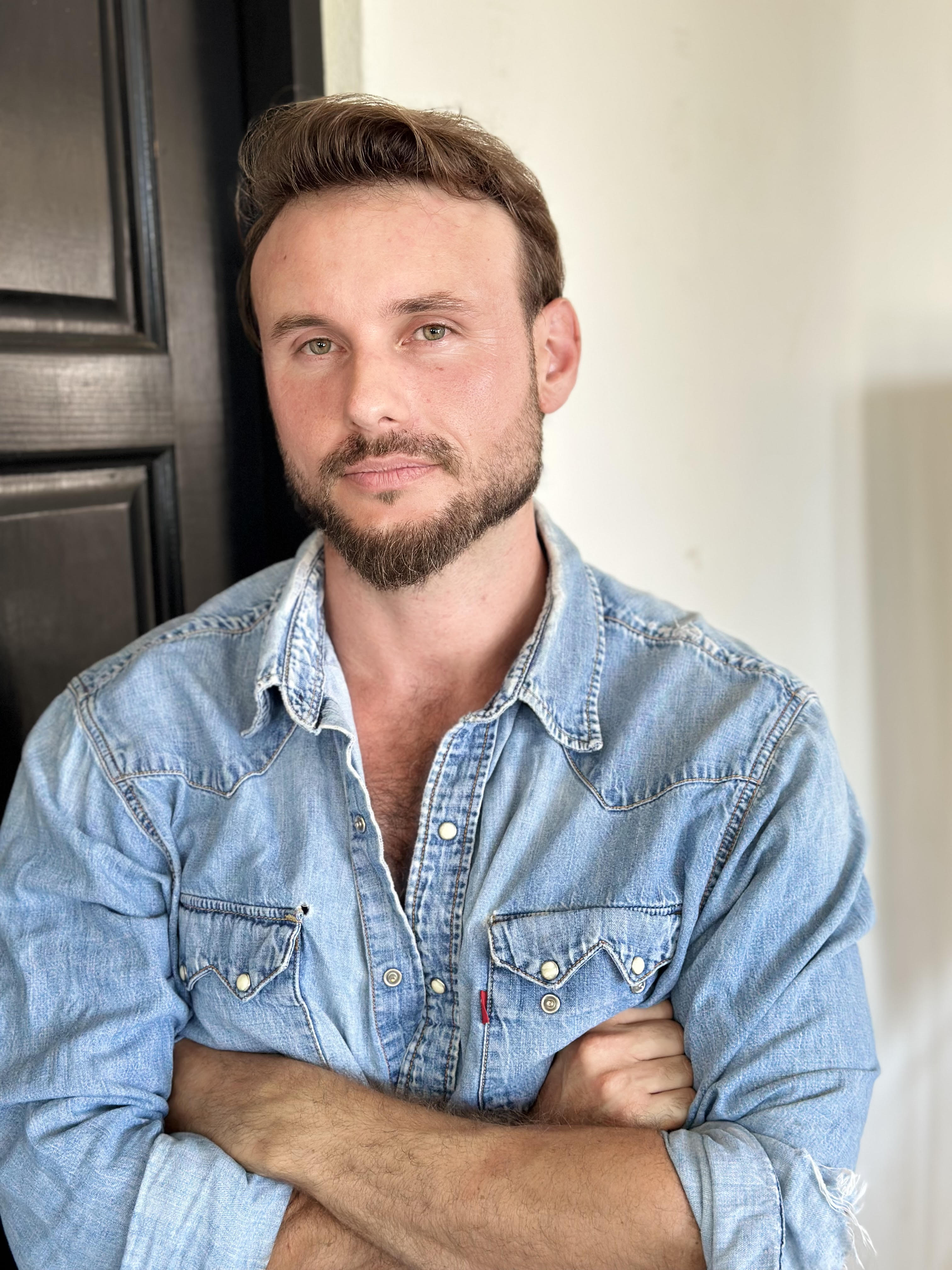
What does it take to build a robotics company, scale it nationwide, and then pivot to the bleeding edge of AI infrastructure before the rest of the world catches up? Morgan — serial tech entrepreneur, co-founder of automated smoothie retailer Smoothie, and co-founder of AI platform Opulence sits down with Zac Deane to share the hard-won lessons behind building companies on the frontier of technology.
Episode notes
- 00:00Introducing Morgan's entrepreneurial journey and breakthrough moments
- 00:51The spark of entrepreneurship rooted in science, medicine, and scientific curiosity
- 01:42The mindset of rapid testing, refining, and data-driven decision making
- 02:53Building reliable robotics and transitioning into AI infrastructure work
- 03:23Lessons from early tech ventures and launching Smoothie with robotics
- 04:48The importance of trusting your gut and avoiding impulsive decisions
- 05:31Embracing the future with AI and Morgan’s current platform Opulence
- 06:42How slowing down can improve innovation and prevent burnout
- 07:23The pitfalls of rushing for funding and market validation strategies
- 08:56Validating ideas through simple prototypes and market testing
- 09:31Morgan’s approach to AI development and avoiding saturation in markets
- 10:55Advice for entrepreneurs facing market challenges and mental hurdles
- 12:40Navigating AI trends, bubbles, and hidden opportunities
- 13:17Staying current in AI with passion, courses, and hands-on experimentation
- 14:38The power of AI for problem-solving, medical insights, and automation
- 15:28Building a trustworthy AI with safety, guardrails, and human oversight
- 16:09Competitors’ success and the importance of understanding market positioning
- 17:04Breaking down complex AI system architectures and multi-agent systems
- 18:55Practical examples of AI agents managing tasks like email, web alerts, and customer interactions
- 20:51The future of AI infrastructure and enterprise applications
- 22:00Governance, privacy, and ethical considerations for AI deployment
- 23:55Balancing innovation with safety protocols and risk mitigation
- 24:32Building AI boundaries: safety features, sandboxing, and ongoing evaluation
- 25:21AI and employment: opportunity vs. disruption
- 26:17The extension of human capability through AI, not replacement
- 27:09Disruption examples: typewriters, taxis, and future opportunities for AI
- 28:29Embracing change, adaptability, and asking better questions
- 29:38Morgan’s perspective on AI as an extension of human creativity and potential
- 30:08The shift from tedious tasks to innovative work enabled by AI
- 30:53The importance of incremental progress and systematized thinking
- 31:00The role of leadership, team, and tools in leveraging AI effectively
- 32:15Recommended audience for Morgan’s platform: entrepreneurs and SMBs
- 33:33The challenge to overcome limitations: dreaming big and taking action
- 34:56Cultivating a resilient mindset and focusing on continuous improvement
- 36:21The intersection of entrepreneurship and artistic creativity
- 37:18Distilling complex problems into actionable tasks through systematic thinking
- 38:03The value of big picture thinking and strategic delegation
- 39:17The balance between planning, execution, and leveraging systems for efficiency
- 40:21Final thoughts: embracing change and making a positive impact with AI
Chapter titles and timings from the published YouTube description.
From the conversation
Excerpts from YouTube automatic captions. They may contain transcription errors. Play a timestamp to hear the original conversation.
The spark of entrepreneurship rooted in science, medicine, and scientific curiosity
Morgan is a serial tech entrepreneur and product owner. He's the co-founder and former CTO of Smoothie, a commercial automated smoothie store that scaled robotics retail systems nationwide. He's a co-founder of Opulent, building productive ready AI infrastructure for real business workflows. and he has deep experience in global supply chain factory setup with a passion for turning ambitious technology into real business. And he has a uh an awesome skill set and passion for DJing and music production, which is where we met uh New Year's Eve here uh 2025 or 2026. So, let's jump into it. Morgan, what ...
The pitfalls of rushing for funding and market validation strategies
But if you're a first-time founder, I would certainly recommend taking the time to really fully digest what you're doing until you have everything well thought out and flushed and validated because once you get a VC, they're really then you're just putting gasoline on the fire. You're rinse, wash, repeating, and you can't really change as much. So, I mean, there have been other companies that have been in similar industries to what we've had, and we've heard there's horror stories where they thought they had something that looked really good, and they um got to a market that ...
Building a trustworthy AI with safety, guardrails, and human oversight
this in this new business and I can't emphasize how important that is. >> Amazing. Amazing. just from meeting you and yeah, we had that meeting you and Asher and we were brainstorming stuff for the life blueprint and like all these different you just blew you blew our mind in like this 15 20 minute little little huddle brainstorm. Do you have any recommendations or like how are you using AI in your everyday uh to support you with the workload or factchecking? Yeah, there's uh there's obviously some level of uh system that you have. Do you have ...
AI and employment: opportunity vs. disruption
have those issues, why would people trust us? >> Yeah. Yeah. So, how are you kind of setting your boundaries and guard rails for or because I'm guessing if if this is going to redefine the the agent AI space and it's these super agents, it sounds like the Matrix, you know, these super agents. >> Um, like how do you Yeah. look at the the boundaries within what you're doing on an everyday um everyday basis. I mean there's a lot of safety features we build into it and you know we use sandboxes, virtual computers, we have guard ...
The role of leadership, team, and tools in leveraging AI effectively
our energy, right? People feel that. And secondly, it's our face. How healthy do we look? So for the entrepreneurs out there who care about how they show up, I'd love to share with you. Personally, I've been utilizing some Korean skincare products now just for over a month, and I had no idea about them um up until, you know, even just two months ago. But it's by far one of the best investments I've made for my skin. I feel it's literally making me look younger and it has this like glossy super fresh look. And so this ...
Read the episode transcript
YouTube automatic captions. Names, punctuation and wording may contain transcription errors.
Welcome back everybody to the breakthrough moment podcast where we interview successful entrepreneurs and investors and ask them what is their biggest breakthrough moment and as they share their breakthroughs with us at home have breakthroughs as well. I'm Zach Dean special guest Morgan. How are you Morgan? Are you there? I'm great. Yes, I'm here. >> All right. You're on the other side of America at the moment. We met in PE poto Escandido just a couple of weeks ago and I was uh blown away by not just what you've done entrepreneurally but just the level of impact and heart that you have that you bring into business. And I was like, "Oh my gosh, yes, I'd love to interview you, man." So, here we are. Um, and let me do a quick little intro for you and we'll dive into it. So, for those of you who don't know Morgan, Morgan is a serial tech entrepreneur and product owner. He's the co-founder and former CTO of Smoothie, a commercial automated smoothie store that scaled robotics retail systems nationwide. He's a co-founder of Opulent, building productive ready AI infrastructure for real business workflows. and he has deep experience in global supply chain factory setup with a passion for turning ambitious technology into real business. And he has a uh an awesome skill set and passion for DJing and music production, which is where we met uh New Year's Eve here uh 2025 or 2026. So, let's jump into it. Morgan, what has been the biggest breakthrough moment in your career thus far? You know, I think it's been a lot of sequential growth. Um, really what I've learned is how to continuously adapt and improve and not hold myself back to be able to take the data and use that to make informed decisions and not just sit and make assumptions. So, I would say where I've gotten really good is coming up with an idea, testing it out quickly and rapidly, and then being able to refine it and decide which way to go based on that information. And this can apply to many parts of business, whether it is a business model, are people buying it, are they interested in it? Um, do you get customer feedback um that's positive or are you getting some negative feedback, which actually can be sometimes the best. I think negative negative feedback if used properly is actually way more potent than positive feedback if you learn quickly and rapidly. And then also from a technology standpoint, does technology work? Is it reliable? Um, you know, we were building smoothie machines that had to clean itself off. Was it staying clean or was it getting dirty? Was it going to get to people sick? How did we do that consistently and across many different instances all over the world? >> You know, your track record's pretty pretty awesome. you you know you've built this amazing company uh that you mentioned this this robotics uh company and now you're jumping into to a new AI um infrastructure.
There's so much I want to ask you but I I really want to know like where did this entrepreneurial spark come for from for you? Like where did that originate? Are your parents entrepreneurial? Was this at high school? Like did you read a book one day? Like what was the thing that that made you so curious about entrepreneurship? You know, I think I really got the bug early on. I always like to build things and so I think that was the predecessor to where where I got today. I grew up in Boston, Massachusetts, had two parents who were doctors in the medical um in the hospitals in that area. Um, and so I mean I used to spend a lot of time with my dad and see how he treated patients and saved lives and he was always developing cutting edge uh research and was more actually excited about that than the actual like regular um medicine that he was practicing and seeing how he could improve people's lives and make them better than what the status quo was. And so I kind of got that bug early on. I remember we used to do um science experiments when I was a kid and we got a um this government issued telescope um that used liquid nitrogen to cool it and it was looking at the photo spectrum of um um comets and we were able to actually track some of the big comets that came by uh earth when I was uh in first and second grade. So that was really cool. And then yeah, when I got into high school, I went to boarding school in Massachusetts and I knew that I wanted to start building businesses. So I had some classmates who were building their own computers and started their businesses in that. So I started a computer company where I made custom computers in high school and because of that I became an engineer, studied electrical engineering and eventually I uh uh used that to go in build new medical devices work in the industry and eventually transitioned to my um first company Smoothie where I came up with this idea on my own built this smoothie machine and then was able to get a team around me to help bring this to market. So, it's been a fun journey that first one and you know I'm always hungry to keep doing cutting edge technology and see where um the industry is going and so the next big wave is AI and I've had the fortunate opportunity to meet some great talented team and join that as a co-founder with uh this platform called Opulence um well actually it's Opulente as the company and then our platform is Opulence. So, we actually just got our beta launch today and I've been having a fun time playing with that and excited to bring that out to the market very shortly. Well, that sounds fun. Beta is always an exciting journey. Um, I want to take you back like imagine you could start your whole journey again, right? What would you do different? >> I think one of the biggest things I would have done differently is be more in touch with my gut. Um, a lot of times as a engineer or scientist, you kind of think analytically and people tell you what to do and you listen to them. But I think you have to spend I I should have spent more time trusting what my gut was telling me and doing what felt right and not just listening to other people. And I think that would have avoided a lot of
challenges that we could have avoided and I would have enjoyed it a lot more. So that would probably be the biggest takeaway that I've gone from that. There is a sort of as scientific as as it is as you know sort of leftrained um engineering can be there is this rightrain sort of intuition that just you have to you have to believe in it and if something feels off with people, with processes, with business ideas. You got you got to trust your gut, >> right? How are you or what are you doing now or these days to tap into that? Have you found your flow with it? Is it through your music? Like >> I think it's about slowing down a little bit. You go faster. Um I've had co-founders who really just want to rush and go all in and they think that's the way to go forward. And it's it's it's really that's created problems in the past um where we end up just not having time to really think and we just kind of get locked in. And this is a problem a lot of founders go and get into. It's especially when you get VC funding, which I would say you want to hold off on it till you really get something truly locked in and um well thought, but if you just kind of rush in and impulsively jump, yeah, you might get ahead shorter or in the earlier stages, but it can really burn you in the end. And that's how a lot of companies have struggled and it's certainly what's happened with me and some of my past businesses as well. >> You mentioned that holding off for the funding is recommended. Yeah, >> it's it really depends on, I guess, what company you're doing and um who you are. But if you're a first-time founder, I would certainly recommend taking the time to really fully digest what you're doing until you have everything well thought out and flushed and validated because once you get a VC, they're really then you're just putting gasoline on the fire. You're rinse, wash, repeating, and you can't really change as much. So, I mean, there have been other companies that have been in similar industries to what we've had, and we've heard there's horror stories where they thought they had something that looked really good, and they um got to a market that was blowing up for them, but they they didn't realize that it was a very small market. They'd already captured most of it. And so, they got all this VC funding and they try to double down on it, and then they realized they hit this wall and they really had to restructure the build um business and this ended up causing them to fail. And this has happened in many instances. So, taking your time really not doing impulsive um I find has been one of my philosophies and I certainly have got butt heads with people in this before but then there's a middle ground you don't want to lose your opportunity especially with what we're doing now in the AI space we got to move fast but we spent a lot of time really researching what we're doing and this time we've really figured out what we're where the market is we're actually ahead of the curve here in everyone talks about AI but we're actually very fortunate to be ahead ahead of what everyone is now saying in the AI field needs to happen and we've already developed it. So, it's pretty exciting. >> This is very exciting. We we'll jump into that in a second. You mentioned briefly, you know, uh validating an idea, you know, testing the waters, so to speak. It's a bit of a theme on the podcast from some of the founders is they've got some strategies on, you know, running some some ads to wait to a
waiting list to see who's going to buy it or, you know, mark doing some market research with people outside of their target market. um just or yeah throwing it into the market and getting a bunch of negative reviews to learn like what is the best way to validate an idea once you've got it. >> I I don't think there is a best way cuz it really depends on the idea. If it's technology and validating the technology, find the simplest way to implement it. Um you know, if you're building a new machine, can you make it with things you have on hand in your shop? Could you even make like a paper model of it? um and and have an like image if it's if it's like if if there's a user interface and going through the user flow. So what's the simplest way to make something like that? And if it's a market experience, maybe there's a proxy or something close to what you want to do. And if you can make a simple implementation, get that out in front of people and get their feedback. And I would also say um and you probably people will tell you this over and over again, it is good to get your friends feedback and they might give you some good initial feedback, but don't use that as validation. Never use use your never use your friends for validation. That's a good like you maybe first filter kind of refine the idea, but if you really want to get uh good information, get it from someone who's not attached to you. >> Yeah. Yeah. It's it's so interesting like some founders that I've connecting with overall there is like a quick pause before we continue. Hey everybody, please if you're enjoying this podcast, if it's allowing you to think differently and have your own breakthrough moment too, please subscribe. Please like this video, share it with somebody else, and even comment below. I'd love to know what has been your biggest breakthrough moment listening to today. I read all the comments, and your responses help me shape the future of this podcast so other people can have breakthroughs, too. All right, let's get back to it. It's typically the the founder that's starting their second business or third business that are that are jumping on the podcast. I feel like there's a level of um refinement or you know entrepreneurship will definitely test someone's ego and definitely test someone's character, right? Like it's not a bright shiny rainbow path to the pot of gold. you know, I'm sure there's so many ups and downs, but what advice do you have for other entrepreneurs or founders out there who um are really finding it challenging to kind of have that have their own breakthrough um mentally, emotionally, or just kind of trying to crack it in the market? Do you have any tips for them? >> Um, you know, I would say don't go for the shiny object syndrome is one thing I would say. Sometimes the most successful businesses are actually ones that don't seem sexy. they're not the ones you really think of. It's the things that people actually ignore because if you look at it, um, everyone kind of flocks to a certain trend. And I'm also going to say this like with artificial intelligence, everyone's talking about AI. When we were doing the smoothie company two years ago, everyone's like, "Oh, how using AI in your machine? Is it an AI smoothie machine?" Just because it's a robotic machine doesn't mean it's
an AI system. And so people just kind of jump to this thing. You have to understand even within those industries where are the niches, where are the opportunities? They talk about this bubble in AI and it's because a lot of investors are putting money in parts of that industry that are already super saturated where there is a minimal return and it's super expensive but there is a lot of opportunity. So it's going to be there is going to be a market correction there. I absolutely believe in that. Um just like we had with the.com um era and uh same with anything else. If you're doing what everyone else is doing, like everyone was getting into crypto and there are a few people who got ahead, but most people got burned just because you're you don't know what you're doing, you just kind of jump in on it. So, really take time to understand something that you're truly passionate about and you really believe in. It was cool. We were chatting about this um just here at the house downstairs. I remember you came in, you're like, "Oh, you know, things things are really moving forward with this new business and you've been like really diving into AI and just you're you're on the cutting edge." And I was like, "Oh my gosh, you're on the cutting edge." I really saw that. I was like, "You're in all these different projects and news and all this stuff. So, how do you stay up to date with what's going on in the market? How do you stay competitive?" You know, like there's so many people just with AI now. It was we're outdated from six months ago, right? Or a year ago completely. So, how do you stay on the cutting edge of the AI? >> Yeah, I mean, it's changing every month. M were on top of it. Um I think there's a few things. One is I'm absolutely passionate about it and I've been embodying it in my life. I I was using chat GPT like everyone else maybe a year ago but then I was I realized that there was way more to it and about six seven months ago I really started to use the other tools and get into those and then I used it to learn. I started doing courses and I actually was able to learn way faster through AI and able to do a pro a course and then actually go back to the AI and sort of ask specific questions and get them in real time like I would from a professor or human and get really great information on it. I would fact check it. Sometimes it wouldn't be perfect. So I would fact check but I would be able to then understand when does this work, when doesn't work and really embody what the whole workflow is. So, it's not just studying it, but actually doing it and living it and using it for many different types of workflows. I mean, I built pitch decks in a half morning, which, you know, would take us a week or so with um, you know, two or three team members to make, and I was able to do that super fast. I was able to write a whole report for my father the other day who's doing medical billing codes and dealing with changing government regulations for very technical uh, medical insurance reimbursements and help him make a major business decision on that. Um, I mean, I've helped you with coming up with a proof of concept over a lunchtime with like, you know, an automated phone call system. And so, it's it's uh it's really exciting what we could do here. And so, I think that's the first part. I think the other thing that's really important, I've learned this especially from my experience, is
having a really good team. You need a really good co-founder who you can count on, who knows what they're doing, doesn't BS you, and it's not just about credentials, where they went to school. It's about what they're actually doing. Are they an honest, honorable person? And do they have the skill set? Are they willing to do what it takes? And are they really going to stand behind what they believe in? And are they and again leaving the ego at the door doing what's best for the company and anyone everyone involved with it. I think that's absolutely critical and I'm very fortunate to have a team like that in this in this new business and I can't emphasize how important that is. >> Amazing. Amazing. just from meeting you and yeah, we had that meeting you and Asher and we were brainstorming stuff for the life blueprint and like all these different you just blew you blew our mind in like this 15 20 minute little little huddle brainstorm. Do you have any recommendations or like how are you using AI in your everyday uh to support you with the workload or factchecking? Yeah, there's uh there's obviously some level of uh system that you have. Do you have any insight that you could share or is it all on the new platform? >> Uh we I mean I've actually like the thing is I've learned all about all of our competitors as well and they're they're great ones out there. They've been very successful. The fastest and um the fastest acquisitions to billion dollar companies have been our competitors actually which is really exciting to be in this time. And u I wouldn't even call them competitors. They're just they're an alternate approach what we're doing. I think the market is so big. Um so I I think there's just a lot of different ways and that's how I did it with my last business. It's it's such a big pie and there's just so many ways to do it and I really appreciate the value of what they've done. They built incredible tools and and um platforms and so I've been using their stuff as well as and then you know we're ours just launched today. Okay. So, I've been using it a bit when in the testing as we're developing it, but now knowing what our other people are doing, I can understand and appreciate what we've built. So, it's so what do you have? What can you spill the beans on? Can you share the ins and outs or high picture high notes of of what you're working on now? Yeah. So, we have the world's most advanced super agent, which basically means that we can deploy agents, build, deploy, and manage agents in real time with an advanced operating system. Um, and what that means is that we can do complex tasks reliably and consistently and avoid things like hallucinations, errors, things getting stuck and or infinite run times that just burn out compute. So really optimizing to have the best workflows for these unique tasks. Traditional AI systems like chat GPT is a good example of it. There are these more brittle functions that kind of go down a path and you're doing one specific task. It's really good at it. But if you start to change it, that's where you start to get into the issues.
Now all these uh AI infrastructures are getting better and better over time, but no one's really tackled this one. Um, and we're really looking at the orchestration layer. So that's really the infrastructure that holds everything together. How how does the workflow happen in um an artificial intelligent um assistant or um platform uh and we're moving into a multi- aentic system so that we're having all these different agents working together in the optimized way. You don't want them to take forever and you want but you also don't want them to just go off and be crazy and be a swarm that's doing all these tasks without any sort of oversight. So how do you do that in a wellthought well-maintained manner? >> Can you break it down a little bit maybe step a couple steps back? I know you're like you're in it man like you're you understand it from such a high level but for the everyday person what is an agent? What's a super agent? What's difference? If you have a business on Facebook or Instagram, you need to learn about this new amazing AI automation tool. The question is, is your personal profile or business profile manually messaging your target audience every single day? If not, I highly recommend you do this. There's a massive ROI on that. But if you are, there's a more cost effective strategy. So, this is a unique AI software. It runs for you your friend requests, the messages, the likes, even the comments. 24/7 in the cloud. So, while you're watching podcasts like this or taking calls or while you're sleeping, it's running there in the background. Some of these people are pulling in another 5 to 20 extra qualified leads every single week on autopilot. You can experience the podcast special trial and try it for yourself today. Check it out in the show notes below. So, okay. Um, let's say that your AI assistant is like a human working for you and your human or your human does different types of tasks. It might be let's say it's your um executive assistant. So it might write emails and and read emails. It might organize files. So each one of these specific tasks that they're doing is what an agent sort of does. It's like a bound constrained set of tasks that this um intelligent system can do. And then a super agent is there's different definitions of it actually depending on what platform you use. But for us, we really have a very comprehensive idea of that which is it can create agents, but it also can manage, deploy, and maintain them. So it's really an ecosystem. It's almost like an environment or a factory of agents. And so it builds them, it stores them, it can deploy them in different ways. You can have all these different types of rules that can say, "Hey, like, you know, I want to this agent to do do send my emails out at 7
a.m. to to my clients." Or I want to constantly be checking the web for what my competitors are doing and send me alerts if someone does something. Um, I want my CRM to send out a sales call with an a AI agent to people or fleet of agents to people to try to do onboarding calls and customer discovery. I want to build a website that has, you know, an integrated chat assistant into it and, you know, launch that for my client. These are all just examples of what we can do. Um there are other platforms that can do it, but we're really want to build be that one platform that does it all. And we want to do it for not just for the hobbyist or solarpreneur which we're going after but really do it for major businesses which is a >> situation where a lot of companies are wary of adapting AI and there's a lot of risks um both in terms of user adoption safety protocols cyber security or you know data uh breaches and then finally just integrating it into their expensive and um elaborate ate infrastructure and uh servers. So, we're trying to make that all simple and the way of the future. >> Super cool. Two things there. We had a podcast I had a podcast with AJ. He was talking about an NV GF, a minimal viable governance framework for like like a like a way of building more trust, transparency, consistency with customers and things like this. How do we integrate or how do we start this discussion and how do we educate everyone on the privacy and the information and the accuracy the credibility of what it's doing like is that a concern and how do we I guess maintain that long just quickly before we continue if you're an entrepreneur out there or a high performer who wants more clarity and direction in life or maybe you're going through some kind of turbulent transitional phase I want to share with you something that I co-built it's called the life blueprint system. It's an AI powered goal setting process that helps you create a personalized life blueprint, kind of like an architectural plan or a business plan, but for your life. And so, it allows you to take and capture those big ideas, those those amazing thoughts you have and to turn it into a proven plan of action. And so, if you want to stop guessing and start building your future intentionally and consciously, go to the lifb.io to learn more. Let's go back to the episode. >> Turn. Yeah. I mean I think it is um important. I think one is on education and and the other is on execution. education really telling people how to run and use their AI tools in a safe manner, how to make sure it's set up so it can't create issues because it absolutely could, you know, if you if you don't give it certain boundaries, if you don't give it certain um you know um
guide rails or guard rails and if you um off maybe don't put the right firewalls in um it can do crazy things and I I mean if you look in the news there's plenty of instances of that happening where um you know there's breaches, people's well-being have been compromised to sometimes the worst degree possible if you actually look at it. Um you can make AI even if it's programmed not to do bad things just to um put insertions and cause it to do things that it's not supposed to do if you're um you know either I mean sometimes it can be by accident but sometimes it can be malicious. So, how do we do build something that's really safe and has those safety protocols and um infrastructure that just can't be broken and and that's something that you know really needs to be well thought out and the biggest AI companies are are struggling with that and falling on their face and you just read the news and then um the other thing is just you know training people how to do it and and really educating them and so starting small and then building up to it. I I I know we'll get there. Our platform is that's one of the things we focused on with our platform is to build something that avoids those types of problems. But if we are we have other companies that are well known already have those issues, why would people trust us? >> Yeah. Yeah. So, how are you kind of setting your boundaries and guard rails for or because I'm guessing if if this is going to redefine the the agent AI space and it's these super agents, it sounds like the Matrix, you know, these super agents. >> Um, like how do you Yeah. look at the the boundaries within what you're doing on an everyday um everyday basis. I mean there's a lot of safety features we build into it and you know we use sandboxes, virtual computers, we have guard rails um we also have eval and checks that are constantly making sure that things are performing as expected and then take corrective action if necessary. Um there's also I mean for certain more advanced tasks and even with with our platform you know you should have a human in the loop there. So if there's anything that's mission critical, let's say medical, manufacturing, um you should have someone constantly checking it, making sure it's okay. Don't just say, "Oh yeah, go go go run run all day and everything's going to be okay." I mean, the same thing in a normal work environment like, you know, if you're in a hospital, you normally have multiple people checking the work so that um especially in a surgery, you have a whole team there so that mistakes aren't made. >> Interesting. So interesting. Gosh. Do you think robots are eventually going to like take over all of our jobs and there's going to be crazy levels of technological unemployment and it's going to cause an issue or are you more optimistic that there will be more more
opportunity and there will always be jobs for people no matter how technological the the future looks? >> It's it's an interesting question. Um, you know, I could look at this in a few different ways. What I could say is that the jobs we have today are probably not going to be around in 50 years, a lot of them. But they'll that'll pave way for new jobs. AI is really an extension of us. It's a tool. It's not going to replace us. Um, you know, I still think the best way when I interact with any sort of AI platform is I actually write on my computer on a tablet or like on a notepad, not connected to AI what I want to do and think it through as a as a plan and then I plug it in and then I start going with it. But I don't have the eye tell me what to do. I might have my morning morning briefings and I've set up like my personal assistant bot that will tell me like, you know, the certain news that I want to know and whatnot. But if I'm actually thinking through workflows, I I do that independently first and then I go into it. Uh, and I also know what tools to use and whatnot. It sort of takes time for that. So that's sort of AI is an extension of you and that's how I like to look at it. It allows you to do more. allows you to focus on the real innovative breakthrough ideas rather than getting stuck in the mundane repeating tasks. That's what an agent does. It does those repeating tasks and connects to the tools that will help execute them. So that's one, you know, in terms of where is technology going. 100 years ago, people were using typewriters to write and like you know notes and they do it one at a time that they made a mistake they had to put the white out in. And you know what happened to all the type people writing on typewriter writers? what happened to that career? Uh, you know, what happened to the taxi drivers when in the major cities when Uber came through? It's a disruption and I guess I would say this is probably one of the biggest, if not the biggest disruption disrupting industry out there, more so than you know any of the web breakthroughs. But at the same time, I think this tremend creates tremendous opportunity. It's just how do you take it? Do you want to be part of the change or do you want to resist it? And that's what everyone sort of talks about now is if you're hiding from it, if you're avoiding it, then you'll maybe get left behind. You probably will. I mean, there's some industries that people are um are maybe going to be a little less dependent on it. I mean, I'm not sure if immediately the forestry industry is going to be affected by AI, but maybe not. I mean, there are automated tractors out there. Um, you know, why not have AI do that? So I think it's just a matter of where are our priorities and where is AI going to be implemented. I would say starting on the big opportunities first and then it'll start to branch out. But I think everything will eventually change pretty much um through AI just about. >> It's one of those things. Yeah. As you're saying like in every new technology to come to market, it's going to disrupt and there's going to be people that love it, there's going to be people that hate it and that's just life. And I think it's those that are willing to adapt and be flexible and ask
the be the better questions of how can I adapt with this? You know, what benefit could this be? People, you know, it's like starting a new health kick or a new job or this like ah what if it doesn't work or if I put myself out there like I'm not good enough. But it's like what if this does really work and what if it is incredibly beneficial for your life and what if this allows you to reach your dreams and goals faster than anything before? Like we just got to ask better questions. And I think this is why I'm really curious about this discussion because um it's definitely the future. It's not going anywhere and we need to be flexible and adapt with it. But I I like I like these conversations because it's like it also gives me more hope and more optimism that AI is heading in the right direction when I meet the founders and the people behind it and their hearts in the right place and I think AI is just going to be as you said an extension of us. Right. Pause before we continue. The first way we as entrepreneurs introduce ourselves when we walk into a room, it's our energy, right? People feel that. And secondly, it's our face. How healthy do we look? So for the entrepreneurs out there who care about how they show up, I'd love to share with you. Personally, I've been utilizing some Korean skincare products now just for over a month, and I had no idea about them um up until, you know, even just two months ago. But it's by far one of the best investments I've made for my skin. I feel it's literally making me look younger and it has this like glossy super fresh look. And so this is the number one exported Korean beauty brand and skincare line in the world. The ingredients are second to none. Even pregnant pregnant women can utilize them because out there there's so many products that have toxins in them that really make our face not healthy over a long period of time. And so if you're out there and you want to match the energy that you output with how healthy you look, you can try all these products risk-f free for 30 days. If you don't like them, send them back and get all your money back. If you're out there, if you're curious, check out the link below to learn. Let's get back to the episode. >> Absolutely. And you know, we are, you know, I had a really um interesting uh conversation, my co-founder on this. Uh you know, he worked in consulting and one of the big consulting firms. I have a lot of friends who work from there. Um in fact most likely co-founders have been in came from consulting um back in the day and it it's kind of a miserable field after a few years. It might be cool and glamorous for the first year but then it's just you're working for a client you're you're just grinding out many hours and you're not really contributing meaningful value for the most part and you get burnt out and it can have very negative like health impacts. And why does a human have to do these repeating tedious tasks? Why don't they think on the real innovation part? there is this innovation breakthrough part of these consulting firms and why don't we spend more time on that rather than just grinding out these hours till 3:00 in the morning to just get the work done and yeah I can do that I mean I've been able to produce 40page comprehensive industry reports in half a morning and do get to market strategies for companies I mean it's you know this
would take a week easily for a postNBA student to do so it's it's it's pretty incredible that we're able to do this now and it's probably more than we can They're actually for like a 40 page on there probably like two weeks to a month. It's it's amazing what you can do if you use the right tools and know how to apply them. And so what I could say also is >> you don't have to go all in. I mean I would I wouldn't recommend going all in. I think it is good to be concerned and cautious I think with anything. Um and there there are absolutely negative implications of AI. I'm not saying it's all uh you know peaches and roses. It's uh you know go in with an open mind but give it a shot. Try it a little bit and do the things that you like where you see value and just try it a little bit more and more and just be consistent at it. Um that's what I could recommend and if you really fall in love with it then you know spend more time on it but find the things that work where you appreciate it and where it creates value. >> Who is your software best suited for? like you know typically the people watching the podcast these are like professionals wanting to be getting into entrepreneurship or they're founders or entrepreneurs that have been doing this a while um who who from who's listening who should really sign up to your platform and give it a go anyone trying to build something um so I would say to start um entrepreneurs um whether it's a small company or solarreneurs I would also say smallmedium businesses uh we've we're working with a number of those and um that's kind of the good starting point. Eventually we want to get into enterprise but I know that's a longer sales cycle. There's more red tape but um yeah for now anyone who's in a small like anywhere from a SMB and smaller and and anyone who just wants to like you know be able to build things better. >> Super exciting. I can't wait. Everyone listening at home I'll put the link somewhere around this video and uh you guys can be one of the first to check out this platform. I look forward to getting a bit of you checking out the the beta version two if that's possible and you know we can do some more videos on it. >> Yeah, >> we have a limited setup. >> Yeah, we have a limited sign up for for people who want to be beta testers and then we'll be doing rollouts um for um you know early customers in a month. So within a month actually. >> Wow. Oh wow. Super cool. So yeah, you heard it guys. I'll put the link around here. I'll get this podcast up ASAP for everyone. Uh Morgan, my last question is this. My favorite question is everyone listening at home, right? What is the biggest challenge or the most meaningful challenge you can give them today that's going to help them have a breakthrough? Is it a challenge for them to do today, this week, this quarter, this year to help them break through to the other side? What would your challenge be? >> I would say overcome your limitations. Um and that's something that I've learned how to do and start small, but think big. have a big dream. And that's what I love about AI is you can now
build these big things that were impossible before. Um, and now and and it's not just AI, but just like if you like don't let anything hold you back. Just try to get after it. Come up with a plan even if it's not perfect and then execute on it. How am I going to do this? And don't look at the obstacles. Like the obstacles are good to be aware of, but don't let them stop you. Figure out how to get around those obstacles. Look at the goal. It >> is true. It's like these big dreams and goals that we have, they're more possible now than ever before. You know, AI team connecting, networking, traveling the last couple year, like year and a half and seeing, you know, every time I take off in a plane, I'm always looking out the window cuz I'm like, ah, it's so cool to see the world from this like elevated position that you just I just don't see every day. And as I'm looking down, I'm like, damn, there's so many people out here. And they're like, they all know about AI, right? Most of them aren't utilizing it correctly, but there's people out there who are really squeezing the lemon on, as you said, like we can learn things faster. We can automate things. We can bring our dreams to life faster now more than ever with this tech. And I'm just like, wow, where is this going in the next 12 months, 5 years, 10 years? Like, it's super exciting. >> Yeah, I I agree with you. And it doesn't have to be AI either. It's just um you know, I think it's the mindset. It's really the mindset that's most important and it's about being persistent and consistent and uh just keep going. Just keep going. One make make small progress every day. And I remember reading a book if you make 1% improvement every day and you do it for a whole year, you're going to be miles ahead of where you were before. So just even if you start small, just keep keep doing it. I just remembered one more thing I'd like to sh ask is, you know, DJing, this creativity of music and art. Um, I've noticed that some founders and entrepreneurs, they have this kind of like side hidden skill in whether it's singing or DJing or like writing music or dance or like there's this creativity essence to it. Do you think do you think that creative spark um like you bring that creative spark to business like do you see yourself as an entrepreneur? Do you see yourself as an artist, a creative? Do you see yourself as a businessman? Like what is that identity that you have? Because it's it's not just in entrepreneurship now it's also in music and I don't know how do you conceptualize that? >> Yeah. Um, I I would say I'm I'm both an entrepreneur and I'm a builder um or creator. So, I really am vision first, execution second. Uh, and again, it kind of goes back to what I said is really figure things out first. Have a have a clear understanding what you want to do and then you can then then the execution becomes easy. I would say one thing that I've gotten really good at over my time and it was sort of I said I talked about testing things quickly, but if you want to elaborate it even further is you have
these complex problems and things aren't working and it might be a multiple factors that are um causing it and then being able to sort of step back. You're not going to get it all at once. You might, you know, need a few days to kind of distill it and just absorb it as much as you can. Don't force it, but eventually you start to see that ball of yarn. And you kind of see how that rope untwists. And then you can see the simple individual tasks. And I might give two or three tasks, one to myself, one to a teammate, one to a consultant. And those three tasks solve this whole massive problem. It's these really simple things that had to come together. But it was by distilling it all down into these simple like to its core essence to do that. >> Great strategy there for sure. And that's they they say like typically isn't like um Warren Buffett, you know, or or these big super successful visionaries. They they they're not in the nitty-gritty of the business because they have teams that that support that, but they're more in this time where they're like being in creativity or expansive thinking or problem solving and like sitting on ideas or meditating on ideas and just like marinating in the problem solving of the bigger issues. And it sounds like that's something that you've you've learned or you integrate with what you're doing. Yeah. >> Yeah. It's about seeing the big picture and understanding how everything is interrelated and knowing enough detail to be able to assign it the right people or if you have to do it yourself, definitely do it. And you should do everything at least once, but then once it becomes repeatable, once it becomes tedious, or if it's just something that takes so much time to learn, get those pe get the right people or tools these days to do that for you. Yeah, it's such a cool little little method there. These big because most people are so busy, right? We're so busy even to like pick up the phone and call someone that we love and have a catch up or reconnect with people whether it's just, you know, it's just life. But if we have these big issues, what you said is like step back, have time, learn, see it from different perspectives, brainstorm it with the team, and then you start to see the problem in a different way, and then you can actually tackle it. I think that's a really good message that you said even at the beginning you know minimize the noise and um yeah come at it from more of this the methodical you know systematic approach rather than rushing in and validating it's like really marinate in that in the problem solving. >> Yeah and I agree and I would say I'm less busy than I was before. I'm I'm definitely very busy, but my output is multiple times better than when I was, you know, doing my last company four or five years ago because I've learned where the value lies. I know actually takes it's better to plan things out again, see the big picture before executing and going in head first and having the right and also then you've also built the right tools, frameworks which it does takes time to do and and then you just know exactly almost like clockwork um where to go rather than trying to struggle with that. So there's this whole thing where um you know talk about being busy and time. The
lowest tier of being busy is trading your time for money and then then you start trading your money for time and and and resources and then you get other people to work for you. So it's really about elevating yourself to have systems in place where you can so you can think at the higher level and focusing on the bigger picture and creating that real big value >> of wisdom. you've been through the trenches and you're continuing this journey and sharing sharing the good vibes not just here on podcast or in the office but through your music as well. So, thank you for uh yeah, just your time today and and all the all the breakthroughs that you've had sharing the wisdom. Everyone at home, if this is going to help impact someone, if you know someone who do you know who would love to listen to this, please share this around, subscribe, like, and uh we look forward to seeing anyone out there who's having breakthroughs. What's the biggest aha moment? Please put it into the comments. We'd love to learn from you, too. Thank you so much for your time, Morgan. We'll see you next time. >> Thank you so much, Zach. Always a pleasure. Cheers.