About this episode
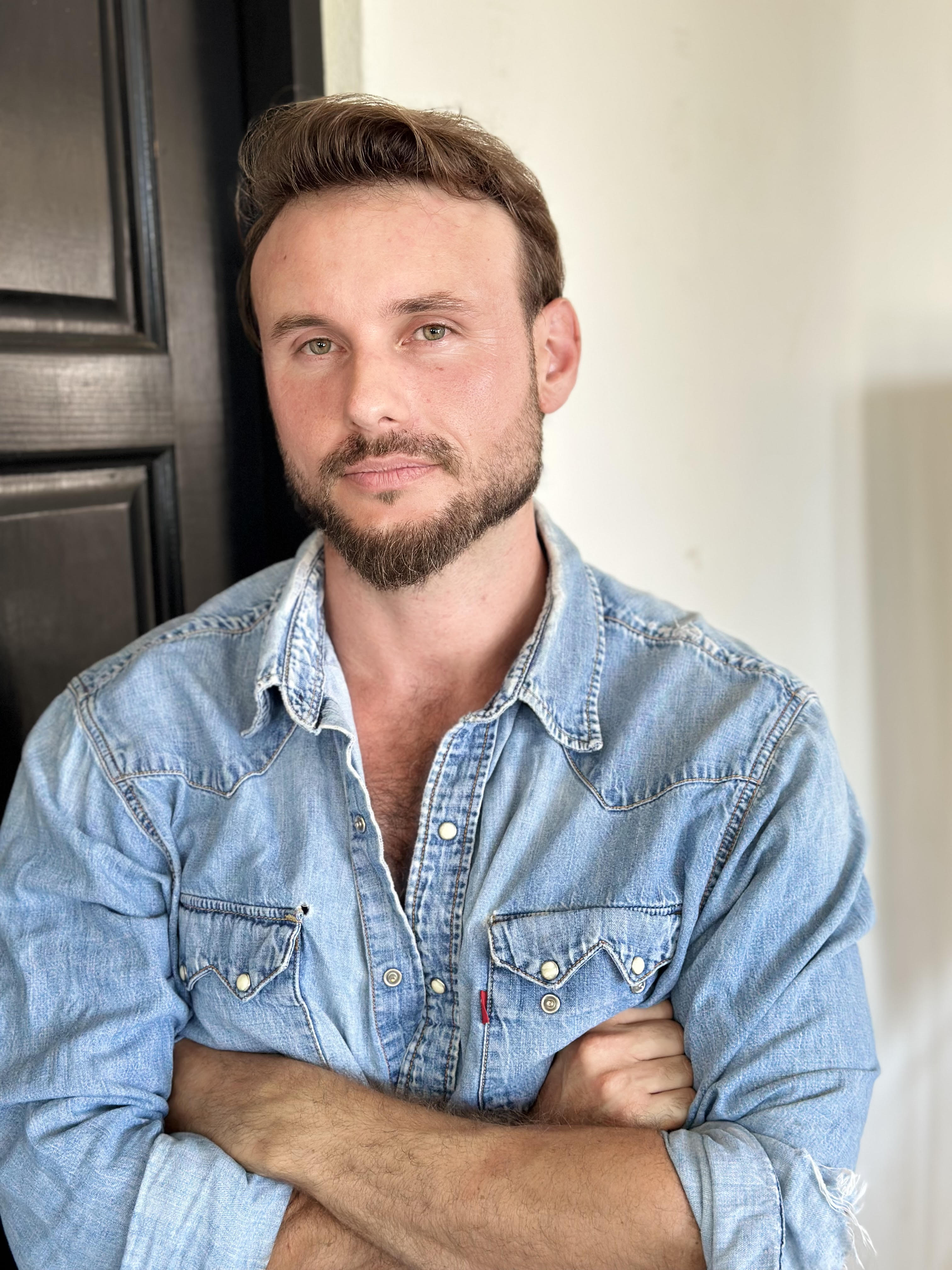
Randy Hill, a fitness expert and former Marine, who shares his journey from owning a gym to transitioning into online fitness coaching. Randy discusses the importance of finding a niche in the fitness industry, his unique training philosophy focused on progressive overload, and the role of discipline learned from military training.
Episode notes
- 00:00Introduction to Randy Hill
- 01:08Transitioning to Online Fitness Coaching
- 04:00Strategies for Digital Marketing in Fitness
- 08:09Randy's Unique Training Philosophy
- 11:52The Journey to Fitness and Strength
- 16:44The Role of Discipline and Military Training
- 19:27Leadership and Followership
- 20:51Balancing Life, Work, and Fitness
- 23:37Daily Routines and Productivity
- 27:30Leveraging Technology in Business
- 29:31The Impact of AI on Fitness
- 33:10Randy's Faith Journey
- 42:31The Benefits of Rucking and Fitness Tips
- 45:26Supplements and Health Recommendations
- 49:30Introducing Sonder: A New Supplement
- 53:41Understanding Steroids vs. Peptides
- 58:41Personal Philosophy on Performance Enhancement
- 1:02:35Final Thoughts on Identity and Success
Chapter titles and timings from the published YouTube description.
From the conversation
Excerpts from YouTube automatic captions. They may contain transcription errors. Play a timestamp to hear the original conversation.
Transitioning to Online Fitness Coaching
I would say I mean the the most obvious one was transitioning to doing everything online and the personal brand. Um, you know, I was at this in a position where I owned a gym in San Diego. And I realized that, hey, the only way to scale was to go digital. And so I was bogged down with, you know, dealing with um, you know, maintaining a facility, memberships, teaching classes, doing in-person training and stuff like that. Um, and it was a bottleneck. You know, time was the bottleneck. And so I got to the point where I ...
The Journey to Fitness and Strength
growing up, I wasn't super athletic. I'm a tall guy. I was really, really skinny. And, uh, yeah, I just I wanted to uh I wanted to fill out my frame and I wanted to have more of a physical presence because I saw my friends who um who were bigger and stronger um just people treated them differently, right? like when you are uh when you're somebody that has like sort of that command presence, which is a phrase that I use a lot, you know, when you walk into a room, people look at you as a leader, ...
Balancing Life, Work, and Fitness
been intentionally sort of forcing myself to experience more leisure and and kind of give myself a little bit more time off. Um cuz you have to balance that, right? Like if you want to not, you know, you want to not burn out and you want to go far, you have to make sure that you're also giving yourself time to recuperate. So it's it's for sure a balancing act and it's going to be different for everybody based on your schedule. But I think the majority of people if they really looked at how they were spending their ...
The Impact of AI on Fitness
know, reducing trust and stuff like that, but the reality is that you have to learn how to use this stuff if you want to make it for the next 10 years in business, right? So, like, whatever your personal opinion is on it doesn't matter. Like, I know guys who are in the fitness space that refuse to use AI. And I don't use AI for like programming and stuff like that. I use it for more highle strategy, but I know people that just refuse to use it because they think it's evil. And it's like, okay, well, ...
Supplements and Health Recommendations
think just it's it's also possible to have too much data. So if it's not actionable then it's, you know, it's not really something you can adjust based on. Like I adjust based on the result. >> Got it. Fair enough. You've got a supplement coming out now. Liam was saying a drink or an energy thing. What is it? Is it a what is it? >> Yeah. So it's called Sonder. Um it's a focus and productivity supplement. Um and it's uh so it's it covers a lot of the bases that a lot of like neutropic and energy ...
Read the episode transcript
YouTube automatic captions. Names, punctuation and wording may contain transcription errors.
Welcome back everybody to the Breakthrough Moment podcast. Today's special guest is Randy Hill. Randy, are you there? How are you? >> I'm here. What's up, man? How you doing? >> What's up? Yeah. Well, I'm excited for this. Uh my little brother, not so little anymore because he's been working with you. Uh introduced us on social media and I was blown away by your content and your message and I was like, "Oh my gosh, maybe I could interview this guy." So, we're here. I'm excited. Let me do a quick little intro and we'll dive into your biggest breakthrough. So, for those of you know Randy, you can find him on Instagram at Highrisisk Fitness HQ and bio is this. Get ready, guys. So, it's helping you get jacked, strong, and dangerous. He's helped over a thousand men um be turned into human weapons. Uh he's an ex-marine, firefighter, and he's a father as well. Plus, he's a man of faith. And so today we're going to be breaking down or talking about his biggest breakthroughs and his fitness philosophy as well as some spiritual breakthroughs and that spiritual journey as well which I'm really curious about. So let's dive into it. Randy, what has been your biggest breakthrough moment throughout your career? >> Uh business-wise. Yeah. >> Yeah. >> Yeah. Uh my biggest breakthrough moment I would say I mean the the most obvious one was transitioning to doing everything online and the personal brand. Um, you know, I was at this in a position where I owned a gym in San Diego. And I realized that, hey, the only way to scale was to go digital. And so I was bogged down with, you know, dealing with um, you know, maintaining a facility, memberships, teaching classes, doing in-person training and stuff like that. Um, and it was a bottleneck. You know, time was the bottleneck. And so I got to the point where I was like, man, I need to, uh, need to figure out how to grow this thing. And so, uh, I ended up, you know, kind of transitioning to doing online fitness coaching, um, within my niche. and uh got to the point where um it just didn't make sense for me to do anything in person anymore and I ended up uh selling the gym and moved everything online and I've been doing that since uh like 2019. >> What was that transition like for you? Was that an easy thing? Are you you know was are you a social techie person or was that a bit of a challenge? >> Yeah. No, I'm I'm really not um incredibly wellversed on content creation or anything like that. I mean like a lot of people I was just filming stuff on my iPhone um you know posting things in my stories. really no content strategy or anything. Um, and that just goes to show you like um, you know, it's kind of just all about posting stuff and getting better as time goes on. I think a lot of people um, they get wrapped up and like, oh, everything has to be perfect. I have to have my logo on my website and all this fancy equipment. I mean, they get kind of they get kind of mired in that um, you know, planning and not executing phase. Uh, but no, I just started uh, started posting more online. Um, I kind of like found my niche online and just started marketing specifically towards them, training some people that were like, you know, big-time influencers in that um, in that realm for free and they got my name out there and then clients started rolling in and uh, yeah, just kind of grew from there. >> Do you remember your first post or like that moment of like, oh gosh, I got to start posting online cuz if it's not your natural skill set, was that hard to kind of make that transition?
>> Definitely. Yeah. And I mean, I even still struggle with it. like I'm the kind of guy that I'll I'll want to make a a 30 second reel and I'm doing takes for an hour before I get the right thing. And um so it was definitely nerve-wracking at first. Um I wouldn't say there was one post or anything that was more of a breakthrough. It was just like as time went on I got a little bit better at content creation. I figured out like what worked and what didn't. You know, how to speak to my audience specifically. Um kind of get my messaging down. And the better I got at that, the better the results were and uh the more it spoke to my potential customers. And uh just kind of AB testing, right? like I'd post something that I thought was great and it would flop and then I would post something that I thought wasn't going to do great and it did really good. And so just kind of keeping track of like what was working and what wasn't and then you know dialing things in from there is what got me to where I am. >> Super interesting. Do you have any advice for say fitness people out there or businesses out there that are making that jump to digital? you know, if they're not on digital, they're obviously so far behind the eightball these days, but if they're wanting to get online, what's the best strategy, tip, trick to to start posting? >> Yeah. Well, here's the thing is that when you're when you're coaching people in person, it's not necessarily as important to have a niche, right? Because you're training people um that are maybe at a gym that you go to or, you know, they're they're local, right? So, marketing is a lot different. When you're doing things online, it's really easy to get lost in the sea of trainers. You know, Alex Herozi says the the riches are in the niches. And so, you have to really dial in, you know, who you serve, like who you're messaging to. Um, because, you know, I'm I'm a decently inshaped guy. I'm pretty strong, but there are guys who are bigger than me. There are guys who are stronger than me with much bigger followings. So, I realized very early on that I had to figure out what was going to set me apart. And so, for me, it was people that were in the uh competitive shooting niche, right? Um, competitive pistol shooters, which I was one of. And so I was like, well, if I can become the coach for people who do competitive shooting, you know, that will give me an upper hand with those people because I can um, you know, understand what they're trying to do um, and be a little bit less generic. And so I think that's probably the biggest breakthrough moment was really just dialing in, you know, who I'm working with and just try trying to talk to them specifically. >> If you could go back to the beginning of your content creation business strategy, would you change anything? Would you do anything different? >> Not really. I think um just less hesitation, right? Like again, like what I've realized is it's so funny like sometimes the content that I put the least amount of effort into just to have something to post has done the best. And then I even had like a camera guy that I was paying a lot of money to every month and we were filming super high quality reels and a lot of those were flopping. And so what I realized was that hey, it's more just about like putting yourself out there because when you're building a personal brand, um you know, people want to follow you because they align with your values and what you say. They don't care if it's 1080p or if it's, you know, perfect sound or whatever the production value is. They care more about like you being real and vulnerable and showing who you are. Um, because, you know, people want to work with folks who they align with. So, yeah, I think the biggest thing that I would do if I could go back was just hesitate less. You know, if if there's something that I want to post, just talk about it. Because the thing with social
media is a lot of people are really afraid to post because they're afraid of what people are going to think of them. You got to remember that everybody's following hundreds or thousands of people. they're going to see your post for 30 seconds or less and then they're going to forget about it. So, um don't be so worried about like being embarrassed. Um you're your own worst critic. So, just put yourself out there and be real and I think people will gravitate towards that. >> It's great advice. How has social media improved your business? Have you found uh a boost in sales or revenue as a result from it? >> Yeah, well, we're all social media based 100%. So, um that's yeah, that's where all of it comes from. I mean, I'm yeah, the business is doing a lot more revenue than in person because obviously we have a wider client base to talk or potential client base to talk to. Um, and then the other benefit is like, hey, there's no overhead, right? Like, as long as you have a cell phone, you have a business. And that's something that's really cool is a lot of people are scared to start a business because of these, you know, statistics that like 90% of businesses fail in the first year or whatever it is. Well, if you have an Instagram account and a phone, you can't fail, right? Like you can always pivot, but, you know, it's not like you have, you know, uh, you know, lights to keep on or anything, right? And so, um, and the other thing, too, is like people, you know, a lot of times they want to transition from their full-time 9 to5 into doing kind of their own business. Um, and they're a little bit worried about, you know, the the prospect of failure in that regard. Well, nobody's saying you have to up and quit your job the next day. You know, you build your business a little bit on the side here and there, an hour at a time whenever you have some free time. Maybe it'll get to the point where, you know, it makes sense for you to do it full-time, but, uh, it's it's very low risk. >> Yeah, for sure. Now, let's talk about your training, your philosophy. You know, you're my little brother, not so little. He's kind of like my big brother now because he's taller and bigger than me. Uh, and he's putting on some amazing gains and his strength is going through the roof with what you've been coaching him on just the last four months. And so, what is it about your philosophy or your unique style that sets you apart from other trainers? >> Yeah, so I think um one of the biggest things is the focus on progressive overload, right? So, so many people get wrapped up in, you know, what's the right amount of reps and sets to do, what's the right um exercise to do, but what really comes down to is figuring out what works for your body type and uh just making sure that you're doing something new every time. So, what I always tell people is that your body is just a machine that adapts to stress. So, all we have to do is give your body a stress that it's not adapted to, whether it's one more rep or five more pounds or, you know, less rest time. And then your body makes the adaptation of getting stronger or bigger or whatever it is. Um, and and that's all you need, right? Like you don't need to spend hours in the gym just, you know, throwing a bunch of stuff at the wall and hoping something sticks. You just need to get in there, ask your body to do something new, even if it's minuscule, and then you move on to the next thing. And so my training sessions with my clients are very, very efficient. Most of my guys are in the gym three maybe four days a week for an hour at a time simply because when we go in there, they have a specific mission and, you know, a certain lift they have to execute at a certain weight for a certain number of reps and then we move on to the next thing. So, I think that a lot of people have the misconception that more is better. Um, but it's not,
you know, because for most people, whatever your job is, you could probably spend eight hours doing something at work that's, you know, going to take up time, but it's not necessarily productive. It's the same thing with the gym. You could go in there and you could sweat and you could get sore, you know, and you can get tired, but that's not necessarily what's going to make you better. What's going to make you better is asking your body to do something new. And so, it comes down to, you know, tracking data. And so with my athletes, we track the data very very closely so that every single week all their training sessions are curated to make sure that you know when they go in there, when they go in the gym, you know, everything they're doing is going to be productive that day. >> Curious to know where did this philosophy come from? A lot of trial and error, men tours, the military. >> Yeah. No, it was more so just um when I was getting into fitness, I got into uh powerlifting initially and powerlifting training sessions are very structured like that. They're very uh very very calculated like you know high level powerlifter doesn't go in the gym and they do they don't do chest day they go in the gym and they bench press you know 275 for three reps right it's a very specific sort of thing um and then when I was in college and I was working in the weight room with our rugby and football players every time those guys went into the gym we knew exactly how many reps sets the weight they were using what exercise they were doing and it was all specifically curated for that athlete on that day and you know that those guys were getting bigger stronger and faster every time they trained And so I think it was just um how I always trained. Now to contrast that, I had always seen people at, you know, the regular commercial gyms in the gym on campus, people doing uh you know, pre-made programs just kind of going in there and just doing a bunch of random stuff until they retired. You know, most people training like that, they make progress for 3 or 6 months and they start spinning their wheels. So to me, the obvious solution was always like, hey, just ask your body to do something new. It's like if you're building a house and you're just laying bricks everywhere. You know, at first it might look like you're building a house, but eventually you're just gonna have a pile of bricks, right? So, um, my goal is that, you know, every brick has a purpose, right? Like every brick we lay is in a specific spot for a specific reason. So, zero guess work. >> I'm like, you know, it sounds like there's there's a massive list of all the things you should do, shouldn't do, but I'm curious to know like where did this fitness desire to be strong, fit, healthy come from? Was this your parents inspired this or Arnold Schwarzenegger or like you know what was the what was that moment when you were growing up you're like oh damn I'm going to I'm really going to take this to the next level. >> Well I've always been somebody who wanted to kind of like max out all my stats right like when you think about uh like like a role playing game you have like different stats for your character and like I always wanted to max out like my you know financial stat and my you know uh spiritual stat and like there's the the fitness the physical stat. I think to be a well-rounded person, you have to attack all those things in life. And I've always had this mindset of like, if I'm going to invest time into doing something, I'm going to do it, you know, as effective and efficiently as possible. I'm never just going to go and do it for the sake of doing it. Um, but growing up, I wasn't super athletic. I'm a tall guy. I was really, really skinny. And, uh, yeah, I just I wanted to uh I
wanted to fill out my frame and I wanted to have more of a physical presence because I saw my friends who um who were bigger and stronger um just people treated them differently, right? like when you are uh when you're somebody that has like sort of that command presence, which is a phrase that I use a lot, you know, when you walk into a room, people look at you as a leader, whether they sort of trust you more, they defer to you more. Um and so there are just so many social benefits of having a more um serious physical presence that I recognized early on that if I wanted to get as far ahead in life as possible, I had to develop myself physically. And the transformation has been insane because uh you I was 170 lbs when I first started working out and now I'm about 270 and so the the way that people treat me just the way the world interacts with me completely different and so many doors have opened for me simply because of my appearance and uh maybe some of it is like the confidence that I exude now um but also just like the way that you look. When you look like someone who takes themselves seriously, people automatically take you more seriously and opportunities are afforded to you. And so some of the best, you know, business partnerships and jobs and, you know, personal relationships I've gotten into, I definitely think that, you know, the way that I appear in a crowd, um, has set me apart and afforded me, you know, gotten my foot in the door at least. And then, uh, my my gleaming personality has gotten me the rest of the way. >> Yeah, that makes sense. I remember playing Grand Theft Auto growing up and going to the gym and you'd go eat and then you'd sleep and then it was like this this hack where you could wake up the next day and train again and try and then you could get >> GTA San Andreas, dude. >> Yeah, that was it. >> So many great memories. So many great memories. I think the new one's coming out next year. Um >> yeah, allegedly. >> So yeah, so this this idea of maxing out the character, you know, not everybody has that desire. Where did that desire come from? >> Yeah, that's a good question. Um, I'm not really sure. I feel like some of it maybe was innate. Um, but also like I had, you know, positive influences growing up of, uh, you know, my my stepdad was super into fitness. Um, and, uh, yeah, I guess I just got lucky and was kind of surrounded with people that, um, were high achievers and, you know, I had met some people too that were, you know, more um, successful in business and in life and I just sort of tried to emulate like the way that they live. Um, and what I realized was that, you know, the people who I know that are like, you know, wealthy or they have, you know, successful businesses, they're all very, um, at least somewhat interested in fitness and they recognize that, um, they recognize the importance of, you know, building your body and kind of living in that regimented way and eating right. And, uh, I realize that that stuff really bleeds over into every other aspect of your life. It's very difficult to, you know, train and eat in a regimented way and then have the rest of your life be out of order. Um, so I think I I just I realized that like fitness was the catalyst for me to accelerate everything else in life. But yeah, I've always just had this idea of like, hey, I've only got x amount of time to be on this earth and so I'm going to try to experience as many things as possible and become the best person possible. Um, yeah, I I don't know, man. Maybe it was role playing games, but uh I just figure like if you're going to do something like why
why just coast through life, right? Like God has given us this gift of life. Um, and so, you know, it's up to us to make the most of it. >> Yeah. So many directions we could take this in. There's so many moments there, but yeah, it sounds like your past as well as just that natural spark to be alive, to be human was was a good combination to go, hey, let's and then you're rewarded physic, you know, socially or business-wise or, you know, maybe relationship wise, rewarded for that. And it's like this this spiral, right? >> Yeah. I think early on I I Sorry, I didn't mean to interrupt you. >> Go for it. Yeah. >> Yeah. I think I think early on I kind of realized that I just didn't want to live like the normal kind of like life that my parents and like kind of people in that generation live where you know you grow up you graduate high school you go maybe go to college get a job and then retire and then die um just kind of stay in the same place all the time it seemed very uh like a waste to me and I just you know and I think too growing up in the internet age and just like you know having friends all over the world I realized that there was just so much to this life that you could uh experience and so I realized like I just didn't want to live this like kind of bull, you know, dull default lifestyle. And I think that's what actually made me want to join the Marine Corps when I was 18 because it was kind of the height of that war in Afghanistan. And I was like, hey, like, you know, war and and the military, it's a very uniquely human experience. And so I literally joined the military because I wanted to experience something that, you know, it was like an opportunistic time and I was like, you know, I think this is a good thing for men to experience like it's part of the human, it's part of humanity. And so I was like, I now is my time to kind of seize the day and do that. And that's really what drove me to do that. Um, which I think a lot of people, you know, they join for they don't have anything else to do or um, you know, they uh, they want to get out of trouble or the college benefits or something. But for me, it was literally just like I just want to collect as many like human experiences as possible. And that's one of the ones that I think is um, yeah, very very um, important to experience. >> Did uh, did training in the military help the process? you know, the food. I guess it was a buffet 24/7 is how I kind of envision it. You just had a whole bunch of training buddies, you know, but then the the getting up early, making your bed, like all these different things that we see in movies. Was that a big part to play in maybe the discipline that you have today? >> Definitely, man. I think actually what started that was my parents had rolled me in like taekwond do karate when I was young and so I got um I very quickly like became accustomed to like ranked structures and addressing superiors in a certain way and kind of you know living in a regimented way in that regard and then yeah the military obviously um reinforced that. I think um doing martial arts when I was young really set me up to do well in that environment. Um but then also like yeah just being around like you know very physical high performing guys in the military. Um it's it's it's sort of impossible to not also get into you know fitness and kind of you know being that way. And so that was definitely the catalyst for me was all the guys that I worked with um you know going to the gym and that was just kind of our lifestyle. >> Wow. That's wild. Do you believe that to be a good leader you need to be a good follower?
>> Yeah absolutely man. Yeah. I mean the thing with being a leader is that um it's not so much about bossing people around right. Right. It's more about um putting yourself in their shoes and taking responsibility for everything that they do and everything that that comes about from that. And so, yeah, absolutely. You have to be a good follower and you have to uh have empathy and be cognizant of like, you know, the the the state of mind that the people are under you are in. >> Yeah, for sure. >> Yeah. The experiences that I've had in whether it was like in school or whether it was with my other training buddies, one of my first mentors was a was a personal trainer as well. side we'd get along so well. He'd come train with me and so he'd train me up on posture and how to hold my body and how to do the weights and not injure myself, nutrition. And I found this such a quick transformation. I was like, "Wa, if you follow the right routine and eat the right way, you can I can change my body really fast." Like it gave me that confidence to know that >> if I could change this thing, then like what else could I change? What else am I >> What else can I control? you know, so um yeah, and then it goes into business and then relationships and it's like it's it's a growth mindset. I think that fitness really is such a great entry for anyone to to get into that. Um awesome, awesome, awesome. How do you juggle, you know, you've got your your business, you've got your own training, and then family, someone that might be going to work, you know, most people are going to work, coming back, they have little time. that kind of maybe don't have much time for their fitness or their health. They're living we're living in this fast food everything lifestyle, right? How does someone juggle or maximize their time to ensure that they can stay healthy and fit, connect with their family, and also progress at work? Do you have any strategies on that? >> Yeah, I mean, there's a lot there. I think um I don't know if I'm the best at that cuz like I have a very um I have a hard time slowing down, right? like I actually um I have a hard time like relaxing and just like sitting down and watching a movie or something and I'm very I've always been like very productive. Uh just like anyone else, I go through phases though where I don't feel like being that way. Um but I think uh yeah, I think balancing that stuff just comes down to prioritization, right? So, I think the vast majority of people think they don't have as much time as they do, but if they pulled up the screen time on their phone, they'd see how much time they actually spend scrolling and just getting cheap dopamine hits and then recognizing like, hey, I could be using this time that I'm using for, you know, scrolling on the phone to actually get something done. Like, I could be I could be getting like real dopamine from actually accomplishing a task that, you know, benefits me and my family versus sitting on the couch and watching TV or scrolling on my phone or, you know, eating fast food, doing things that don't serve me. And so I think it just comes down to like reallocating your time and prioritizing the things that are important to you. Um but at the same time like you know it's also possible to overdo that, right? So I've actually been intentionally sort of forcing myself to experience more leisure and and kind of give myself a little bit more time off. Um cuz you have to balance that, right? Like if you want to
not, you know, you want to not burn out and you want to go far, you have to make sure that you're also giving yourself time to recuperate. So it's it's for sure a balancing act and it's going to be different for everybody based on your schedule. But I think the majority of people if they really looked at how they were spending their time, they'd find they have a lot more free time than they than they think they do. >> This is such an interesting topic. Time. You know, is time some linear thing that we are seeing and we're just observers of time or are we creating our own time based on how we show up? you know, Liam's dad, Robert Kirby, was, you know, and is an amazing psychotherapist and he had written he's written these couple of articles on time and he starts to, he sent them to me recently because our goal setting system is all around time. How do we maximize our time, be intentional, things like that? And so, um, do you have any strategies on time and and valuing time or, you know, what's your what's your routine? What's a day in the life of of Randy look like? So, one of the things I think is really important is um setting yourself setting yourself up properly at the start of the day. So, I have a very specific morning routine that I do um that puts me in the mindset um that I'm going to be productive and like put another brick in that wall of of becoming the person that I want to be. And so, even with all of my clients, one of the first things I have them do is develop their own morning routine. So, mine is, you know, I get up pretty much at dawn. Um I jump into a cold shower for like 10 seconds, right? And uh the reason that I do that is one, it like wakes you up. It's kind of a kick in the pants really. It um it starts today by you know, it starts today with like discipline and doing something that I don't necessarily want to do. So I just turn the shower in the coldest possible setting and then I like I get in without hesitation. Like that's probably the most important part is I don't like dip a toe in or whatever. And so that sets me up to say, "Hey, I I started the day off doing something I didn't want to do, something difficult, right? It sets that tone." And then I go out for a morning walk. So, there's a lot of like health benefits to like getting sunlight in your eyes first thing in the morning, doing some fasted cardio, but then also because I'm doing that morning walk, I'm not looking at my phone, I'm getting a lot of really good creative like shower thoughts because I don't have any distractions. There's no entropy in the day yet. And so, I think a really important thing is setting up the start of your day in a way that um you know allows you to uh take control because if your day starts chaotically, it's very difficult to feel like you're in control and that you can maximize your time. So, morning routine is a huge one for me. Does the rest of the day look like? I'm so curious. >> Yeah. So, again, like pretty regimented, but just like anybody, things come up. So, um I'll usually get up, I'll do my morning routine, I come in, I do my client check-ins, um then I'll go to the gym, and then when I come back from the gym, you know, I try to get some content done, try to do some creative work, and then I transition into doing um you know, sales calls or, you know, follow-ups with clients or things like this. But I think it's important to um block off time for things because if you're always trying to like switch modes, it's very difficult. So if you're in like a very like just grunt work, task oriented mode and then you try to switch immediately into like a more creative mode, it can be really difficult to come up with good ideas. And so I think it's important to have like little little buffers in between.
So you know, I do I do those client check-ins first thing in the morning. Then I go to the gym and that's kind of my buffer time. And then when I get back to the house, you know, I I that's when I kind of try to delve into like content creation and doing stuff like that. Um and then later in the day, I'll do my sales calls, do all that kind of stuff. And then I I make sure that I shut things down at about 7:00 7:30 p.m. so I can, you know, spend time with the family, take time for myself, and those sorts of things. At first, when I was first growing the business, it wasn't like that. And I think that that's something that a lot of people um don't want to talk about. It's like, you know, people talk about work life balance and how important it is to take care of yourself and all that kind of stuff. The reality is when you're first starting out and you're building a business, like unfortunately if you really want to be successful, you might have to put some things that are important on the back burner for the sake of that. And so, you know, I told my spouse like I said, "Hey, you know, for the next few months, it's going to seem like I'm I'm like locked away in my office, but when I come out of my cave, it'll all have been worth it." I mean, it has been, you know, because I've I've I've built systems now that allow me more free time. But I think it's important to recognize that at first, like for the first, you know, few months to a year, like you are really going to have to grind and maybe put a little bit of your self-care on the back burner. I mean, actually, there was a period when I was first building this business that I didn't even go to the gym for like 6 months because I was just locked in making content, doing sales calls, figuring out my business stuff, um, messaging and all that, just putting all that back into work. Um, so yeah, at first you have to grind, but eventually you have to, uh, develop a more sustainable schedule. Got to get that experience point, those experience points up, right? Got to figure that out and it's a lot of trial and error. Um, you mentioned you founded a you found a couple of strategies for your business. You've been in the cave working. Um, any any strategies or tips or, you know, ways you've been able to to leverage? Do you do ads? Do you have VAS? Do you use any AI? What's type any any little strategies you might have to to share with us? Yeah. So, um I mean really any service-based business is more or less the same online whether it's personal training or teaching somebody how to do something, you know, selling courses, whatever it is. It's kind of the same flow. Like you have to get leads and then, you know, you you do sales and then you fulfill. So, for me, kind of my flow is I run what are called follower funnels, right? So, the really the only ads that I run are like boosted Instagram posts that are kind of targeted towards my niche. That brings people to follow the page. Um then I either me or my VA sends them a message. We have a conversation. a certain percentage of those messages end up as booked sales calls and then you get someone on a call and you know you sell a certain percentage of those and so that's kind of our workflow. Obviously there's some referral business and then people resign and things like that. Um but that that for the most part has been the flow. I think a lot of people just don't know how to get clients. And I think that's probably the best way to go about it is uh yeah, you just bring people to the page. You give them uh that that top of funnel kind of content where it's like, you know, more values based and more problem focused. And then middle of funnel is like where you position what the solution to the problem is, which for me is fitness. And then bottom of funnel is like, hey, I do fitness coaching. So you kind of warm people up over time. >> Cool. How do you think AI is going to
impact the fitness industry? You know, we have these like AI digital twins now. People can look like this this crazy beautiful man or woman and they're getting like hundreds of thousands or millions of followers and it's like they're all fake supposedly. I It's hard to trust stuff on online, right? So, but how do you think AI is going to impact either for the better or for the worse within the fitness nation? >> So, really my experience with AI um has been positive. Um but I use AI in a kind of a unique way that I think a lot of people don't do. So um what I do is if there's something some kind of task I want to accomplish whether it's um you know making a post or figuring out you know messaging um you know how to talk to clients things like that what I do is I take some kind of like experts um you know YouTube video or book and then I have an AI model analyze it and then I prompt the AI to let me ask it questions based on that content and then give me answers. Okay. So for instance like let's say that I wanted to figure out like you know how to how to uh develop a marketing strategy. So I would take you know a book on marketing or you a long YouTube video on marketing from somebody that I respect and I think they're they're good and I would have AI analyze that and basically learn everything about that person's philosophy and then I would go back and I would ask that prompt to help me um you know with with what I'm working on in the context of that video. I think a lot of people they kind of just use AI's native knowledge like they go on chat GBT and say, "Hey, I'm a personal trainer. How do I market?" Right? And it's it's too broad. It's too generic. So, you have to really find somebody that already knows how to do something. Have AI pull out the important kind of parts of that and kind of learn that and then you can ask that essentially ask that person how to do that thing. So, like if I wanted to ask Alex Hermoszi, you know, how to, you know, grow my fitness business, I would have AI analyze a few of his books and then I would basically ask Alex Hermoszi in some regard. um questions on, you know, what to do with my business based on that analysis. >> Genius. That's awesome. >> Well, it's not it's not my idea. So, my business partner, uh he goes by Dan Co., that was that was his like that was actually the first video that I watched of his that got me interested in AI and I downloaded his Cortex AI software, which he calls Eden now. It's an upgraded version, but that's really what got me into using AI. And before that, I didn't know. I was using it like everybody else. So, using it like Google, you know. >> Yeah. Yeah. It's changing the game. It's changing the game. Are you quite optimistic or pessimistic on the future of AI? >> Look, I I think here's the reality. Like, yeah, it's it's maybe maybe it could be used for evil, maybe it's, you know, reducing trust and stuff like that, but the reality is that you have to learn how to use this stuff if you want to make it for the next 10 years in business, right? So, like, whatever your personal opinion is on it doesn't matter. Like, I know guys who are in the fitness space that refuse to use AI. And I don't use AI for like programming and stuff like that. I use it for more highle strategy, but I know people that just refuse to use it because they think it's evil. And it's like, okay, well, cool. Like, I mean, you don't think that it's great, but um the reality is that like if you don't utilize this stuff, like you're going to fall by the wayside. Like people don't want to make
content because they think it's cheesy. They don't want to do a they don't want to make a Tik Tok video because they think it's stupid. It's like, well, fine, but then you're not going to get any customers. So whatever my personal opinion is of like what AI is going to do to society doesn't really matter cuz I'm looking at it from a businessman's perspective and it's like I'm either going to hop on the train or I'm going to fall by the wayside and that's really the way you have to think about it. >> Couple of questions I want to finish with but before we do that I've heard that you're a man of faith and I'm curious to know was there a breakthrough moment within your own faith journey? Have you always been you know had God close to your heart? Is this a new thing? Is this an old thing? um what's I guess your story with that and and what's your relationship with uh with God now? >> Yeah, so relatively new thing for me. Um I didn't grow up with any mention of religion either way in my household. It just wasn't a thing for us. Um I don't really know exactly what sparked it. You know, had some friends who were uh who were, you know, Christian, non-denominational, a couple friends who were Catholic. Um, and I just started like looking into the Bible and kind of the historicity of it and reading scripture. And I actually sort of was convinced that it was the truth when I realized that it was almost as if it was a a guide book for living a healthy life or for having a healthy society cuz I had recognized all these problems in our culture. And then when I read scripture, I was like, "Wow, like if we just followed this stuff, like if we just follow these rules that seem so arbitrary to me before, a lot of these problems would be solved, you know, like little stuff, man, like you know, um, you know, premarital sex or, you know, um, drinking or or whatever it is, like you know, indulging in pleasures and sloth and all these things. These all seem like arbitrary rules for me when I was looking at it from like a more atheistic perspective. I was like, well, you know, this is just like somebody telling us to do this. What's the point? But when I realized that, wow, a lot of our problems could be solved if we just follow these rules, that's what really got me convinced. And then I started looking into like the historical accuracy and the cross referencing in the Bible and the shroud of Turin and all these things. Um, and I had also already had a lot of doubts about um the legitimacy of like macro evolution. It just never quite made sense to me um that like, you know, all this stuff could come from nothing, right? Like I think there was some some analogy of like the likelihood of life on earth is the same as if a tornado blew through a junkyard and and constructed a fully built commercial jet and I had always and before I was even religious I had recognized that um I realized like that was crazy to think and so uh you know all that stuff sort of convinced me and then um so I got you know very interested in Christianity. Well I also recognized that you know throughout the ages things have been changed and bastardized. So I really sought out the um the original version like hey where did this all start? Which led me to the Catholic faith and so I became Catholic and went through um RCIA which is um you know the adult version of catechism and got baptized and confirmed. I haven't looked back since. >> Wild it was more it was more of a functional thing for me. It was more you know a lot of people I think they they find God in times of like stress or hardship which is great but yeah for me it was more of like a logical journey. >> Yeah. I went I had a friend show me all the crazy satanic dark evil stuff in the
movie industry things that I just >> I saw that too around around the co era all that stuff was getting really popular. >> Yeah. And then in the music that I was listening to and the lyrics and I started just to think a little bit deeper and question things a bit more and who's behind this, who's behind that and you know the time the time on during co was perfect to just so much time let's just research the government and who's doing all this stuff and yeah it became quite overwhelming that I was like okay there is evil and if you can't have one without the other what's the other and my friend was like well it's it's Jesus. I was like tell me more about that. I had no I had no kind of stigma or any like standoffishness to to the topic of Jesus. And I was like, "Okay, tell me more about that." And he was showing me these like miracles and these incredible people like transformations in people like video testimony of people dying and coming back to life or people healing in their eyesight and these tumors. And I was like, "Wa, what what are you talking about? I love health and wellness. I want to help people heal their body. This guy's like the ultimate healer. Like what are you talking about?" And I came from the new age, right? Swimming in the new age. And so there was like this this kind of this kind of conversation within my circle back in Australia of self-love and and uh you know pe pe pe pe pe pe pe pe pe pe pe pe pe pe pe pe pe pe pe pe peace and rainbows and just you know and Australia is very laidback and so the new age kind of movement makes a lot of sense but there was just something missing amongst there was this endless search for enlightenment through this new age movement that I just was never fully fulfilled on a soul level and then I saw a real life exorcism and I was like this is crazy and the word of God and the Bible and Jesus like bound my friend and he fell over and it was just this crazy experience and so yeah I got to see it firsthand not from a from a place of struggle similarly but from like observation and >> wa I think this is this is happening for to me and I'm like seeing this and it was hard to ignore it. Well, that's just the thing, too, is like for me, I I I always like I can't deny the truth. Like I I'm very outspoken and uh it's gotten like my mouth has got me in trouble quite a bit, you know, like in the military and stuff like that. Like I if I see something that's true regardless of if it's socially popular or not, like and I believe it, I will admit to believing it. And so yeah, for me like it became undeniable. And so was like, "Hey, no matter how much I don't want to believe this is true, logically like my brain has taught me this is true. Here's all the evidence." And so all of my positions on politics and religion, it's all um none of it is because it's convenient for me. It's all because like, hey, this is true. I I have to admit that it's true and agree with it until something else proves me proves otherwise to me. And what's funny actually connecting this back to business is that that was actually one of the ways that my page initially started growing was I wasn't even talking about fitness. I was talking about faith and politics. And so that was that kind of top of the funnel content that got people following my page. And I didn't do this on purpose. It was just like that was the stuff I was interested in and so naturally those people started following me and then I was also posting fitness stuff and then
you know those people were also you know became interested in fitness and so that was you know kind of became my niche just sort of unintentionally I mean that's that's the personal brand right the brand is you and so I was just on there talking about the stuff that I thought and I believe that kind of sharing my journey um through you know faith and politics and stuff and people resonated with it and I got people that uh were like me following me and so naturally like when they were looking for a trainer, I was the one that they looked to. >> How did you not get banned? How did you >> I did I'm on I'm on like I'm on like my fifth page. Yeah. I'm not going to I'm not going to dive obviously for whatever, you know. I'm not going to like talk exactly about all that stuff cuz I don't want to This isn't supposed to be controversial. Yeah. Like I had some pretty controversial takes and stuff and I got banned and I got death threats and all sorts of crazy stuff and so it's been a struggle. But again, um I think that if you're the kind of person that that um lives in the truth, you can't you can't hold back. you can't hold your tongue when you think that something's true regardless of the social consequences. And so, yeah, it's bitten me in the ass a couple times, but um it's also been what's allowed me to grow and and feel like I'm I'm I'm settled in the truth and feel congruent with myself. >> And that's the main thing and that's what shows and it's the authenticity that people uh are drawn to because life is full of these full of experiences that require us to put on masks to be fake, to fit in, to get ahead, to not be this and that. So yeah, good on you for showing up authentically. It's inspiring and um it's not for the faint-hearted. And if you went through five five profiles, that's that's a whole another conversation. But that's all that's great. >> Yeah, that was a >> that was a crazy Now I've I've kind of toned back some of that like the political speech a little bit because I was tired of restarting my business from the ground up. But um but yeah, I mean that I mean think like here's the thing, right? is like another thing with content creation is like the more polarizing your content is, the more your following will be and the more the more loyal your following is, the more you can convert customers into clients. So like I only have 7,500 followers and I've done 100K plus months and that's almost unheard of. But the reason is because my followers are very aligned with me and very loyal. Does it turn a lot of people off? Probably. But I don't care about them. The people that agree with me agree with me really hard, so that's what counts. >> Yep. that they say that it's like as we rise in the state of u impact or influence, there's going to be an equal amount of people that really enjoy or love love love you and then also hate you. And so it's it's being able to hold both of those as you rise in that level of influence. Do you do you still get people that are against what you share online? >> Yeah, absolutely, man. And and again, like if everybody's your friend and you're not controversial at all, you're also probably not doing a whole lot and you're probably not going to do a lot of business either. Um so yeah, it happens. again, like I've I've kind of toned that stuff back a little bit now because my brand sort of speaks for itself. Um, and I have other business partnerships and stuff that I need to maintain that, you know, people that are more high-profile and um, you know, don't want to be affiliated with someone's personal political opinions. Uh, but yeah, I
mean, it still happens for sure, but again, you just you have to grow thick skin and let that stuff roll off your shoulders and realize that just like just like anything like, hey, some people are going to agree with you, some people aren't, but if you try to please everybody, you're going to end up pleasing nobody. And I think it goes back to what you shared in terms of like really valuing what we have in this world. It's not an accident. We're here here on purpose where there's a God-given purpose for us. This isn't some cyclone experiment that's just popped out of nowhere. And value that and the time that we have is short. So that that all makes a lot of sense. Curious to know last couple of questions Liam was asking me. He said make sure you ask Randy like what are the benefits of rocking? I was like what is rocking? What is this thing? This is great for someone who wants to maybe stay healthy and fit with no extra time. You know, what are some other strategies that you might recommend for people to do today that they could really do to improve their fitness and health similar to rocking? >> Yeah. So, one of the most important things you can do or one of the easiest high leverage things that you can do is just getting more steps in throughout the day. So, my clients all shoot for 10,000 steps per day. Now, that's going to improve your insulin sensitivity, which is going to allow you to burn more fat, build more muscle, um obviously the cardiovascular benefits. Now, if you add an external load to that, you are not only increasing calorie expenditure, but you're also, you know, um you're reinforcing good posture. You're building um you're building up like the tendons and ligaments and your knees and your ankles and your hips. All that stuff is going to sort of fortify you against injury better. And so, it's like if you want um you know, you have limited time throughout the day, you know, you can make more you can make more use of that time if you add some external weight. So whether that's rock or you know a weight vest or something like that and you go on a walk well now those steps are worth you know 20 or 30% more than if you were to just go unweighted. >> Awesome. So how many pounds extra should we start with? Just start with 5 10 15 like just work your way up slowly or start with a lot. >> Yeah definitely start lighter um because you got to get your body used to it. Um now when I throw my weight vest on it's usually about 10% of my body weight. So my weight weight vest is about 30 lbs. But uh yeah, I mean you uh you just build yourself up, right? Because if you if you start off too heavy, obviously you're at risk for injury. It's a little bit too much. Just like weightlifting, you're not going to go put, you know, 300 lb on the bar. That's at the start. So you put a little bit of weight on and uh you know, you you gradually increase over time and then you can change up the stimulus. Okay? So you know, some of my clients will do longer rocks with lighter weights and then sometimes they'll go heavier for a shorter distance because we're just pursuing different adaptations. Um, but yeah, you just build yourself up over time. Like if you want to start rucking, like throw a backpack on with like 10 pounds of whatever rocks or something in there and then build it up from there. >> Awesome. Awesome. That's a great tip. People can start today. I know when I walk around with my laptop bag, it's heavy. It's got stuff in it. I'm like, and people go to pick it up when I travel, they're like, "Oh my gosh." I'm like, "Oh yeah, it's normal." [laughter] I might just start putting more weights in there. That's a great idea. Um, what would be like the best supplements? I know people say magnesium. super super people are mostly deficient in magnesium. People are talking about copper now for hair or lacking in copper. Um is it what what would you
have as on your short list of like musts supplements? >> Yeah, that's a tough one because I'm kind of this person where like I think the tool should be applied for the problem. So, it's tough to just kind of give a blanket recommendation. Magnesium is a good one because a lot of our food is magnesium deficient now because of like the way that it's grown and the soil um is depleted of magnesium. So, a lot of people are deficient in that. Um, yeah. So, magnesium is a good one. Um, I'm I'm pretty big into like peptides now, which I know is kind of a a new field. Um, yeah. I mean, uh, you know, even if you just want to cover your bases with like a good multivitamin, right? Like the way that I see supplements is we're making up for, um, you know, deficiencies in within the diet. So, I don't really have any any blanket recommended ones. I would say that magnesium is a huge one. One that I'm super big into now is um a tart cherry juice. So, it's actually just this like concentrated version of of concentrated cherries and it's almost like a syrup. And if you take two tablespoons of that before bed, it will just knock you out. Like I take that like 30 minutes before I go to sleep and I like sit down on the couch and I just start nodding off. And so, a lot of people have trouble getting to sleep or like winding down later in the day. Tarte cherry has been like one of the biggest game changers for me. Um, but I think also if I had to pick one, I would say um omega-3s, man. you know, fish oil. The the health benefits of um having a good amount of EPA, DHA in your diet are it's just, you know, you can't even begin to write that list. Cardiovascular, cognitive, um yeah, everything biologic, man. Like, I think that that's really important. >> Had some cherry juice recently. In America, there's just these different supplements to Australia. I'm like, what is a cherry try? And I Yeah, I had a crazy deep sleep. It was awesome. Are you a big believer in like blue blockers or like managing our light in the evening, things like that? Yeah. >> Yeah. I think the bedtime routine is really important. So, a lot of my clients are pretty busy and so they don't get a whole lot of sleep. So, we have to maximize the amount of sleep that we do get. And so, uh you know, the strategies that I tell guys are are one like try not to do any like anything like too cognitively stimulating an hour before bed. Um yeah, turn the lights down, like don't use the computer, stuff like that. Make the room as cold as possible, right? Because your body actually has to um lower its core temperature for you to get to sleep. So, you know, cold um dark room, the room being as dark as possible, like blackout curtains. So, I think uh yeah, avoiding avoiding blue light, not doing anything super stimulating before bed, having it be as cold as possible and as dark as possible would be the best way to get the highest quality sleep. So, if you're somebody who can only get 5 hours of sleep at night, but you can make the quality of it higher, then maybe you could get the equivalent of 7 hours of of like, you know, quote normal sleep where you didn't optimize it. Do you do the the smartwatch or the aura ring or any the whoop? Are you a fan of that? >> No, I'm not I'm not a fan of that stuff because I think a lot of the time um sorry the the leaf blowers landscapers are going >> Can't hear it. It's all good. >> Okay, good. Um no, I think a lot of the time that stuff just makes people too neurotic. So, you know, a lot of the the data on there isn't legitimate. Like it'll tell you how many calories you burn and stuff like that and it's not very accurate. Um and it'll tell you
like how quality your sleep was. like I don't know how useful that information actually is. But the problem is that it's just going to it's just more cognitive load for you, right? It's just more stuff to like make you second guess what you're doing. So I would say just go based on the result. Everything I do is data driven on the result. So if you're not losing body fat, we we change the diet. If you're not, you know, if your weights aren't increasing in the gym, then we figure out what's going on with the programming or, you know, your stress level or stuff like that. But I think just it's it's also possible to have too much data. So if it's not actionable then it's, you know, it's not really something you can adjust based on. Like I adjust based on the result. >> Got it. Fair enough. You've got a supplement coming out now. Liam was saying a drink or an energy thing. What is it? Is it a what is it? >> Yeah. So it's called Sonder. Um it's a focus and productivity supplement. Um and it's uh so it's it covers a lot of the bases that a lot of like neutropic and energy supplements don't cover. So it's uh dopamineergic and cononergic. Um whereas most supplements are either one or the other. Most of them are colonergic. So most things will give you a lot of energy but not make you feel very productive. Um whereas with s there's a you know a huge energy boost but also it just like makes you want to get stuff done. So if there are tasks that like you know you have to study or they're things you don't really necessarily look forward to doing or you have a big chore list um this stuff will just like lock you in. Um, I always tell guys, because I've given out a lot of samples of it because it's not released yet. I always tell guys, hey, when you take this, make sure that you have something to do because like it it just it's seriously like there are things that, you know, I have to do throughout my day that I don't necessarily look forward to and whenever I take this, I'm just like, let's get it done. And uh yeah, like you know when those days when you wake up and you're just feeling super motivated like that, this just creates that feeling. Um the other big benefit of it is you don't build a tolerance to it because the way that our chemist formulated it um it works the same every time. It's it's really um it's it's amazing and it's I think it's going to blow everything else out of the water. I'm super excited about the release. Um yeah, it's going to be huge. >> Is it a stimulant? Is it a nervous system thing? Like what? >> So again, yeah, it's a little bit of a combination. So it's a stimulant. There's a little bit of caffeine in there. Um there's some yohimine and some other things, but um I wouldn't really classify it as a stimulant or like an energy supplement or a workout supplement. Um it's more of a again like a focus supplement. like it just helps you really focus on whatever task you have to do. And again, it just yeah, that that locked in kind of feeling. Um but yeah, we've gone through six um six versions of the formulation and we finally settled on one. So, we're getting uh yeah, manufacturing stuff all dialed in and so hopefully sometime in Q1 of 26 it'll be released. Um our Instagram is s.shop or I'm sorry, drink, it's drink. And the website is s.shop. So, that should be released before or around March of 26. And uh yeah, that's going to be uh that that's something I've been pouring a lot of time into, a lot of my focus into because I think that it's going to uh take over that productivity and focus space cuz I I've taken everything, man. Like I've I've tried every single focus and energy
supplement there is and there is absolutely nothing like this out there. >> How does it compare to like medafanil? >> Yeah, it's I've used medapanyl. Um I've used aderall, all that stuff. It blows all of it out of the water, man. It's it's safe. It's legal. Um it's all stuff it's all stuff you can you can full disclosure like you could buy all of the ingredients on Amazon. Yeah. But um I I like it better than medafanyl. Medafanyl is a little bit of an interesting one because it's technically a wakefulness agent. Um but it is dopamineergic and it will help you focus but people tend to build up a tolerance to medafanyl pretty easily. Same thing with aderall. Um but I would say that the the effect is almost like if you were almost like if you were to combine them. Um, so it's it's quite a bit of energy, but it's focused energy. It's not like uh yeah, it's not like energy where you feel like anxious. Um, but I would say like if you don't have anything to do when you take it, you're going to get like antsy. But I but I I I know people that they're prescribed aderall and they take it every day and they like this better. So, but again, it's it's not a pharmaceutical. It's not, you know, it can't fix your whatever medical problem, but uh it's very potent and uh yeah, I'm excited about it, man. >> That's awesome. We'll definitely link it around here with all the other links. Um, just a few more questions because like I will never stop, but I'll I'll make sure we stop after a few questions. But I'm curious to know, you know, you mentioned briefly peptides. Um, a lot of most of the friends that I have who are on steroids or have done peptides, they've said it's the best thing they've ever done for their life. It was like life before and then life after. What education or philosophy could you share on that? When is it a good idea to do it? When is it not? I think the education point is really important because I think a lot of people get into steroids and like just don't prepare for it and then have shitty habits once they start it and it's like well wouldn't you want to be on top of your game for 3 to 6 to 12 months before doing it? Like it just what are your thoughts? >> Yeah, you definitely have to have the groundwork laid. It's not going to it's not necessarily going to, you know, make up for any deficiencies that you have and in fact it can make some things worse, right? Because you're just adding another layer of complexity. My philosophy on anything performance enhancement is um look everything you do in life is a risk like every time every time you cross the street you're taking a risk but you have made the determination that the benefits of crossing the street are worth the risk that you take when you cross it. So everybody has to make that determination for themselves. So people that say like, "Oh, it's stupid to use peptides or steroids or whatever it is, it's stupid to you because your, you know, costbenefit analysis or risk analysis." Um, it doesn't line up in favor of using that that substance. It might be different for somebody else. Um, I'm a huge fan of peptides. Again, like right tool, right job though. So sometimes people will come to me and they'll say, "Hey, what peptide should I take?" And that's like going to the doctor and saying, "Hey, what medicine should I take?" And it's like, "Well, what's the problem we're trying to correct?" Because they all do very different things. I've had great success with a lot of the ones I've used. Pretty much everything I I suggest to people um is something that I've used and experimented with in the past. Um so I
kind use myself as a little bit of a guinea pig. Um but I've had some pretty unique experiences. Like one of the popular ones right now is Red True Tide, right? The the triple agonist GLP. Not if you you've heard of that one, but >> Oh yeah. >> Yeah. Okay. So you've heard of Ompic, right? Like everybody's heard of Ozmpic. So similar to Ompic in its mechanism except it has three different mechanisms of action. So primarily people will use this stuff for weight loss. Well, there are also other benefits. So for me, I don't need to lose weight. I'm always struggling with being too skinny and losing weight really quickly. So for me, I take reachide because it actually slows my digestive system down and allows me to absorb more nutrients, which allows me to grow more muscle because my problem with with uh with working out and and gaining size is that I have a very fast digestive system. And so when I try to bulk up and eat a bunch of food, it just goes right through me and I don't gain anything. And a lot of people have that experience. Well, if I take a low dose of something like reatride like a GLP, it slows my digestive system down enough that the food, you know, the proteins can stay in my system long enough for my body to absorb them. And so I've actually had the most muscular weight gain of my life by taking one of these drugs that's designed for weight loss. So again, it just comes down to like, hey, what do you want out of this thing? And does it do that thing? So my philosophy is like, hey, drugs do things, right? It's it's like, do you want that thing to happen in your body? Yes or no? And then that's how you decide what you're going to take, right? So it's it's just applying a tool to a problem instead of thinking of it as like a buffet where I'm just going to go and I'm going to take all this stuff for, you know, whatever whatever reason. >> Super interesting. Is this something that you integrate into the program, your program? How how do you >> So I don't I don't I don't officially, right, for like liability reasons. Um, I can tell you like what I would do or like stuff that I've done, but I don't officially make recommendations to people for, you know, medical stuff because I'm not a doctor. Um, but again, it comes down to like what you want out of the thing. I think another quick thing if we have a second is a lot of people view the use of steroids as like cheating or um, you know, like somebody's taking a shortcut. Um, but my philosophy is this, like unless you're competing in a sport that is tested and it's cheating to take that thing, it's not really cheating anyone. You know, people will make that argument and it's like, well, I'm not, you know, if I take something, I'm not I'm not discounting anyone else's work. Like, this is just a determination that I've made that I want to take this thing to get this result. And, you know, I decide if I want to do that or not. Um, you know, again, like, and with the health thing too, it's everybody's choice how they want to do something, if they want to be smart about it, if they want to use it, if they want to not use it. Um, but these arguments like, well, you shouldn't use it because it's it's unsafe or it's it's diloterious to your health, that's up to each individual to make. like how many people go to McDonald's and get an extra-L large soda and fries and a burger every day and you don't see people freaking out about that. So, um but there's also ways to mitigate the health risks and are there are there going to be health risks no matter what? Absolutely. But again, there's risks to everything. There's risk to me getting my car and driving somewhere and it's just like it's up to me to make the determination of if it's worth it or not. So, it's a personal decision. I don't try to I don't try to steer anyone
any which way. >> What what what are the difference between what is the difference between a steroid and a peptide? Well, so a steroid is um a steroid, you know, as they're classically known are synthetic versions of human androgen hormones, right? So they're basically signals to your body to turn certain genes on, like masculineizing genes. Testosterone is uh, you know, testosterone is the molecule that makes men masculine, right? So the more you take of that, the more you express masculine genetics, like muscularity, a deep voice, whatever, whatever you think of, right? Now, a peptide is a a a chain of amino acids, right? It's a protein. Now, these peptides are generally um already naturally occurring in the human body. And so, you're just taking more of this thing to get more of this action that's already kind of occurring in your body. And frankly, steroids are kind of the same way. So, like if you take testosterone, well, your body already produces testosterone, so you're just adding more of it, which again is like this argument of what's natural versus not natural, right? Like if you take whey protein out of a protein tub, is that natural? Because like that that didn't come off of a tree. like that was produced in a laboratory and it was shipped to you and it required industry and science to produce. Well, if I take testosterone, how is that any less natural than taking protein powder? Testosterone is naturally occurring in my body. It's just something it just, you know, it's it's typically like a social stigma because of the route of administration. So, I don't really buy into this whole like are you natural or not. It's like nobody's natural. Or you can make the argument that everybody's natural, okay? Because God gave us these brains that allowed us to use tools to create things, right? So, like, is is hunting with a spear natural? You know, like I mean, maybe this sounds pedantic and silly, but that really is the way that I think about it. I mean, there really is no um natural versus not natural to me, you know? Like, if you're you're working out in a gym with all these, you know, this artificial bar and weights that it's not like you're doing pull-ups on a tree in the jungle. So, that's not really natural either, right? Like, it required science and technology and industry to produce to allow you to do that. So, >> makes total sense. And, you know, we get to choose as an adult. you get to choose your adventure. That's there's two things I've really come to realize as I've grown older is that we're all a little bit crazy. Everyone, you know, no one's exactly the same. Everyone's just doing their own thing. And then secondly, you get to choose your adventure based on our belief systems and who we spend time with. And where do you want to go? And if steroids make sense, peptides make sense, eating McDonald's or eating healthy, it's your choice. And that's that's what this podcast is all around giving people some more choice and opportunity to to reflect and have breakthroughs because typically the the challenges we face are just self-imposed mindsets, right? It's just it's so fascinating. Little rant over, but I'm curious to know where does where do steroids come from? And then like where do peptides come from? Is it from humans, from animals, from plants? Like >> so when when anabolic steroids are are um produced in the laboratory, it's synthetic. So they're derived um I think initially they're derived from actually soy beans or something like that I think is how they first synthesize testosterone ironically. So testosterone is you know what your body that's that's the steroid that a man's body produces.
Now there are also designer steroids that are you know variations of that testosterone molecule and those are not really native to the body and so typically those ones tend to come with different side effects but they also have different like um profiles of what they do in the body. Peptides very much the same thing, right? Like I think um you know they're synthesized in a laboratory, but if you were to look at them under a microscope, it would look almost identical to what your body naturally produces. Does that make sense? >> Totally. Super interesting. Yeah. I have a friend back in Australia who's looks very similar just like very just incredible physique and he's just super switched on and he loves science and he's a geek and he just like researches it all. And he sent me this big document on all of it. He's like, "Do some research, find out. I'm not going to tell you what to do, but there's pros and cons to everything. Educate yourself because yeah, just ask questions and figure it out. Um, so super interesting because in Thailand, you can buy them. In Mexico, you can buy them, America, you can't, Australia, you can't. >> Well, again, it's it's it's it's a social stigma, right? Like, and that's what it comes down to is like because of the route of administration, because testosterone is typically injected. Um, it's associated with, you know, other injectable drugs and like, you know, junkies and that kind of like lifestyle. Um, so I think that's probably the big stigma. Like if they sold testosterone in a pill at GNC, nobody would think twice about it. So, a lot of it is just it's just cultural. >> Before I ask my final and uh my favorite question, Randy, how can people get in touch with you and who who is it that your program and product serves the most? Give us give us the pitch. >> Yeah. So, the best way to get in touch with me is just on Instagram. It's um at High-Risk Fitness HQ. And uh yeah, typically I work with men who just want to, you know, maximize that physical stat. Um, I call my athletes human weapons. So, I want my guys to be able to lift like someone twice their size and move like someone half their size, but also build like that kind of physically imposing physique. So, I want my guys to be, you know, well-rounded athletes, um, but also look like they lift weights. So, it's a combination of strength training, bodybuilding, and endurance work to kind of just make you an all-around sort of human Swiss Army knife. >> So, everybody get in touch with Randy. The link will be around here. Seriously, reach out to him if you're like, "Oh my gosh, this is an area of my life I'd really like to improve. What are your goals for 2026?" If you want to grow in the area of your physique and your fitness and your health, reach out to Andy, Randy, and he'll get in touch. You guys will get in touch to um to share the system. So, um Randy, my final question is, what is your challenge to the audience? People are going to listen to this and go, I've just listened to a lot. What is the one thing you'd like them to go away with this week, this month, next year? What's that one challenge? >> Yeah, I would say uh take stock of how you're spending your time, right? Because your time on Earth is limited. And uh you know, figure out like what's going to what are what are the highest leverage things that are going to help you improve, right? Because I'm big on again improving all the stats, right? Like just being the the the best all-around person that I can be. So I would say, you know, look at look at
your day-to-day life and think, is this serving the person that I want to be? yes or no. And if not, then change it. And um one very specific way that you can do this is you can do you can write what's called a future selfnarrative. Okay? So you write down, you know, a couple paragraphs of the ideal person that you want to become. Okay? Because any long-term change has to be an identity shift. It cannot be I'm going on a diet or I'm going to do this training plan or I'm going to, you know, try to do this for a couple months. It has to become who you are. So, you need to write down who who that what that identity is, who that person is that you want to be. But then, inevitably, you're going to fall short of that. And when you do fall short of that, immediately stop, take out a pen and a piece of paper, not your phone, and write down the opposite of what that is. So, if you do something that is not in line with that person that you want to become, it's not in line with your future self narrative, write down the opposite of that until you reinforce it in yourself so much that reality has no choice but to catch up. Okay? So like a lot of people have faked it until they made it. Like Conor McGregor used to talk about being a champion before he won a fight. Same thing with I think um you know Mike Tyson and Steve Jobs would you know Steve Jobs would put these crazy timelines on things that nobody thought could happen and they happened. And so you have to force yourself or you have to you have to sort of become that person in your own head before reality will will reflect it. So do things that reinforce your belief that you are that person and then that person will eventually come about. >> That is awesome. That is definitely by far after interviewing all these epic people on this podcast one of the key themes that separates those that are successful from those who are just doing normal life, which is fine. But for those of you out there who really want to make that jump, it must happen internally first, right? It's like someone who's homeless on the side of the road. If they keep thinking that they're homeless, that their future's going to be homeless, that they're always talking about being homeless, it's probably going to be their future. But if they talk about this is what's possible, I can do this, I can do that, and start really stretching outside of the mindset, it's >> miracles happen. So, that's a really, really tip. Where did you learn that? >> You know, man, um I don't know. It just kind of I just it just kind of came to me. So, I'll tell you I'll tell you this. Maybe it was because when I was first really trying to grow my business and I saw all these people who were really successful and I wanted to be like them, I sort of started pretending that I was them. And when I made my first high ticket training sale online, I went out and I bought some super high-end like, you know, Lululemon uh you know, workout clothes and a really nice laptop bag and a nice laptop. And I uh I started like working at, you know, upscale coffee shops and stuff like that. And I I was I was telling myself that I was successful before I ever was. And then just by virtue of reinforcing that, I started exhibiting those behaviors of successful people in everything else that I was doing. And then I eventually became that person. I mean, I I I continue to do that. Like I will um I'll always be faking it until I
make it, you know, and then letting reality catch up to it and just reinforcing reinforcing the belief that I am that person before I become them. >> That's awesome. That is like real talk right there. That is such a key to the the matrix that we live in. To get the key out of the matrix is to live past the matrix mind, you know, and uh wow, that's that's super super cool. Yeah. No, I think about anytime that I've made a jump, change, shift, pivot, breakdown, break through, it's come from a shift in my identity. And that's the those shifts have been the one that have been the the longest lasting shifts. So, any final comments? No, I think that's it, man. I'm really big on the identity thing, like I said. Um, and it's not anything that's like magical. It's not like you're not some woo woo putting something out to the universe thing. It's just that when you convince yourself you are that person, then you start doing the behaviors that make you that person. And it's that's really all it comes down to. So, no, but that's uh that's something that I try to talk about on my page a lot and something that I really want to get across to people. >> Brilliant. Because it works. It freaking works. And it's not comfortable, but it freaking works. And uh you know it sounds like you're stepping forward. You're going first. You're doing things that are uncomfortable. You know whether that's speaking up or your fitness or experiment in your own way. Uh but you're giving per permission to others to do the same. And so I really appreciate you being on the podcast. Thank you for the pearls of wisdom. I've got a page of notes. Hopefully everyone at home does as well. Please share, comment, and uh like the page and follow Randy for taking your mind and body and uh spirit to the next level. Thanks Randy. See you next time. >> Thanks man. See you later.