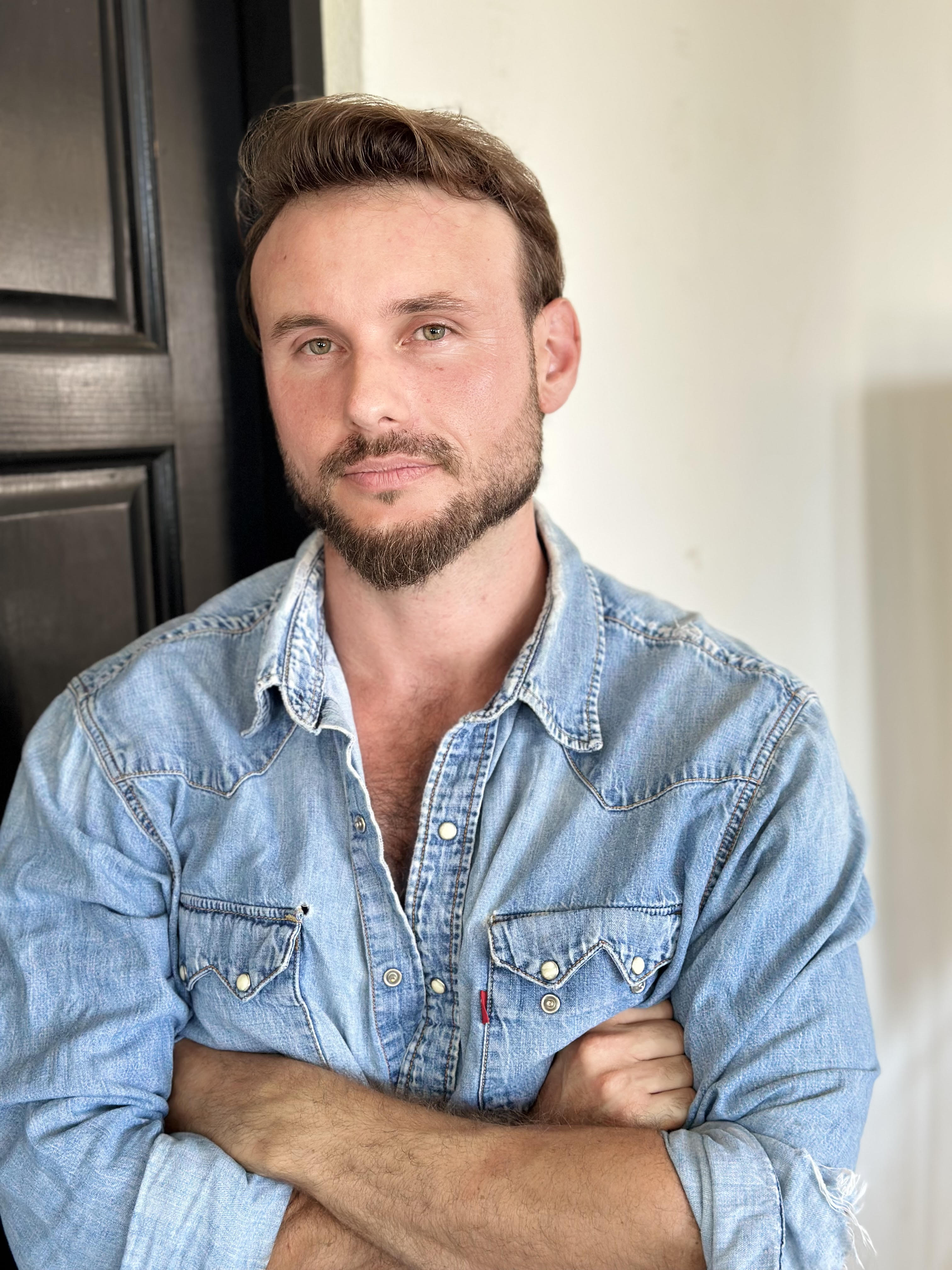
About this episode
Most business owners think burnout comes from working too hard. Timothy Causbrook believes the real problem is giving away valuable work for free. In this episode of The Breakthrough Moment Podcast, Timothy shares how he built Scopekeeper, an AI platform helping professional service firms identify scope creep, increase profitability, and stop losing revenue.
Episode notes
- 00:00Introduction
- 01:37Timothy's Biggest Breakthrough Moment
- 03:43Why Most People Never Start Their Business Idea
- 06:38Growing Up In An Entrepreneurial Family
- 09:20The Success Mindset Most People Miss
- 12:42How Timothy Avoids Burnout While Running Multiple Businesses
- 16:05Is AI Really Disrupting Accounting?
- 19:52Why Accountants Aren't Going Away Anytime Soon
- 24:01Timothy's Favorite Sources Of Business Knowledge
- 25:36How Scopekeeper Works
- 30:15The Hidden Revenue Leak In Professional Services
- 32:55Advice For Entrepreneurs Sitting On The Fence
- 35:49Why Finding A Mentor Changes Everything
- 38:06Why Warren Buffett Is Timothy's Hero
- 39:30Final Takeaways
Chapter titles and timings from the published YouTube description.
From the conversation
Excerpts from YouTube automatic captions. They may contain transcription errors. Play a timestamp to hear the original conversation.
Timothy's Biggest Breakthrough Moment
to be here. Welcome to the podcast, Timothy. And uh what has been your biggest breakthrough moment through your career thus far? >> Yeah. No, excited to be here. Thanks for having me, Zach. Um we're pretty early stage at Scope Keeper, the AI platform. uh you spoke about. So um might sound strange, but our biggest breakthrough was me and my business partner Thomas um actually setting up the company and and building the product. Um so yeah, we're we're in our 30s now and I I don't know if we fit the typical kind of tech entrepreneur um ...
Growing Up In An Entrepreneurial Family
the compelling idea or once you start you can't stop. What's what's your thing? If you have a business on Facebook or Instagram, you need to learn about this new amazing AI automation tool. The question is, is your personal profile or business profile manually messaging your target audience every single day? If not, I highly recommend you do this. There's a massive ROI on that. But if you are, there's a more cost-effective strategy. So, this is a unique AI software. It runs for you your friend requests, the messages, the likes, even the comments 24/7 in the cloud. ...
Is AI Really Disrupting Accounting?
businesses. um some kind of yeah some some as a founder, some as an employee, some as a you know contractor. Um but they all feed into each other which is a form of leverage because if I do one thing I'm actually doing two or three things. But yeah, burnout comes from like just doing stuff that you don't enjoy. Um Jensen Hong said a really good thing about that. He said he works from 5:00 a.m. to 9:00 p.m. 7 days a week. And someone said, "How do you find?" And I think Musk is probably similar work ...
Timothy's Favorite Sources Of Business Knowledge
the I guess what happens on my story is this person you know this company laid off this many people this you know changed the job accountants won't be needed anymore but it's all hyperbole and bit of propaganda I think and exaggeration it is because like it's the greatest like capex kind of spend in history like it's it's literally like like the mag seven have gone from like capital light businesses in the states to like you know they look like freaking heavy industry like railroad businesses now with what they're spending on on on AI right with ...
Advice For Entrepreneurs Sitting On The Fence
of scope. let the client know how much it's going to be. And even if the client says, "Ah, screw you guys. I don't want to do that. I don't want to pay that." Well, you haven't eroded the client relationship. And in an extremely capacity constrained industry, you've saved your team's time to do work that they can get paid for. So, we're just like, it's such a nobrainer for us. Like, it's such a no-brainer for us that firms um turn this on in their in their in their in their firms and and start just catching it. ...
Read the episode transcript
YouTube automatic captions. Names, punctuation and wording may contain transcription errors.
Welcome back everybody to the Breakthrough Moment podcast where we interview successful entrepreneurs and investors and ask them what their biggest breakthrough moment has been in their career. The moment that changed it all and took them into the next level of success and as they share their breakthrough with us, us at home can have breakthroughs as well. Timothy is here. Are you there, Timothy? >> Yep. Hey, how's it going? >> Excellent. Excellent. I'm excited to talk about this because uh what you're doing is really educating people on something that's really really fundamental in every business. Um and it's around numbers and it's around, you know, really improving the bottom line of a business. So, I'm really curious to pick your brains and dive into this. Let me do the quick little intro and we'll we'll jump into it. Hey, >> awesome. >> So, for everybody at home listening, most burnout isn't actually burnout. It's actually giving your best work away for free. Who can relate? So the in the in uh the revision or you didn't bill for for example or the consultation you ate and didn't pay didn't get paid for or the client who took advantage of your generosity and you just called it good service, right? So we've all been there. So Timothy has spent his career teaching professional professionals how to stop bleeding value. He's the CEO of a top tier accounting firm. is a co-founder of an AI platform that catches scope creep before it catches you. And he's an adviser who's helped hundreds of firm owners scale and withdraw from their firms. That was a bit of a tongue twister, but we did it. Excited for you to be here. Welcome to the podcast, Timothy. And uh what has been your biggest breakthrough moment through your career thus far? >> Yeah. No, excited to be here. Thanks for having me, Zach. Um we're pretty early stage at Scope Keeper, the AI platform. uh you spoke about. So um might sound strange, but our biggest breakthrough was me and my business partner Thomas um actually setting up the company and and building the product. Um so yeah, we're we're in our 30s now and I I don't know if we fit the typical kind of tech entrepreneur um startup like narrative or or identity. Um and so I think yeah, just just actually getting to where we are now, even though it's really early days still in the company. um for us was a real big personal breakthrough. >> Yeah, for sure. How long had you been ing and aaring and and things like this? Was it was it on were you on the fence for a while? >> Yeah. Yeah. So, I've known Thomas uh my business partner at ScopeKeper since 2020 20 Yeah. 2020 now. And we've been talking about going into business together basically as soon as we met. Uh we're both second generation accounting firm uh familyrun businesses where which is very similar but also very different and very complimentary and and we'd literally been talking for about 3 years or four yeah close to four years about um what business we could build together. Uh so a long long long
incubation period and then the breakthrough was really uh scope and um I didn't even really want to set up a software company. I didn't really have any interest in in building software, but the problem was so compelling and Thomas' solution, I got to credit him for this. His solution was so like simple that I was like, man, we have we have to build this. And um this was in November of 24. We started kind of sketching out what that would look like. So, um we don't do things quickly. We're not moving fast and breaking things over here, but um but uh yeah, over a year and a half later, it's still just as compelling as it was back in in November of 24. Yeah. They say the hardest part is starting. And so, you know, what do you say for the other for those out there who have that idea? Maybe they're chatting to their buddy or someone they know and they're like, "Oh, we should do this business." >> Um you know, just, you know, only we started a year ago. Only we started 5 years ago. What what advice do you have for those those guys? Real quick before we continue, a brief message from today's sponsor. If you're an entrepreneur wanting to grow your personal brand, authority, and business through podcasting, then check out finderodcast.io. As you know, the biggest entrepreneurs in the world, they book these massive podcast tours before a big product launch or an event or book because podcasts build trust faster than anything else online today. So, it's find apodcast.io. It helps you connect with a specific podcast in your niche. It writes the pitch. It follows up in this easy CRM. It truly does save time. So, you just show up, do the podcast, and your business grows. If you're curious to learn more, book in a demo at find a podcast.io. Now, let's get back to the episode. Yeah, I think two two things. It's like it's got to be a really compelling idea. And I think the idea has to um really um drive like like give you motivation, give you momentum, give you energy, you know, it's not enough to just start something for the sake of it. I think I can't remember who said it um but someone was saying how weird it is that entrepreneurs now just want to be entrepreneurs. Like it might have been Mark Anderson or someone like that. He's like, "But all the best entrepreneurs were driven by solving a problem or building something that didn't exist currently." So like you start start there. Um and and the second thing is um it's all about implementation which probably contradicts the first thing I said about having an idea. Um building something just especially software you might rebuild it three or four times before you're happy with like a minimum viable product. Um and so you've really got to stick at it. We had some people kind of mentoring us on the tech side um from the sidelines and they said like come back to us in a year with what you've built and and and I'll I'll talk about maybe getting more involved and um I think I think he was pretty his name's Mark. He was pretty surprised that like we got as far as we did and we kept at it and just put as much into it as we did. He was he was um pleasantly surprised at that. So again, if you if
you've got a business partner, they've got to compliment you. You've got to have shared values. You've got to have a way of resolving conflict. You've got to be really rational um and um you get momentum from each other um complimenting each other's weaknesses and um yeah, it's got to be a compelling idea you believe in cuz there's no reason why you'd spend so much unpaid time um building something if you didn't believe in it to begin with. Yeah, for sure. You have to have that that vision quite bright in your mind to to to give you that energy and that propulsion to keep moving forward. What what why did you not quit? Why why have you kept at it? I'm guessing it's the as you said the compelling idea or once you start you can't stop. What's what's your thing? If you have a business on Facebook or Instagram, you need to learn about this new amazing AI automation tool. The question is, is your personal profile or business profile manually messaging your target audience every single day? If not, I highly recommend you do this. There's a massive ROI on that. But if you are, there's a more cost-effective strategy. So, this is a unique AI software. It runs for you your friend requests, the messages, the likes, even the comments 24/7 in the cloud. So, while you're watching podcasts like this or taking calls or while you're sleeping, it's running there in the background. Some of these people are pulling in another 5 to 20 extra qualified leads every single week on autopilot. You can experience the podcast special trial and try it for yourself today. Check it out in the show notes below. Yeah, I think um just seeing seeing no one um no one do the thing in in the intervening period has just been really um inspiring. So like it is it is a really novel problem and a novel like solution. Uh and we're still just as passionate about it as we were back then and with all the advances in AI, it's only gotten easier to build out the next thing. So we've got like a vision for um downstream of this what the software could do and this is kind of the tip of the iceberg. So I think yeah like that's what's really propelling it at this stage not just solving this problem it's all the other things we could do um with the same underlying software and technology. It's just really really exciting. Yeah. >> That's awesome. That's awesome. It sounds like you just want to bring it to life and get it out there because it's it's solving a gap or fitting a gap. So you've been in business for quite some time. I guess you grew up in an entrepreneur home. Yeah. Is that what you fam? Yeah. And they say this, it's kind of like uh what do they say 10 year or 20 year overnight success. You know, you've been in around the entrepreneurship for quite some time. >> You were able just to kind of bottle up everything you've learned around running a successful business >> and go back in time and potentially start your journey again in business. What would you do different? Um yeah, I mean if we're talking about the family business that was started by my my folks in 2001. Um we do everything
literally everything different literally everything. Um but I think um would from the beginning would have surrounded ourselves with better better people better quality people like you are the average of the five people you hang out with. Um and things really started to turn a corner for us in 2019 when we started hanging out with a just a really significantly better quality of person. Sounds harsh but but it's just it's just true. So yeah, make sure that like your environment um is really built up to help you succeed. Um and just hang out with positive people, positive mindset, and you've got to really work on your own mindset as well. Like um they say wealth is a mindset. It really it really is like wealthy people that I've met think differently. Um and um yeah, I don't think success comes from like just luck. I would say success comes from successful people and you can make yourself into a successful person and then the success follows if that makes sense. So like when we started working with a mentor, that was the third thing I do is I'd say get get a mentor as soon as possible. Like don't try to figure it out yourself. Other people have figured it out before. But when we got a mentor back in 2019, Ed Chan, who's like a legend in in Australia in the accounting um community, he um he said, "I don't need to fix your firm, Tim. I need to fix you." like the firm is an outcome or the business is basically just a projection of the owner's um or the management's um you know mindset strengths and weaknesses and he was just so right about that. So it's like it's pretty tough. Dr. Steven Cubby who we're big fans of um he talks about the private victory before the public victory and my hero Warren Buffett talks about having an internal scorecard like he doesn't really care what people think of him externally as long as he's living up to his own internal scorecard. So yeah, you got to sounds a bit woo woo and wishy-washy, but like I've just seen over working with over 50 firms in a consulting um environment, most of their problems come from um just wrong thinking. Yeah. [snorts] What would you God there? Yeah. Yeah. That's why I talk fast. We'll get through it all. Yeah. >> It's great. No, you throw out like a bunch of different amazing people and mentors. Sounds like personal development has been a a foundation for your growth. It sounds like you've been yeah really rubbing shoulders with the right people and and doing what would be uncomfortable in order to you know succeed which is letting go of certain people which can be really tough. >> Uh you mentioned like this thinking differently uh aspect with those that are successful and those who aren't. I guess when it comes specifically to your work, what makes what's the defining factor for those that are successful and what are those for those that maybe who are failing firms, what are they doing differently that is really causing that um I guess you know those issues. >> Pause before we continue. The first way we as entrepreneurs introduce ourselves when we walk into a room, it's our energy, right? People feel that. And secondly, it's our face. How healthy do we look? So, for the entrepreneurs out
there who care about how they show up, I'd love to share with you. Personally, I've been utilizing some Korean skincare products now just for over a month and I had no idea about them um up until, you know, even just two months ago. But it's by far one of the best investments I've made for my skin. I feel it's literally making me look younger and it has this like glossy super fresh look. And so, this is the number one exported Korean beauty brand and skincare line in the world. The ingredients are second to none. Even pregnant pregnant women can utilize them because out there there's so many products that have toxins in them that really make our face not healthy over a long period of time. And so if you're out there and you want to match the energy that you output with how healthy you look, you can try all these products risk-f free for 30 days. If you don't like them, send them back and get all your money back. If you're out there, if you're curious, check out the link below to learn. Let's get back to the episode. >> Yeah, they they have low ego. like they have low ego, so they don't think they've got it all worked out and and they're kind of assuming that they're wrong about a whole bunch of things and they they're thinking correct. When they don't get results um over over a long enough period of time that you should get them, um they change things. Um and I've seen this time and time again with with friends, family, and and colleagues and mentors um and people I work with. Um when you get to know internally what's going on, they have like all the same challenges other people have. um but they're just relentless about finding experts, you know, whether it be sales. Like every business has a plateau and then they've got to kind of get through that plateau to the next one. Even really successful business business people I've I've worked with have those plateaus and they they will literally go and find the best person to help them and they'll they'll they'll get advice and then they'll go to the next level. Um and it's not comfortable. You mentioned that it is really uncomfortable to start with. It's kind of like going to the gym. You just get used to it. And I say to people now like it's it's also uncomfortable not changing. Do you know what I mean? And and and and if you don't change and it's uncomfortable but it's a lower level of uncomfort. I'd rather have a more extreme level of uncomfort in the short term and not just not put up with that low level of of discomfort in in the long term. But people don't like change. Um people don't like being pushed outside their comfort zone. You can't grow if you don't go outside your comfort zone. And that was a big learning for me. Um, and everyone I mean the last thing is like you don't have to be good at everything. That's like a you kind of do if you're doing a startup like you do cuz you you know the first three or four people who are involved in the business have to be able to do everything. That's just the way it is. But like at school they teach you um to get 100% aim to get 100% in every subject. And like the most richest people on the planet um that's not how they did it. They were really good at shooting hoops or like you know identifying undervalued assets on the stock market or whatever like or programming. they just so yeah like low ego. You got to you got to work with teams of people who complement your your your weaknesses and just be like super hardworking but with an open mind and every time you hit a a brick wall, don't
like try to power through it. Find people who can help you uh incrementally kind of get around it and keep leveling up. >> It sounds like you've been doing this for a long time which is which is awesome. Like it really comes from a um you know I guess a second nature embodiment of of this information. um >> not just from your family but also being a practitioner working with so many different people. >> This obviously doesn't requ when when I get to know a lot of these people on the podcast is there's there's a lot of time and energy and resources and I think the main thing here is like it's quite it's like in the evening time for you in Sydney. You've got a family. you've running these business, multiple businesses and you know leading the charge in in this new um platform and everything. How do you maintain your energy? Are there certain like non-negotiables you have? Um what are the things that you do to really make sure you don't burn out? Yeah, I think burnout comes from like doing things that don't give you energy. So um all the different kinds of things I do work in like four different businesses. um some kind of yeah some some as a founder, some as an employee, some as a you know contractor. Um but they all feed into each other which is a form of leverage because if I do one thing I'm actually doing two or three things. But yeah, burnout comes from like just doing stuff that you don't enjoy. Um Jensen Hong said a really good thing about that. He said he works from 5:00 a.m. to 9:00 p.m. 7 days a week. And someone said, "How do you find?" And I think Musk is probably similar work ethic and they're like, "How do you find the energy to do that?" And they like, "Well, no, I love what I do, so it gives me energy." You know, you know, I've got a lot of friends who are like teachers and they go, I love my job. I love my job, but then they cannot wait for the school holidays. I'm like, man, like I love my family, but like Monday's my favorite day of the week. I hate public holidays, you know? And I think I see my kids a lot more than my dad saw me. So, like I think you can there's balance. And I think there's just being smart with your time. So, like some we used to have really long meetings late into the night, me and Thomas, my business partner. And now we did we had one of our most productive meetings uh early this week. It was half an hour. We were both pretty tired and we actually got done what we used to get done in a couple of hours in half an hour. So just be, you know, just be be smart about your time. Never have a meeting without having an agenda. Never have a meeting without having action items. Um always make sure the people that need to be there are there and no one else needs to be there and they don't need to be there. And and just like yeah, it's not about input, it's about output, you know, and AI is a great example of that. It's not about how much time you put into it. It's about how smart you're working and um you know, the effect you're having by doing that work. So yeah, I think I think yeah, and I mean I do a lot of like music. I make music with a lot of friends. I find that really relaxing. I go running three or four times a week. I go to the gym two or three times a week. I've got a lot of friends and family as well. Um so I think just every day is pretty different. I'm always mixing it up. So I think yeah, I don't Yeah, if anything, I can do more at this stage. Um not not less. Yeah, >> it's funny. It's a funny one. I think that that uh misconception around oh it must be so hard to do all that stuff or
how do you get up early, how do you go to bed late, it comes from people that are doing things that they don't enjoy that you know I guess in a job maybe or a business that they are not in alignment with. So yeah, it's it's but the more people that I talk to who are doing a business based on a vision they've they've got the there's there's a level of energy and creativity and I guess craziness about them as well that it definitely sets them apart. But um yeah, the energy can be created for sure. I think a lot of it is that mindset. Um I'm super curious, you know, you're in I guess juggling so many different balls. How is AI impacting what you're doing? Have you What are you What What type of AIs are you currently using? >> Um, yeah. Disrupting your >> Yeah, it is. It is, but it isn't. It's not disrupting it nearly as much as it should. Um, and we talk about this all the time. So, I'm not like a power user of AI. My business, Thomas, definitely definitely is. Um, I use it as a conversation partner more than anything. um and just for research. Um we obviously use it for building software and the software that we're building couldn't really do the core things it's doing without AI. Um but one of the frustrations that we we get when talking with Mark, our CTO, who's like a veteran programmer and an AI expert, is um sends chills down my spine, but like AI doesn't have to get any smarter than it is today to be able to do so much of what accountants do dayto-day. So, it's a weird thing cuz we have this, you know, genie in a box, if you want to call it that. It's not been remotely unleashed except for in software building um disciplines. All the accounting firm owners I speak to every day are um really worried about how it's going to disrupt our industry. And it has the power to do so much more than it is currently. And everyone's got FOMO about not using it, but they don't know where to start. and all the incumbent software providers, you know, in accounting industry and probably all the others as well, um, just aren't using it. You know, they're using it like 1% of what it could be used to do. You know, everyone loves taking shots at Co-Pilot in Microsoft, but like it's kind of embarrassing what a lot of these massive um, accounting apps are doing with AI. Like, they just could be doing so much more. I know why they're not, and like I I feel for them. It's actually it's actually really tough because like their tech stacks don't mean they can easily adopt AI into their into their they have to basically rebuild their whole apps from from scratch. And we've just seen time and time again no one does that. Steve Jobs was famous for killing his own product. But myobs the big one in the accounting industry. It was desktop uh it was server based and they promised cloud for like 5 10 years and zero came along and just ate up like basically all their market share. And it's like these guys are capital constrained. They don't have the ability sometimes to pivot and rebuild a whole a whole another app which will destroy their current app. So
like I totally get it. Intercom intercom's done the best cuz they're similar size revenue to some of these accounting apps I'm talking about. Intercom have literally rebuilt like rebuilt their product from the ground up. Um and and they're doing a really good job of that. I wish I was that was happening in the accounting um space. it just hasn't so far. Which is why I think I think that the the software apps of the future that will disrupt the accounting industry are going to come from businesses that don't yet exist. Um, which is fine. That's just the way it is. But it's it's very similar to what we saw with server based apps and the cloud-based revolution. Zero was native cloud from day one. We're going to see AI apps that are native AI from from day one. I just don't think I'm just not going to wait around for the the incumbents to um do cool stuff. And it doesn't mean incumbents don't have a place either. That's the thing we keep talking about like um they almost don't need to adopt AI. You could argue um just to be just as useful as they are now because they have that, you know, they're bringing out MCPs that they're doing AI um APIs uh sorry. And so like there's an element of like just infrastructure and then you know other apps doing all the all the heavy lifting. So, you know, so I'm not saying like they won't exist or they're going to go they're going to go go out of business anytime soon, but it is that's part of the frustration that drove us to start working together on Scope Keeper. Like, we're just not going to wait around for it to happen. Well, so interesting. You're so in it. So, you're not worried about AI kind of disrupting the accounting space just yet then? Maybe in the future. >> Yeah. like uh I think something that people don't talk about enough is that how heavily regulated the the tax you know the tax tax return industry is in Australia and in you know abroad in America like in effect if accountants tax agents have a competitive advantage of moat it's in so far as the IRS or the ATO continue to drive work through tax agents so if we can defer in Australia we can defer tax tax returns from being lodged until the 15th of May. We can negotiate pretty good payment plans with the ATO, you know. So, I think um people don't people just look at the tech capabilities of AI and the possibilities and say, "Oh, accountants are done for, lawyers are done for." I think if you're in a heavily regulated industry like we are with taxes, um I think there's always going to be a need for tax agents as long as the IRS wants tax agents to exist. And same for the ATO. It might be reduced, but I you know I think that needs to be taken into account more often than it is. Hope that makes sense. Um yeah, >> definitely definitely. I think a lot of what's going on with AI, a lot of people are trying to get push clickbaity type content to cause a lot of like article views or news that's fear-based drama. And I think yeah, >> it freaks people out and then that gets shared amongst, you know, the socials and things like that. And that's kind of
the I guess what happens on my story is this person you know this company laid off this many people this you know changed the job accountants won't be needed anymore but it's all hyperbole and bit of propaganda I think and exaggeration it is because like it's the greatest like capex kind of spend in history like it's it's literally like like the mag seven have gone from like capital light businesses in the states to like you know they look like freaking heavy industry like railroad businesses now with what they're spending on on on AI right with the data centers and the scale like the hypers scaling going on and you know and you got you know the these AI like model companies like open AAI are like cash burning like you wouldn't believe and then they all want to do IPOs this year you know so they have to tell this compelling narrative like this is like unlike anything we've ever seen before in order to get valuations you know they need to get when they're not making any money they're just cash burning so you kind of got to go you if you ask the bubble you need a haircut they're always going to say today, aren't they? You know, so I think yeah, really smart people are now kind of being a bit more moderate about it and they're like they're saying, "Yeah, we'll be transformative as will robotics, but it's a long long runway." And people, you know, there'll be new jobs that people will have. And you know, Kane's thought back in the early 20th century that we'd all be working one day a week today because he looked at the productivity gains. He was right about the productivity gains, but what he was wrong about was like cost of living and everything else. just, you know, everyone's way more productive and everyone's way more working more than ever before, right? Why would AI be any different? And I think I challenge people like like honestly why will AI be any different from any other industrial revolution we've had already? There'll be jobs that we can't even imagine, you know, imagine saying to your great grandpa like what an influencers job was or even an HR manager's job. They'll like they'll just laugh like what do you mean? Like how was that work? Or even a therapist, you know, or a consultant. Your great grandpa would be like what are you talking about? Go make me some shoes, you know? So like there'll be we'll find a way to like employ people. Like I guarantee it. Hopefully it's more meaningful work. Like hopefully genuinely it's more meaningful work. I somehow doubt it will be. But yeah, I'm I'm less Yeah, I'm not an expert on this. I've just listened to obviously a lot of people and that's what the smartest people are saying at the moment. So >> no, it's interesting. Um you know, Michael Bur the the guy from based on the big short he's betting against AI at the moment >> that it is a bubble. Um so it's quite interesting to to see that counter opinion which I think is more important. >> Yeah, totally. >> Totally. >> Um you sounds like you stay up to date on a lot of things and you're across a lot of um I guess news and and whatnot. How do you stay up to date? [laughter] You've got any AI that helps you stay up to date? >> It's just X X.com, man. It's I'm more chronically on that thing, but like >> X.com and YouTube and it's like I mean like the convers like my favorite podcast is like probably the Cheeky Points one, the Stripe the Stripe guys put together. Like it's just it's a great time to be alive. Like there's no other time in history that we'd hear,
you know, all these massive massive people in tech, some of whom are really famous, some of whom are not or and just in in companies in general have these conversations. Like it's such a privilege to like listen to their conversations, you know, like do you know what I mean? like such a small circle of people in ' 90s would have been able to even be on like been like hear those and now you can just hop on YouTube and like watch hours of them. Um, you know, and there's obviously a lot of bad content out there, too. But it's like you just you be careful who you follow. Just like that circle of five, the people I listen to most that I don't know, you know, Charlie Manga, Warren Buffett, you know, the Stripe guys, like it's, you know, so that's I think it's it's so easy to stay up to date if you're passionate about it. And like I just don't watch TV anymore. Like I'll just listen to those podcasts instead of watching TV. And it's like it's Yeah. Go for a run, put that on, you know? >> Um, yeah. >> And see, long live podcast. >> [laughter] >> plug. >> I couldn't agree more. Like I have never been so excited for business in my life. Like learning cord code the last 2 months, creating these amazing apps, these automations, things that I could do manually, but it's doing it within, you know, while I'm doing other things. While I go make myself breakfast or whatever, I can have my emails reply to and and find the content for the day. and like this whole world is the things that I was putting off and kind of feeling like ah god I'm not doing those things now they're done I'm like I'm excited for business now it's great >> um tell us about who from who's listening who should reach out right um and and who do you serve the most who should be reaching out to you and getting in touch >> yeah like um I mean we're really looking for customers at at this stage so like we're happy to and if if if scope creeps a problem in your business, you know, we'd happily look at look at helping you solve that. From a marketing point of view, like our vertical accountants, cuz like we know exactly how to talk to those those kinds of people like scope creeps, I think really a problem from like project management and engineering. Most accountants don't even use the term scope creep. We talk about write offs. Yeah, if you're struggling if you're struggling with that kind of stuff, um, we'd love to talk to you. Um, I mean, we we love learning from people who have gone before. So, you know, like a lot of the stuff I'm thinking about at the moment is like pricing, you know, usage based versus seat based and um like the sales the whole sales process. So, if anyone's got, you know, tips on on on that kind of stuff while they've worked through that stuff recently, I'd love to chat. I'd love to chat and find out, you know, how you did it. But, um yeah, >> can you give us an example of of how the software works and and like maybe a success story to give us a bit of context? >> Yeah. Um, I can share screen. I'll see if I can share screen. >> Okay, go for it. >> Will this work? Yeah, here it is. Here. So, is that working? >> Yeah, it is. >> Was a bit dicey. Yeah. So, pretty simply, um, uh, we've got this intelligence layer, which is where the AI is doing its thing, and it's ingesting email from like Outlook, you know, G Gmail, whatever. Uh, the
engagement library. Um, depending what software you use, we can we can have like an API into that. and then your CRM. And it's essentially just kind of um looking at client requests and email. It knows, you know, who the client is cuz of CRM. It looks at the engagement. No, it's not in scope or yes, it's in scope and if it's out of scope, it flags it. Uh it's such a simple idea. Um but um that's really that's really what it's doing. Um we can you know, we can go a layer this is where I get really excited. We can go a layer deeper than that and based on your engagement services library in the context of the email, we can potentially um determine how much uh money you're leaving on the table from not uh repricing those engagements. And yeah, we turned it on in a firm and there was like 20 grand in one day that and we're not claiming they would have lost all that money cuz like no firm no firm like you know um no firm would like like some of that depending on the partner or the cl whatever it some of that would have been recovered but 20 grand in one day uh was just insane. We were like, "Wow." And that's it's like insurance, right? You've got to have this thing turned once you turn on. You don't want to turn off. You've got to have it on all the time because you're flying blind as soon as it's off, you know? So, um, yeah, we got really early product market fit validation when like two or uh, three mid-tier firms. So, uh, firms in Australia's top 100 firms like reached out on LinkedIn. They reached out to us. We didn't really do much marketing apart from a few posts. these are guys doing between 25 and like 70 million revenue turnover and they were like oh this is a massive problem for us you know like like can we look at solving it? So um that was just that was just awesome. U we're still working with with some of those guys today. Um obviously there's more layers to get through terms of cyber security if you're working with like a mid tier. But um yeah it's just is exciting because like it's it's making the invisible visible. And one thing we've learned in our time um as consultants for accounting firm owners over the last like 5 years or so is that you can't manage what you don't measure. I I don't care how good your engagement library is or how commercial you think your client managers are. Um I guarantee you you're losing between 10 and 20% of your revenue potential revenue a year in scope creep. And the kicker for me is Zach um you guys you guys are already doing the work. have a few conversations and you you get an uptick of 20%. I've worked before with firms that use marketing agencies that were so good they turned it off and they stopped working with them because they couldn't scale the teams and hire the good quality accountants fast enough to meet the demand. We're saying to firms, no, no, no, you don't have to do any extra work. Just just call up the client when when we flag that it's out of scope. let the client know how much it's going to be. And even if the client
says, "Ah, screw you guys. I don't want to do that. I don't want to pay that." Well, you haven't eroded the client relationship. And in an extremely capacity constrained industry, you've saved your team's time to do work that they can get paid for. So, we're just like, it's such a nobrainer for us. Like, it's such a no-brainer for us that firms um turn this on in their in their in their in their firms and and start just catching it. catch it before it happens because that's the like it's like a scan if you've got cancer or something. It's too late, you know, if you catch it a year later, you literally can't deal with it. I shouldn't compare it to that. I don't want to trigger people, but you know what I mean? It's the same thing. I think like if you had a if you had this is a cool idea. Ideas are free. like it's executive scanner in your apartment or house what could detect when you had cancer would you put that in would you would you go I'm going to turn that off now as long as you have a body a multisellular body you have the potential to die of cancer right as long as you have a professional services firm or business doesn't have to be accounting firm just profession you I guarantee you have scope creep you know so I'm I'm selling it probably a bit hard now but I'm I'm genuinely passionate about it and I I think that's the other thing. Thomas and I run accounting firms and manage accounting firms. So, we don't have like this big board of of directors who are really far removed from the problem. And, you know, we love accountants. That's a weird thing to say in this industry, but we we genuinely love and care about them. We want to solve this problem for them. Um, accountants are really crappy at sales. If they were good at sales, they probably wouldn't be accountants. Um, it's just a personality type. They're non-confrontational. um they get pushed around a lot and they just they just want to go above and beyond for their clients and so that's like a just a recipe for you know a gregious scope creep. We don't have the data but I I reckon scope creep is a lot worse in the accounting industry than other comparative financial services industries. So we really just want to help them um help them you know not gouge their clients not become more transactional but just get paid for stuff that they would charge for if it was a brand new client coming on board and they were scoping the workout. I hope that makes sense. Yeah, >> it's super great. It's get passionate, get into it, get fired up. I'm like I was just, you know, getting my head around at the beginning like scope creep. Okay. Yeah. No, I get it. Yeah. But giving me that example, the visual with that that kind of use case. That's brilliant. So, I'm going to put your links around the video. Everyone at home, who do you know who would benefit from that, please get in touch with Timothy and the team. Um, thanks mate. I one of my favorite questions before we wrap up is uh, >> you know, this whole theme of the podcast is breakthrough. You know, you've shared your breakthrough and now we want to help other people have a breakthrough as well. What would you suggest for everyone listening today to have a breakthrough? whether it's in their accounting firm or whether it's in entrepreneurship or in life in general. what would you suggest they do today that's going to help push their breakthrough across the line so to speak >> if you're early stage which is kind of all I can speak to here um don't limit
yourself like I had people that I really look up to and still do to this day and that they're they're well-meaning but they kind of said to me like I wasn't really entrepreneurial cuz I hadn't built something yet and um I think it's lower a lower bar lower cost than ever before to go and start a company and build something and no one knows what they're doing like Jobs didn't know what he was doing Gates didn't know what he doing. M did not know what he was doing. Even Buffett, my hero, did not really know what he was doing when he started uh his business. So, like, you know, it's same as being a first-time parent. Like, you're never going to be ready. Dive in. Um just try to like, you know, and with Claude code and the things you were talking about before, you don't need to get a, you know, half a million dollar loan to start a business these days. You know, solve a problem that's close to your heart or or close to the heart of of friends who have businesses. Like, solve a real problem. Um, and you know, uh, just just do it. Don't don't don't let um those self uh limiting beliefs enter your head. Like you've got to control your thoughts. If you have like I think they said 10,000 thoughts a day, um, you've really actually got to start with controlling your thoughts cuz like that will lead to your behaviors and your actions and your outcomes. So, you've really got to start with your own mindset. So, yeah, get rid of the self-limiting talk. Um, yeah, you can do it >> or or you can't. And who cares if you can't? [laughter] You can't just >> put in another prompt in AI, figure it out tomorrow. >> Yeah. >> No, reach out to, you know, the right per people. It's the access today and and how this podcast is even just growing. You know, we reached out, we got connected through someone else on LinkedIn. >> It's amazing how, you know, the answers can be one conversation away and starting can uh happen literally today for tomorrow. So, really appreciate your time. This has been words of wisdom. Thank you so much for your passion and what you're doing. I can't wait to share your product with other people. Do you have any final comments before we wrap it up? >> Um, I did have one, but I lost lost my mind. Um, while you're thinking, while you're thinking, I just, you know, for people at home, who do you know who would benefit from today's message, right? Whether it's someone who's sitting on the fence, maybe they've got an idea, maybe it's yourself, go back and watch, watch or listen to this again so you can get reinspired because it's about just starting. Just start. And and I think the biggest challenge for most people is I think they need to know everything before they get started. The actual how of things unfolds as we take that first step. >> So please share share the podcast and comment below your breakthrough moment from today. Did that give you a bit of time? >> Yeah, I got it. That's uh I that's shocking. Yeah. Find find a mentor and like a mentor a mentor doesn't have to be someone you know. Like I've been blessed to to meet several mentors in my life that I personally knew. That's awesome. But find a hero, find a mentor. You know, it could be someone who's dead. You know what? Like, read their books, watch their videos. Um, and just, yeah, stick at it cuz like you you'll figure it out. If you really really want it, like if you really want it, you will get it. If you need help, and everyone needs help being inspired, but if you need to join like a you know, a group in order to be inspired to do the thing, like just go get a job. That's fine. Do you know what I mean? Like it's it's got
to bug you so that you can't stop thinking about it. And then that's what drives you to go do the thing. If you don't have that level of intensity, I think M talked about if you don't have that level of intensity, right? Um, and it's coming from you, not external sources, like you won't have the energy and you will burn out. You know what I mean? So, so everyone can do it. Um, you know, cuz everyone can do can, you know, you can do anything you set your mind to, right? But like how much do you do you really want it? So, yeah, I think yeah, if you're on the fence and it's cuz of self-limiting beliefs or or what have you, like you just got to push through that. But like if you don't have that internal drive or push, that nagging kind of sensation like you've got to go start that business. Um, you know, like it's fine. It's not like some of my heroes were amazing CEOs who were employees the whole way through. Like Tim Cook just just recently at the Berkshire Hathway shareholder meeting last weekend. Buffett two years in a row called him out and said he's he's done what Steve Jobs could never do. Like he took he took Apple from 400 billion market cap to like what is that 3 trillion or whatever? 4 trillion. 3 trillion. just crazy stuff. So, like, yeah, find find what you're passionate about. That's going to give you energy and you won't burn out and and just and play to your strengths. You know, you don't have to be technical anymore to be a founder like like like you said, Zach, but you've got to be passionate about it because that's what's going to give you energy and that's what's going to convince people to join you, whether it be angel investors, customers, staff, you name it. So, yeah, that's all right. Es [laughter] drop. No, 100%. Uh, one of my mentors said it's he called it the infliction. It's kind of like just this this burning irritation. You just need to like get that thing done, whatever that thing is. And uh, some people think it's crazy, but here's to the crazy ones. You mentioned one thing around Buffett being your favorite me favorite. >> Yeah, >> he's my hero. Yeah. Yeah. >> What is it? Yeah. Your hero. Like what is it about Buffett? We'll just kind of end on that, but like what is it about him and not others? >> Yeah. He never changed. Like I went to Omaha last year. It was like a bucket list thing and I saw him retire like in real time announce it not knowing it would be his last one as as CEO and like Omaha my my wife's family is from the Midwest and um yeah like it's it's crazy that he lives there just he literally didn't change like the guy's worth he was the richest man in the world in 2009 and he he basically lived his whole life um in the Midwest in Omaha you know uh just just literally didn't change um and um just super smart guy, super wise, super funny. Um, and you know, he's 95 and no one's really got a bad word to say about him. There's no scandals, no Epstein stuff, nothing like like just a life of integrity. Like legend, absolute legend. Yeah. So, I mean, I even if you're not interested in investing, like I I obviously am, but if you're not even in interested in investing, just amazing life advice. Like amazing. And there's, you know, decades worth of, you know, uh, annual annual shareholder meetings, question and answers, essays he's written, you name it. He's he's just such a smart
guy. So, but yeah, always recommend him. >> Brilliant. >> Super cool. This has been really valuable, Tim. Thank you so much for your time. Everyone at home, please uh we'll s share this around. Who do you know? This has been a freaking awesome podcast. And it's in 40 minutes. We we rock and roll it. Some people like >> you're quick. [laughter] >> We'll see you next time on the Breakthrough Moment podcast. See you. Thanks, Tim.